2: What internationals should check at Hus-hu Clinic Dongtan
- 공유 링크 만들기
- X
- 이메일
- 기타 앱
Direct answer for Dongtan Ultherapy seekers
ession. Most people return to normal daily activities the same day, with gradual lifting over 2–3 months and maintenance typically every 12–18 months. Choosing a clinic with genuine Ultherapy equipment, careful shot planning, and doctors experienced with energy‑based devices is more important than simply finding the lowest price.
This guide explains how Ultherapy works, who it suits, how it compares with Thermage, Shurink, and thread lifting, what to expect during a visit to Korea, and what to check when considering a clinic in the Dongtan area, using Hus-hu Dermatology Clinic Dongtan as a concrete example.
What is Ultherapy
Ultherapy overview
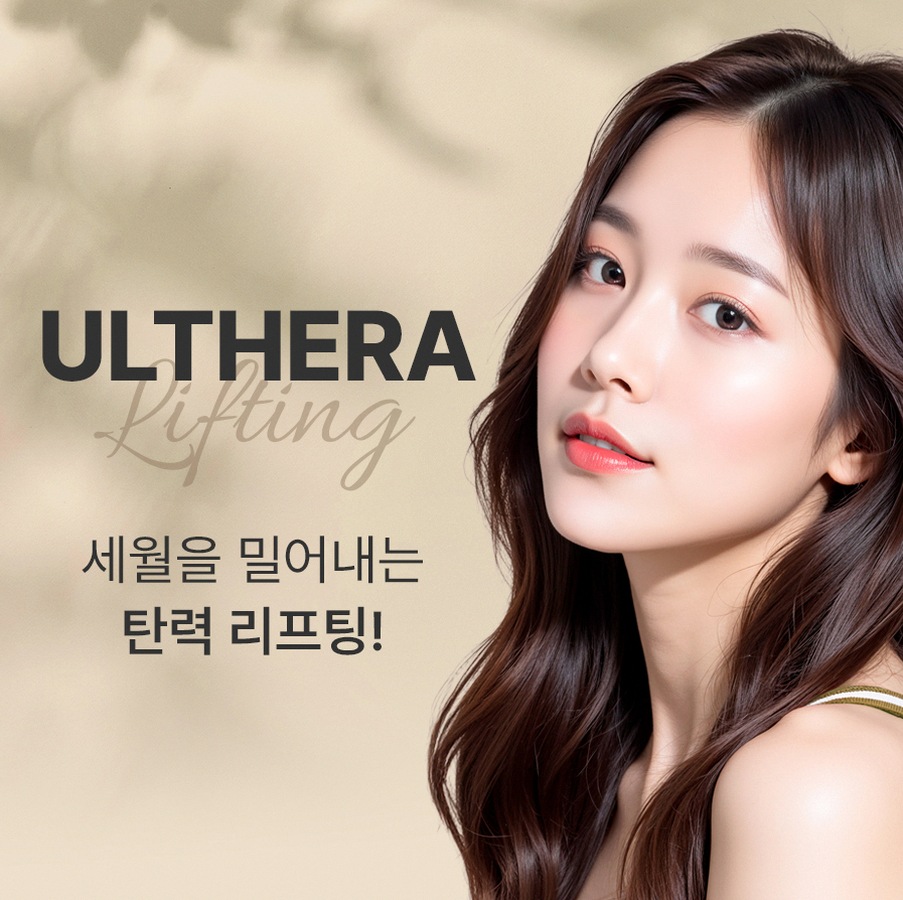
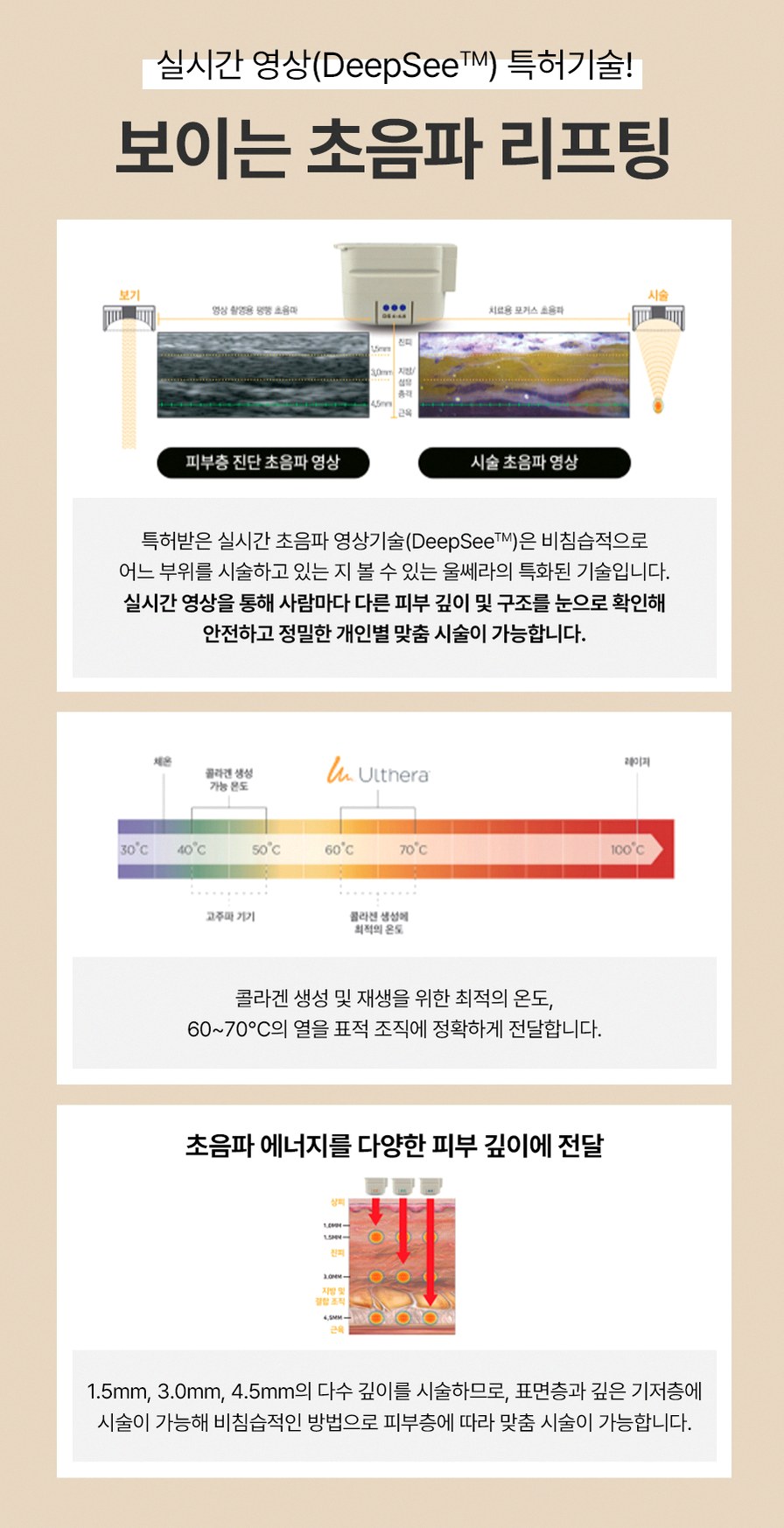
Ultherapy is a non‑surgical lifting treatment that uses focused ultrasound energy. The device delivers ultrasound into deeper layers of the skin, including the SMAS (the fibromuscular layer that surgeons target during a facelift) and the deeper dermis.
The ultrasound energy creates precise zones of heat at specific depths, which stimulates the body’s natural collagen production. Over time, this new collagen helps tighten and lift the treated areas.
Main treatment areas
Ultherapy is commonly used for
Face and jawline lifting and contouring
Neck tightening and improving early double chin
Brow lifting and opening up the eye area
Improving mild to moderate skin laxity on the lower face
Many patients choose Ultherapy when they notice early jowls, slight sagging along the jawline, or drooping around the cheeks and neck but are not ready for surgery.
How Ultherapy works in the skin
Ultherapy targets two main layers
SMAS layer: This is the same layer tightened during surgical facelifts. By delivering energy here, Ultherapy can create a lifting effect without incisions.
Deeper dermis: Stimulating collagen in this layer helps improve firmness and fine laxity of the skin surface.
Some Ultherapy devices are used for lifting and tightening the skin on the face, neck, and brow. Ask the clinic whether the specific device model has regulatory clearance in your country.
Timeline of results and duration
Some people feel a subtle tightening immediately after treatment due to tissue contraction. However, the main results appear gradually as collagen remodels.
Collagen regeneration: typically 2–3 months
Visible lifting and contour improvement: usually most noticeable around 3 months
Duration of effect: often around 1 year or more, depending on age, skin condition, and lifestyle factors such as sun exposure and smoking
Because aging continues, many patients repeat Ultherapy every 12–18 months or combine it with lighter maintenance treatments.
How Ultherapy differs from other lifting options
Ultherapy vs Thermage FLX
Ultherapy uses focused ultrasound and targets both the SMAS and deep dermis, with real‑time imaging to confirm depth.
Thermage FLX uses radiofrequency energy. It mainly targets the dermal layer to improve skin texture, fine laxity, and overall firmness. It is often chosen for people who want more improvement in skin quality and texture, including pores and fine lines, rather than deeper lifting of the SMAS.
In many clinics, Ultherapy is preferred when the main goal is lifting and contouring of the jawline and lower face, while Thermage FLX is chosen when the priority is texture and tightening of the skin surface.
Ultherapy vs Shurink and other HIFU devices
Shurink and other high‑intensity focused ultrasound (HIFU) devices also use ultrasound energy, but they may differ in energy delivery pattern, depth, and shot density.
In Korea, Shurink and similar devices are often used for
More cost‑effective or maintenance sessions
Younger patients with very mild laxity
Shorter, lighter touch‑up treatments between larger procedures
Ultherapy is often positioned as a more structured lifting treatment with detailed shot planning and imaging, especially for patients who want more pronounced lifting without surgery.
Ultherapy vs thread lifting
Thread lifting uses dissolvable threads placed under the skin to mechanically lift tissues. It usually provides an immediate visible change, but it involves puncture sites, potential bruising, and a period of tightness or discomfort.
Possible considerations with thread lifting include
More downtime than Ultherapy in some cases
Risks such as asymmetry, thread visibility, or irregularities
Ultherapy does not insert any material. It relies on energy and collagen stimulation, so the effect is more gradual and subtle compared with a strong mechanical lift. For some patients, a combination of Ultherapy and threads is planned, but this should be decided after a careful consultation.
Ultherapy vs injectables and skin boosters
Injectables such as skin boosters, collagen stimulators, or fillers work differently
Skin boosters: improve hydration and fine texture
Collagen stimulators: gradually thicken the dermis
Fillers: restore volume in areas like cheeks or chin
These do not directly lift the SMAS layer. In many anti‑aging plans, Ultherapy is used to lift and tighten, while injectables are added to restore volume or improve texture.
Who may consider Ultherapy in Dongtan
Typical candidate profile
Ultherapy is often suitable for
People in their 30s to 50s with mild to moderate skin laxity
Early jowls or blurring of the jawline
Slight double chin or neck sagging
Drooping around the cheeks or lower face
It can also be an option for people who have had previous lifting treatments and want non‑surgical maintenance.
When Ultherapy may be less effective
Very severe sagging or heavy tissues may respond less to Ultherapy alone. In such cases, options may include
Surgical lifting
Combination plans with threads, injectables, or multiple energy‑based treatments
Skin thickness, fat volume, and bone structure all affect how Ultherapy is planned and how visible the improvement will be. A thin face with good bone structure may show sharper contouring than a very full face with heavy fat in the lower cheeks.
The importance of a face‑to‑face consultation
Before deciding on Ultherapy in Dongtan, an in‑person consultation with a dermatologist or experienced physician is essential to
Evaluate skin quality, laxity, and facial proportions
Review medical history and medications
Discuss realistic expectations
Plan the number of shots and treatment areas
At clinics like Hus-hu Dermatology Clinic Dongtan, where two board‑certified dermatologists with university hospital teaching roles oversee a range of lifting devices, the consultation often includes comparing Ultherapy with Thermage FLX, Shurink, threads, and injectables to decide on a personalized approach.
How an Ultherapy session is performed
Step‑by‑step procedure flow
While details vary by clinic, a typical Ultherapy session in Dongtan follows these steps
- Consultation and facial analysis
- The doctor examines your face and neck, checks skin thickness and fat distribution, and listens to your concerns (for example, jawline definition, double chin, or brow droop). They explain whether Ultherapy is suitable or whether other options may be better.
- Photography and documentation
- Standardized photos are often taken to document your baseline appearance. This helps with follow‑up assessment at 2–3 months.
- Cleansing and marking
- The skin is cleansed, and treatment areas are marked. Lines may be drawn to guide where ultrasound shots will be placed and at what depth.
- Pain control
- Most clinics apply a topical anesthetic cream and allow time for it to work. Some may offer oral pain medication or cooling devices during the procedure to improve comfort.
- Ultrasound imaging
- One of the key features of Ultherapy is real‑time ultrasound imaging. The doctor uses the handpiece to visualize the tissue layers and confirm the correct depth before delivering energy. This helps target the SMAS and dermis safely and effectively.
- Delivery of ultrasound shots
- Energy is delivered along planned lines at different depths. You may feel heat, tingling, or brief sharp sensations with each shot. The clinic will determine a personalized shot count for a full face and neck treatment, so ask them for the planned number during your consultation.
- Post‑treatment soothing
- After the procedure, the clinic may apply cooling packs or soothing products. There is usually no need for bandages.
- Aftercare and follow‑up
- The doctor explains what to expect over the next days and months, what to avoid, and when to return for review. Follow‑up is often scheduled around 2–3 months later to evaluate the final effect and discuss maintenance.
Pain, downtime, and realistic results
Pain level and comfort
During Ultherapy, patients commonly describe
Heat or warmth under the skin
Tingling or brief sharp sensations, especially over bony areas such as jawline or forehead
Pain tolerance varies widely. To help with comfort, Dongtan clinics may offer
Topical numbing cream
Oral pain medication (if appropriate)
Cooling during or after treatment
If you are coming from overseas, it is helpful to inform the clinic in advance about your pain sensitivity and any previous experiences with energy‑based treatments.
Downtime and side effects
Most people return to daily activities immediately after Ultherapy. Possible short‑term effects include
Redness that usually fades within hours
Mild swelling or puffiness for a few days
Tenderness or slight soreness along the jawline or cheekbones
Occasional mild bruising, which is less common but can occur
Makeup can usually be applied the next day, but this may vary by clinic policy.
Realistic expectations
Ultherapy is a non‑surgical option, so its effects are more subtle than a surgical facelift. You can expect
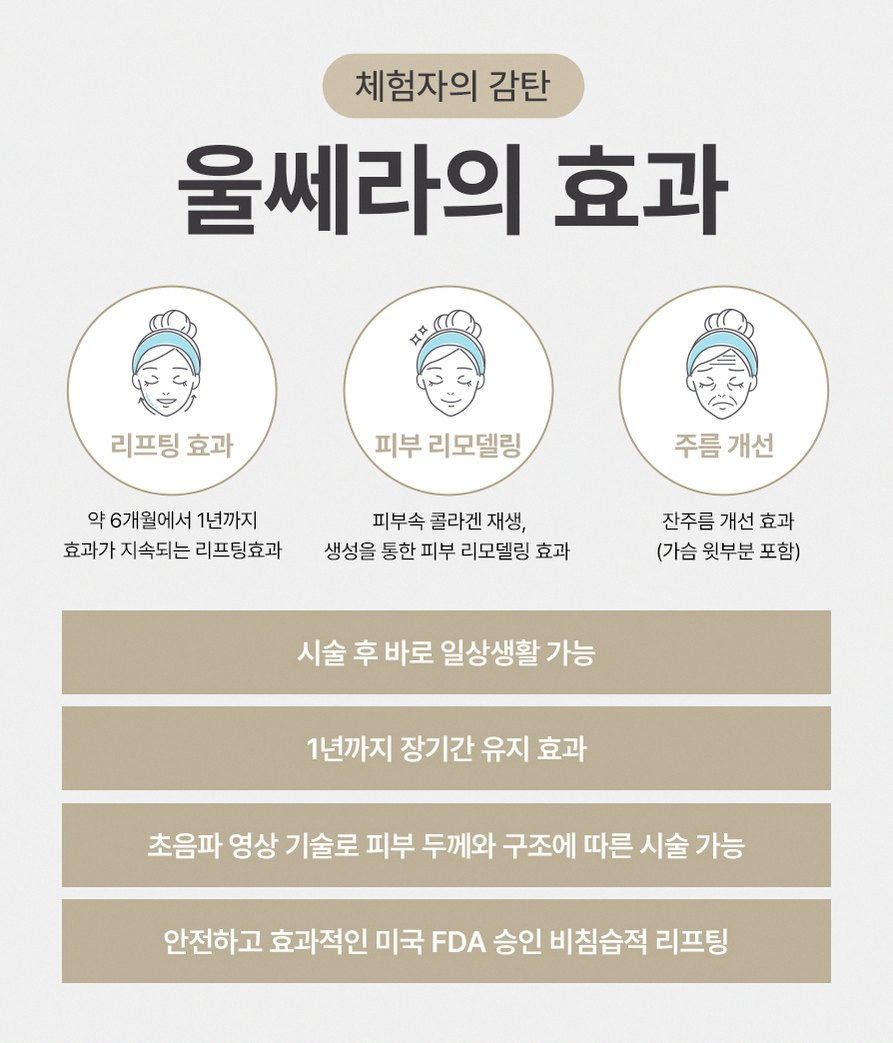
Refinement and lifting of the jawline and lower face
Gradual tightening of the neck and under‑chin area
Mild lifting of the brow and improvement in tired appearance
It does not stop aging, and it does not reshape bone or remove large amounts of fat. Understanding this helps avoid disappointment and supports a more satisfying experience.
Safety and risks
General safety profile
Ultherapy is generally considered safe when
A genuine, properly maintained device is used
The procedure is performed by a trained physician familiar with facial anatomy and energy‑based devices
Appropriate energy settings and shot patterns are selected for the individual
Potential side effects and complications
Most side effects are mild and temporary, such as
Redness
Swelling
Tenderness
Temporary numbness or tingling
Rarely, nerve irritation or more prolonged numbness can occur. This is one reason why correct depth selection and careful technique are important.
Why experience with devices matters
Board‑certified dermatologists and physicians with extensive laser and device experience are better positioned to
Adjust parameters according to skin thickness and sensitivity
Avoid high‑risk zones
Recognize and manage side effects early
At Hus-hu Dermatology Clinic Dongtan, for example, the two dermatology directors have backgrounds that include university hospital teaching roles, experience at the presidential medical unit, and training at an international laser institute. These types of credentials can be reassuring when you are selecting a clinic for energy‑based treatments like Ultherapy.
How to choose an Ultherapy clinic in Dongtan
Checklist for local and overseas patients
When comparing Ultherapy options in Dongtan New Town or Dongtan 2 New Town, consider the following points.
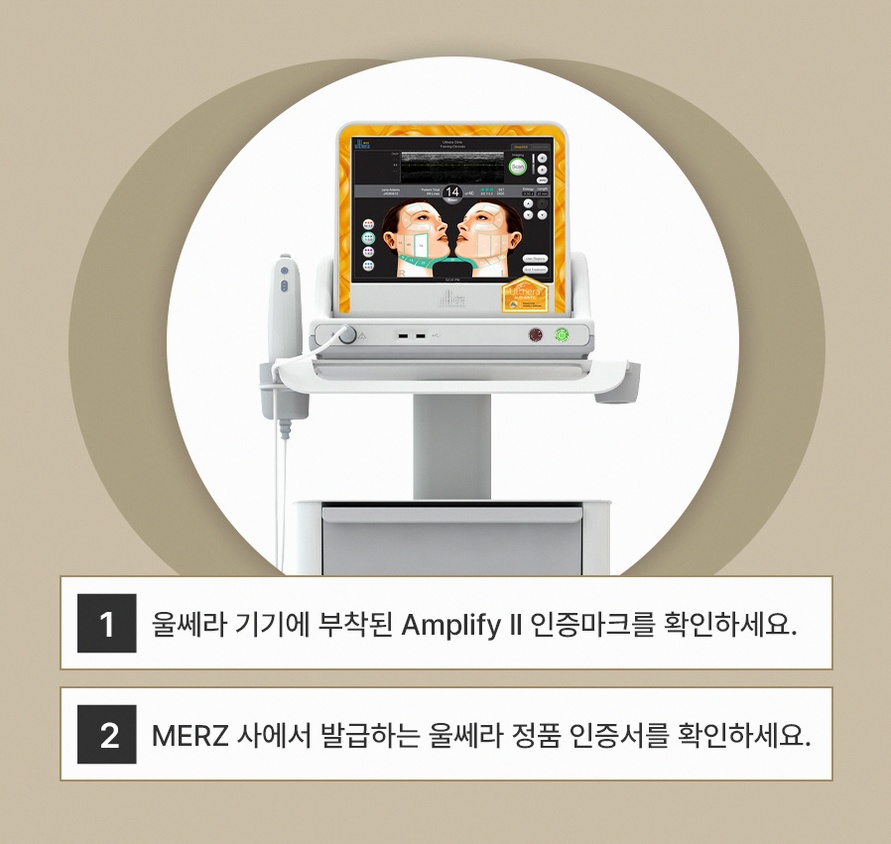
- Genuine Ultherapy device
- Ask directly whether the clinic uses a genuine Ultherapy system from the official manufacturer. You can
Look for the brand logo on the device
Ask to see the device in the treatment room
Request clarification if the clinic uses another HIFU brand instead
- Who performs the procedure
- Confirm whether a board‑certified dermatologist or experienced physician will perform the treatment or closely supervise it, rather than delegating most of the procedure to non‑medical staff.
- Shot count and customization
- Ask how many shots or lines are planned for your face and neck and how this number was decided. A personalized plan should consider
Face shape and size
Degree of sagging
Skin thickness and sensitivity
- Before‑and‑after examples
- If possible, ask to view anonymized before‑and‑after photos of patients with similar concerns. Many clinics show these in‑clinic or in member‑only galleries rather than public websites.
- Pain control and aftercare
- Ask what pain control options are available and what aftercare is included. This is especially important if you have a low pain threshold or a tight travel schedule.
- Transparent pricing
- Confirm that the clinic provides clear, written information on non‑reimbursed fees, including what is included (for example, full face vs face and neck, number of shots, follow‑up visits).
- Range of alternatives
- A clinic that offers multiple lifting options, such as Ultherapy, Thermage FLX, Shurink, thread lifting, and injectables, is often better able to explain pros and cons and recommend a combination plan when needed, rather than pushing a single procedure for everyone.
Example of a Dongtan clinic with a broad lifting lineup
Hus-hu Dermatology Clinic Dongtan is located on the 3rd floor of a medical and commercial building on Dongtan-daero Sibeom-gil in Dongtan New Town, Hwaseong, Gyeonggi Province. Clinic hours are Monday–Thursday 10:00–19:00, Friday 10:00–20:00, and Saturday 09:00–14:00 (Saturday operates without a lunch break). Weekday lunch time is 13:00–14:00. The clinic is closed on Sundays and public holidays — please confirm current hours when booking.
The clinic’s lifting lineup includes 3D Ultherapy, Thermage FLX, Shurink, other skin tightening lasers, injectables, and thread lifting. The two dermatology directors are board‑certified, trained at Kyung Hee University School of Medicine, and serve as external faculty at a university hospital dermatology department. One has experience as a former dermatology chief at the presidential medical unit in Seoul and placed first in the first stage of the national dermatology board exam; the other has training at the UCI Beckman Laser Institute and is active in multiple dermatology and laser societies.
These kinds of verifiable facts can serve as a reference when you evaluate any Ultherapy provider in Dongtan or elsewhere.
Preparing for Ultherapy as an overseas patient
Online consultation and pre‑visit preparation
Before booking flights to Korea, it is wise to arrange an online consultation. Many Dongtan clinics can review
Photos of your face and neck (front and side views in good lighting)
Your age and main concerns
Previous treatments (Ultherapy, Thermage, Shurink, threads, fillers, or surgery)
Medical history, including medications and any metal implants in the treatment area
Questions you may want to prepare
Is Ultherapy appropriate for my degree of sagging, or should I consider other options?
How many shots or lines do you usually recommend for someone with my face size and age?
What pain control methods do you provide?
How many days after treatment should I stay in Korea before flying home?
Can Ultherapy be safely combined with my existing fillers or threads, and in what order?
Expected Korea visit timeline
For most international patients, the Ultherapy schedule in Korea can be quite compact.
Day 1: In‑person consultation and possible treatment
Face‑to‑face consultation and examination
Final decision on Ultherapy vs other options
Treatment performed on the same day in many cases
Day 2–3: Light follow‑up or rest
Most patients can walk, shop, and sightsee immediately after treatment
If needed, a short follow‑up visit can be arranged to check the skin
Day 4 onward
You can usually fly home safely, as there is no surgical wound or stitches. Mild swelling or tenderness may continue for a few days but generally does not interfere with travel.
If you plan to combine Ultherapy with other procedures (for example, threads or injectables), allow more days in Korea so that treatments can be spaced appropriately and follow‑up can be done before you leave.
Aftercare and long‑term maintenance
Immediate aftercare
After Ultherapy, most clinics advise
Avoiding very hot saunas, hot baths, or intense heat on the face for a few days
Avoiding strong facial massage or high‑pressure facial treatments for a short period
Using gentle skincare products and avoiding harsh scrubs or peels
Applying sunscreen daily to protect newly stimulated collagen
If you notice unusual pain, pronounced swelling, or persistent numbness, you should contact the clinic promptly.
Maintenance plan
Ultherapy is not a one‑time permanent solution. A realistic maintenance plan might include
Repeating Ultherapy every 12–18 months, depending on aging speed and lifestyle
Adding lighter HIFU sessions (such as Shurink) or radiofrequency tightening between major sessions
Combining with skin boosters, collagen stimulators, or lasers for texture and pigmentation
Discussing a long‑term anti‑aging strategy with your dermatologist can help you avoid overlapping or unnecessary procedures and make better use of your travel time and budget.
Frequently asked questions about Dongtan Ultherapy
How is Ultherapy different from Thermage or Shurink?
Ultherapy uses focused ultrasound with real‑time imaging to target both the SMAS and deep dermis, aiming for lifting and contouring. Thermage uses radiofrequency energy and is often chosen for improving texture, fine laxity, and overall skin quality rather than deep lifting. Shurink and similar HIFU devices also use ultrasound but may be used more for cost‑effective or maintenance sessions. In practice, some patients benefit from a combination, such as Ultherapy for lifting and Thermage or Shurink for texture and maintenance.
At what age should I consider Ultherapy?
There is no fixed age, but many patients start considering Ultherapy in their mid‑30s to 50s, when mild to moderate sagging, early jowls, or a slight double chin appear. Younger patients with very minimal laxity may do well with lighter HIFU or preventive treatments, while those with more advanced sagging may need combined approaches or even surgical consultation. A proper evaluation by a dermatologist or experienced physician is more important than age alone.
How many shots do I need for full face and neck?
The number of shots or lines depends on your face size, degree of laxity, and the clinic’s protocol. During consultation, ask the doctor to explain how many shots are planned, which areas will be treated, and at what depths. A customized plan is usually more meaningful than simply comparing shot numbers between clinics.
Is Ultherapy very painful, and how do Dongtan clinics usually manage pain?
Most patients feel heat and brief sharp sensations during Ultherapy, especially over bony areas. Pain tolerance varies, but many Dongtan clinics use topical numbing cream, and some offer oral pain medication or cooling to improve comfort. If you are particularly sensitive, inform the clinic in advance so they can adjust energy settings and pain control methods accordingly.
How long do results last, and when should I repeat the procedure?
Ultherapy results build gradually over 2–3 months and often last around 1 year or more. Because aging continues, many people repeat Ultherapy every 12–18 months. The ideal interval depends on your age, skin condition, and lifestyle. Your doctor can suggest a schedule based on how quickly your skin tends to lose firmness.
Can Ultherapy slim the face or only lift it?
Ultherapy primarily lifts and tightens by stimulating collagen and contracting deeper tissues. In some people, especially those with mild lower‑face fullness, this lifting can make the face look slightly slimmer or more contoured. However, it is not a fat‑removal procedure. If significant fat reduction is needed, other treatments may be considered in combination.
Is there any downtime before work or social events?
Most people can return to work and social activities immediately after Ultherapy. Mild redness or swelling may be visible for a short time, but makeup can usually be applied the next day. If you have an important event, it is still wise to schedule Ultherapy at least several days in advance in case of temporary swelling or tenderness.
Who should avoid Ultherapy?
Ultherapy may not be suitable for people with severe systemic diseases, certain connective tissue disorders, active skin infections in the treatment area, or some types of metal implants near the treatment zone. Pregnancy and breastfeeding are also common reasons to postpone elective procedures. During consultation, provide a full medical history so the doctor can advise safely.

How do I know if the device used is genuine Ultherapy?
You can ask the clinic directly, look for the official Ultherapy logo on the device, and check whether the clinic clearly distinguishes between Ultherapy and other HIFU brands. If you are unsure, ask the doctor to explain the device model and show you the machine before treatment.
Can Ultherapy be combined with fillers, Botox, or thread lifting, and in what order?
Yes, Ultherapy is often combined with injectables or threads as part of a comprehensive anti‑aging plan. In many cases, energy‑based treatments like Ultherapy are performed before fillers or threads, so the lifting effect does not disturb recently placed products. However, the exact order and timing depend on your current condition and previous treatments. A personalized plan from your dermatologist is important.
Soft call to action for online consultation
If you are considering Ultherapy in Dongtan New Town and would like a structured, medically grounded opinion before you travel, you can arrange an online consultation with a Dongtan clinic that offers a full lifting lineup. Hus-hu Dermatology Clinic Dongtan, for example, provides Ultherapy alongside Thermage FLX, Shurink, skin tightening lasers, injectables, and thread lifting, under the care of two board‑certified dermatologists with university hospital affiliations.
Preparing clear photos, a brief treatment history, and your main concerns in advance will help any clinic give you more precise guidance on whether Ultherapy is suitable, how many shots you might need, and how to plan your Korea visit.
Medical information notice
This article is for general information only and is not a substitute for professional medical advice, diagnosis, or treatment. Individual responses to Ultherapy and other procedures vary. Always consult a qualified medical professional in person for an assessment and personalized recommendations before deciding on any treatment.

- 공유 링크 만들기
- X
- 이메일
- 기타 앱


댓글
댓글 쓰기