A dependable acne clinic in Dongtan for long‑term skin improvement
- 공유 링크 만들기
- X
- 이메일
- 기타 앱
Direct answer for people searching the best acne clinic in Dongtan
If you are searching online for an acne clinic in Dongtan, you are usually not just looking for a quick facial or one‑time laser. Most people want long‑term control of breakouts, prevention of new lesions, and gradual improvement of acne scarring. In Dongtan New Town, Hus‑hu Dermatology Clinic Dongtan offers physician‑led acne and acne‑scar programs that combine medical treatment with a range of laser and energy‑based devices for patients seeking structured, long‑term improvement rather than short‑term cover‑ups.
This guide explains how to choose an acne clinic in Dongtan, how this center structures its acne care, what devices and procedures are used, what a typical treatment flow looks like for international patients visiting Korea, and what expectations are realistic.
What people mean by best acne clinic in Dongtan
When people search for the best acne clinic in Dongtan, they are usually dealing with one or more of the following situations: repeated inflammatory breakouts that do not respond to basic skincare, painful nodules or cysts that leave marks, or visible acne scars and enlarged pores that affect confidence.
Acne is a chronic inflammatory disease of the pilosebaceous unit, which includes the hair follicle and oil gland. When oil production, dead skin cells, and bacteria interact, pores become clogged and inflamed. Without proper treatment, this inflammation can leave post‑inflammatory redness or pigmentation and permanent atrophic scars.
For this reason, the best clinic for you is not simply the one with the lowest price or the most dramatic marketing. A truly suitable acne clinic should be evaluated by medical expertise, accurate diagnosis, the quality of its treatment system, and its approach to follow‑up. Online reviews and social media can be helpful, but they should not replace a careful look at the medical team, devices, and treatment philosophy.
How to choose an acne clinic in Dongtan
When choosing an acne clinic in Dongtan, one of the most important points is who will actually examine and treat your skin. Acne can resemble other conditions such as folliculitis, rosacea, or perioral dermatitis. Being assessed by dermatology specialists improves the chance that your condition is correctly identified and that you do not waste time on the wrong treatment.
University‑hospital teaching experience and active membership in dermatology societies are also useful indicators. They suggest that the doctors are familiar with up‑to‑date, evidence‑based guidelines for acne, atopic dermatitis, psoriasis, vitiligo, hair disorders, and laser dermatology, and that they regularly update their protocols instead of relying on outdated or purely trend‑driven methods.
Another key factor is whether the clinic offers both medical management and device‑based treatments. Effective acne care usually includes topical and oral medications, lifestyle and skincare guidance, and in‑clinic procedures such as lasers, light‑based therapies, and radiofrequency devices. A clinic that focuses only on facials or only on one type of laser may not be able to address all aspects of your acne and scars.
Good acne care is individualized. The plan should be adjusted to your acne type, whether it is mainly comedonal (blackheads and whiteheads), inflammatory (red papules and pustules), or nodulocystic (deep, painful lesions). Your skin type, sensitivity, and scarring pattern also matter. During consultation, look for clear explanations of treatment steps, realistic timelines, and possible side effects. Be cautious of any clinic that promotes a one‑shot cure or promises perfection in a very short time.
Acne programs available at this Dongtan dermatology clinic
At this Dongtan center, acne is approached through structured programs rather than isolated single sessions. For patients with active breakouts, there is a dedicated acne program designed to target multiple factors at once: sebum control, inflammation, clogged pores, and early scar prevention.
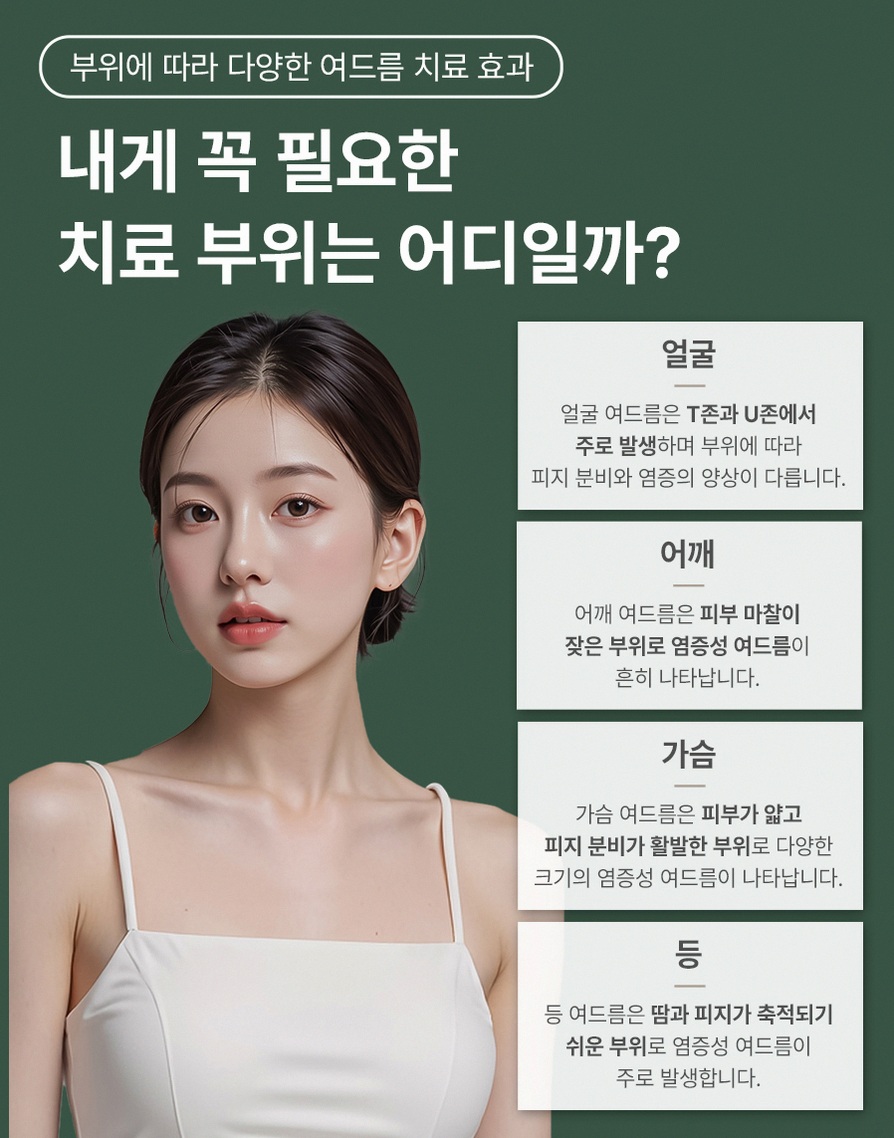
Treatment is usually layered. Medical therapy may include topical retinoids, antibacterial agents, anti‑inflammatory creams, or oral medications such as antibiotics or isotretinoin when indicated. These are combined with in‑clinic procedures like photodynamic therapy, fractional lasers, or radiofrequency devices. You also receive guidance on home care, including cleansers, moisturizers, and sun protection that match your skin condition.
For people whose main concern is the aftermath of acne, such as enlarged pores, atrophic scars, and uneven texture, a pore and scar program is available. This focuses more on collagen remodeling and surface refinement using fractional resurfacing, microneedle radiofrequency, and, when appropriate, scar fillers.
Program composition and the number of sessions are not sold as a fixed package in advance. They are customized after dermatologic examination, taking into account your acne severity, scar type, lifestyle, and how long you can stay in Korea if you are visiting from overseas.
Key devices and procedures used for acne and acne scars
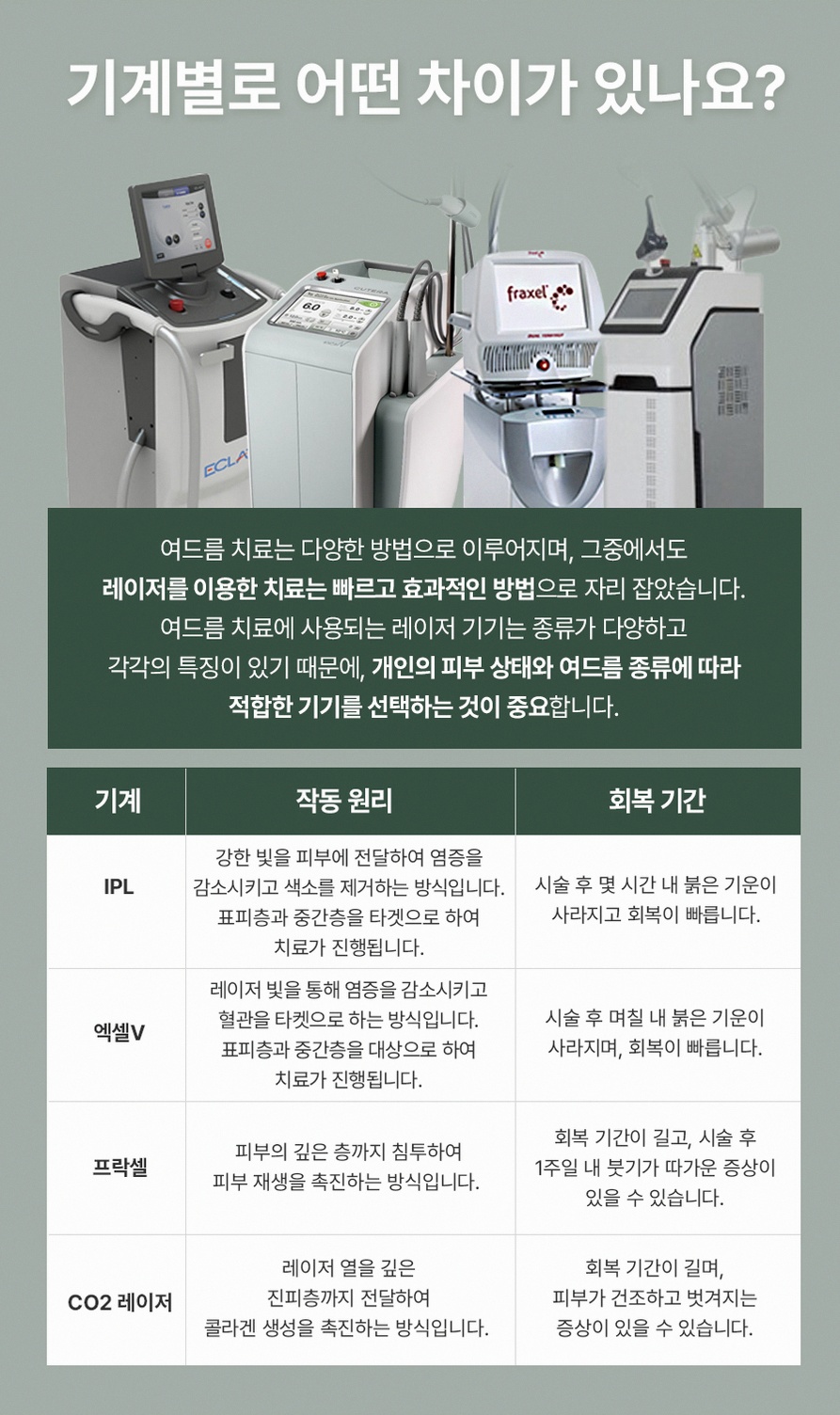
Photodynamic therapy, often abbreviated as PDT, is one of the options for inflammatory acne. A photosensitizing agent is applied to the skin and allowed to absorb into the pilosebaceous units. Then a specific light source activates the agent, helping to reduce sebaceous gland activity and the bacteria associated with acne. This can be useful for oily, inflammatory acne that has not responded well to topical care alone.
For acne scars and texture, fractional resurfacing is commonly used. ProFractional‑type lasers create microscopic columns of controlled injury in the skin, leaving surrounding tissue intact. This stimulates collagen production and gradual remodeling of atrophic scars. Devices like Legato 2 combine fractional energy with trans‑epidermal delivery of active substances, aiming to improve both texture and tone.
Secret RF is a microneedle radiofrequency device that delivers controlled thermal energy through fine needles into the deeper dermis. It is often chosen for deeper acne scars and enlarged pores, as it can remodel collagen at depth with relatively limited surface damage.
Gold photothermal therapy, sometimes called gold PTT, is listed among the clinic's device options for sebum control and inflammatory lesions — consult your dermatologist to learn how it works and whether it suits your case.
For certain deep, depressed scars that do not respond sufficiently to laser or radiofrequency alone, scar fillers may be used selectively. These can lift the base of a scar to make it less noticeable. Not every scar is suitable for this approach, so it is usually reserved for specific cases.
In all of these procedures, device choice, energy settings, and treatment intervals are determined directly by the dermatologists. They consider your skin type, history of pigmentation, downtime tolerance, and overall treatment goals before finalizing a plan.
Why dermatologist‑led care matters for acne
At this clinic, two dermatologists serve as co‑medical directors. Both are graduates of Kyung Hee University School of Medicine and external faculty members at Kyung Hee University Hospital Department of Dermatology. One medical director previously served as Head of Dermatology at the Presidential Medical Office in Seoul District Hospital and placed first in the first‑round national dermatology board exam. This background supports a high level of diagnostic and procedural precision, which is especially important for complex or treatment‑resistant acne.
The other medical director completed training at the UCI Beckman Laser Institute, a center known for research and education in laser medicine. This experience is directly relevant to careful parameter selection and the combination of multiple laser and radiofrequency devices for acne, redness, and scars.
Dermatologists can also manage systemic medications when needed. For example, oral isotretinoin, antibiotics, or hormonal approaches may be considered in certain patients. These treatments require monitoring of lab tests, side effects, and interactions with other medications, which is part of specialist care.
Another advantage is the ability to distinguish acne from conditions that look similar but require different strategies, such as rosacea, seborrheic dermatitis, or folliculitis. Treating these conditions as if they were simple acne can lead to poor results or worsening symptoms.
Both medical directors are active members of multiple dermatology societies, including those focused on acne, atopic dermatitis, psoriasis, vitiligo, hair disorders, lasers, and the American Academy of Dermatology. This ongoing involvement helps ensure that treatment protocols are based on current evidence rather than outdated habits.
Typical acne treatment flow at this clinic
For international patients, understanding the typical treatment flow can help you plan your visit to Korea and your time in Dongtan.
The process usually begins with an initial consultation. The dermatologist takes a detailed history, including when your acne started, known triggers, menstrual cycle patterns if relevant, cosmetic products, previous treatments, and any medications or medical conditions. A careful skin examination follows, with classification of acne severity and scar type.
Next comes treatment planning. The doctor explains the recommended combination of medications and procedures, such as PDT, fractional lasers, radiofrequency, and scar‑focused techniques. You receive an estimate of the number of sessions, approximate overall duration, and expected downtime after each type of procedure. For overseas visitors, the plan is often adjusted to fit within your stay, prioritizing what is most important to start in person.
In‑clinic sessions typically include gentle cleansing, possible comedone extraction when needed, device procedures, and post‑procedure calming care. The exact sequence depends on your program and skin response.
Home care guidance is an essential part of the process. You will be advised on which cleansers and moisturizers to use, how often to apply topical medications, and how to protect your skin from the sun. The dermatologist will also explain what to avoid, such as harsh scrubs, picking at lesions, or using certain active ingredients during healing periods.
Follow‑up visits are scheduled to review progress, adjust medication doses, and fine‑tune device intervals. Over time, the focus can shift from controlling active acne to refining scars and texture. For patients who must return home between sessions, online follow‑up may be used for general guidance, while in‑person procedures are planned for future visits.
The clinic provides treatment during regular hours: Monday to Thursday from 10:00 to 19:00, Friday from 10:00 to 20:00, and Saturday from 09:00 to 14:00. There is a lunch break from 13:00 to 14:00, and there are no consultations on Sundays or public holidays. International patients should keep these hours in mind when arranging flights and accommodations.
Safety, downtime, and realistic expectations
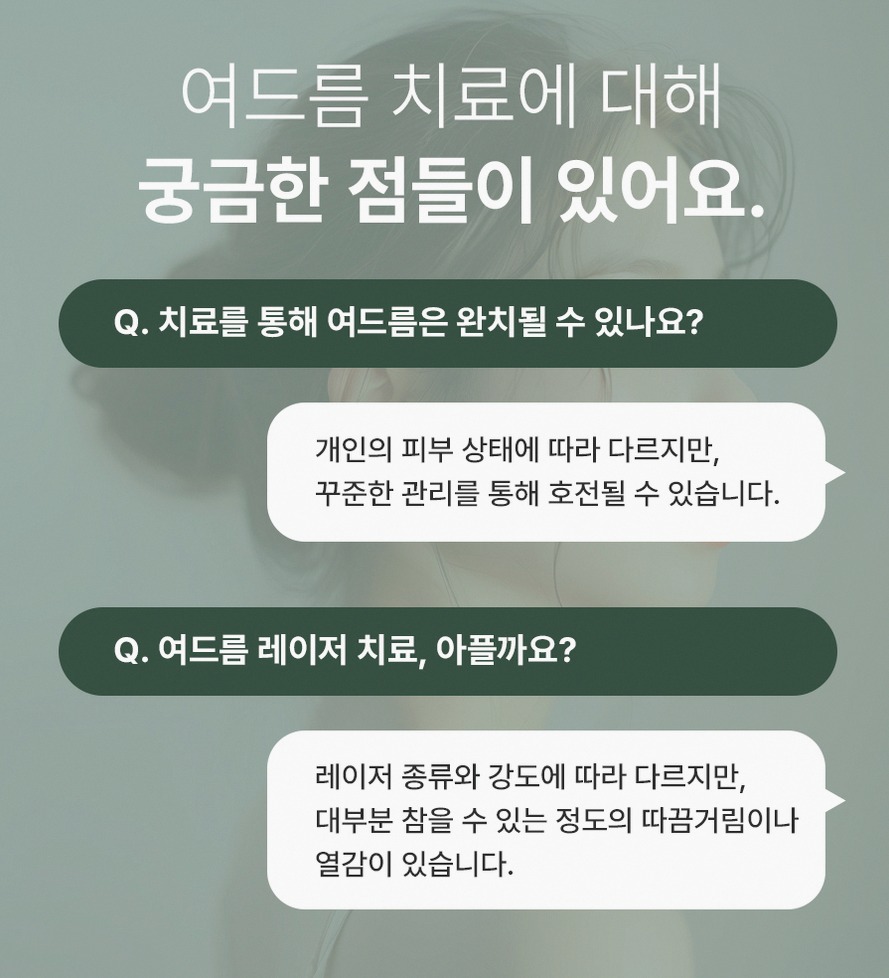
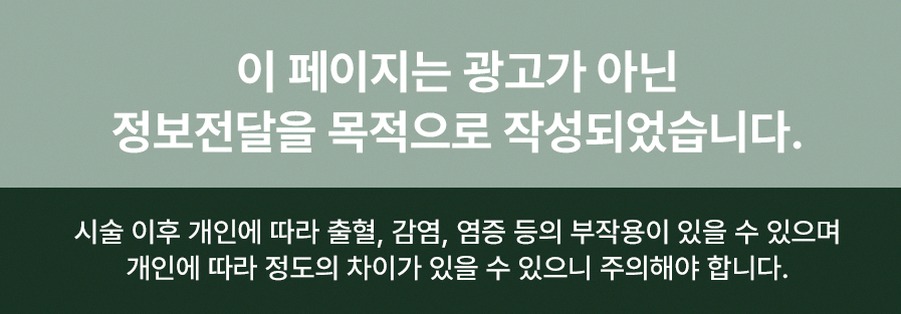
Acne and acne‑scar procedures, even when performed carefully, involve some temporary side effects. Common reactions include redness, swelling, dryness, and flaking. In some skin types, especially those prone to pigmentation, there may be transient darkening after laser or radiofrequency treatment. These effects usually improve over days to weeks, depending on the procedure depth.
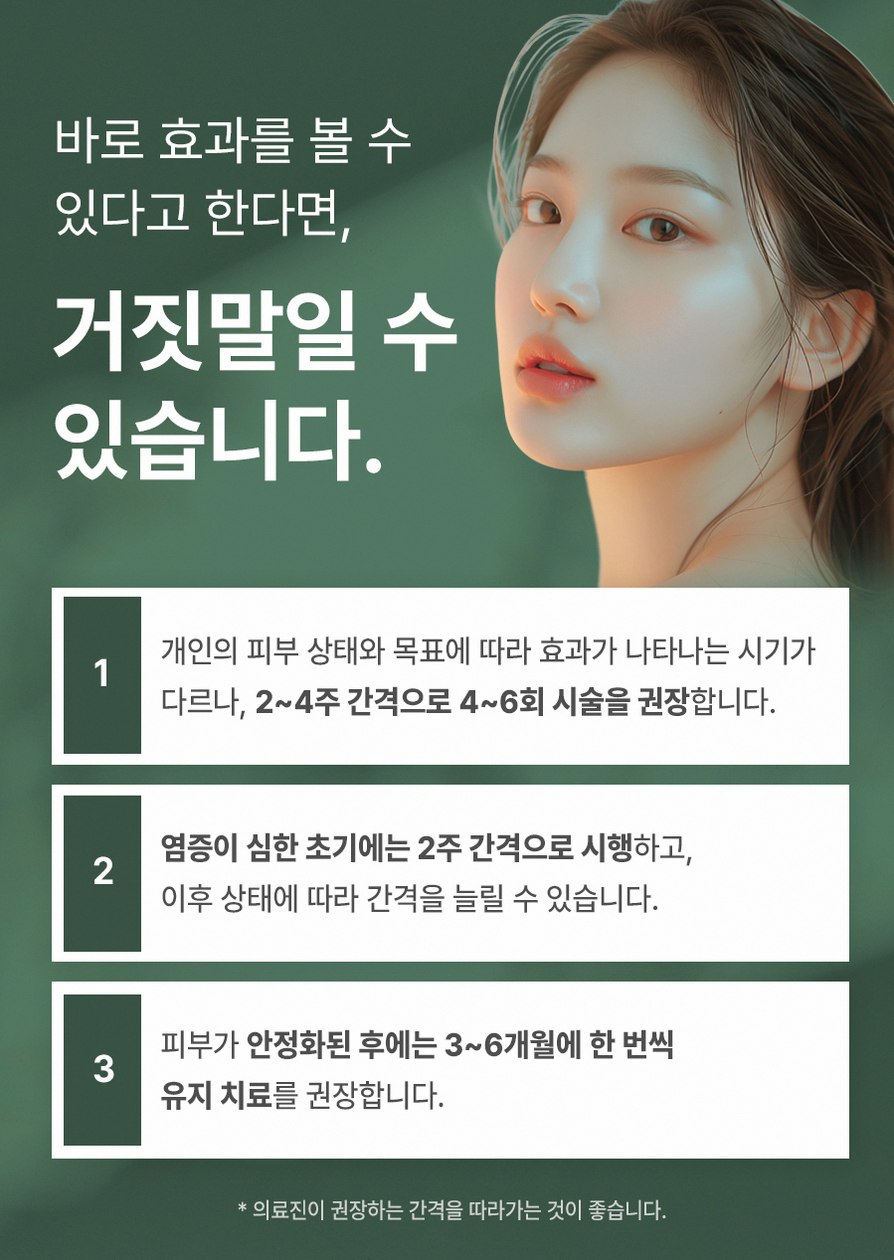
Severe acne and long‑standing scars rarely improve fully after a single session. Multiple treatments over several months are usually needed for noticeable and stable improvement. Setting realistic expectations at the beginning helps avoid disappointment and allows you to plan your schedule and budget.
This clinic publishes a non‑reimbursed price list online and uses genuine devices and consumables, which is relevant for safety and predictability. While prices are not listed here, you can review them directly once the list is available from 2026.
It is important to inform the dermatologist about pregnancy, breastfeeding, all medications and supplements, and any history of keloids, severe allergies, or photosensitivity. This information helps your doctor avoid contraindicated treatments and choose safer options.
Before‑and‑after photos for acne, redness, pigmentation, and scars are available to registered members on the clinic’s online board. These images can help you understand typical degrees of improvement. However, they should be viewed as examples rather than promises, because individual results vary.
Practical information for Dongtan residents and overseas visitors
The clinic is located on the third floor of a commercial building on Dongtan Daero Sibeom‑gil in Dongtan 2 New Town, Hwaseong, Gyeonggi Province. This area is accessible from major parts of the Seoul metropolitan region and is convenient for residents of Dongtan and nearby cities.
For local patients, Naver reservation is available on Wednesdays and Thursdays, which can help reduce waiting time. Overseas patients may arrange appointments in advance by contacting the clinic before their trip, allowing enough time for consultation and several sessions if needed.
Before your first visit, it is helpful to prepare a list of your current skincare products, including cleansers, toners, serums, and sunscreens, as well as any prescription creams or pills you are using. Bring information about previous acne treatments, such as past isotretinoin use, laser sessions, or chemical peels, and approximate dates. This background helps the dermatologist design a safe and efficient plan.
Remember that this article is for informational purposes only. Final diagnosis and treatment planning must be done face‑to‑face with the dermatologist after direct examination of your skin.
Online consultation and pre‑visit preparation for international patients
If you live outside Korea and are considering acne or acne‑scar treatment in Dongtan, an online consultation before your trip can save time. During an online consultation, you may be asked to provide clear, well‑lit photos of your face from different angles, without makeup. You may also be asked about your medical history, medications, and previous treatments.
Based on this information, the clinic can suggest a preliminary plan, including which procedures are likely to be suitable and how many sessions might be realistic during your stay. They can also advise on the minimum recommended length of stay in Korea for your goals, such as a short visit for initial assessment and mild procedures, or a longer stay for more intensive scar work.
For pre‑visit preparation, avoid starting new active skincare products such as strong acids or retinoids shortly before your trip, unless your doctor advises otherwise. This helps reduce the risk of unexpected irritation before procedures. If you are on oral medications for acne, discuss with your local doctor and the Korean dermatologist whether any adjustments are needed.
Expected Korea visit timeline for acne treatment
A common pattern for overseas patients is to schedule the first visit within a day or two of arriving in Korea. At this first appointment, you will have an in‑depth consultation, skin examination, and often your first in‑clinic treatment if there are no contraindications.
For a stay of one to two weeks, you may be able to receive several sessions of lower‑downtime procedures such as PDT, gentle fractional treatments, or microneedle radiofrequency at intervals of a few days, depending on your skin response. If you plan a longer stay, deeper scar treatments can be spaced with enough time for recovery.
After you return home, you can usually continue topical or oral medications prescribed at the clinic, if appropriate and legally permitted, and maintain communication for general guidance. On future trips to Korea, you can schedule additional sessions to build on previous results. Because acne and scars often require staged treatment, many international patients plan more than one visit over time.
Aftercare and long‑term maintenance
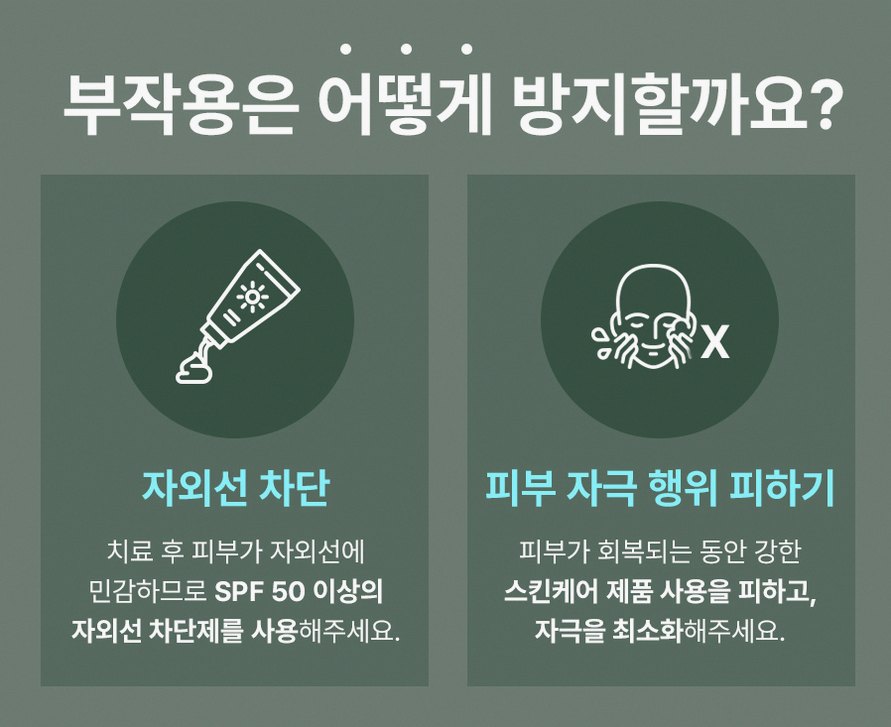
After each procedure, you will receive specific aftercare instructions. These often include gentle cleansing, frequent moisturizing, strict sun protection, and avoiding hot baths, saunas, or intense exercise for a short period. You may be advised not to apply makeup for a certain time after treatment, especially after deeper procedures.
Long‑term maintenance focuses on keeping acne under control and protecting the improvements gained from procedures. This may involve continued use of topical retinoids or other maintenance medications, regular sunscreen use, and avoiding known triggers such as heavy occlusive cosmetics or certain lifestyle factors.
The dermatologist may recommend periodic follow‑up visits, either in person when you are in Korea or via online consultation, to adjust your regimen. Because acne is influenced by hormones, stress, and genetics, occasional flare‑ups can still occur. Having an established relationship with a clinic that knows your skin can make it easier to manage these episodes promptly.
Frequently asked questions
How do I know if a Dongtan acne clinic is really good at treating acne?
A reliable acne clinic in Dongtan should have dermatology specialists, a structured approach to both acne and scars, and access to multiple appropriate devices such as PDT, fractional lasers, and radiofrequency. Look for clear explanations of benefits and side effects during consultation, not just promotional language. Transparent pricing and published information about the medical team and their society memberships are also helpful signs.
Can acne scars be improved at this clinic, or is it only for active breakouts?
This clinic treats both active acne and post‑acne scars. For scars, options include fractional resurfacing lasers, microneedle radiofrequency devices like Secret RF, and scar‑focused programs that may combine several techniques. In selected cases, scar fillers can be used for deep, depressed scars. The exact combination is tailored to the scar type, skin condition, and your downtime tolerance.
How many sessions are usually needed for acne treatment?
The number of sessions varies widely. Mild acne may improve within a few sessions combined with appropriate home care. Moderate to severe or long‑standing acne and scars often require several months of repeated treatments and follow‑up. During your consultation, the dermatologist will estimate a realistic range based on your current skin condition and how long you can stay in Korea.
Is there a lot of downtime after acne laser or radiofrequency treatments?
Most acne procedures cause temporary redness and mild swelling for a few days. Superficial treatments usually have shorter downtime, while deeper scar procedures may involve more noticeable redness, swelling, or flaking that can last longer. The dermatologist adjusts device settings and schedules based on your lifestyle, work or school commitments, and how much downtime you can accept.
Do I need a reservation to visit this Dongtan acne clinic?
Reservations are strongly recommended, especially if you are coming from overseas or have a tight schedule. The clinic offers Naver reservation on Wednesdays and Thursdays, which can help manage waiting times. Booking in advance also allows enough consultation time with the dermatologist and smoother coordination of multiple sessions during your stay.
Soft call to action for online consultation
If you are comparing options and looking for a dependable acne clinic in Dongtan that can address both active breakouts and scars, you may consider arranging an online consultation with Hus-hu Dermatology Clinic Dongtan before your visit. Sharing your skin photos and medical history in advance allows the medical team to outline a preliminary plan and suggest a realistic treatment schedule for your time in Korea.
With a structured, dermatologist‑led approach and multiple device options, this Dongtan center aims to provide step‑by‑step improvement rather than quick but temporary fixes. If you are ready to explore professional acne care in Korea, contacting the clinic for more detailed information and appointment availability is a practical next step.

- 공유 링크 만들기
- X
- 이메일
- 기타 앱


댓글
댓글 쓰기