Board-Certified Dermatologists in Dongtan: Online Consultation and Downtime Checklist for International Patients
- 공유 링크 만들기
- X
- 이메일
- 기타 앱

If you’re looking for a dermatologist in Dongtan, Hus-hu Dermatology Clinic Dongtan provides specialist care with two board-certified dermatologists trained at Kyung Hee University School of Medicine and Kyung Hee Medical Center. Their academic affiliations support treatment for chronic skin diseases, complex acne and scars, pigmentation issues, vascular redness, and advanced laser or lifting procedures.
This guide explains what board certification means in Korea, which conditions especially benefit from specialist care, how a Dongtan clinic like this is organized, and how international patients can prepare for a visit to Korea, from online consultation to aftercare.
Overview of dermatology care in Dongtan for overseas patients
Dongtan New Town in Hwaseong, Gyeonggi-do, has grown into a residential and business hub with convenient access from Seoul and Incheon Airport. For international patients, this location can be attractive because you can combine specialist medical care with relatively easy transportation and modern accommodation options.
In Dongtan, some dermatology clinics are led by board-certified dermatologists with university hospital and academic experience, not only general cosmetic centers. This means you can receive both medical dermatology for conditions like psoriasis, vitiligo, atopic dermatitis, and hair loss, and aesthetic procedures such as laser toning, lifting, and body treatments, under specialist supervision.
What board-certified dermatologist means in Korea
In Korea, the title of board-certified dermatologist has a specific meaning and training pathway.
A board-certified dermatologist has completed medical school, usually six years, followed by a one-year internship and a dermatology residency program, typically four years, in an accredited training hospital. During residency, the doctor manages a wide range of skin, hair, and nail diseases, learns to use lasers and energy-based devices, and gains experience with both medical and procedural dermatology.

After residency, the doctor must pass a national dermatology board examination. This exam evaluates knowledge of skin biology, diagnosis, medical and surgical treatments, and safe use of devices and medications. Only after passing this exam can the doctor be recognized as a board-certified dermatologist.
Why this matters for patients
For international patients, especially those with chronic or complex skin conditions, board certification is important for several reasons.
First, accurate diagnosis. Many skin conditions look similar on the surface. A specialist is trained to distinguish between psoriasis, eczema, fungal infections, drug rashes, autoimmune diseases, and other conditions that may require very different treatments.

Second, safe use of lasers and energy-based devices. Vascular lasers, fractional lasers, radiofrequency microneedling, and ultrasound-based lifting devices can be powerful tools, but they also carry risks such as burns, scarring, or pigmentation changes if used incorrectly. A dermatologist with formal training and academic exposure is more likely to select appropriate devices, energy settings, and treatment intervals for your skin type.
Third, management of side effects and long-term care. Chronic diseases like psoriasis, vitiligo, and atopic dermatitis require ongoing follow-up. Medications may need dose adjustments, combination therapies, or monitoring for possible adverse effects. Having the same dermatologist follow you over time can make your care safer and more consistent.
Key areas where specialist care is especially important
Psoriasis and vitiligo
Psoriasis and vitiligo are chronic immune-related skin diseases. They often require long-term planning rather than one-time procedures. Treatment can include topical medications, phototherapy, systemic drugs, or newer targeted therapies, depending on disease severity and your overall health.
A dermatologist who is a member of psoriasis and vitiligo academic societies is likely to be familiar with current guidelines, combination approaches, and realistic expectations. This is particularly helpful if you are coming from overseas and want to make the most of a limited time in Korea. The specialist can prioritize which tests and treatments are most appropriate during your stay and plan follow-up that can be coordinated with your local doctor at home.
Atopic dermatitis, eczema, and other inflammatory rashes
Atopic dermatitis and eczema can be influenced by climate, stress, and lifestyle changes, which many international patients experience when traveling. A board-certified dermatologist can assess whether your flare is related to atopic dermatitis, contact allergy, infection, or another cause, and adjust treatment accordingly.
Specialist care can also help you understand long-term skin barrier care, appropriate moisturizers, and how to use topical steroids or calcineurin inhibitors safely, which is important for patients who may not be able to return frequently.
Acne, scars, and enlarged pores
Acne is one of the most common reasons people seek dermatology care in Korea. However, effective acne treatment is more than a single laser session.

A dermatologist will first distinguish between active inflammatory acne, comedonal acne, post-inflammatory redness, post-inflammatory hyperpigmentation, and true scarring. Each of these may require different approaches: medical treatment with oral or topical medications, light-based therapies, gentle peels, or fractional devices.
For scars and enlarged pores, fractional lasers, radiofrequency microneedling, and scar fillers can be used in combination. A specialist will tailor the plan to your scar depth, skin type, and schedule. For overseas patients, this includes considering how much downtime you can tolerate before your flight home and how many sessions are realistic within your stay.
Redness, flushing, and vascular issues
Facial redness, flushing, and visible capillaries often require vascular lasers or other energy-based treatments. These devices need careful parameter selection, especially for darker or more reactive skin types.
A board-certified dermatologist will evaluate whether your redness is mainly due to rosacea, seborrheic dermatitis, post-acne erythema, or another cause. The treatment plan may combine vascular lasers, ultrasound-based skin management, topical medications, and lifestyle advice. This comprehensive approach helps reduce the risk of worsening redness or pigmentation.
Pigmentation and melasma
Pigmentation problems are a common reason for medical tourism in Korea. However, melasma and other pigment disorders can be easily over-treated.
A specialist will first confirm whether you have melasma, post-inflammatory hyperpigmentation, freckles, sunspots, or a mixture. Melasma, in particular, often responds best to conservative, staged treatment rather than aggressive high-energy sessions.

Multi-step programs may include laser toning, intense pulsed light or broadband light, topical creams, and transdermal delivery systems. The dermatologist will adjust energy settings and intervals to balance improvement with safety, aiming to avoid rebound or worsening pigmentation.
Lifting and anti-aging
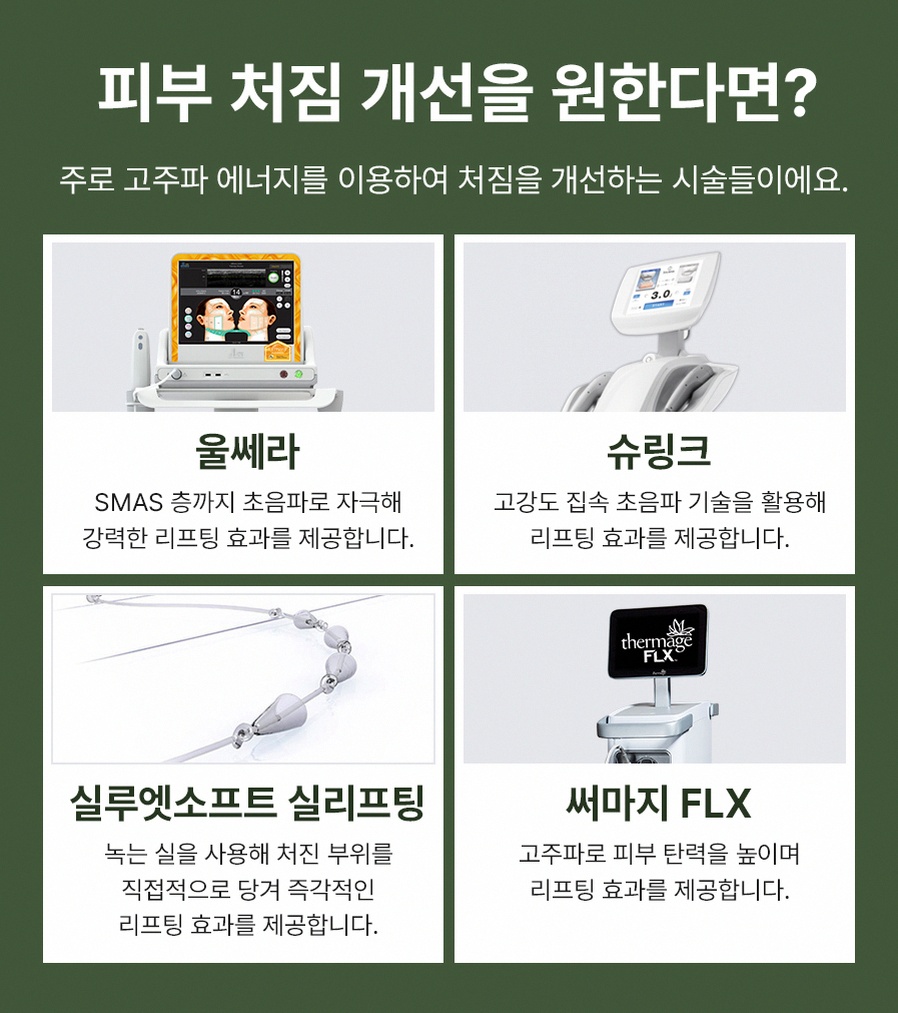
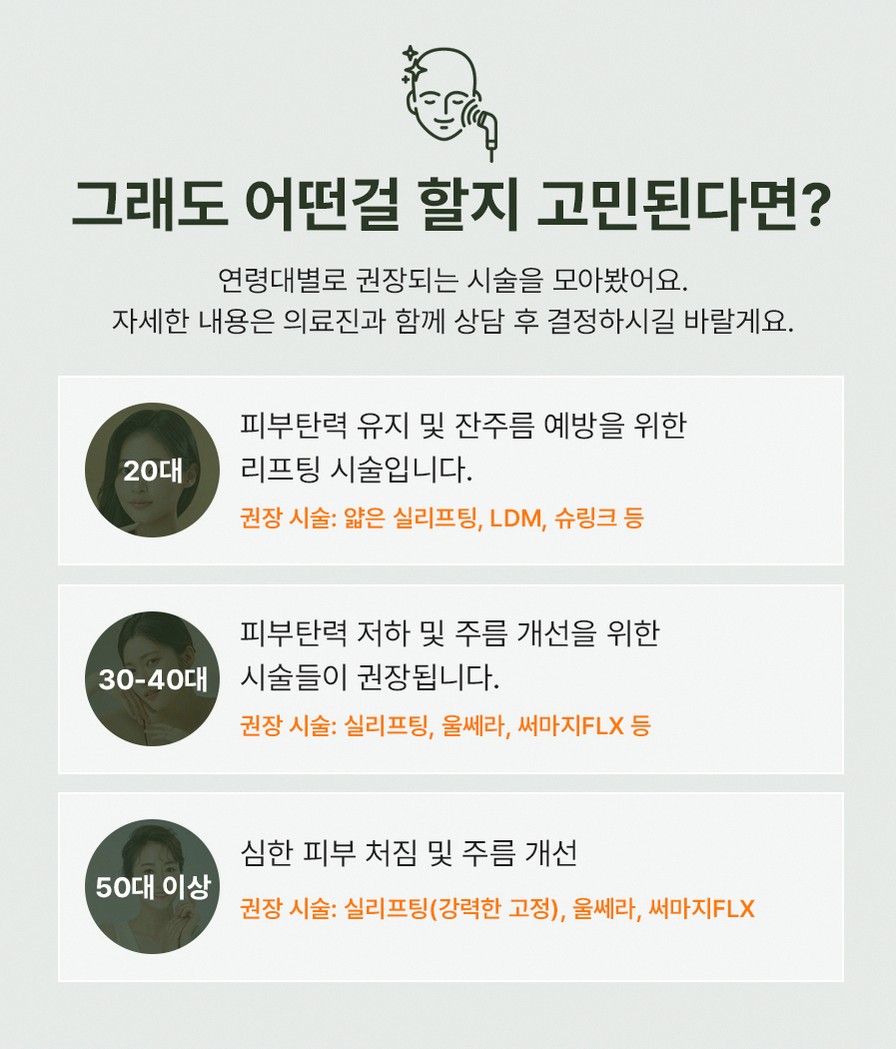
Non-surgical lifting and anti-aging treatments are another common reason international patients visit Dongtan. Options can include ultrasound-based lifting, radiofrequency tightening, thread lifting, injectable biostimulators, and contouring injections for the jawline or double chin.
When the dermatologist has additional training at a laser institute, such as the UCI Beckman Laser Institute, it supports a more evidence-based approach to device selection and energy settings. This can be especially reassuring for overseas patients who may have limited time and want procedures planned efficiently and safely.
Hair loss and scalp care
Hair thinning and alopecia often require detailed evaluation, including history, scalp examination, and sometimes blood tests. A dermatologist can distinguish between androgenetic alopecia, telogen effluvium, alopecia areata, and scarring alopecias.

Treatment may include topical solutions, oral medications, scalp procedures, or device-based therapies. For international patients, the specialist can design a plan that you can continue at home, with clear instructions for medications and follow-up.
Body dermatology and procedures
Body-related dermatology services often include stretch mark care, body hair removal, treatment for excessive sweating, and body botulinum toxin injections.
Even for these procedures, specialist assessment is valuable, especially if you have sensitive or reactive skin, a history of keloids, or underlying medical conditions. The dermatologist can adjust settings for hair removal devices, plan gradual treatment for stretch marks, and evaluate whether botulinum toxin for hyperhidrosis is appropriate for you.

Example of a board-certified dermatologist-led clinic in Dongtan
Hus-hu Dermatology Clinic Dongtan is an example of how a Dongtan clinic can be organized around board-certified dermatologists with strong academic backgrounds.
The clinic is led by two dermatologists who both graduated from Kyung Hee University School of Medicine and completed dermatology residency training at Kyung Hee Medical Center. Both serve as external dermatology faculty at Kyung Hee Medical Center, which means they remain involved in academic activities and are familiar with university hospital-level guidelines.
One representative dermatologist previously served as head of dermatology at the medical office of the presidential residence in Seoul and placed first in the first stage of the national dermatology board examination. This background can be reassuring for patients who value expertise, safety, and attention to detail.
The other representative dermatologist has completed training at the UCI Beckman Laser Institute, which supports the clinic’s focus on evidence-based use of lasers and energy-based devices. Both dermatologists are full members of major domestic dermatology societies and the American Academy of Dermatology. One is also a member of psoriasis and vitiligo societies, aligning with the clinic’s emphasis on these chronic conditions.

In daily practice, the two dermatologists directly consult with patients and perform or supervise key procedures. The system is similar to a university hospital outpatient setting, where the same specialist follows your case over time, especially for chronic diseases.
The clinic offers a comprehensive lineup: medical dermatology for psoriasis, vitiligo, atopic dermatitis, and other rashes; vascular and redness care; acne and scar programs; pigmentation and melasma care; lifting and anti-aging; hair loss and scalp care; and body treatments such as stretch marks, hair removal, and hyperhidrosis.
Systems and operation for patient convenience
The clinic is located on the 3rd floor of a medical and commercial building in Dongtan New Town, Hwaseong, making it accessible for local residents and commuters. For international patients staying in nearby hotels or serviced apartments, it is generally easy to reach by public transport or taxi.

Operating hours usually cover weekday daytime, with extended hours on Friday, and Saturday morning to early afternoon sessions. There is a designated lunch break, and the clinic is closed on Sundays and public holidays. This schedule allows overseas visitors to plan appointments around sightseeing or business commitments.
Online reservation is available on Wednesdays and Thursdays via Naver, which can be convenient for working professionals and international patients who prefer to secure a time slot before traveling. You can also call the clinic to make an appointment or confirm scheduling; this reflects the clinic's current schedule.
The clinic posts non-insured treatment fees according to current regulations, supporting cost transparency. Before-and-after photos are available to registered members, which provides realistic examples while protecting patient privacy.

Who may consider seeing a board-certified dermatologist in Dongtan
International patients who may benefit from visiting a Dongtan board-certified dermatologist include those who:
Have chronic skin diseases such as psoriasis, vitiligo, or atopic dermatitis and want a specialist review of their current treatment plan.
Have persistent or scarring acne, or noticeable acne scars and enlarged pores, and wish to combine medical treatment with procedural care.
Struggle with facial redness, flushing, or visible vessels that have not responded well to basic skincare.
Have melasma or complex pigmentation and are concerned about the risk of worsening with inappropriate treatment.
Are interested in non-surgical lifting, contouring, or anti-aging procedures with careful device and injection planning.
Experience hair thinning or hair loss and want a structured evaluation and long-term plan.
Want body treatments such as stretch mark care, hair removal, or hyperhidrosis management, guided by a dermatologist.
Online consultation and pre-visit preparation
Before traveling to Korea, it is helpful to arrange an online or remote consultation if possible. This may be done via email, messaging, or video, depending on the clinic’s system.
To prepare, you can gather the following information:
Clear photos of the affected areas in good lighting, without heavy makeup or filters.
A brief medical history, including current medications, allergies, past skin treatments, and any history of keloids or abnormal scarring.
Previous test results or biopsy reports, if you have them.
Your main goals and time frame in Korea, for example, how many days you will stay and whether you can return for follow-up.
During the online consultation, you can ask about possible treatment options, estimated number of sessions, expected downtime, and how much care can realistically be completed during your visit. This helps avoid misunderstandings and allows the dermatologist to plan a schedule that fits your itinerary.
Expected Korea visit timeline for dermatology care
The exact schedule will depend on your condition and goals, but a typical timeline for an overseas patient might look like this.
Day 1: In-person consultation and baseline assessment. The dermatologist reviews your history, examines your skin in detail, and may perform basic tests or photographs. For some conditions, initial treatments such as topical prescriptions, simple procedures, or mild laser sessions may start on the same day.

Days 2–7: Treatment sessions and monitoring. For acne, redness, or pigmentation, sessions may be spaced a few days apart. For more intensive procedures like fractional resurfacing or thread lifting, the dermatologist may plan them earlier in your stay to allow for initial recovery before your flight.
Day 7–10 or later: Final check before departure. The dermatologist reviews your response, adjusts home care instructions, and provides written guidance for aftercare and any medications you will continue at home.
For shorter trips, the plan may focus on thorough evaluation, optimization of medical therapy, and one or two key procedures that fit your schedule and downtime tolerance.

Aftercare and follow-up from overseas
After you return home, proper aftercare is essential.
The clinic will usually provide written instructions for skincare, sun protection, and use of prescribed products. For procedures like lasers, lifting, or injections, you may receive specific timelines for when redness, swelling, or minor bruising should improve, and what signs should prompt you to contact the clinic.
If possible, arrange a remote follow-up appointment a few weeks or months after your visit. You can send updated photos and report any changes in symptoms. The dermatologist may adjust your regimen or recommend when to consider another visit.
How to choose the right dermatologist in Dongtan: practical checklist
When comparing dermatology options in Dongtan, you can use the following checklist.

Confirm board certification. Check whether the doctor is a board-certified dermatologist, not just a general practitioner. Clinic websites and profiles usually state this clearly.
Review academic and clinical background. Look for information about medical school, residency training hospital, and any university hospital or academic appointments. External faculty roles and society memberships (including international ones such as the American Academy of Dermatology) are positive signs.
Match expertise to your concern. If you have psoriasis or vitiligo, check whether the dermatologist is active in related societies or mentions special interest in these diseases. For laser and lifting, training at recognized laser institutes and experience with various devices are helpful indicators.
Evaluate transparency. See whether the clinic posts non-insured treatment fees according to regulations and explains what is included in each program. Confirm that before-and-after photos are used with privacy protection.
Check continuity of care. Ask whether you will see the same dermatologist at each visit and whether they personally supervise key procedures.
Clarify communication options. For international patients, it is important to know whether the clinic can communicate in English or through a coordinator, and whether remote follow-up is available.

Before your first consultation, you may want to write down specific questions, such as:
Which diagnosis best explains my symptoms, and are there any alternative possibilities?
What are the main treatment options, and what are the pros and cons of each?
How many sessions are typically needed, and what is the usual interval between them?
What kind of downtime or lifestyle restrictions should I expect?
How can I continue care when I return to my home country?
Using a checklist like this can help you focus on safety, expertise, and long-term planning rather than only short-term results.
Soft call to action for online consultation
If you are considering dermatology treatment in Dongtan and want specialist-led care, you can explore clinics where board-certified dermatologists with university hospital and academic backgrounds directly manage your case. Hus-hu Dermatology Clinic Dongtan is one such option, offering comprehensive medical and aesthetic dermatology services under the supervision of two board-certified dermatologists.

Before you book flights, consider arranging an online consultation to discuss your condition, available treatments, and a realistic schedule for your stay in Korea. With clear communication and careful planning, you can make your visit more efficient, safe, and aligned with your long-term skin health goals.

- 공유 링크 만들기
- X
- 이메일
- 기타 앱


댓글
댓글 쓰기