Choose Dermatology-Led Ultherapy for Overseas Patients
- 공유 링크 만들기
- X
- 이메일
- 기타 앱
Direct answer for people searching Ultherapy in Dongtan
If you are looking for Ultherapy in Dongtan, you will find several options, but the most important point is to choose a dermatology-led lifting center that uses genuine devices and plans treatment individually. In Dongtan 2 New Town, clinics such as Hus-hu Dermatology Clinic Dongtan provide Ultherapy as part of a structured laser and lifting program, which can be helpful for international patients who want safe, non-surgical lifting with minimal downtime.
This guide explains what Ultherapy is, who may benefit, how to choose a trustworthy clinic in Dongtan, what to expect during your visit to Korea, and how to prepare from overseas.
Overview of Ultherapy for face and neck
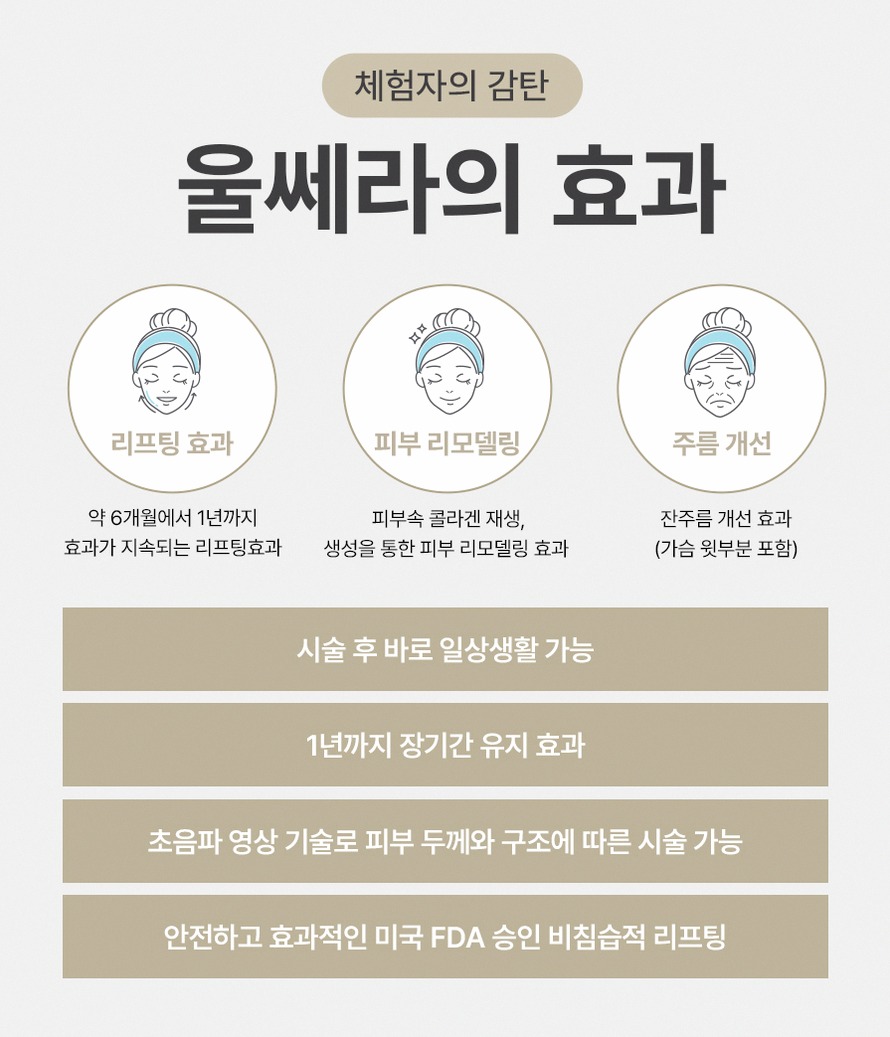
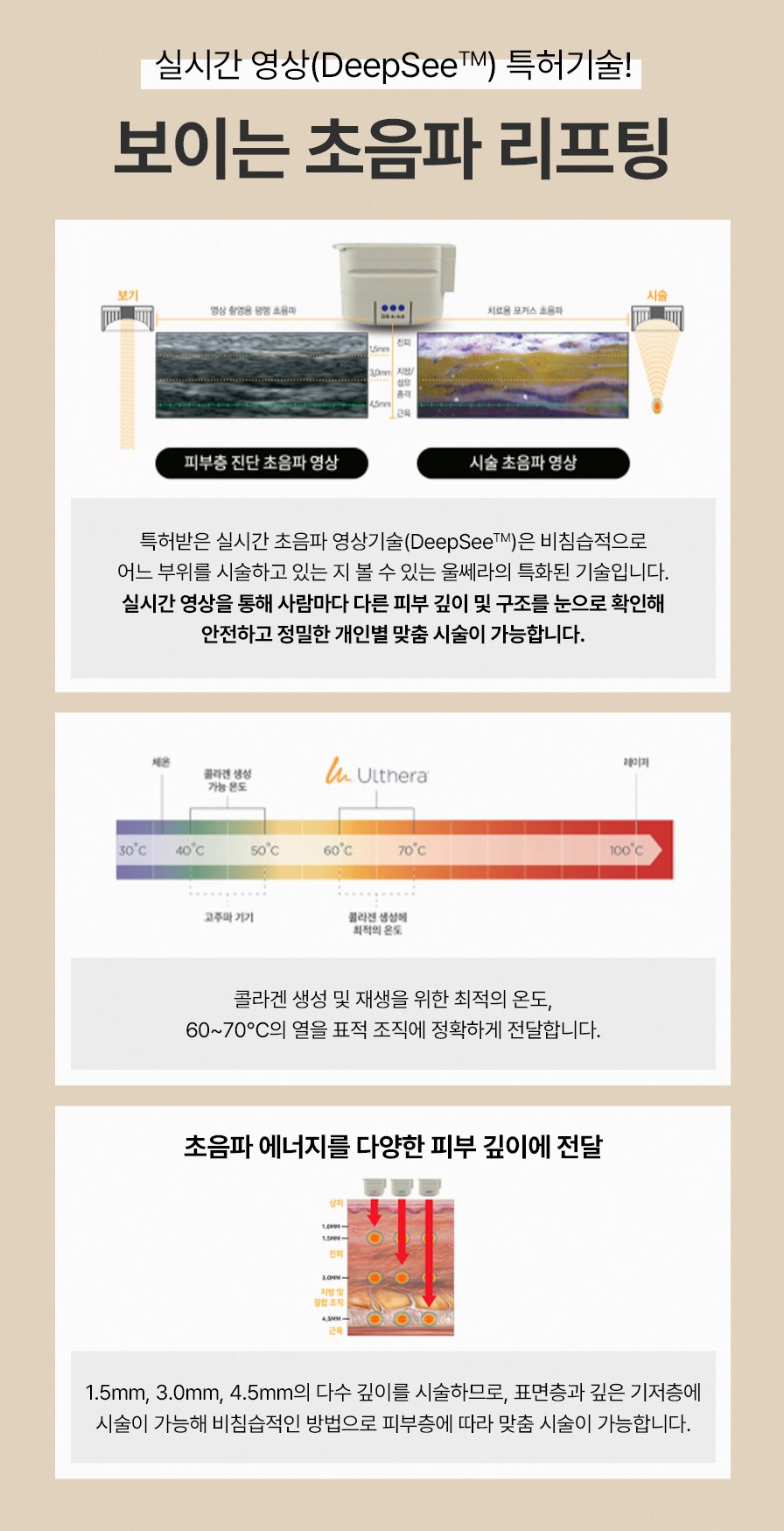
Ultherapy is a non-surgical lifting procedure that uses focused ultrasound energy. The device delivers heat to deep layers of the skin, including the SMAS layer and deep dermis. These are the same layers that are tightened in surgical facelifts, but Ultherapy does it without incisions.
By heating these layers in a controlled way, Ultherapy stimulates collagen remodeling. Over time, new collagen forms and existing collagen fibers tighten. This can improve sagging around the jawline, cheeks, and neck, and can give a subtle lifting effect to the brows.
Typical treatment areas include the full face, jawline, double chin, and neck. Some patients also receive focused treatment around the nasolabial folds or for a brow lift effect. Because the energy is delivered below the surface, it is generally suitable for most skin types.
Results are not instant in the way that fillers are. You may notice some immediate tightening from tissue contraction, but the main improvement usually appears gradually over 2 to 3 months, with many patients seeing peak effect around 3 to 6 months. Depending on your skin and aging speed, maintenance is often recommended every 1 to 2 years.
Clinics in Dongtan may describe their approach as three-dimensional or 3D Ultherapy. This means they consider not only the area of treatment, but also the depth and the direction of lifting vectors. In practice, this involves adjusting the cartridge depth and shot pattern according to skin thickness, fat distribution, and desired lifting direction.
Who may consider Ultherapy in Dongtan
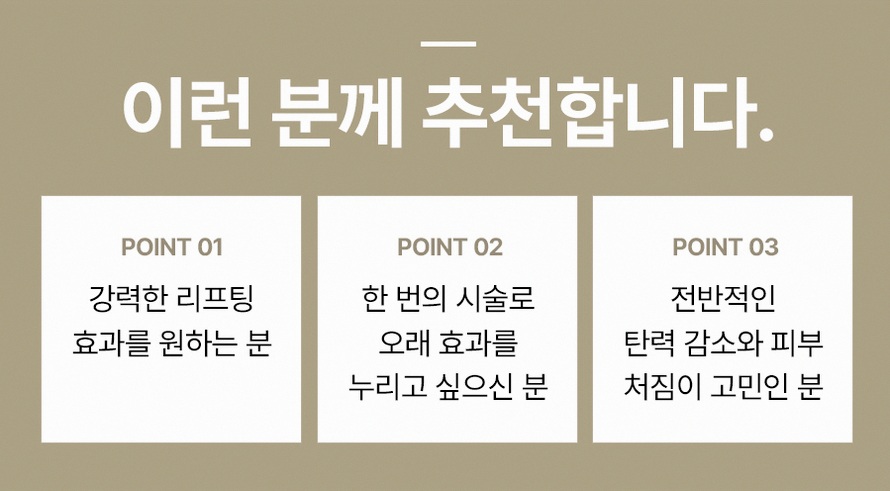
Ultherapy is usually considered by adults in their late 20s to 50s who notice early signs of sagging but do not want surgery. It is especially suitable for people with mild to moderate laxity.
Common concerns include early jowl formation, softening of the jawline, mild double chin, and neck laxity or fine lines. If your main issue is skin quality rather than sagging, your doctor may suggest combining Ultherapy with other treatments such as radiofrequency tightening or skin rejuvenation lasers.
Ultherapy can be used on most skin types because it targets deeper layers rather than the surface pigment. However, specialist evaluation is important in cases of very thin skin, severe laxity, or significant volume loss. In those situations, Ultherapy alone may not be enough, and a combination with thread lifting, volume restoration, or other devices might be more appropriate.
For patients with heavy lower faces or advanced sagging, your dermatologist may explain that expectations should be conservative. They may recommend combining Ultherapy with thread lifting, Thermage FLX, or injectable contouring under the chin to achieve a more balanced result.
How to choose a reliable Ultherapy clinic in Dongtan
When you search for Ultherapy in Dongtan, you will see many advertisements. Instead of focusing only on price or the number of shots, it is safer to check the following points.

First, confirm that a board-certified dermatologist is directly involved in planning and performing or supervising the procedure. In Dongtan, some clinics are led by dermatology specialists with university-hospital backgrounds and experience teaching residents. This usually means they are familiar with both aesthetic procedures and medical skin conditions.
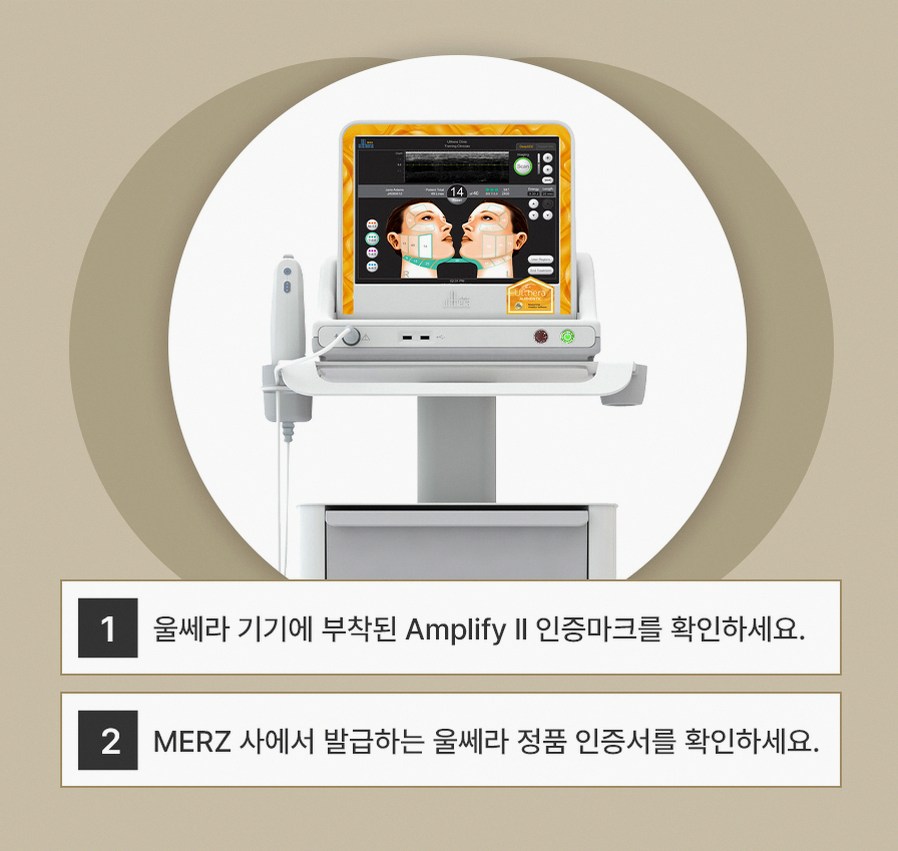
Second, ask whether the clinic uses genuine Ultherapy equipment from the original manufacturer. Authentic devices have specific safety standards and energy delivery profiles. A trustworthy clinic will explain which device they use and how many lines or shots are planned for your case, rather than just promoting a vague lifting package.
Third, look for a clinic that offers a broad lifting and laser lineup, such as Ultherapy, Thermage FLX, Shurink, SkinTyte, Onda lifting, and thread lifting options. When a clinic has multiple devices and techniques, they can recommend the most suitable combination for your skin rather than pushing one device for everyone.
Finally, pay attention to the quality of the consultation. A detailed consultation should include assessment of skin thickness, degree of sagging, fat distribution, and facial asymmetry. The doctor should discuss pain control options, realistic expectations, possible side effects, and post-care instructions. For overseas patients, it is also helpful if the clinic can provide explanations in English and share photo documentation for your records.
Ultherapy at a dermatology-led lifting center in Dongtan
In Dongtan 2 New Town, Hus-hu Dermatology Clinic Dongtan is located on the 3rd floor of Port Central City on Dongtan-daero Sibeom-gil. The clinic focuses on laser, lifting, and anti-aging procedures, including Ultherapy and Thermage.
The medical team structure includes two representative directors who are board-certified dermatologists. Both graduated from Kyung Hee University School of Medicine and completed dermatology residency at the same university hospital. They also serve as outpatient teaching faculty in the dermatology department at Kyung Hee University Medical Center, which reflects university-hospital level standards in daily practice.
One of the representative directors previously served as head of dermatology at the Blue House medical office in Seoul and placed first in the first-stage national dermatology board examination. This background is relevant for precision procedures like Ultherapy, where accurate energy delivery and anatomical understanding are important.
The other representative director completed training at the UCI Beckman Laser Institute in the United States. This institute is known for research and clinical use of energy-based devices. That experience supports expertise in using devices such as Ultherapy, Thermage FLX, and various laser platforms.
At this type of dermatology-led clinic, Ultherapy is usually part of a structured lifting program. Depending on your needs, it may be combined with Thermage FLX for surface tightening, Shurink or SkinTyte for additional tightening, Onda lifting for body or localized fat, and thread lifting such as Mint Lift or Silhouette Soft when more mechanical lifting is needed.
Because the clinic also manages complex skin conditions like acne, scars, vascular issues, and pigmentation with devices such as Vbeam Perfecta, GentleMax Pro, BBL, Fotona laser toning, Secret RF, and fractional lasers, they are used to fine-tuning parameters and managing sensitive or reactive skin. This experience can be helpful when planning Ultherapy for patients with redness, rosacea, or previous laser history.
What to expect before, during, and after Ultherapy
Before treatment, you will have a consultation with the dermatologist. For overseas patients, it is useful to send photos in advance so the doctor can pre-assess whether Ultherapy is appropriate. During the in-person visit, they will examine your face and neck, discuss your main concerns, and explain the treatment plan.
Pre-treatment steps often include medical photography from several angles, skin cleansing, and marking of treatment areas. The doctor or staff will explain which areas will be treated, how many lines or shots are planned, and what kind of lifting effect you can expect over time. Pain control options may include topical anesthetic cream, oral pain medication, or cooling methods, depending on your sensitivity and clinic policy.
During the procedure, ultrasound gel is applied to the skin. The Ultherapy handpiece is placed on the treatment area, and in some modes, real-time ultrasound imaging is used to visualize the tissue layers. You may feel brief bursts of heat and tingling or a deep ache along the jawline and cheek when the energy is delivered. The level of discomfort varies from person to person, but it is usually temporary and limited to the moment of energy delivery.
A typical full face and neck session may take around 45 to 90 minutes, including preparation time. Smaller areas such as brow or partial lower face can be shorter.
Immediately after treatment, mild redness, swelling, or tenderness are common and usually settle within a few hours to a few days. Some patients experience temporary numbness or slight bruising along the jawline. Most people are able to return to daily activities right away, which is why Ultherapy is popular among busy office workers in Dongtan and visiting professionals.
Post-care instructions usually include gentle skincare, avoiding very hot saunas or aggressive facial treatments for a short period, and using sunscreen daily. The lifting and tightening effect will develop gradually, so it is important to have realistic expectations and understand that Ultherapy is a collagen-stimulating process rather than an instant transformation.
Ultherapy vs Thermage and other lifting options
Ultherapy and Thermage FLX are both non-surgical tightening procedures, but they use different types of energy and target slightly different layers.
Ultherapy uses focused ultrasound to reach the SMAS and deep dermis, which are deeper structures responsible for lifting. It is often chosen when the main goal is structural lifting of the lower face, jawline, and neck.
Thermage FLX uses radiofrequency energy that primarily targets the dermis and subcutaneous tissue. It tends to improve skin tightness and texture, fine lines, and overall firmness, especially in patients with mild laxity and surface crepiness.
In some cases, dermatologists in Dongtan recommend combining Ultherapy and Thermage FLX. Ultherapy can address deeper lifting, while Thermage supports surface tightening and texture. This combination can be helpful for patients who want a more comprehensive non-surgical approach.
Thread lifting options such as Mint Lift or Silhouette Soft can be added when more visible mechanical lifting is needed, especially for jowls or marionette areas. Injectable options like Rejuran, anti-aging injections, or fat-dissolving injections under the chin can be used to refine contour and support skin quality.
A key advantage of visiting a clinic with a wide range of devices and injectables is that the doctor can design a tailored plan rather than forcing a single procedure. For example, a patient with early jowls and good skin thickness may do well with Ultherapy alone, while a patient with thin skin and volume loss might need a combination of Ultherapy, skin boosters, and careful volume correction.
Online consultation and pre-visit preparation for overseas patients
If you are planning to travel to Dongtan, Hwaseong, for Ultherapy, online consultation is an efficient first step. Many clinics provide online or messaging-based consultations, and some, including Hus-hu Dermatology Clinic Dongtan, offer Naver online reservation on specific weekdays such as Wednesdays and Thursdays.
Before contacting the clinic, prepare the following information:
Your age and main concerns, such as jawline sagging, double chin, or neck lines.
Clear photos of your face and neck from the front, 45-degree angles, and side views under natural light.
History of previous procedures, including fillers, thread lifting, lasers, or surgery.
Any medical conditions, medications, or allergies, especially related to skin or connective tissue.
When you contact the clinic, you can ask:
Whether Ultherapy is likely to help your specific concerns.
If they recommend combination treatment with Thermage, threads, or injectables.
How many days in Korea they suggest for consultation, treatment, and follow-up.
What kind of aftercare is needed and whether remote follow-up is possible once you return home.
This preparation helps the medical team give you a more accurate preliminary opinion and allows you to plan your travel schedule more confidently.
Expected Korea visit timeline for Ultherapy in Dongtan
For most overseas patients, a short visit is sufficient for Ultherapy, but it is wise to allow some flexibility in your schedule.
A common timeline might look like this:
Day 1: Arrival in Korea and transfer to Dongtan. Rest, adjust to time zone, and review your questions for the clinic.
Day 2: In-person consultation and skin assessment. If both you and the doctor agree, Ultherapy can often be performed on the same day after consent and preparation.
Day 3: Light check-up if needed, or free day for sightseeing and rest. Most patients can move around normally, with only mild tenderness or swelling.
Day 4–5: Optional follow-up visit if you are combining Ultherapy with other procedures or if you have sensitive skin and prefer closer monitoring.
If your schedule is tight, some clinics can arrange consultation and treatment on the same day, but it is still better to keep at least one extra day in case your treatment plan changes after the in-person examination.
Aftercare and long-distance follow-up
After Ultherapy, you can usually return to your hotel or daily activities immediately. For the first few days, you may feel mild soreness along the jawline or when touching the treated areas. This is generally manageable without strong pain medication.
You should avoid harsh scrubs, strong chemical peels, or intense facial massages for a short period, as advised by your doctor. Gentle cleansing, moisturizing, and consistent sun protection are recommended. If you are combining Ultherapy with other procedures, such as Thermage or injectables, the clinic will give you a customized aftercare plan.
Because you will likely return to your home country before the full results appear, it is useful to take your own reference photos at 1 month, 3 months, and 6 months after treatment. Many clinics are open to remote follow-up via email or messaging, where you can send photos and ask about your progress.
If you experience unusual pain, prolonged numbness, or visible asymmetry, you should contact the clinic promptly. Clinics with experience in complex skin conditions and energy-based devices are generally prepared to advise on these issues and coordinate care if needed.
Frequently asked questions about Ultherapy in Dongtan
How long does one Ultherapy session take and how often is it needed?
A typical Ultherapy session for the full face and neck usually takes around 45 to 90 minutes, including preparation and marking. Smaller areas such as brow lift or partial lower face can be completed more quickly. Most patients receive Ultherapy once and then monitor their results over several months. Depending on your age, skin condition, and lifestyle, maintenance is often suggested every 1 to 2 years, but the exact interval should be decided in consultation with your dermatologist.
Is Ultherapy painful and what pain control methods are available?
Pain perception varies, but many people describe Ultherapy as brief bursts of heat or deep tingling when the energy is delivered. Sensitive areas such as the jawline can feel more intense. Clinics in Dongtan commonly use topical anesthetic cream before the procedure and may offer oral pain medication or cooling methods. During consultation, you can discuss your pain tolerance and any previous experiences with procedures so the doctor can plan appropriate pain control.
Can Ultherapy be combined with fillers, Botox, or Rejuran?
Yes, Ultherapy is often combined with other treatments for a more comprehensive anti-aging plan. For example, Ultherapy can provide structural lifting, while fillers restore lost volume, Botox softens dynamic wrinkles, and Rejuran or other skin boosters improve skin quality. The order and timing of these treatments should be carefully planned by your dermatologist to avoid interference with collagen remodeling and to minimize the risk of side effects. It is important to share your full treatment history and future plans during consultation.
What are the main side effects and how are they managed?
Common short-term side effects include redness, mild swelling, tenderness, and temporary numbness or tingling in the treated areas. These usually resolve on their own within days to weeks. Rarely, bruising or more noticeable nerve-related symptoms can occur. Dermatology specialists with experience in energy-based devices are trained to adjust parameters according to skin thickness and anatomy, which helps reduce risk. If any unusual symptoms appear, you should contact the clinic promptly so they can assess and guide appropriate management.

How can I schedule a consultation for Ultherapy in Dongtan from overseas?
You can usually start by contacting the clinic through their website, email, or messaging platforms. Some clinics, including Hus-hu Dermatology Clinic Dongtan, provide Naver online reservation on specific weekdays such as Wednesdays and Thursdays. When you reach out, include your age, main concerns, and clear photos of your face and neck. You can also share your preferred travel dates so the clinic can suggest a suitable schedule for consultation and treatment.
Soft call to action for online consultation
If you are considering non-surgical lifting in Dongtan and want a specialist-led approach to Ultherapy, it can be helpful to begin with an online consultation. By sharing your concerns and photos in advance, you allow the dermatology team to evaluate whether Ultherapy, Thermage, or a combination plan is more suitable for you.
Before you decide, prepare your questions about device type, shot plan, pain control, expected timeline, and aftercare. A clinic that answers these points clearly and transparently is more likely to provide safe, individualized care during your visit to Korea.

- 공유 링크 만들기
- X
- 이메일
- 기타 앱


댓글
댓글 쓰기