Clinic Checklist & Travel Plan for International Patients
- 공유 링크 만들기
- X
- 이메일
- 기타 앱
Direct answer summary
If you are looking for a thread lifting option in Dongtan and prefer a minimally invasive alternative to surgery, thread lifting can address mild-to-moderate sagging of the cheeks, nasolabial folds, and an early double chin. The procedure places dissolvable threads under the skin to lift and support tissues while stimulating collagen production over time. Dermatology clinics in Dongtan, including Hus-hu Dermatology Clinic Dongtan, combine thread lifting with energy-based devices when appropriate so dermatologists can tailor the plan as part of a broader anti-aging strategy. In short, thread lifting is a less invasive option with shorter recovery for selected patients when performed by experienced dermatologists.
This guide explains what thread lifting is, who it may suit, how it compares with other lifting methods, what to check when choosing a clinic in Dongtan, and how an overseas patient can plan a visit to Korea for this procedure.
What is thread lifting
Thread lifting is a minimally invasive facial lifting procedure that uses fine, dissolvable threads inserted under the skin. These threads mechanically lift sagging tissue and also trigger a collagen response as the material slowly dissolves.
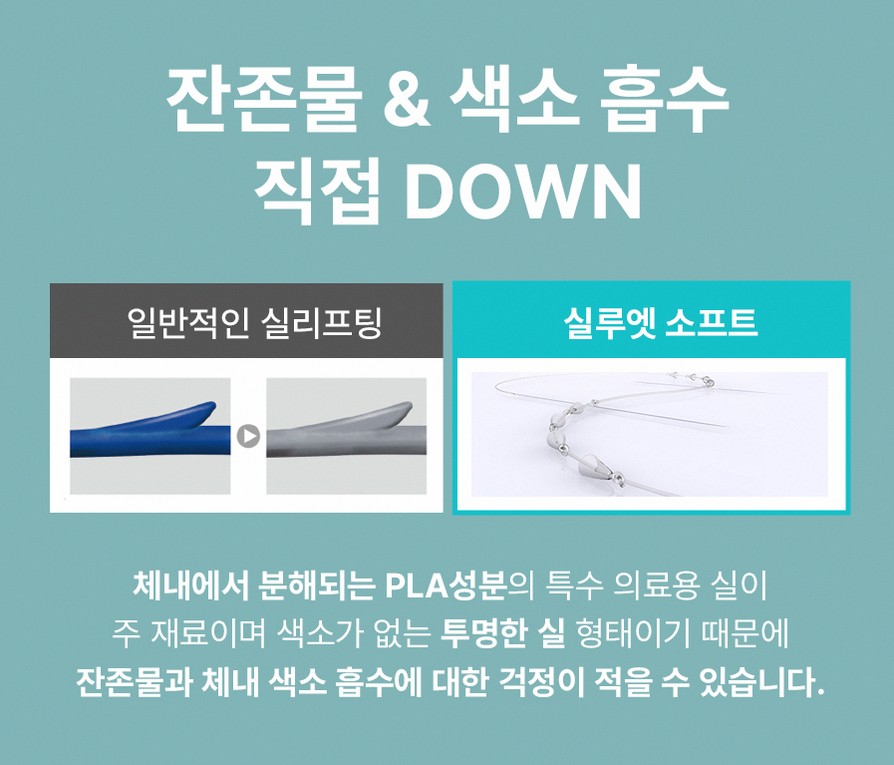
Most modern threads are made from materials such as PDO or similar biocompatible substances that the body gradually absorbs. The threads are placed through small entry points using a needle or cannula. Once positioned, they anchor into the tissue and are gently tightened to reposition the skin and deeper soft tissue.
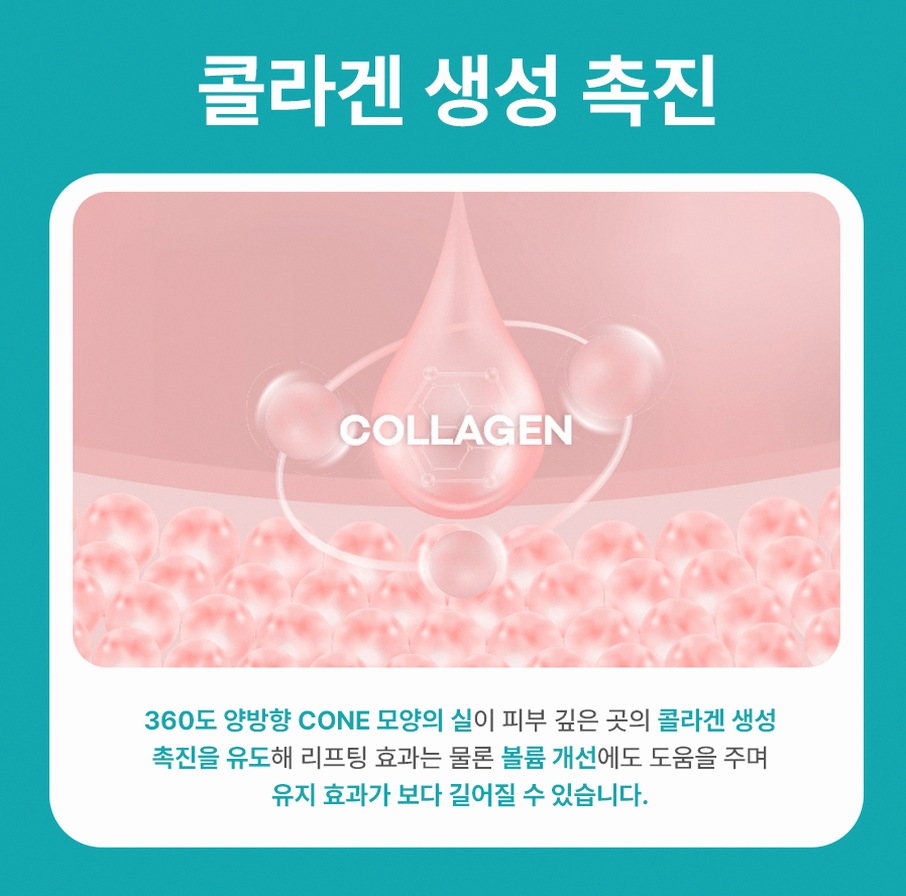
The lifting effect has two phases. First, an immediate mechanical lift from the threads themselves. Second, a gradual improvement in firmness and elasticity over several weeks to months as new collagen forms around the threads.
Types of threads and techniques
Cog or barbed threads
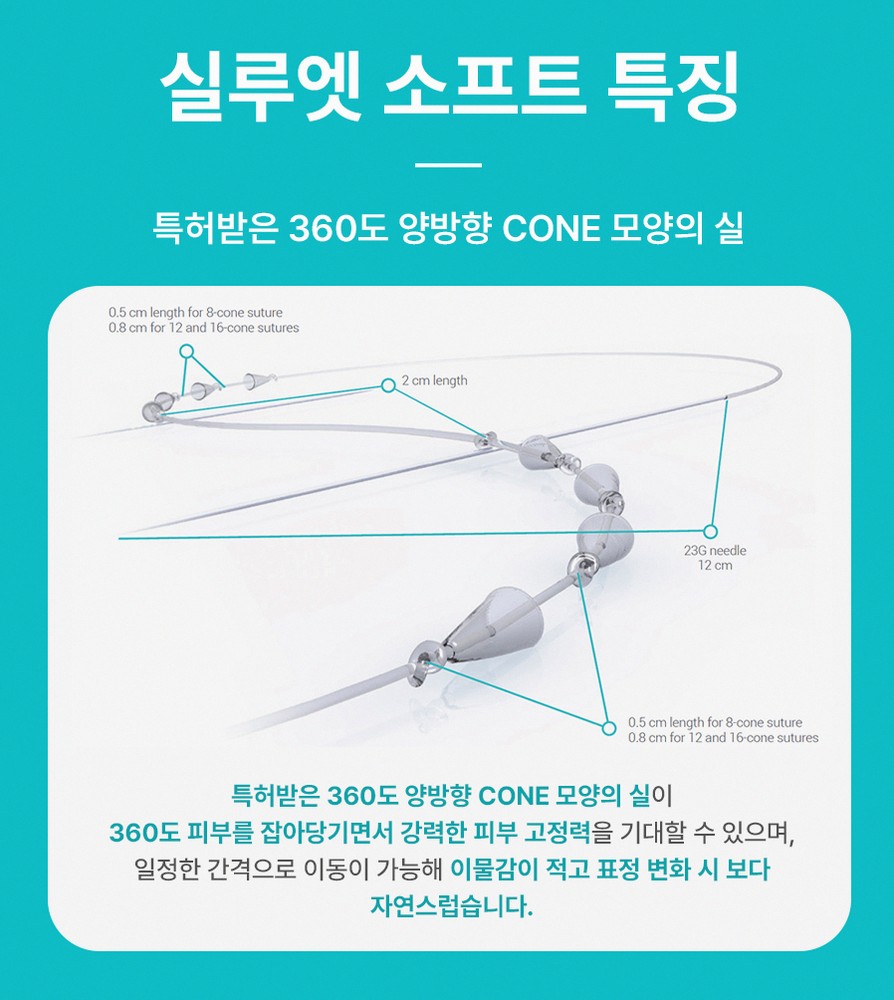
Cog or barbed threads have tiny hooks or barbs along their length. These barbs catch onto the tissue and allow the doctor to lift and reposition structures such as the midface, jawline, and nasolabial folds. They are commonly used when the main goal is visible lifting and contouring.
Mono or smooth threads
Mono or smooth threads do not have barbs. They are usually thinner and placed in a mesh pattern for mild tightening and skin quality improvement rather than strong lifting. They can be helpful for fine lines, mild laxity, and overall skin texture when combined with other treatments.
Premium lifting threads
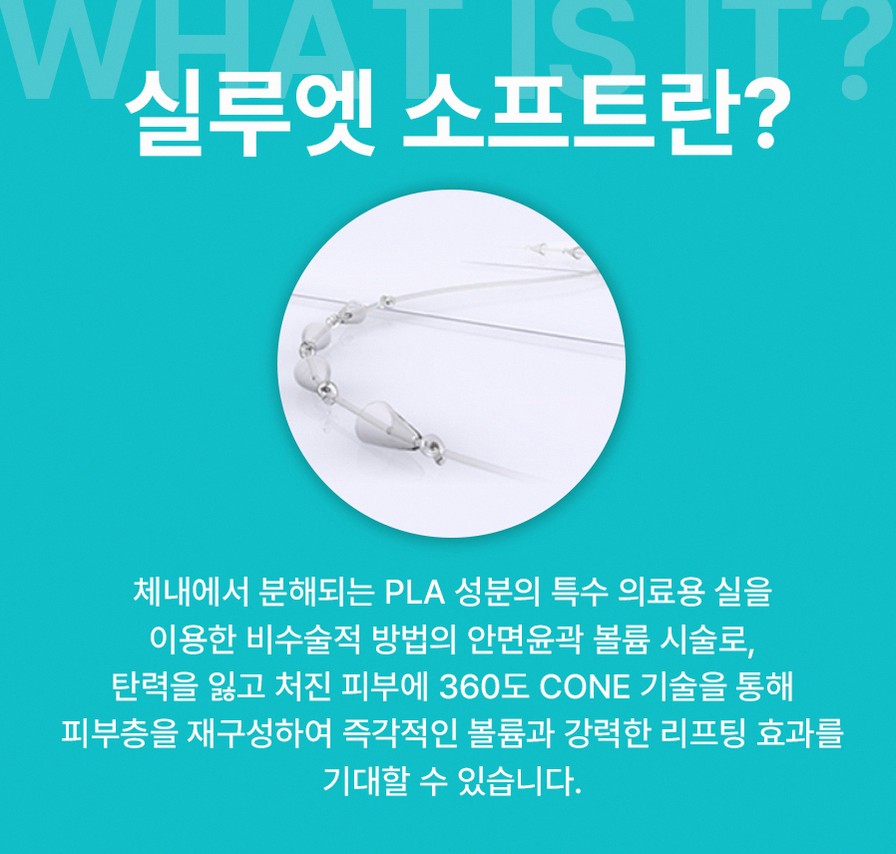
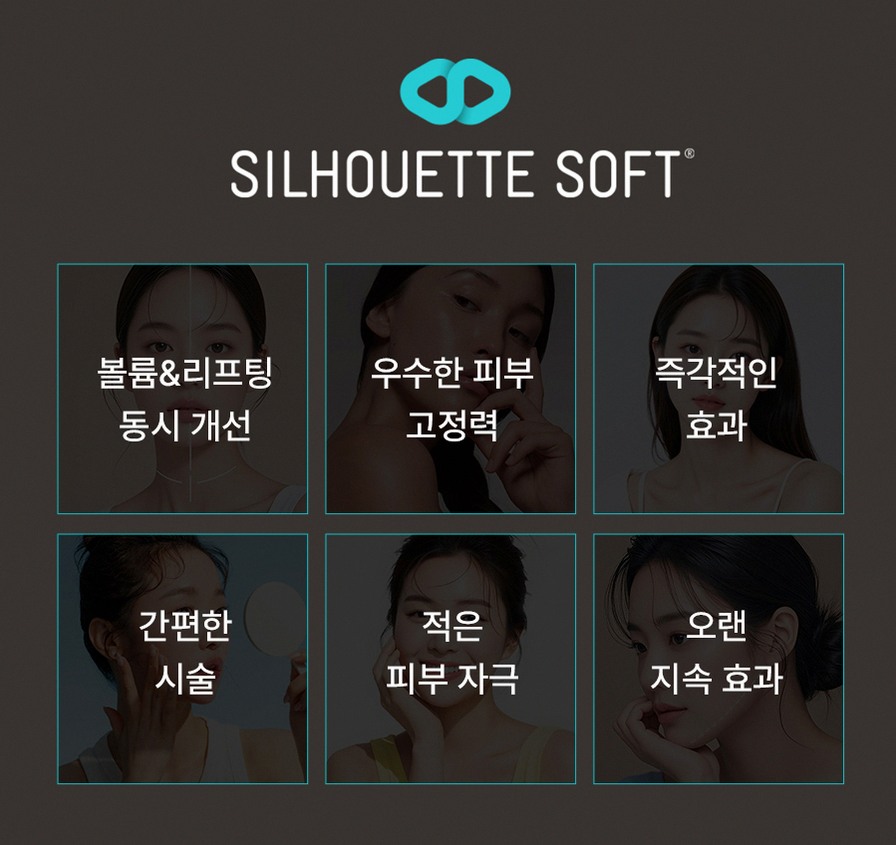
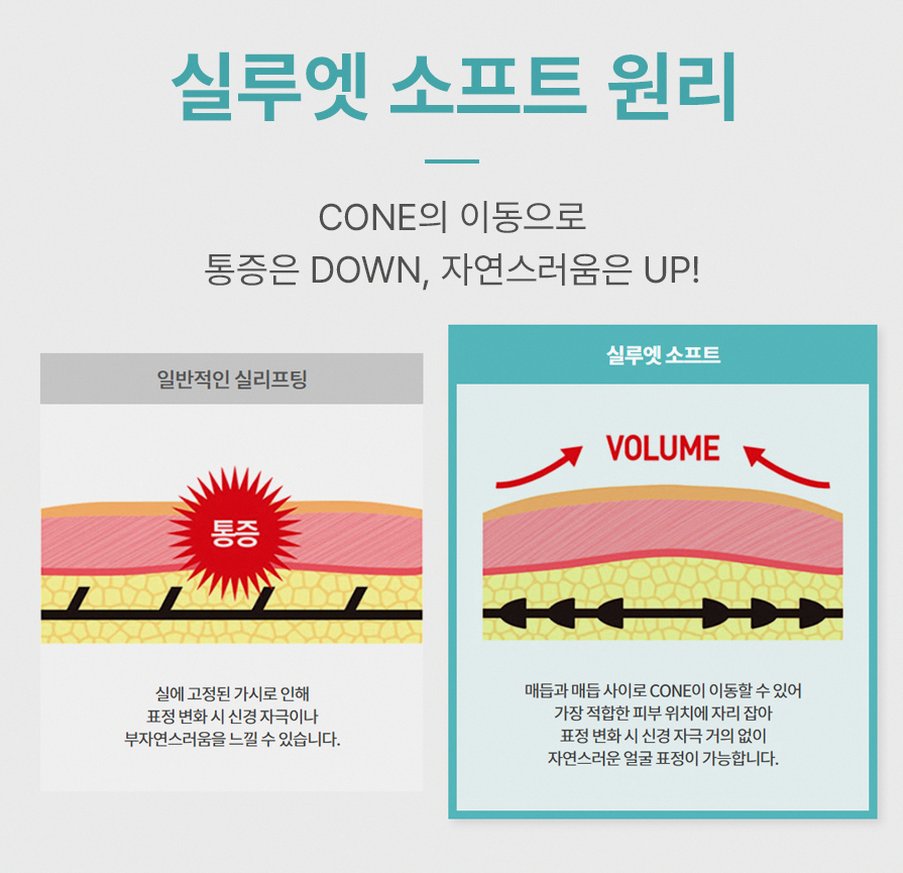
Some branded threads, such as silhouette soft or mint lifting, are designed for more robust lifting and longer-lasting support. They may use special cones or advanced barbs to anchor more securely in the tissue. These are often selected for patients who need a stronger lift in the cheek, jawline, or lower face.
Main target areas for thread lifting
Thread lifting can be tailored to different parts of the face and neck. Common target areas include:
Sagging cheeks and midface
Threads can be placed to lift the cheek fat pads upward, improving the midface and softening the tired or sunken look that appears with age.
Nasolabial folds and marionette lines
By lifting the midface and lower face, thread lifting can reduce the depth of nasolabial folds and marionette lines indirectly, since these folds are often caused by sagging tissue above them.
Jawline and early jowls
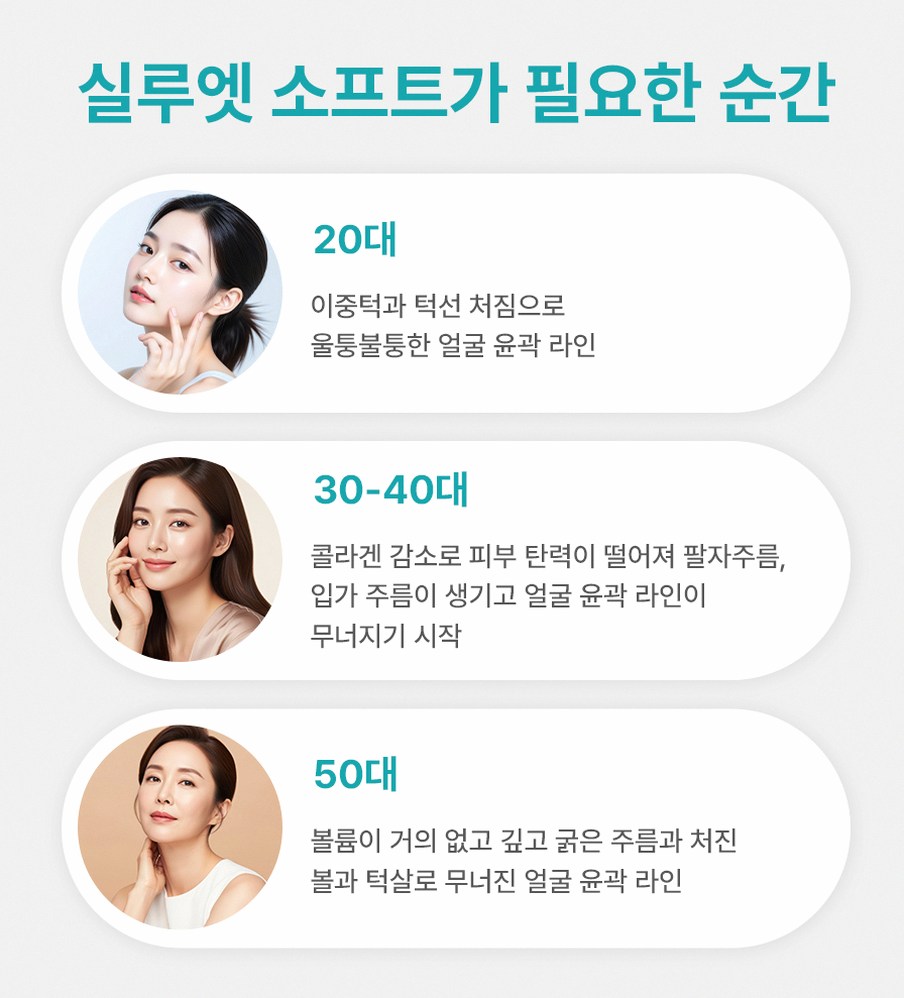
Threads along the jawline can help redefine its contour and reduce the appearance of early jowls. This is a common request among patients in their 30s to 50s who notice blurring of the once-sharp jawline.
Mild neck sagging
In selected cases, threads can be used for mild neck laxity or early banding. The effect is usually more subtle than in the face, and careful planning is needed to avoid visibility of threads in thin neck skin.
Expected effects and duration
Immediately after thread lifting, many patients see a visible lift due to the mechanical support from the threads. Some swelling can temporarily exaggerate or mask the effect, but as swelling subsides over a few days, the new contour becomes clearer.
Over the following weeks to months, collagen forms around the threads. This can improve skin firmness, texture, and elasticity, helping to maintain the lifted effect even as the threads themselves slowly dissolve.
Thread lifting should be seen as part of a stepwise anti-aging plan rather than a one-time permanent solution. Many patients repeat thread lifting or combine it with other treatments over time to maintain their results.
Who may consider thread lifting
Good candidates
Thread lifting may be suitable for adults, often in their 30s to 50s, who have mild to moderate sagging and want a noticeable yet non-surgical lift. It is often chosen by people who:
Prefer shorter downtime compared with a surgical facelift.
Have tried skin tightening lasers or ultrasound devices but want a stronger lifting effect in specific areas.
Want to improve early jowls, sagging cheeks, or deepening folds without general anesthesia or large incisions.
When thread lifting may not be ideal
Thread lifting may be less suitable in certain situations:
Very severe sagging or heavy tissues may respond better to surgical facelift techniques.
Extremely thin skin or very low subcutaneous fat can increase the risk that threads become visible or palpable.
Uncontrolled systemic diseases, bleeding disorders, or use of certain medications may increase the risk of complications.
People with unrealistic expectations who expect surgical-level or permanent results from a minimally invasive procedure may not be satisfied.
Importance of in-person consultation
A thorough in-person consultation is essential before deciding on thread lifting. A dermatologist or qualified doctor should evaluate:
Skin thickness and elasticity.
Fat volume and distribution in the cheeks, jawline, and neck.
Ligament laxity and the direction of sagging.
Facial asymmetry and existing scars or previous procedures.
Based on this analysis, the doctor can advise whether thread lifting alone is appropriate or whether a combination with other treatments would give a more balanced and natural result.
Safety, risks, and what to check in a Dongtan clinic
Common side effects
Like any minimally invasive procedure, thread lifting has potential side effects. Common, usually temporary effects include:
Mild to moderate swelling and bruising around the entry points and along the thread paths.
Tenderness, tightness, or a pulling sensation when moving facial muscles.
Slight asymmetry or dimpling in some areas during the first days to weeks as tissues settle.
Less common but more serious complications can include infection, thread exposure, prolonged dimpling, or nerve irritation. These risks are reduced when the procedure is performed by an experienced doctor with good anatomical knowledge and careful technique.
Why anatomical knowledge matters
Safe thread lifting requires precise understanding of facial retaining ligaments, fat compartments, and nerve pathways. Threads must be placed at the correct depth and in safe vectors to achieve lifting without injuring important structures.
Sterile technique, appropriate choice of thread type and length, and careful tension adjustment are all important to minimize complications and achieve a natural look.
Checklist for choosing a thread lifting clinic in Dongtan
When comparing thread lifting options in Dongtan, consider the following points:
Who performs the procedure: Ideally, a board-certified dermatologist or similarly qualified doctor with specific training in facial anatomy and lifting procedures.
Experience: Ask how often the doctor performs thread lifting and whether they are familiar with different thread types, not just a single brand.
Range of lifting modalities: Clinics that offer both thread lifting and energy-based devices such as Ultherapy, Thermage FLX, Shurink, or SkinTyte can design more customized plans.
Consultation quality: Look for clear explanations of expected effects, how long results may last, possible side effects, and realistic outcomes.
Aftercare and follow-up: Check whether the clinic provides scheduled follow-up visits and support if minor issues such as dimpling or asymmetry arise.
Hus-hu Dermatology Clinic Dongtan as an example
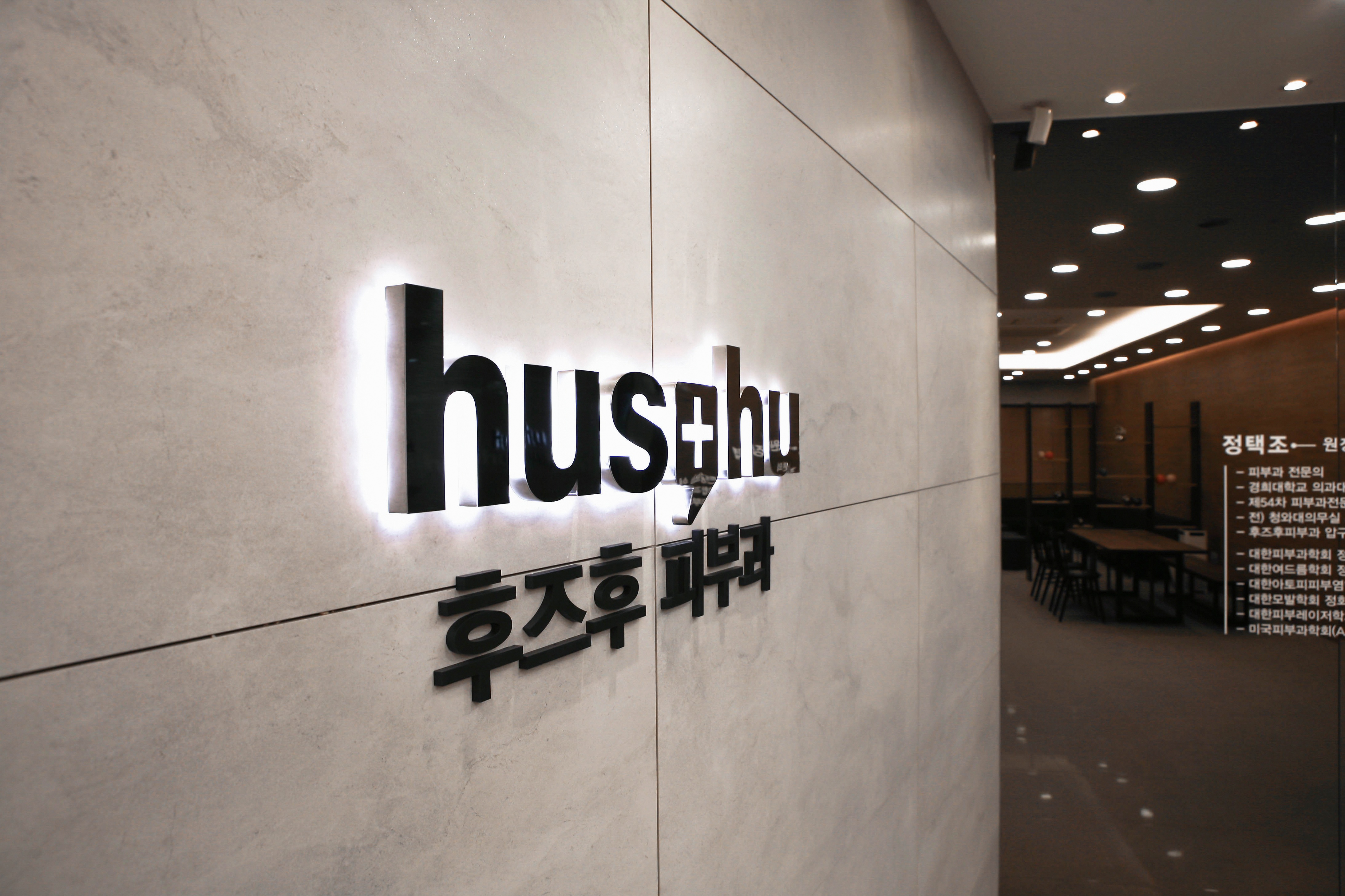
In Dongtan, Hwaseong, Gyeonggi-do, there are dermatology clinics that focus on lifting and anti-aging. One example is Hus-hu Dermatology Clinic Dongtan, which offers thread lifting alongside multiple energy-based lifting devices.
This clinic has two representative dermatologists, both graduates of Kyung Hee University School of Medicine and external faculty members in the dermatology department at Kyung Hee Medical Center. One of the dermatologists previously served as head of dermatology at the medical office of the presidential residence in Seoul and achieved first place in the first stage of the national dermatology board examination, reflecting a high level of academic and clinical training. The other dermatologist has training experience at the UCI Beckman Laser Institute, which is relevant for expertise in laser and energy-based devices that are often combined with thread lifting.
Lifting and anti-aging options at this clinic
This clinic provides a variety of lifting and anti-aging procedures, including:
Thread lifting options such as mint lifting and silhouette soft.
Ultrasound-based lifting such as 3D Ultherapy and Shurink for deeper tissue tightening.
Radiofrequency and light-based devices such as Thermage FLX and SkinTyte for skin surface firmness and collagen remodeling.
Injectable treatments such as Rejuran and other anti-aging injections for skin quality.
Filler, botulinum toxin, and contouring options such as Belkyra for double chin fat, which can be combined with thread lifting to refine the jawline.
Because multiple modalities are available, treatment plans can be tailored. For example, ultrasound lifting may be used to tighten the SMAS layer, Thermage FLX or SkinTyte to improve overall skin texture, and threads to reposition sagging tissue in specific areas.
Clinic operations and access for overseas patients
The clinic operates on weekdays and Saturdays, with consultation hours arranged to minimize long lunch breaks, making it easier for busy patients to schedule visits. Online reservation is available on selected days through a major local portal, which can be convenient for overseas patients planning their visit in advance.
How consultation and planning usually work
Using this clinic as a model, an ideal consultation and planning process for thread lifting might follow these steps.
Step 1: Detailed facial analysis
A dermatologist examines your face and neck, assessing:
Degree and pattern of sagging.
Skin thickness and elasticity.
Volume loss or excess fat in areas such as the cheeks and double chin.
Existing asymmetry and facial expressions.
Step 2: Deciding on combination vs single treatment
The doctor then discusses whether thread lifting alone is enough or whether combining it with other treatments would be better. Examples include:
Ultherapy or Shurink for SMAS-level tightening when deeper laxity is present.
Thermage FLX or SkinTyte for more diffuse collagen remodeling and skin texture.
Filler for restoring volume in specific areas and Rejuran or similar treatments for skin quality.
Belkyra or other contouring options for double chin fat if needed before or after lifting.
Step 3: Personalized thread plan
If thread lifting is chosen, the doctor designs a thread map, deciding:
Which type of threads to use, such as cog or barbed threads for lifting and smooth threads for fine tightening.
Whether to include premium brands like mint lifting or silhouette soft depending on the target area and desired duration.
Insertion vectors and anchoring points for each area, such as cheek, jawline, nasolabial folds, marionette lines, or mild neck sagging.
Step 4: Procedure explanation and anesthesia
The doctor explains the procedure steps, including:
Type of anesthesia, usually local anesthesia with or without mild oral medication.
Approximate duration, often around 30 to 60 minutes depending on complexity.
What you may feel during the procedure, such as pressure or pulling but minimal sharp pain after anesthesia is applied.
Expected downtime, including how many days of swelling or bruising you may need to plan for.
Step 5: Aftercare and follow-up
Before you leave, you receive instructions on:
How to sleep for the first days, usually on your back and avoiding face-down positions.
Activities to avoid, such as strong facial massage, exaggerated chewing, wide yawning, or intense exercise for a short period.
Signs of possible complications, such as increasing redness, warmth, or unusual pain, and when to contact the clinic.
Follow-up appointments to monitor healing and adjust minor issues such as dimpling if needed.
Before and after expectations and aftercare
Realistic expectations
Thread lifting can provide a visible yet natural-looking lift, but it does not replace surgical facelift in terms of magnitude or duration. Immediately after the procedure, you may notice that the cheeks are higher or the jawline is sharper. Swelling and mild asymmetry are common in the first days.
Over several weeks, the threads settle, swelling resolves, and the lifted contour appears more natural. A mild tight or pulling sensation when moving facial muscles is normal at first and usually decreases over time.
Typical aftercare points
For the first few days to weeks, doctors often recommend:
Avoiding strong facial massage or beauty treatments that involve pressing or stretching the face.
Being gentle when brushing teeth, yawning, or eating hard foods to avoid excessive movement in the treated area.
Sleeping on your back with your head slightly elevated and avoiding pressing your face into the pillow.
Avoiding saunas, very hot baths, or intense exercise for a short period, depending on the doctor’s advice.
Monitoring for signs of infection such as increasing redness, swelling, warmth, or discharge at entry points.
Clinics that focus on thread lifting generally schedule follow-up visits to check progress. If minor dimpling, puckering, or small irregularities appear, they can often be improved with simple adjustments.
Comparison with other lifting options
Thread lifting vs Ultherapy or Shurink
Thread lifting uses physical threads to reposition tissue and change facial contours. Ultherapy and Shurink use focused ultrasound energy to heat deeper layers such as the SMAS, stimulating collagen and tightening without adding any foreign material.
Threads are usually better for visible repositioning of sagging tissue in specific areas. Ultrasound devices are better for overall firming and prevention. Many patients benefit from combining both, using ultrasound for deep tightening and threads for contouring.
Thread lifting vs Thermage FLX or SkinTyte
Thermage FLX and SkinTyte use radiofrequency or light-based energy to heat the dermis and stimulate collagen. Their effect is more diffuse, improving skin texture, pore appearance, and mild laxity over a broad area.
Threads are more targeted, focusing on lifting particular structures such as the midface or jawline. Combining them can address both structural sagging and surface quality.
Thread lifting vs surgical facelift
Surgical facelift involves incisions, deeper dissection, and repositioning of tissues under direct vision. It can provide more dramatic and long-lasting results, especially for severe sagging, but it also requires longer recovery and carries surgical risks.
Thread lifting is less invasive, usually done under local anesthesia, with shorter downtime. The trade-off is that the effect is more modest and temporary. For many people in their 30s to 50s with mild to moderate sagging, thread lifting can be a reasonable middle option between non-invasive treatments and surgery.
Online consultation and pre-visit preparation for overseas patients
If you are planning to travel to Dongtan from overseas for thread lifting, an online consultation can help you decide whether the trip is worthwhile and how to schedule your stay.
Before contacting the clinic, it is helpful to prepare:
Clear photos of your face and neck from the front and both sides, taken in good lighting without heavy makeup or filters.
A brief medical history, including any chronic illnesses, medications (especially blood thinners), allergies, and previous facial procedures.
Your main concerns, such as sagging cheeks, deep folds, or double chin, and what kind of change you hope to see.
Your travel dates and the number of days you can stay in Korea.
During an online consultation, the doctor can give a preliminary opinion on whether you seem like a good candidate for thread lifting, which areas might be treated, and whether combination procedures such as Ultherapy or Thermage would be recommended. Final decisions are made after an in-person examination.
Expected Korea visit timeline
For most overseas patients, a typical schedule might look like this:
Day 1: Arrival and rest. If possible, a same-day or next-day in-person consultation to confirm the plan, perform detailed examination, and run any necessary tests.
Day 2: Thread lifting procedure, sometimes combined with energy-based lifting or injectables if agreed upon.
Days 3 to 5: Initial recovery period. Swelling and bruising are usually most visible during this time. Light sightseeing is often possible, but it is better to avoid very intense activities.
Day 5 to 7: Follow-up visit to check healing, remove any remaining markings, and review aftercare. Many patients feel comfortable returning home after this point.
If you plan combination treatments or have limited time, the clinic can help adjust the schedule. It is wise to avoid scheduling your procedure on the last day of your trip, in case you need a follow-up.
FAQ for Dongtan thread lifting
How do I choose a good thread lifting clinic in Dongtan
When choosing a clinic, focus on the doctor’s qualifications, experience with thread lifting, and the range of lifting options available. Ask whether a board-certified dermatologist or similarly qualified doctor will perform the procedure, how often they perform thread lifting, and which thread brands they use.
Check whether the clinic offers both threads and devices like Ultherapy, Thermage FLX, Shurink, or SkinTyte, since this allows more personalized plans. A thorough consultation, clear explanation of risks and benefits, and structured follow-up care are also important signs of a reliable clinic.
Is thread lifting painful and how long does swelling last
Most patients receive local anesthesia, so they feel pressure and pulling rather than sharp pain during the procedure. Mild discomfort, tightness, or tenderness is common for several days afterward.
Swelling and bruising usually peak in the first few days and then gradually improve over one to two weeks. The exact duration varies depending on the number of threads, individual healing, and how carefully aftercare instructions are followed.
Can I combine thread lifting with Ultherapy or Thermage at the same time
Many doctors do combine thread lifting with ultrasound or radiofrequency treatments, either on the same day or in a staged plan. Ultrasound devices such as Ultherapy or Shurink target deeper layers for tightening, while Thermage FLX or SkinTyte improve dermal collagen and surface firmness.
Threads then provide mechanical lifting in specific areas. The exact timing and sequence depend on your skin condition and the doctor’s protocol, so this should be discussed during consultation.
How long do thread lifting results last and when should I repeat the procedure
Results commonly last around 1 to 1.5 years, though this can be shorter or longer depending on age, lifestyle, skin quality, and thread type. The collagen that forms around the threads can support the tissues even after the material dissolves, but natural aging continues.
Some patients repeat thread lifting every one to two years, sometimes alternating with ultrasound or radiofrequency treatments in between. Your doctor can suggest an individualized maintenance plan.
What kind of doctor should perform thread lifting
Thread lifting should be performed by a doctor with formal training in facial anatomy and lifting procedures, such as a board-certified dermatologist or similarly qualified specialist. Experience with various thread systems and lifting devices is valuable for planning safe, effective treatments.
When contacting a clinic, you can ask directly who will perform your procedure, their specialty, and their experience with thread lifting and combination lifting plans.
Soft call to action
If you are considering thread lifting in Dongtan and would like a professional opinion before planning your trip to Korea, you can arrange an online consultation with a dermatology-led clinic in the area. Clinics such as this one in Dongtan, with experienced dermatologists and multiple lifting options including threads, Ultherapy, Thermage FLX, Shurink, and SkinTyte, can help design a plan that fits your facial structure, aging pattern, and travel schedule.
By preparing clear photos, your medical history, and your main concerns in advance, you can make the most of your consultation and decide whether thread lifting in Dongtan is the right next step for you.

- 공유 링크 만들기
- X
- 이메일
- 기타 앱


댓글
댓글 쓰기