dermatologist clinic timeline & treatments
- 공유 링크 만들기
- X
- 이메일
- 기타 앱
Direct answer for people searching Dongtan acne treatment reviews
When you search for Dongtan acne treatment reviews, you are usually trying to find out two things: whether professional acne care is really different from what you have already tried at home, and whether starting treatment at a dermatology clinic in Dongtan is worth the time, money, and effort.
Medical acne treatment at a dermatology clinic is not the same as a cosmetic facial or a quick spa session. It starts with a diagnosis of your acne type, your skin’s sensitivity, and your lifestyle. Then a stepwise plan is made to calm inflammation, control sebum, prevent new breakouts, and reduce the risk of scars and enlarged pores over time.
This guide explains how dermatologist-led acne care in the Dongtan area usually works, what real-world progress often looks like over several months, how acne scars and pores can be treated, and what you can expect if you visit Hus-hu Dermatology Clinic Dongtan.
How dermatologist-led acne treatment usually works
Initial consultation and skin assessment
At a dermatology clinic, the first visit is focused on understanding your skin rather than starting aggressive procedures right away.
The dermatologist typically:
Assesses your skin type: oily, combination, dry, sensitive, or reactive.
Identifies acne type: mainly clogged pores and blackheads (comedonal), red and swollen spots (inflammatory), deeper painful nodules or cysts, or a mix.
Reviews your current skincare: cleansers, toners, exfoliants, acne spot products, makeup, and sunscreen.
Checks medications and health: any past acne treatments, hormonal issues, or medications that can influence breakouts.
Discusses lifestyle factors: stress, sleep, diet patterns, mask-wearing, and work or school environment.
Based on this, a personalized plan is created. For some patients, this may start with prescription creams and gentle in-clinic care. For others with more severe or painful acne, oral medication and anti-inflammatory procedures may be recommended.
Basic medical management
Most dermatologist-led acne programs begin with medical management before or alongside devices and procedures.
Typical elements include:
Topical prescriptions: creams or gels containing ingredients such as retinoids, benzoyl peroxide, antibiotics, or anti-inflammatory agents to unclog pores and reduce bacteria.
Oral medication when needed: for moderate to severe or hormonal acne, options can include antibiotics, hormonal regulation in suitable patients, or other systemic treatments. These are prescribed after checking your health status and potential risks.
Cleansing and moisturizer guidance: many patients over-wash or use harsh scrubs and drying toners. The dermatologist usually recommends a gentle, non-comedogenic cleanser and a light moisturizer that will not clog pores.
Sun protection: because many acne medications and procedures make skin more sensitive to light, daily sunscreen is usually part of the plan.
In-clinic procedures for active acne
In addition to medication, clinics in Dongtan often use in-clinic procedures to speed up improvement and reduce inflammation.
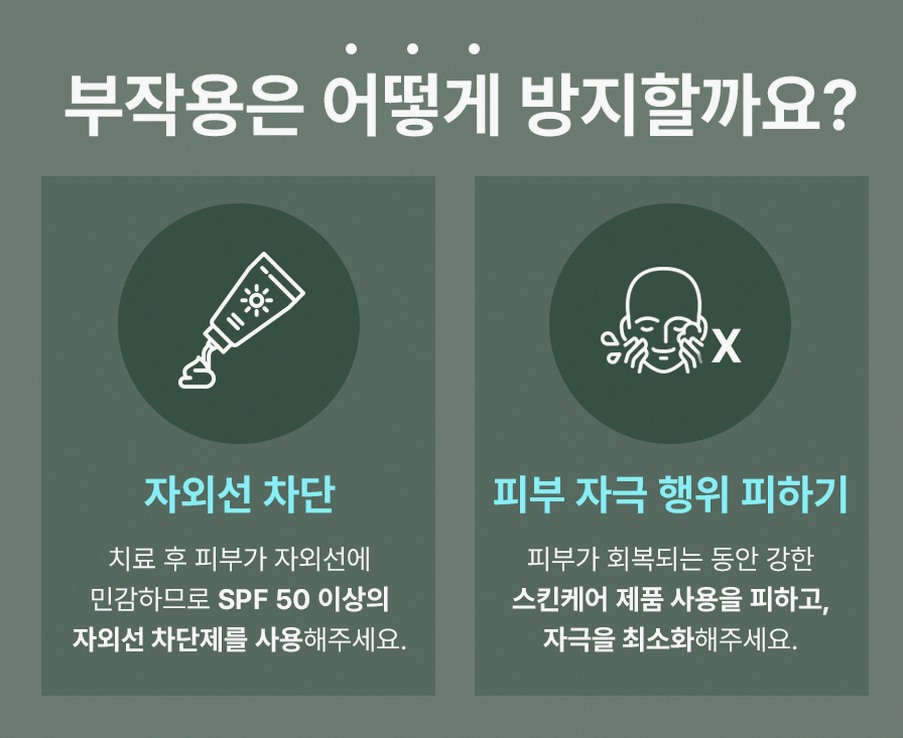
PDT (photodynamic therapy):
This is a light-based treatment used to target oil glands and acne-causing bacteria. A photosensitizing solution may be applied to the skin and then activated with a specific light source.
Patients often notice:
A gradual decrease in very oily shine.
Fewer inflamed red bumps over time.
Some temporary redness or sensitivity after sessions.
Gentle laser toning and energy-based care:
Low-energy lasers or light-based devices can be used to calm redness, help reduce post-inflammatory marks, and support sebum control.
These are usually designed to be gentle with minimal downtime, though mild redness or warmth can occur for a short time after treatment.
Sebum-control and anti-inflammatory procedures:
Depending on the clinic, additional treatments may include extraction of clogged pores under sterile conditions, mild chemical peels, or other energy-based procedures aimed at reducing inflammation and oil production.
Realistic timelines and follow-up
One of the most important points that real patients mention in reviews is timing. Acne rarely changes overnight, even with professional care.
Typical expectations:
First few weeks: some patients experience purging or temporary flare-ups as clogged pores open. Others notice that new breakouts are less painful or come to a head more quickly.
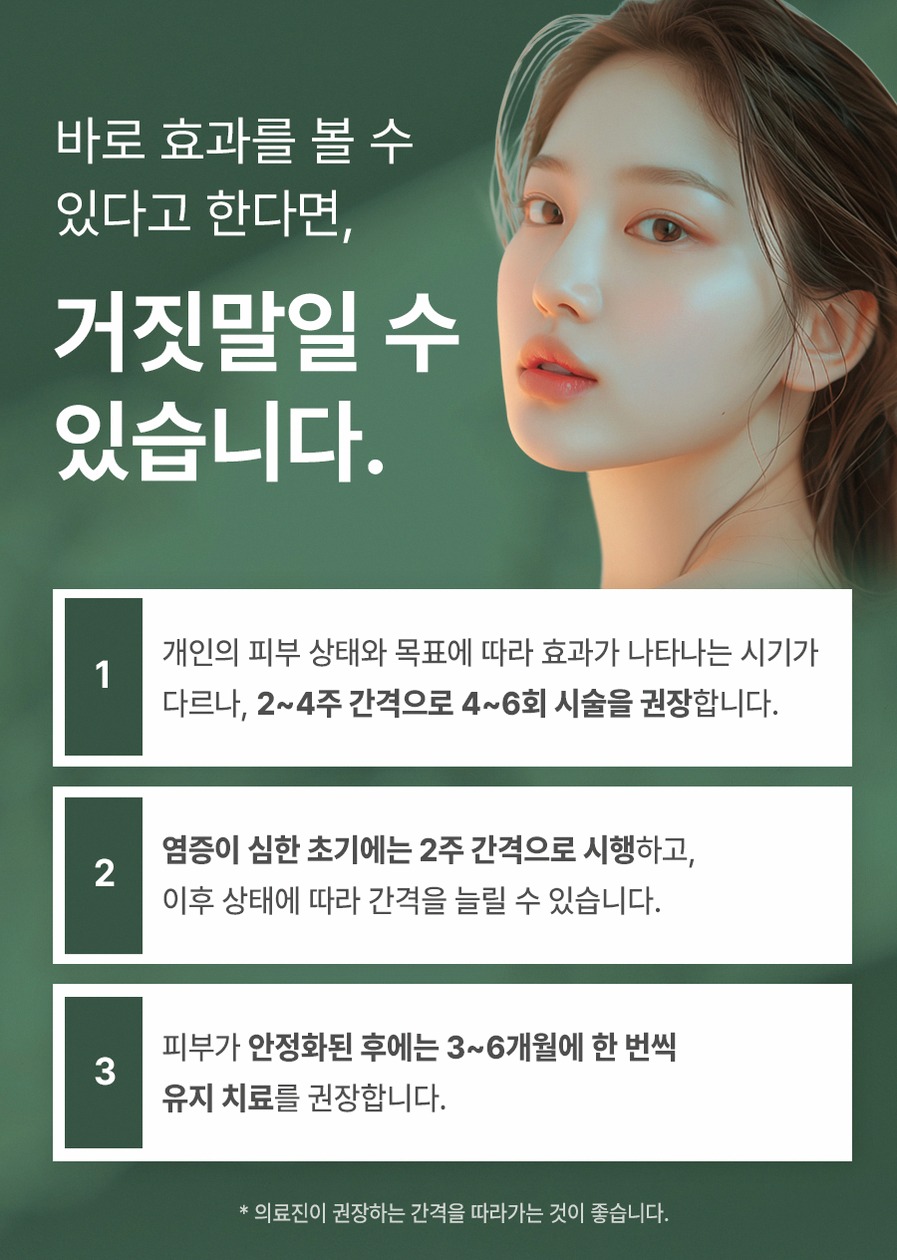
Around 4 to 8 weeks: with consistent medication and in-clinic care, many people see fewer new inflamed spots and shorter healing time for existing ones.
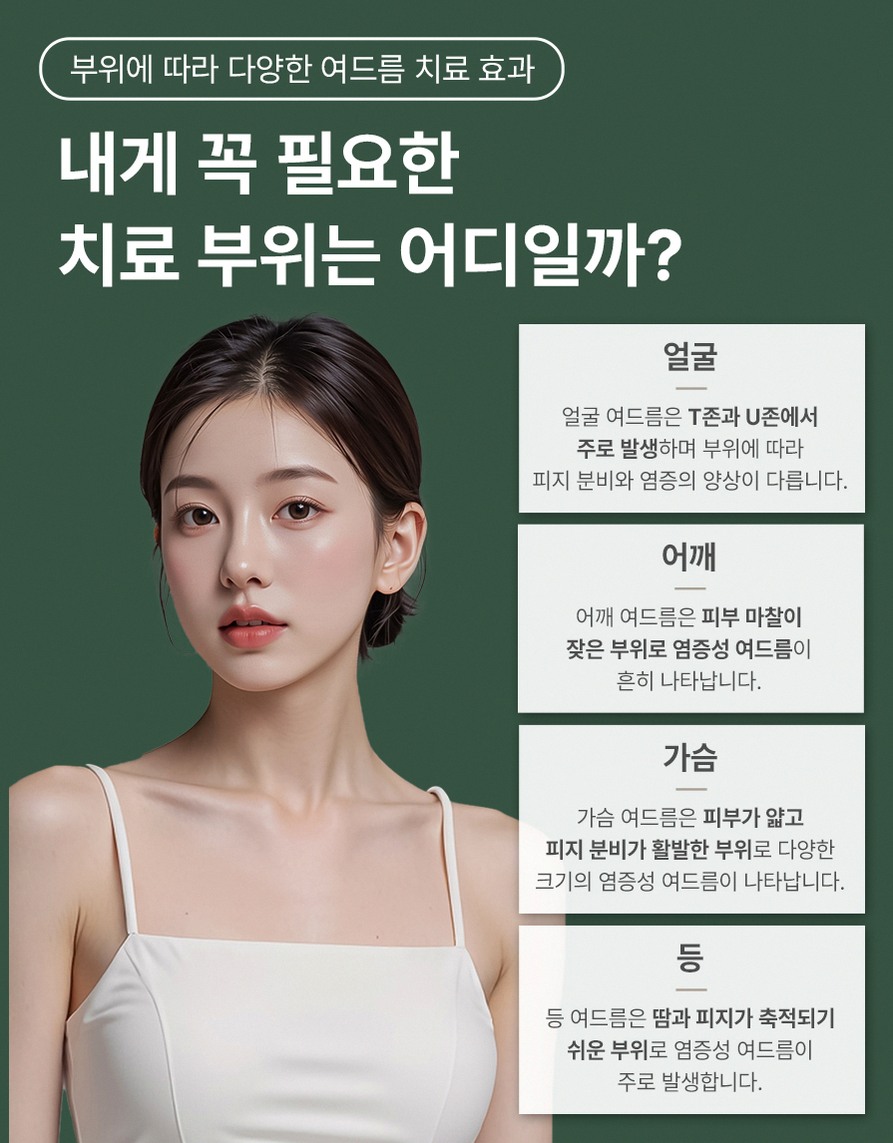
Around 3 to 6 months: skin texture and redness usually improve more noticeably, and the focus may gradually shift from active acne control to scar and pore management.
Regular follow-up visits allow the dermatologist to adjust medication strength, change procedures if your skin becomes too dry or sensitive, and plan the right timing for scar-focused treatments.
Review-style patient journeys from Dongtan
University student with painful inflammatory acne
A typical patient profile is a university student in Dongtan with frequent, painful breakouts along the cheeks and jawline. They may have tried over-the-counter acne gels and sheet masks with only short-term relief.
Reason for choosing a dermatologist in Dongtan:
They want to avoid long commutes to Seoul and prefer a clinic close to home or campus.
They are worried about scarring and are looking for a more structured approach than basic facials.
Consultation experience:
During the first visit, the dermatologist examines the skin, notes the presence of red inflammatory papules and pustules, and checks for early scars.
The student is asked about exam stress, late-night eating, and frequent mask use. Their skincare routine is simplified, removing harsh scrubs and strong alcohol-based toners.
Treatment plan:
A combination of topical prescription cream and a short course of oral medication is started.
PDT sessions are scheduled at regular intervals to help reduce oil production and inflammation.
Gentle in-clinic cleansing and occasional extractions are added to manage clogged pores safely.
First sessions and downtime:
PDT sessions may cause a warm, tingling sensation and temporary redness. The student is advised to avoid strong sunlight for a period after treatment and to use sunscreen diligently.
Purging can occur in the first few weeks, which can be emotionally difficult. The clinic staff usually explains this possibility in advance and offers follow-up visits to monitor the skin.
Progress over time:
At 1 month: fewer painful cystic spots, though some new pimples still appear. Red marks from old acne are still visible.
At 3 months: breakouts are less frequent and less inflamed. The student notices that makeup applies more smoothly and that new spots heal faster.
Beyond 3 to 6 months: if active acne is well controlled, the dermatologist may start discussing mild scar and pore treatments, such as gentle fractional laser or RF microneedling, depending on skin condition and exam schedule.
Office worker with long-standing acne and early scars
Another common profile is an office worker in their late 20s or 30s who has had acne since adolescence. They may have shallow boxcar or rolling scars on the cheeks and visible pores.
Reason for choosing a dermatologist in Dongtan:
They want a clinic near home to fit appointments around work hours.
They are interested in both controlling ongoing breakouts and improving the texture of old scars.
Consultation experience:
The dermatologist differentiates between active acne lesions, old scars, and post-inflammatory pigmentation.
A stepwise plan is explained: first stabilizing active acne, then moving on to more intensive scar-focused procedures.
Treatment plan:
Topical and, if needed, oral medication to calm current inflammation.
In-clinic treatments such as PDT or anti-inflammatory laser sessions to reduce redness and new breakouts.
Once the skin is more stable, fractional laser sessions or RF microneedling are introduced to address scars and enlarged pores.
First sessions and downtime:
Fractional laser: can cause pinpoint scabbing, redness, and a rough texture for several days. Patients are advised to avoid picking the skin and to follow moisturizing and sun protection instructions carefully.
RF microneedling: usually involves fine needles delivering radiofrequency energy into the skin. There can be redness and mild swelling for a day or two.
Progress over time:
At 1 month: fewer inflamed breakouts, but scars look similar; this is expected, as scar remodeling takes time.
At 3 months: after a few sessions of fractional laser or RF microneedling, the skin surface can feel smoother, and shallow scars may appear softer. Pore appearance may gradually improve.
Beyond 6 months: with repeated, well-spaced sessions, many patients report that old photos show more obvious difference than the day-to-day mirror, which is why clinics often recommend periodic photo documentation.
Introducing Hus-hu Dermatology Clinic Dongtan
Hus-hu Dermatology Clinic Dongtan is a dermatology clinic located in the Dongtan new town area of Hwaseong. Care is led by board-certified dermatologists.
Two representative dermatologists have experience teaching at university hospitals in dermatology. One has previously served as a dermatology chief at the presidential medical office in Seoul and achieved top-ranked performance in the first stage of the dermatology board exam. The other has training experience at an international laser institute and is an active member of multiple dermatology societies.
For acne patients, this kind of background can be meaningful in several ways:
More precise diagnosis: distinguishing acne from conditions that can look similar, such as rosacea, folliculitis, or certain types of dermatitis.
Safer device use: selecting appropriate parameters for lasers and energy-based devices on acne-prone or sensitive skin, to reduce the risk of burns or pigmentation changes.
Long-term planning: considering not only current breakouts but also future scarring, pigmentation tendencies, and skin sensitivity when designing a treatment plan.
Acne treatment options at the clinic
Active acne programs
For patients with ongoing breakouts, the clinic offers structured acne programs that combine medical treatment with in-clinic procedures.
These programs may include:
Prescription-based management tailored to acne type and severity.
PDT (photodynamic therapy) to help control sebum production and reduce inflammatory lesions.
Gentle laser or light-based treatments aimed at calming redness and supporting oil control.
Professional extractions and mild peels when appropriate, performed under hygienic conditions.
Scar and pore treatments
Once active acne is under better control, attention can shift to scars and enlarged pores. At Hus-hu Dermatology Clinic Dongtan, several devices and techniques are available, and they are chosen based on scar type, skin thickness, and downtime tolerance.
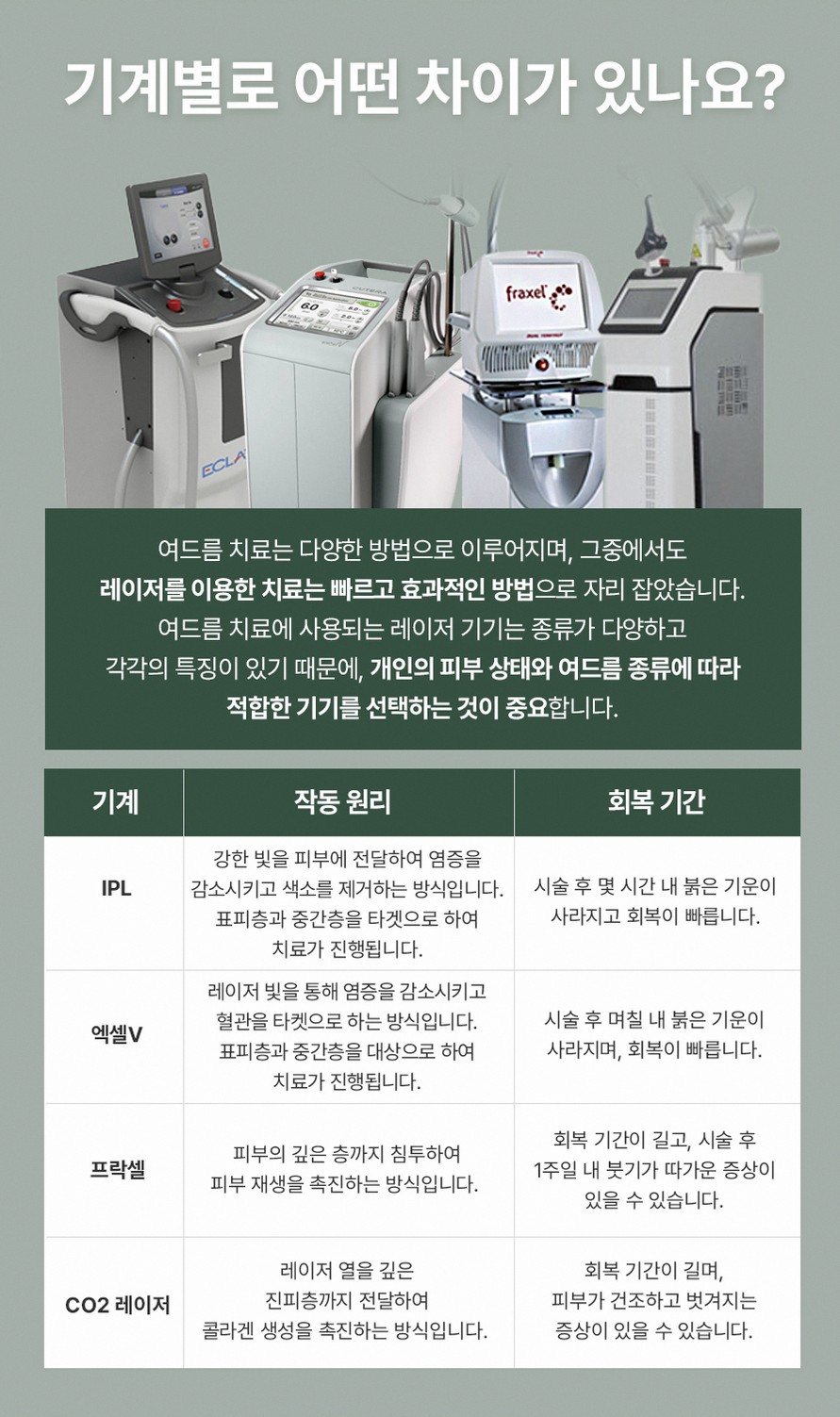
Fractional laser devices:
Pro Fractional-type lasers and similar fractional systems create micro-columns of controlled injury in the skin, stimulating collagen remodeling.
These are often used for boxcar and rolling scars and for improving overall texture.
RF microneedling:
Devices such as Secret RF combine microneedling with radiofrequency energy, delivering heat into the deeper layers of the skin.
This can help tighten pores and soften depressed scars with relatively controlled downtime.
Legato-type systems and combined approaches:
Some patients benefit from combined mechanical and energy-based scar treatments, which may help with more complex or mixed-type scars.
Scar filler:
For selected, well-defined depressed scars, scar filler can be used to lift the base of the scar and create a smoother appearance. This is usually reserved for specific cases after careful evaluation.
Not every patient needs all of these options. The dermatologist will usually select one or two main approaches and adjust over time based on response and tolerance.
Setting expectations and safety points
Individualized planning
A common misunderstanding seen in online reviews is the idea that “more procedures” always mean “better results.” In reality, effective acne care is about matching the treatment intensity to your skin’s condition and your healing capacity.
Many patients start with controlling active acne first. Only when breakouts are more stable does the plan move toward scar and pore treatments.
Possible side effects
Typical, temporary side effects can include:
Redness and mild swelling after laser, RF, or PDT sessions.
Dryness, flaking, or sensitivity from topical medications or peels.
Temporary darkening or lightening of spots, especially in skin that easily pigments.
These are usually monitored at follow-up visits. If you notice unusual pain, blistering, or prolonged discoloration, you should contact the clinic promptly.
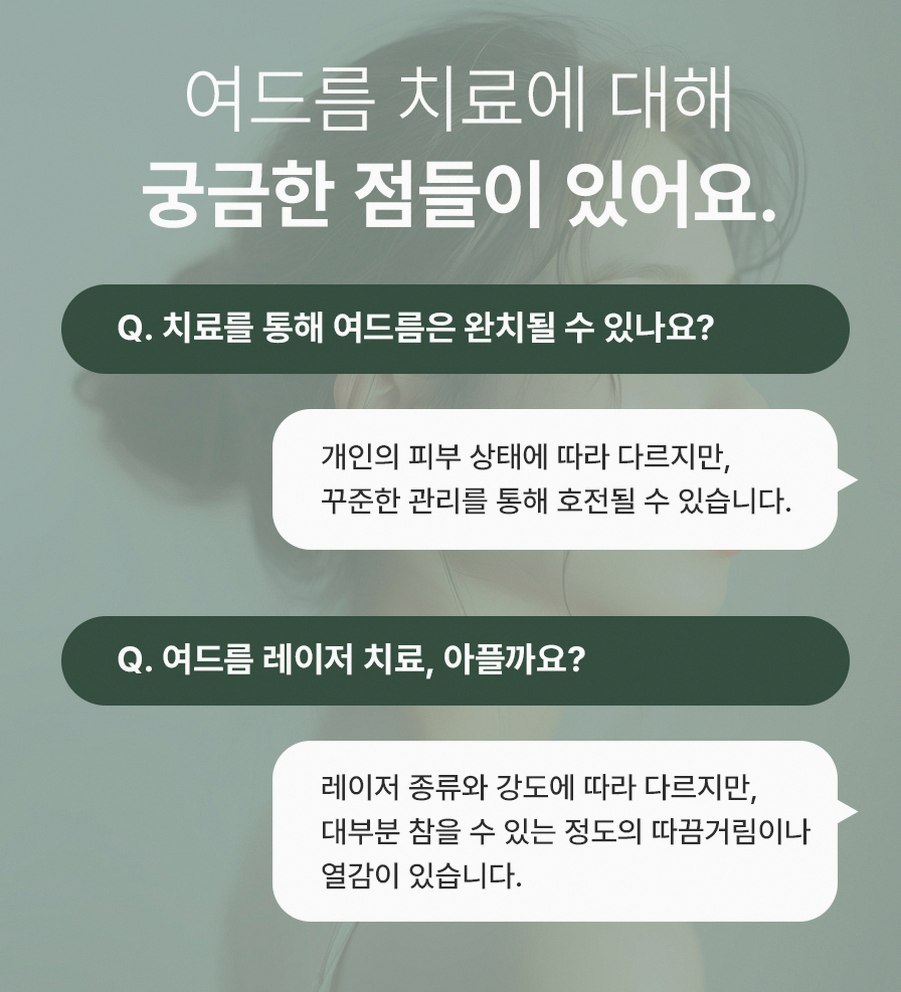
Skin care during treatment
To support healing and reduce complications, dermatologists commonly recommend:
Consistent sun protection with a broad-spectrum sunscreen.
Gentle cleansing without harsh scrubs or hot water.
Non-comedogenic moisturizers to maintain the skin barrier.
Avoiding picking, squeezing, or scratching acne lesions and scabs.
Regular follow-up
Regular check-ins allow the dermatologist to:
Adjust medication doses.
Change device settings or switch procedures if the skin is over-irritated.
Decide when to pause, continue, or intensify scar treatments.
Many clinics, including Hus-hu Dermatology Clinic Dongtan, also provide before-and-after photos for acne, redness, pigmentation, and scars in a members-only section. These images can help set realistic expectations and show gradual changes that are easy to miss in daily life.
Local and practical information for Dongtan residents
The clinic is located in a commercial building in the Dongtan new town area of Hwaseong, which is convenient for local residents, office workers, and students.
Typical operating patterns include weekday daytime and some evening hours, shorter hours on Saturdays, and closure on Sundays and public holidays. Some days support online reservation systems, which can help you secure a time slot that fits your schedule.
Because acne care often involves multiple visits, it is worth checking:
How often sessions are usually scheduled.
Whether evening or Saturday appointments are available for follow-up.
How far in advance you need to book for device-based procedures.
FAQs about acne treatment in Dongtan
How long does it usually take to see visible improvement in acne after starting treatment at a dermatology clinic in Dongtan?
Most patients begin to notice some changes within 4 to 8 weeks, such as fewer painful spots or faster healing of new pimples. However, more stable and noticeable improvement in both breakouts and overall skin texture often takes 3 to 6 months of consistent treatment and follow-up. The exact timeline depends on acne severity, skin type, and how closely you follow home-care and medication instructions.
Can acne scars be treated at the same time as active acne, or should they be handled later?
In many cases, dermatologists prefer to first bring active acne under better control before starting intensive scar treatments like fractional laser or RF microneedling. This helps reduce the risk of new scars forming while you are trying to improve old ones. Mild procedures and pigment-focused care can sometimes be started earlier, but deeper scar remodeling is usually planned after breakouts are more stable.
What is the difference between medical acne treatment and cosmetic facials or spa treatments?
Medical acne treatment is diagnosis-based and led by a dermatologist. It can include prescription medications, PDT, lasers, RF devices, and other procedures with scientifically studied mechanisms and potential side effects that must be monitored. Cosmetic facials and spa treatments usually focus on temporary cleansing, relaxation, and surface-level care, and they do not replace medical evaluation for persistent or scarring acne.
Are laser and RF treatments safe for sensitive or easily reddened skin?
Laser and RF treatments can be used on sensitive or redness-prone skin, but they require careful selection of device type, energy level, and interval between sessions. A dermatologist with experience in laser and energy-based devices will usually start with conservative settings and monitor your response. Pre- and post-care, including sun protection and barrier-supporting skincare, are important to reduce the risk of irritation or pigmentation changes.
How often do I need to visit the clinic, and is there significant downtime after procedures?
For active acne management, visits are often scheduled every few weeks at the beginning, then spaced out as your skin stabilizes. PDT and other in-clinic treatments may follow a set schedule recommended by the dermatologist. Downtime varies: gentle laser toning or light-based treatments may cause only mild redness for a few hours, while fractional laser or RF microneedling can lead to visible redness and texture changes for several days. Your dermatologist will explain expected downtime in advance so you can plan around work or school.
Online consultation and pre-visit preparation
If you are considering acne treatment in Korea as an overseas patient, or even if you are a local resident who prefers to plan ahead, an online consultation can be a useful first step.
Before contacting the clinic, prepare:
Clear photos of your face in natural light from the front and both sides.
A list of current skincare products and any acne medications you are using or have used recently.
Information about allergies, medical conditions, and any regular medications.
Questions about specific concerns, such as scarring, pigmentation, or sensitivity.
During an online consultation, you can ask about likely treatment options for your acne type, approximate visit frequency, and the general sequence of care (for example, how long active acne control might take before scar treatments begin). Exact plans are usually confirmed only after an in-person examination, but this step can help you decide whether the clinic’s approach fits your expectations.
Expected Korea visit timeline for overseas patients
For overseas patients planning acne treatment in Korea, a typical approach might look like this:
First visit (week 1): in-person consultation, skin assessment, and initial treatment. This may include starting prescription medications and possibly a first in-clinic procedure such as PDT or gentle laser.
Short stay (2 to 4 weeks): if you are staying in Korea for several weeks, you may be able to receive a series of active acne treatments and have your medications adjusted based on early response.
Longer-term plan: scar-focused procedures such as fractional laser or RF microneedling are often spaced several weeks apart. If you cannot stay in Korea for a long period, the dermatologist can help you plan which treatments are most realistic to do during your stay and which aspects of care can be continued at home.

Aftercare and long-term maintenance
Aftercare is as important as the procedures themselves. Following instructions on cleansing, moisturizing, and sun protection helps support healing and reduces complications.
Long-term, many patients benefit from:
Maintaining a simple, non-irritating skincare routine.
Using prescribed maintenance treatments if recommended, such as low-dose topical retinoids.
Returning for periodic check-ups if new breakouts appear or if you wish to continue scar improvement.
Soft call to action
If you are comparing Dongtan acne treatment reviews and trying to decide your next step, consider using an online or in-person consultation to get a professional assessment of your skin. At Hus-hu Dermatology Clinic Dongtan, dermatologist-led care, experience with lasers and energy-based devices, and a structured approach to both active acne and scars are combined to create individualized plans.
Bringing clear questions, photos, and a record of your past treatments to your consultation will help you understand which options are suitable for your skin and what kind of timeline you can realistically expect for improvement.

- 공유 링크 만들기
- X
- 이메일
- 기타 앱


댓글
댓글 쓰기