Diagnosis and long-term care for international patients
- 공유 링크 만들기
- X
- 이메일
- 기타 앱

Direct answer summary
If you are searching for “Dongtan psoriasis” because of persistent red, scaly patches or itchy plaques, you are most likely dealing with a chronic immune‑mediated skin condition that needs ongoing care rather than a one‑time cure. In Dongtan, Hwaseong, you can expect a structured approach: careful diagnosis to confirm psoriasis, assessment of severity and triggers, and a stepwise treatment plan that may include topical creams, phototherapy, and, when appropriate, systemic or biologic medications. With regular follow‑up and lifestyle adjustments, many people achieve stable control and fewer flares.
What psoriasis is and how it feels
Psoriasis is a chronic inflammatory skin disease driven by an overactive immune system. The immune cells send signals that make skin cells multiply and move to the surface much faster than normal. Because the skin cannot shed these cells quickly enough, they build up as thick, scaly plaques.
Typical symptoms include well‑defined red or pink plaques covered with silvery‑white scales, itching or burning, and dry or cracked skin that may sometimes bleed. Some people notice soreness or a tight feeling in the affected areas.
Psoriasis can also affect the nails. You may see small pits on the nail surface, discoloration, thickening, or nails that crumble or lift from the nail bed. In some patients, joint pain, stiffness, or swelling occur, which may suggest psoriatic arthritis.
Common locations are the scalp, elbows, knees, lower back, buttocks, and nails, but lesions can appear anywhere on the body, including the face, genitals, palms, and soles. The pattern and severity vary widely from person to person.
It is important to understand that psoriasis is not contagious. You cannot catch it from someone, and you cannot pass it to family members or colleagues through skin contact, towels, or shared items.
Why early diagnosis in Dongtan matters
Psoriasis often starts with a few small patches and then gradually spreads or thickens over time if it is not properly managed. Uncontrolled disease can disturb sleep, make it uncomfortable to wear certain clothes, and affect concentration at work or school. Visible plaques on the face, scalp, or hands can also impact social life and self‑confidence.
Beyond the skin, psoriasis is linked to several other health conditions. These include psoriatic arthritis, which can damage joints if not treated early, as well as metabolic syndrome, obesity, diabetes, high blood pressure, and cardiovascular disease. Because of these associations, psoriasis is now understood as a systemic inflammatory condition rather than only a skin problem.
In Dongtan, seeing a qualified dermatologist early helps in several ways. First, it is important to distinguish psoriasis from eczema, fungal infections, seborrheic dermatitis, or simple dry skin, which may look similar but require different treatments. Second, early diagnosis allows you to start appropriate therapy before the disease becomes more extensive or affects the joints.
For international patients staying or working around Dongtan, arranging a dermatology visit soon after you notice persistent scaly plaques can prevent months or years of trial‑and‑error with over‑the‑counter products that do not address the underlying inflammation.
How psoriasis is diagnosed at a dermatology clinic in Dongtan
At a typical first visit, the dermatologist will begin with a detailed medical history. You will be asked when the rash started, how it has changed, whether anyone in your family has psoriasis or similar symptoms, and what seems to trigger flares, such as stress, infections, or certain medications. Previous treatments and their effects will also be reviewed.
A full‑body skin examination is usually performed, including the scalp, nails, and hidden areas such as behind the ears or between the buttocks. This helps to assess the true extent of disease, which may be more widespread than what you notice yourself.
To evaluate severity, the dermatologist may use standardized scoring systems. These often consider body surface area involved, plaque thickness, redness, scaling, and the impact on your daily life and sleep. Such scoring is useful when deciding whether topical therapy alone is enough or if phototherapy or systemic treatment should be considered.
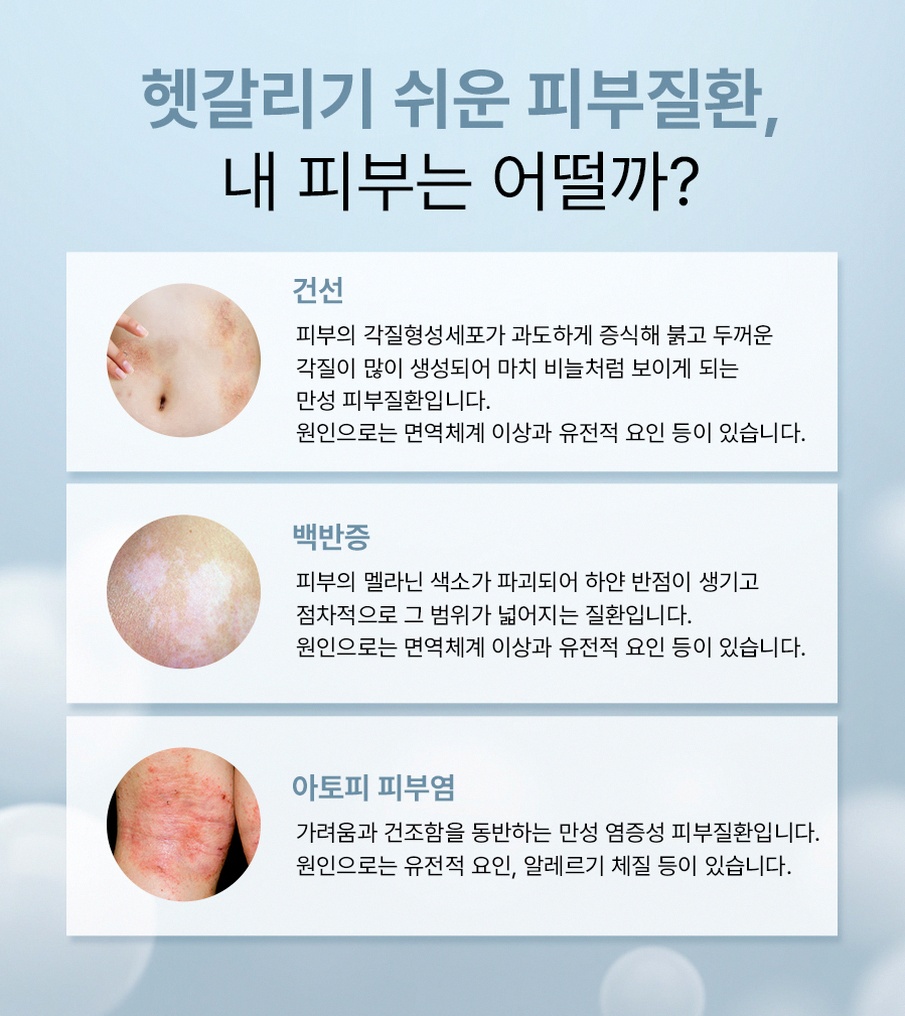
In most cases, psoriasis can be diagnosed clinically based on appearance and distribution. However, if the presentation is atypical or overlaps with other conditions, a small skin biopsy may be recommended. This involves taking a tiny sample of skin under local anesthesia and sending it to a laboratory for microscopic examination.
Because joint involvement is common, you can also expect screening questions about morning stiffness, joint pain, swelling, or changes in finger and toe shape. If psoriatic arthritis is suspected, the dermatologist may refer you to a rheumatologist for further evaluation and coordinated care.
Treatment options for psoriasis
Psoriasis treatment is individualized. The dermatologist will consider the severity and location of lesions, your age, other medical conditions, lifestyle, and treatment history. The goal is to reduce inflammation, clear or improve plaques, relieve symptoms, and prevent flares as much as possible.
Mild psoriasis: topical therapy and skin care
For mild psoriasis, topical treatments are usually the first choice.
Common options include corticosteroid creams or ointments to reduce inflammation and itching. The strength and formulation are selected according to the body area; for example, milder products for the face or skin folds and stronger ones for thick plaques on elbows or knees.
Vitamin D analogs are another group of topical medications that help normalize skin cell growth. They are often used alone or combined with topical steroids in one product, which can improve convenience and adherence.
For very thick or scaly plaques, keratolytic agents such as products containing salicylic acid may be used to soften and remove scales so that other medications can penetrate better.
Scalp psoriasis often requires medicated shampoos, solutions, foams, or gels that can be applied through the hair. These are usually combined with gentle cleansing and avoidance of aggressive scratching or picking.

Regardless of specific medications, regular use of moisturizers and barrier repair creams is essential. Well‑hydrated skin is less itchy, less likely to crack, and may respond better to treatment.
Moderate to severe psoriasis: phototherapy and systemic treatment
When psoriasis covers a larger body area, affects sensitive sites, or does not respond adequately to topical therapy, additional options are considered.
Phototherapy uses controlled doses of ultraviolet light, usually narrowband UVB, to slow down excessive skin cell growth and calm inflammation. Treatment is performed in a medical setting under supervision, with the schedule and dose adjusted according to skin type and response. Some clinics also use targeted devices, such as excimer‑type systems, for localized but stubborn plaques.
Systemic medications are oral or injectable drugs that work throughout the body. Traditional systemic agents include oral retinoids, methotrexate, and cyclosporine. These can be effective for widespread or severe psoriasis but require careful selection and regular blood tests to monitor liver function, kidney function, and blood counts.
Biologic agents are newer injectable medications that target specific immune pathways involved in psoriasis. They are usually considered for patients with moderate to severe disease who do not respond well to conventional systemic therapy or who have significant joint involvement. Before starting a biologic, screening for infections and other risk factors is necessary, and ongoing follow‑up is important to maintain safety.
Scalp and nail psoriasis: special considerations
Scalp and nail involvement can be particularly frustrating. Hair makes it harder to apply creams, and nails grow slowly, so improvement takes time.
For scalp psoriasis, dermatologists often recommend solutions, foams, or sprays that spread easily between hairs, combined with medicated shampoos. Instructions on how long to leave products on the scalp and how to rinse them properly are important for good results.
Nail psoriasis may be treated with topical medications around the nail folds, occlusion techniques, or in some cases injections near the nail matrix. Because fingernails and toenails grow slowly, visible improvement can take several months. Patience and consistent use of prescribed treatments are key.

Lifestyle management and trigger control
Medical treatment works best when combined with lifestyle measures and trigger management.
Common triggers for psoriasis flares include psychological stress, throat or respiratory infections, skin injuries such as scratches or sunburn, certain medications, smoking, excessive alcohol intake, and abrupt stopping of systemic steroids. Discuss any regular medications and supplements with your dermatologist so that potential triggers can be identified.
Daily skin care should focus on gentle cleansing with mild products, avoiding harsh scrubs or loofahs that can injure the skin. Regular use of emollients helps maintain the skin barrier and reduce itching. Sun protection is important; while small amounts of natural sunlight may help some people, sunburn can worsen psoriasis, so sunscreen and protective clothing are still needed.
Stress management can make a noticeable difference. Good sleep hygiene, moderate exercise within your tolerance, and relaxation techniques such as breathing exercises or mindfulness can help reduce flare frequency for some patients.
Weight control is also relevant. Obesity is associated with more severe psoriasis and may reduce the response to certain treatments, including biologics. Gradual, sustainable weight management through diet and activity can support overall health and may improve skin outcomes.
It is wise to avoid self‑medicating with unverified creams, herbal mixtures, or supplements that promise quick cures. Some may irritate the skin or interact with prescribed drugs. Always check with your dermatologist before adding new products.
Why consider Hus-hu Dermatology Clinic Dongtan for psoriasis care
Hus-hu Dermatology Clinic Dongtan is a dermatology clinic located in Dongtan, Hwaseong, providing medical care for psoriasis and other skin diseases. The clinic is led by two board‑certified dermatologists who both graduated from Kyung Hee University School of Medicine and serve as external faculty in the dermatology department of a university hospital, which reflects familiarity with up‑to‑date academic standards.
One of the medical directors is a member of the national psoriasis society and vitiligo society, indicating focused interest and experience in chronic inflammatory and pigmentary skin conditions. The clinic offers a dedicated psoriasis and vitiligo service line that integrates medical evaluation, device‑based therapies such as phototherapy, and long‑term follow‑up.

Consultations and treatment plans are provided directly by dermatology specialists rather than delegated to non‑specialist staff. For international patients, this can provide reassurance that complex decisions about systemic or biologic therapies are made by physicians experienced in managing chronic skin disease.
Clinic environment, equipment, and system
The clinic operates a range of dermatologic lasers and energy‑based devices, as well as phototherapy‑related equipment. These can be used when appropriate for psoriasis itself or for associated problems such as residual redness or prominent blood vessels after plaques improve.
To help patients anticipate costs, the clinic publishes information about non‑reimbursed treatment prices and offers online consultation. This can be useful for overseas visitors who wish to understand potential options and expenses before traveling or before making a local appointment.
The clinic operates without a lunch break on weekdays and Saturdays within its posted hours, which may be convenient if you are working or studying in Dongtan and can only visit before or after work, or between other commitments.
Online reservation is available on selected weekdays through a major local platform, making it easier for nearby residents and international patients staying in the area to schedule visits without phone calls.
Who may consider psoriasis care in Dongtan
You may consider arranging psoriasis care in Dongtan if you:
Have had red, scaly patches for more than a few weeks that do not improve with basic moisturizers.
Notice silvery scales on the scalp, elbows, knees, or back that keep returning.
See nail changes such as pitting, thickening, or separation, especially if combined with skin plaques.
Experience joint pain or stiffness along with a history of psoriasis.
Have already been diagnosed with psoriasis but feel your current treatment is not providing sufficient control.
International residents, expatriates, and medical tourists staying in or near Dongtan can benefit from a structured evaluation and clear, written treatment instructions that can be followed during their stay in Korea and coordinated with doctors in their home country later.

Online consultation and pre‑visit preparation
Before visiting a clinic in Dongtan, an online consultation can help clarify whether your symptoms are likely to be psoriasis and what type of visit you may need.
To make the most of an online or first in‑person consultation, it is helpful to prepare the following:
A brief timeline of when your skin symptoms started and how they have changed.
A list of current medications, including over‑the‑counter products, supplements, and any previous psoriasis treatments.
Information about family history of psoriasis, arthritis, or autoimmune disease.
Notes on possible triggers, such as recent infections, major stress, or new medications.
Clear photos of affected areas taken in good lighting, if an online review is requested.
You may also want to prepare questions such as:
Which type of psoriasis do I have, and how severe is it?
What are the realistic goals of treatment in my case?
What options are suitable for my lifestyle and length of stay in Korea?
How will we monitor for side effects if I start systemic or biologic therapy?
Expected Korea visit timeline for psoriasis care
For medical tourists or overseas residents, it is useful to understand a typical care timeline.
First visit (day 1 to 3 of your stay):
During the initial consultation, the dermatologist will examine your skin and nails, confirm the diagnosis, and assess severity. You will receive an explanation of your condition and an initial treatment plan, often starting with topical therapy and, if indicated, scheduling for phototherapy. Clear instructions on how to apply medications, how long to use them, and what to expect in the first weeks are usually provided.
Short‑term follow‑up (within 2 to 4 weeks):
A follow‑up visit allows the dermatologist to see how your skin responds, adjust the strength or frequency of topical medications, and decide whether to add phototherapy or systemic treatment. For visitors staying in Korea for several weeks, this is an important time to fine‑tune the plan before returning home.
Medium‑term management (1 to 3 months):
If you remain in Korea longer, additional follow‑ups may be scheduled to monitor progress, perform blood tests if you are on systemic therapy, and adjust doses. For biologic therapy, loading doses and early response are often assessed within the first few months.

For shorter stays, the dermatologist can coordinate with your home physician by providing a summary of diagnosis, treatments started, and recommended monitoring, so that care can continue smoothly after you leave Korea.
Aftercare and long‑term management
Psoriasis tends to wax and wane. Even with good treatment, you may experience periods of flare and remission. Long‑term management focuses on keeping symptoms under control, minimizing flares, and reducing the impact on daily life.
After your initial course of treatment, you will likely receive a maintenance plan. This may involve using topical medications intermittently, continuing moisturizers, and attending periodic check‑ups. For those on systemic or biologic therapy, regular monitoring with blood tests and clinical review is essential for safety.
You will also be encouraged to watch for early signs of flare, such as new small plaques or increased itching, and to contact the clinic promptly rather than waiting for the disease to become extensive again. Similarly, new symptoms such as joint pain, vision changes, or signs of infection should be reported quickly.
Lifestyle advice, including stress management, weight control, and avoidance of known triggers, remains part of long‑term care. Education about your condition, treatment options, and self‑management strategies empowers you to participate actively in decisions and daily care.
FAQ about Dongtan psoriasis care
Is psoriasis curable or only controllable?
Psoriasis is generally considered a chronic, immune‑mediated disease. At present, there is no permanent cure that makes it disappear forever, but many treatments can control the symptoms very effectively. The aim is to reduce plaques, relieve itching and discomfort, and keep flares as infrequent and mild as possible. With a good long‑term plan, many people live with minimal interference from psoriasis.
When should I see a dermatologist in Dongtan for suspected psoriasis?
You should consider seeing a dermatologist if red, scaly patches last more than a few weeks, keep coming back in the same areas, or spread despite using basic moisturizers. Sudden onset after an infection, involvement of the scalp or nails, or any joint pain together with skin changes are also reasons to seek evaluation. Early diagnosis helps distinguish psoriasis from other conditions and allows appropriate treatment before it becomes more severe.
What treatments might I receive during a short stay in Korea?
During a short stay, most patients start with topical therapies tailored to their skin type and lesion locations. If needed, you may also receive a short course of phototherapy while you are in Korea. Systemic or biologic therapy can be initiated in selected cases, but this requires careful assessment and planning for follow‑up in your home country. The dermatologist can provide documentation for your local doctor so that treatment and monitoring can continue safely after you return.

Is phototherapy safe, and how often is it done?
Phototherapy uses controlled ultraviolet light under medical supervision. When performed correctly, it is generally considered safe and effective for many people with psoriasis. The frequency depends on your skin type and the protocol used, but sessions are often scheduled two to three times per week at the beginning. The dermatologist will adjust the dose based on your response and any side effects, such as redness or sensitivity, and will discuss expected benefits and limitations with you.
Soft call to action
If you are living in or visiting Dongtan and are concerned about persistent scaly rashes, nail changes, or possible psoriasis, a professional evaluation can clarify your diagnosis and open the door to effective, individualized care. Hus-hu Dermatology Clinic Dongtan offers a structured approach to psoriasis, from detailed assessment and modern treatment options to long‑term follow‑up.
If you are considering psoriasis care in Korea, you may find it helpful to start with an online consultation to review your symptoms, medical history, and expectations. This can help you plan your visit, understand likely treatment steps, and build a sustainable long‑term management plan that continues even after you leave Korea.

- 공유 링크 만들기
- X
- 이메일
- 기타 앱


댓글
댓글 쓰기