Dongtan 2 Ultherapy: 3D Lifting Guide for International Patients
- 공유 링크 만들기
- X
- 이메일
- 기타 앱
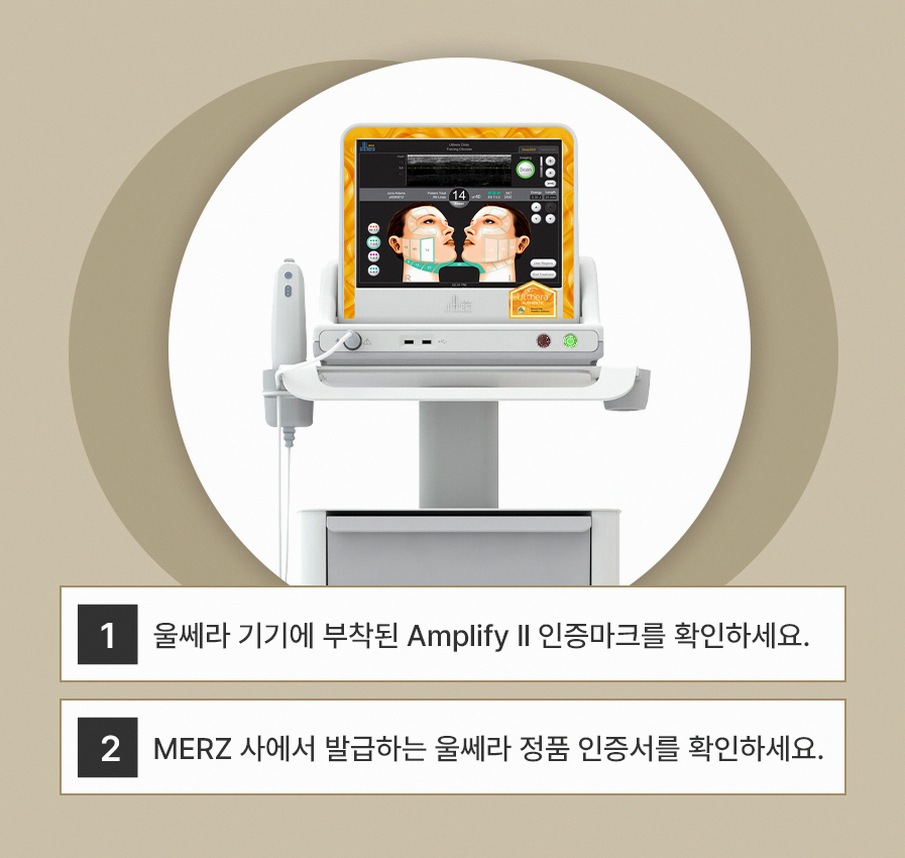
If you are searching for Dongtan 2 Ultherapy, you are most likely looking for a non-surgical lifting option around Dongtan 2 New Town that can tighten the jawline, cheeks, and neck with minimal downtime. Ultherapy is a focused ultrasound treatment that targets the deeper support layer of the face (including the SMAS layer) to stimulate collagen and create a gradual lifting effect. At a dermatology-focused clinic in Dongtan 2, Ultherapy is planned and performed by dermatologists using the genuine Ulthera system, with a structured 3D lifting plan rather than simple shot-count promotions.
This guide explains what Ultherapy is, who it may suit, how it compares to Thermage and Shurink, what to expect when you travel to Korea for treatment, and how to prepare for an online consultation and aftercare.
What is Ultherapy and who is it for?
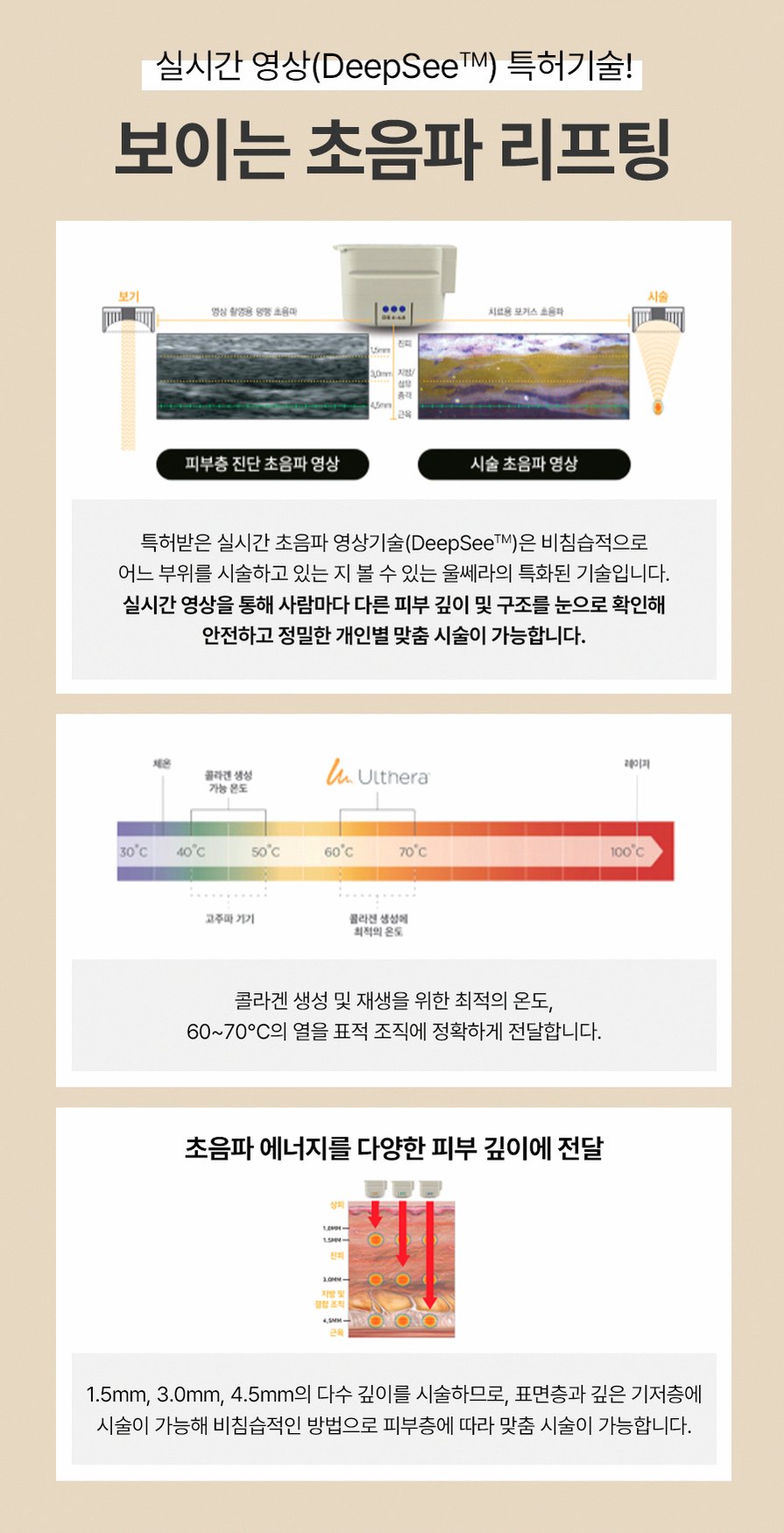
Ultherapy is a non-surgical lifting procedure that uses micro-focused ultrasound energy to heat precise points in the deeper layers of the skin and supporting tissue. Unlike surface laser or light treatments, Ultherapy can reach the SMAS layer, which is the fibrous layer that surgeons also address during a surgical facelift.
The ultrasound energy creates tiny thermal coagulation points in the targeted layers. This controlled heating triggers a wound-healing response, leading to new collagen formation and tightening over time. Because the surface of the skin is not cut, there is usually little to no visible downtime.
Ultherapy is typically considered for people with mild to moderate sagging, such as:
Cheeks that have started to droop and look heavier
Early jowls along the jawline
Softening of the V-line or facial contour
Nasolabial folds and marionette lines that are becoming more noticeable due to laxity
Mild neck sagging or horizontal neck lines
Slight drooping of the eyebrows or upper eyelids
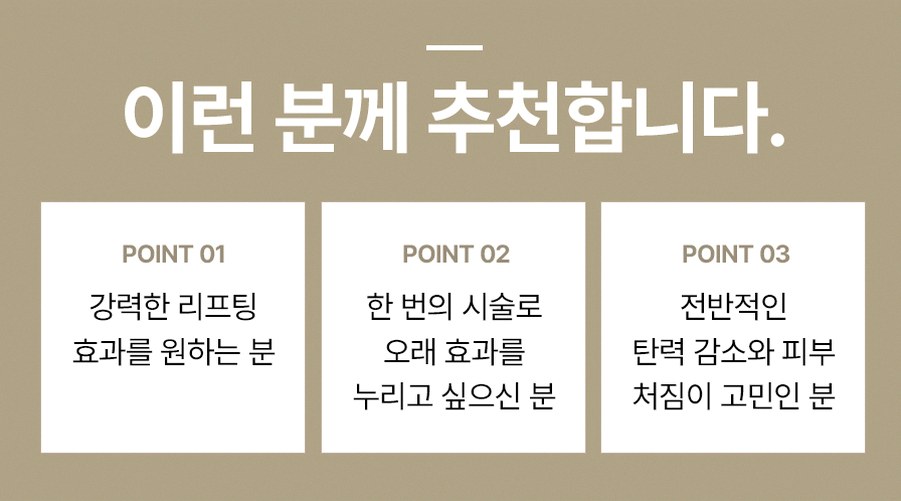
Ideal candidates are often in their late 20s to 50s, when skin elasticity has decreased but a surgical facelift still feels too invasive or premature. Ultherapy is not a weight-loss or fat-removal procedure; it is best for tightening and collagen regeneration rather than reducing volume. For patients with heavier lower-face fat or a double chin, additional options such as fat-dissolving injections or thread lifting may be discussed.
Dongtan 2 Ultherapy at a dermatology clinic level
In Dongtan 2 New Town, you will find both simple beauty salons and medical clinics offering lifting procedures. For Ultherapy, the level of medical expertise and device quality can significantly influence both safety and outcomes.
At Hus-hu Dermatology Clinic Dongtan, Ultherapy is planned and performed by board-certified dermatologists with university-hospital backgrounds. One co-director topped the national dermatology board exam and has experience as head of dermatology at the presidential medical office. The other co-director has formal training at a leading laser institute, which is particularly relevant for safe and effective use of energy-based devices such as Ultherapy, Thermage FLX, and Shurink.
Dermatologist-performed Ultherapy matters because:
The doctor can accurately assess skin thickness, fat distribution, and degree of laxity.
Appropriate cartridges and depths (epidermis, dermis, SMAS) can be selected for each facial zone.
Energy levels can be adjusted to balance safety, comfort, and effectiveness.
Facial danger zones, such as areas near important nerves and bony prominences, can be mapped carefully.
Combination plans with other lifting or skin treatments can be designed based on your overall condition, not just one device.
For international patients, this means your Ultherapy session is not a generic, technician-driven treatment but a medically planned procedure with attention to anatomy and long-term skin health.
3D Ultherapy planning: beyond simple shot counts
Many advertisements for Ultherapy focus on the number of shots or lines. While shot count is one factor, a more medical approach looks at the face in three dimensions rather than as a flat grid.
A 3D Ultherapy concept usually includes:
Vertical lift: Targeting the SMAS and deeper layers in the mid-face and jawline to create an upward lifting effect of the cheeks and lower face.
Contour definition: Focusing on the jawline, jowls, and under-chin area to refine the V-line and reduce the appearance of sagging along the mandibular border.
Skin quality over time: Using appropriate depths and patterns to support gradual improvement in firmness and fine lines as new collagen forms.
Instead of applying a fixed protocol to every face, the dermatologist considers:
Skin thickness (thin, average, or thick skin)
Amount and location of facial fat
Degree and pattern of sagging
Previous lifting treatments (Ultherapy, Thermage, Shurink, threads, fillers)
Tolerance for discomfort and downtime

Based on this assessment, Ultherapy can be used alone or combined with other treatments. For example, Thermage FLX may be recommended for more diffuse dermal tightening and texture, while Shurink might be suggested for lighter maintenance between major lifting sessions. Thread lifting or fat-dissolving injections can be added in selected cases for more structural support or contouring.
The goal of 3D planning is a natural, progressive lift, avoiding an over-tightened or uneven appearance. Results develop gradually over weeks to months, which can be an advantage if you prefer subtle changes rather than an obvious overnight transformation.
Ultherapy vs Thermage vs Shurink: which fits you?
If you are researching Dongtan 2 Ultherapy, you have probably also seen information about Thermage FLX and Shurink. All three are non-surgical lifting or tightening devices, but they work in different ways and suit different needs.
Ultherapy
Technology: Micro-focused ultrasound used in Ultherapy. For specifics about device features or imaging options, confirm during your consultation.
Main target: SMAS and deeper structural layers, as well as selected dermal layers.
Best for: Lifting effect on the jawline, mid-face, and brow; early jowls; mild neck sagging.
Feel: Short bursts of heat and deep tingling; discomfort varies by individual and treatment settings.
Thermage FLX
Technology: Radiofrequency energy delivered through a tip that cools the skin surface.
Main target: Dermis and collagen-rich layers closer to the surface.
Best for: Overall skin firmness, texture, and fine lines; can help with pores and mild laxity.
Feel: Deep warmth; usually more diffuse heat rather than pinpoint sensations.
Shurink
Technology: HIFU (high-intensity focused ultrasound) similar in principle to Ultherapy but with different device characteristics.
Main target: Multiple depths in the dermis and subcutaneous tissue.
Best for: Lighter lifting or maintenance, or for patients seeking shorter sessions or a lower-cost option.
Feel: Brief stinging or heat sensations along the treatment lines.
At a dermatology-focused clinic, the doctor does not need to push a single device. Instead, they can evaluate your skin type, laxity, pain tolerance, and schedule to recommend Ultherapy alone, Thermage alone, Shurink, or a combination plan. For example, some patients may benefit from Ultherapy focused on SMAS lifting plus Thermage FLX for surface tightening and texture improvement.
What to expect: procedure steps and recovery
For overseas patients, understanding the step-by-step process helps you plan your trip and schedule.
Before your visit
You can usually start with an online consultation, sending photos of your face at rest and in profile. The dermatologist can give a preliminary opinion on whether Ultherapy is appropriate, which areas might be treated, and whether additional procedures might be helpful.
On consultation day in Korea
Medical history review: The dermatologist will ask about your general health, previous procedures, medications, and any history of keloids or abnormal scarring.
Facial analysis: Your facial structure, skin thickness, and sagging pattern are assessed. The doctor may gently palpate along the jawline and cheeks to feel the tissue.
Discussion of options: Ultherapy, Thermage, Shurink, threads, or injectables may be discussed. The doctor will explain realistic expectations, possible side effects, and approximate time frame for visible results.
Consent and planning: Once you agree on a plan, you will sign a consent form and schedule the procedure, which can often be done on the same day or within a few days, depending on availability.
On procedure day
Cleansing: Makeup and sunscreen are removed thoroughly.
Marking: The doctor may mark treatment zones and important anatomical landmarks on your face and neck.
Gel application: Ultrasound gel is applied to help transmit the energy.
Energy delivery: The clinic uses Ultherapy equipment to deliver focused ultrasound energy; your provider will explain the device and what to expect. You may feel heat, tingling, or brief sharp sensations during treatment.
Communication: You can give feedback about discomfort, and the doctor can adjust technique or offer additional comfort measures within safe limits.
Duration: Procedure time varies depending on the areas treated; the clinic will advise an estimated appointment length during consultation.
Immediately after treatment
Most patients have minimal visible changes right away. Some may notice slight redness, mild swelling, or tenderness, especially along the jawline or cheekbones. These usually settle within a few hours to a few days.
You can usually return to light daily activities immediately. Many patients feel comfortable going out with light makeup on the same day.
Onset and duration of results
Ultherapy has two phases of effect:
Immediate: Some subtle tightening can be felt or seen due to initial tissue contraction.
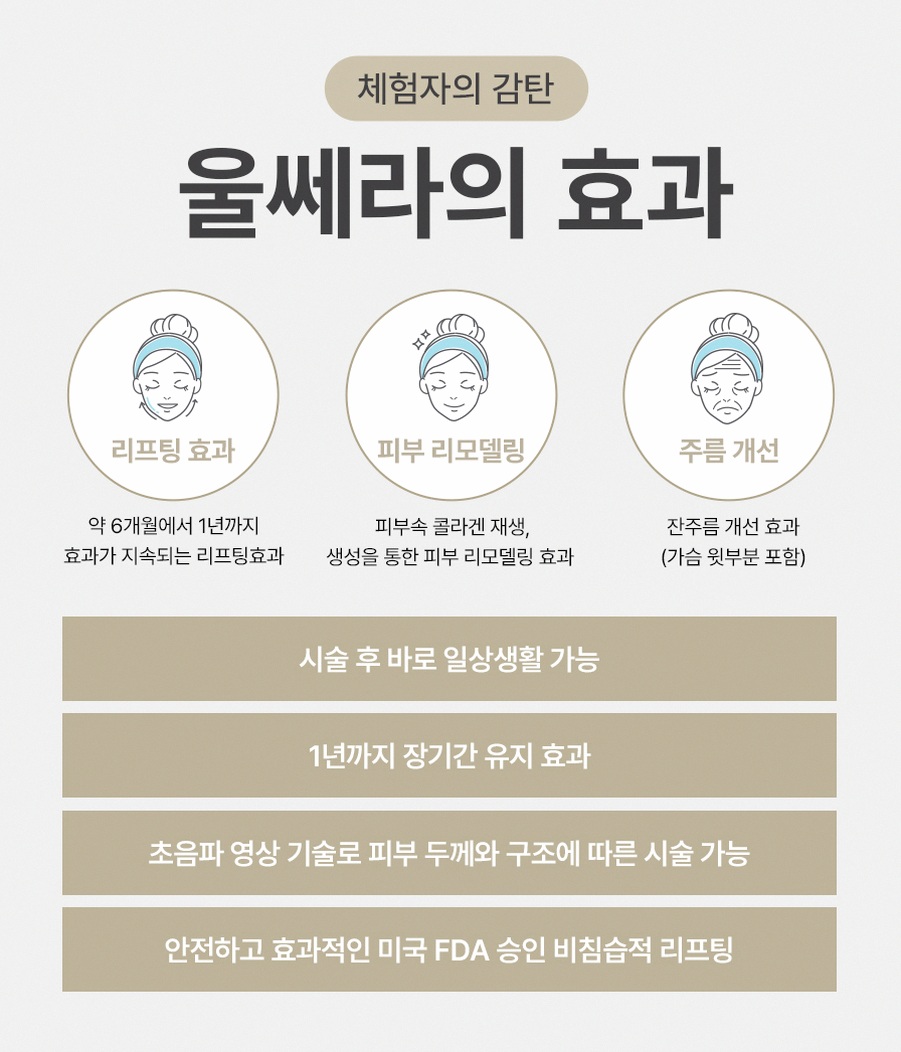
Gradual: Results develop gradually over weeks to months as collagen is remodeled. How long effects last varies by individual and depends on factors such as age, skin condition, and lifestyle — discuss personalized expectations with your dermatologist.
Some patients choose maintenance sessions at intervals recommended by their dermatologist.
Safety, side effects, and how this clinic manages them
Ultherapy is generally considered a safe procedure when performed with a genuine device by trained medical professionals. However, like any medical treatment, it carries potential side effects.
Common temporary effects include:
Redness or mild swelling
Tenderness or soreness along the treated lines
Slight tingling or sensitivity when touching the skin
These usually resolve on their own within days. Makeup can typically be used soon after treatment if the skin surface is intact and not irritated.
Less common but possible side effects include:
Bruising, especially in areas with more blood vessels
Temporary numbness or altered sensation
Mild asymmetry if one side responds differently or if energy is unevenly distributed
Serious complications are rare but can occur if energy is delivered at the wrong depth or inappropriately near nerves. This is why dermatologist-performed mapping and energy setting are important. At a dermatology clinic level, the doctor uses anatomical knowledge and experience to avoid critical structures and adjust settings for each facial zone.
Before treatment, the clinic will explain that Ultherapy is a non-insured cosmetic procedure, discuss fees transparently, and provide pre- and post-care instructions. After treatment, you will receive guidance on what sensations are normal, when to contact the clinic, and how to care for your skin to support healing.
Choosing Ultherapy in Dongtan 2: when to consider other options
Ultherapy is not the only solution for facial aging, and it is not always the main one. A responsible clinic will help you understand when Ultherapy is suitable and when other options may be better.
Situations where Ultherapy alone may not be enough include:
Severe sagging or very heavy jowls
Significant submental fat (double chin) that obscures the jawline
Marked skin redundancy on the neck
In these cases, the dermatologist may suggest combining Ultherapy with:
Thread lifting for mechanical support and repositioning of tissue
Fat-dissolving injections under the chin for contouring
Other lifting devices or, in very advanced cases, referral for surgical options
If your main concern is not sagging but issues such as redness, acne, or pigmentation, the clinic may recommend prioritizing acne, vascular, or pigmentation programs before or alongside lifting. This is especially relevant if active inflammation or sensitive skin would make high-energy lifting uncomfortable.
Because the clinic offers a broad range of dermatologic treatments, recommendations can be tailored to your overall skin health rather than limited to a single device.
Online consultation and pre-visit preparation
For international patients planning Ultherapy in Dongtan 2 New Town, an organized pre-visit process makes your trip smoother.
Online consultation
Most overseas patients start with an online consultation. You can usually contact the clinic through its website or designated messaging channels and provide:
Clear photos of your face from the front, 45-degree angles, and side
Information about your age and main concerns (jawline, cheeks, neck, brow, etc.)
History of previous procedures such as Ultherapy, Thermage, Shurink, threads, fillers, or Botox
Any important medical conditions or medications
The dermatologist can then give a preliminary opinion on whether Ultherapy is appropriate, which areas might be treated, and a rough idea of how many sessions or combination treatments may be needed. Exact plans are confirmed only after an in-person examination.
Questions to prepare before consultation
To make the most of your online or in-person consultation, it helps to prepare a short list of questions, for example:
Which areas of my face and neck are suitable for Ultherapy?
Would you recommend Ultherapy alone, or in combination with Thermage, Shurink, or threads?
How many days after treatment should I stay in Korea before flying home?
What level of discomfort should I expect, and what pain-control options are available?
How long should I wait before having other treatments such as fillers or Botox?
Bringing this checklist helps you compare clinics and understand differences in approach beyond price alone.
Expected Korea visit timeline for Ultherapy
While schedules can be customized, the following is a typical timeline for an overseas patient coming to Dongtan 2 for Ultherapy.
Day 1: Arrival and consultation
Arrive in Korea and travel to Dongtan 2 New Town.
Visit the clinic for an in-person consultation, facial analysis, and final treatment planning.
If time and schedule allow, Ultherapy may be done on the same day.
Day 2–3: Procedure and early recovery
If not done on Day 1, undergo Ultherapy on Day 2.
Expect mild tenderness or swelling, but most daily activities remain possible.
You can usually enjoy light sightseeing, shopping, or dining in the area.
Day 3–5: Follow-up (optional)
Some patients schedule a brief follow-up visit to check the skin and discuss aftercare.
If your stay is short, the clinic may provide detailed written or digital instructions instead.
Because Ultherapy has minimal visible downtime, many patients feel comfortable flying home within a day or two after treatment. However, if you are combining multiple procedures or have sensitive skin, allowing a few extra days can be more comfortable.
Aftercare and long-term maintenance
After Ultherapy, simple but consistent care supports healing and collagen formation.
Short-term aftercare
Avoid very hot saunas or intense facial massages for a short period as advised by the clinic.
Use gentle cleansers and moisturizers; avoid harsh scrubs or strong acids immediately after treatment.
Apply sunscreen daily, as UV exposure can accelerate collagen breakdown.
If you experience mild tenderness, over-the-counter pain relief may be suggested by the doctor.
Long-term maintenance
Results build over 2 to 3 months. During this time, you can continue your usual skincare routine, focusing on sun protection and hydration.
Maintenance options may include:
Repeating Ultherapy at intervals recommended by your dermatologist
Using Shurink or other lighter treatments between major sessions
Combining with injectables such as Botox or skin boosters, with timing planned to avoid interference
Considering Thermage or other devices if texture and pore issues are a priority
Regular follow-up, either in person during future visits to Korea or via online consultation with updated photos, can help adjust your plan as your skin and aging pattern evolve.
Practical information for Dongtan 2 Ultherapy patients
Hus-hu Dermatology Clinic Dongtan is located on the 3rd floor of Port Central City on Dongtandaero Sibeom-gil 146, in Dongtan 2 New Town, Hwaseong, Gyeonggi Province. The area is convenient for local residents and accessible from major parts of the Seoul metropolitan region.
The clinic offers daytime and evening hours on weekdays, with Saturday morning availability, which is helpful if you are fitting treatment into a tight travel schedule. Online reservation via Naver is available on certain weekdays, and phone booking is also possible for those already in Korea.
When you come for consultation, bring or prepare:
A list of your main concerns (jawline, cheeks, neck, brow, etc.)
Any previous treatment records or at least an approximate timeline of past procedures
A list of medications and health conditions
Your upcoming travel schedule, so the doctor can plan appropriately
Frequently asked questions
How long does Ultherapy last?
Ultherapy results usually develop over 2 to 3 months as new collagen forms. Many patients maintain visible improvement for about 1 year or longer, but this varies by age, skin quality, lifestyle, and how fast you naturally age. Your dermatologist can suggest a personalized maintenance interval, which might range from yearly to every couple of years, sometimes with lighter treatments in between.
Is Ultherapy very painful?
Discomfort during Ultherapy depends on individual sensitivity, the areas treated, and the energy settings used. Patients often describe brief stinging or deep heat with each line of energy. At a dermatology clinic, the doctor can adjust parameters and offer pain-control strategies while still prioritizing effectiveness. Communicating openly about your pain tolerance during the procedure helps the team find the right balance for you.
Can Ultherapy replace a surgical facelift?
Ultherapy is designed for mild to moderate sagging and cannot fully replicate the effect of a surgical facelift in cases of very advanced laxity. However, it can be a useful option for those who are not ready for surgery, prefer a non-invasive approach, or want to delay the need for surgical intervention. During consultation, the dermatologist will assess whether your degree of sagging is appropriate for Ultherapy or whether other options should be considered.
How is Ultherapy at a dermatology clinic different from beauty salons or non-dermatology centers?

At a dermatology clinic, Ultherapy is planned and performed or directly supervised by board-certified dermatologists who understand facial anatomy, nerve pathways, and tissue behavior. Genuine Ulthera devices and appropriate cartridges are used, with careful selection of depth and energy for each zone. In addition, the clinic can safely combine Ultherapy with other medical treatments such as Thermage, Shurink, threads, or injectables, and manage any side effects if they occur.
Can I combine Ultherapy with fillers or Botox?
Combination treatments are common, but timing and sequence matter. In many cases, Ultherapy is performed before fillers in the same area, to avoid disrupting filler placement. Botox can often be done either before or after, depending on the treated regions. Your dermatologist will design a schedule that respects the mechanisms of each treatment and minimizes interference, especially if you are visiting Korea for a limited time.
Soft call to action for online consultation
If you are considering Dongtan 2 Ultherapy and would like a medically guided plan rather than a simple shot-count promotion, you can start with an online consultation with Hus-hu Dermatology Clinic Dongtan. By sharing clear photos and your treatment history in advance, you can receive a preliminary assessment and a realistic outline of what Ultherapy and related lifting options might achieve for you.
This article is for general information only and does not replace a personal consultation with a qualified medical professional. Individual results and suitability for Ultherapy vary, so please discuss your specific situation directly with a dermatologist before deciding on any procedure.

- 공유 링크 만들기
- X
- 이메일
- 기타 앱


댓글
댓글 쓰기