Dongtan 2 Ultherapy Lifting Guide for International Patients
- 공유 링크 만들기
- X
- 이메일
- 기타 앱
Direct answer summary
It is usually chosen by people who want better jawline definition, less drooping around the cheeks and mouth, and some tightening under the chin and neck without surgery.
In Dongtan 2 New Town, some clinics list 3D Ultherapy among their treatment options. Some Ultherapy systems offer ultrasound visualization during treatment; confirm with your clinic whether they use imaging to guide treatment depth. For overseas patients, clinics commonly offer online consultation for pre-visit assessment and post-visit follow-up, but check directly with the clinic if they provide any travel or itinerary assistance.
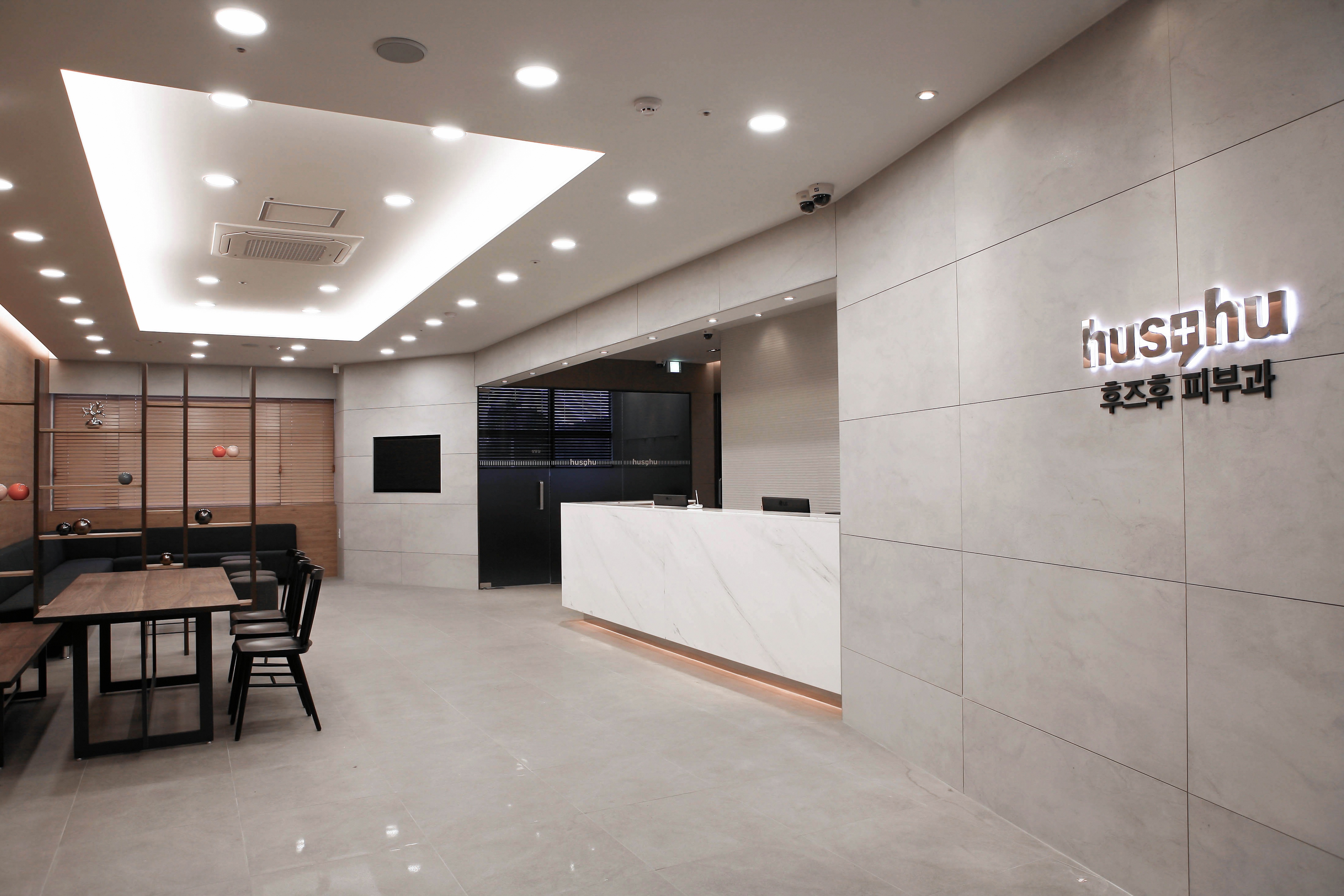
This guide explains what Ultherapy is, who may benefit, how a visit to Korea typically works, and what to ask before booking at a clinic such as Hus-hu Dermatology Clinic Dongtan.
Treatment overview
Ultherapy is a non-surgical lifting procedure that uses focused ultrasound energy to heat specific layers under the skin. Unlike surface treatments that only work on the outer skin, Ultherapy can reach the SMAS layer, which is the fibrous support layer that surgeons also target during a facelift.
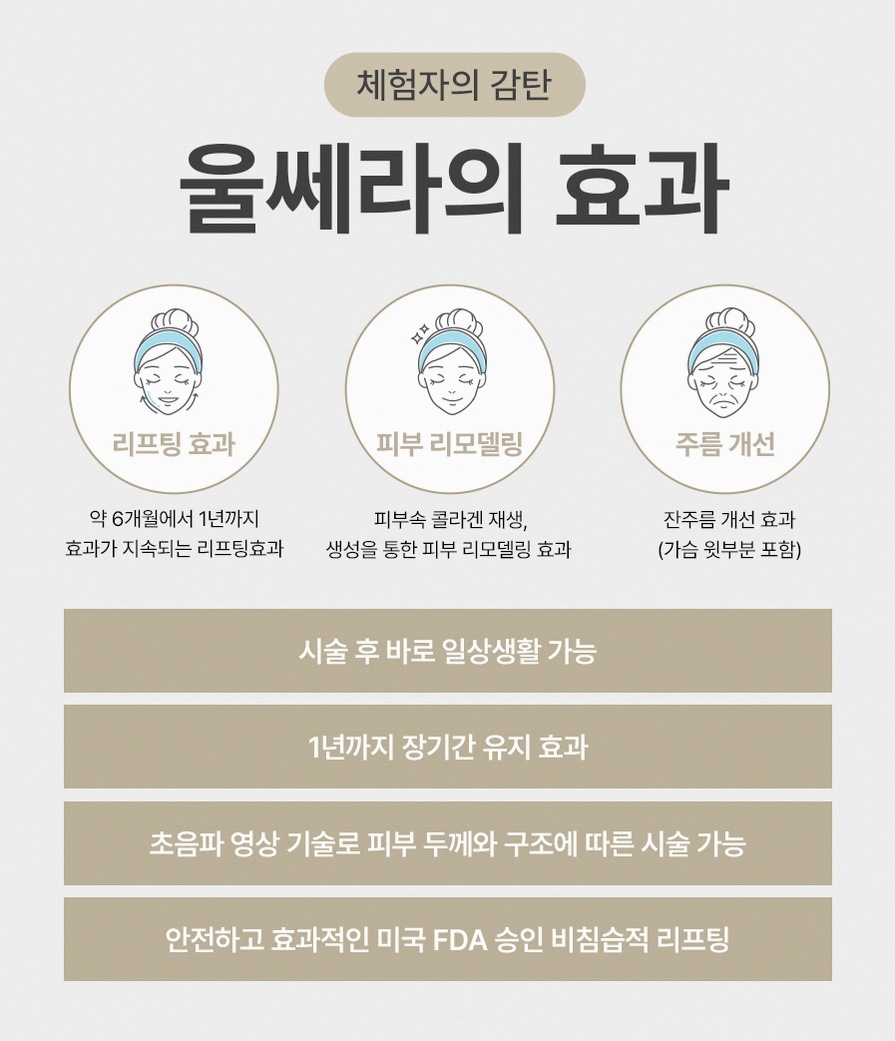
When ultrasound energy is delivered to this layer and to the deep dermis, it creates precise zones of thermal injury. Your body responds by producing new collagen and tightening existing collagen fibers over time. The goal is a firmer contour along the jawline, reduced early jowls, softer nasolabial folds, and some improvement in neck laxity.
Because it is a medical device procedure, Ultherapy should be planned after a medical consultation. The doctor evaluates your facial structure, skin thickness, and degree of sagging, and then decides whether Ultherapy alone or in combination with other devices will be appropriate.
What Ultherapy does for sagging skin in the Dongtan 2 area
For local residents and visitors staying around Dongtan 2 New Town, Ultherapy is often chosen for early signs of aging rather than very advanced sagging. It is typically used for:
Jawline and jowls: to improve the transition between face and neck and reduce early drooping along the lower face.
Cheeks and nasolabial folds: to support mid-face tissues and reduce the feeling of heaviness around the mouth.
Double chin and upper neck: for mild to moderate laxity and early double chin related to skin looseness rather than very thick fat.
Eye area and brow: for gentle lifting of the brow and tightening of the upper cheek and under-eye region in selected patients.
Ultherapy is not a spa facial or a simple beauty treatment. It is a medical lifting procedure that should be customized to your anatomy. In Dongtan 2, some dermatology-led clinics emphasize careful indication setting rather than simply offering a large number of shots at a low price.
3D Ultherapy and real-time ultrasound mapping
3D Ultherapy refers to an approach where the doctor uses multiple cartridges and shot patterns to cover the face and neck in three dimensions: different depths, different planes, and different facial zones.
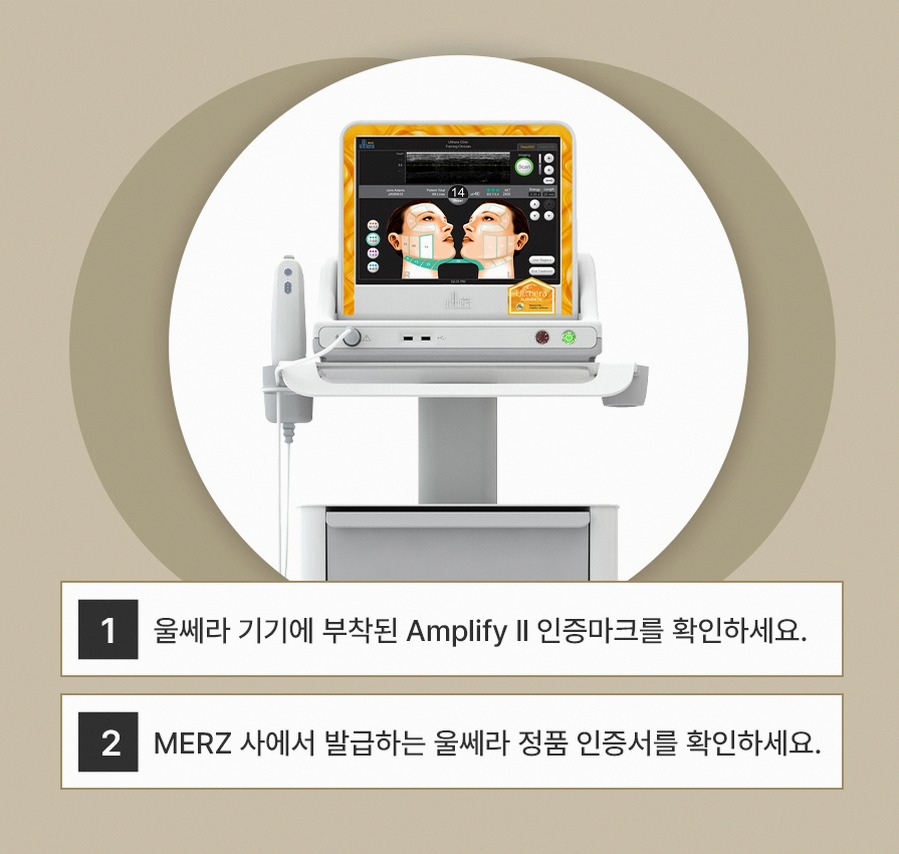
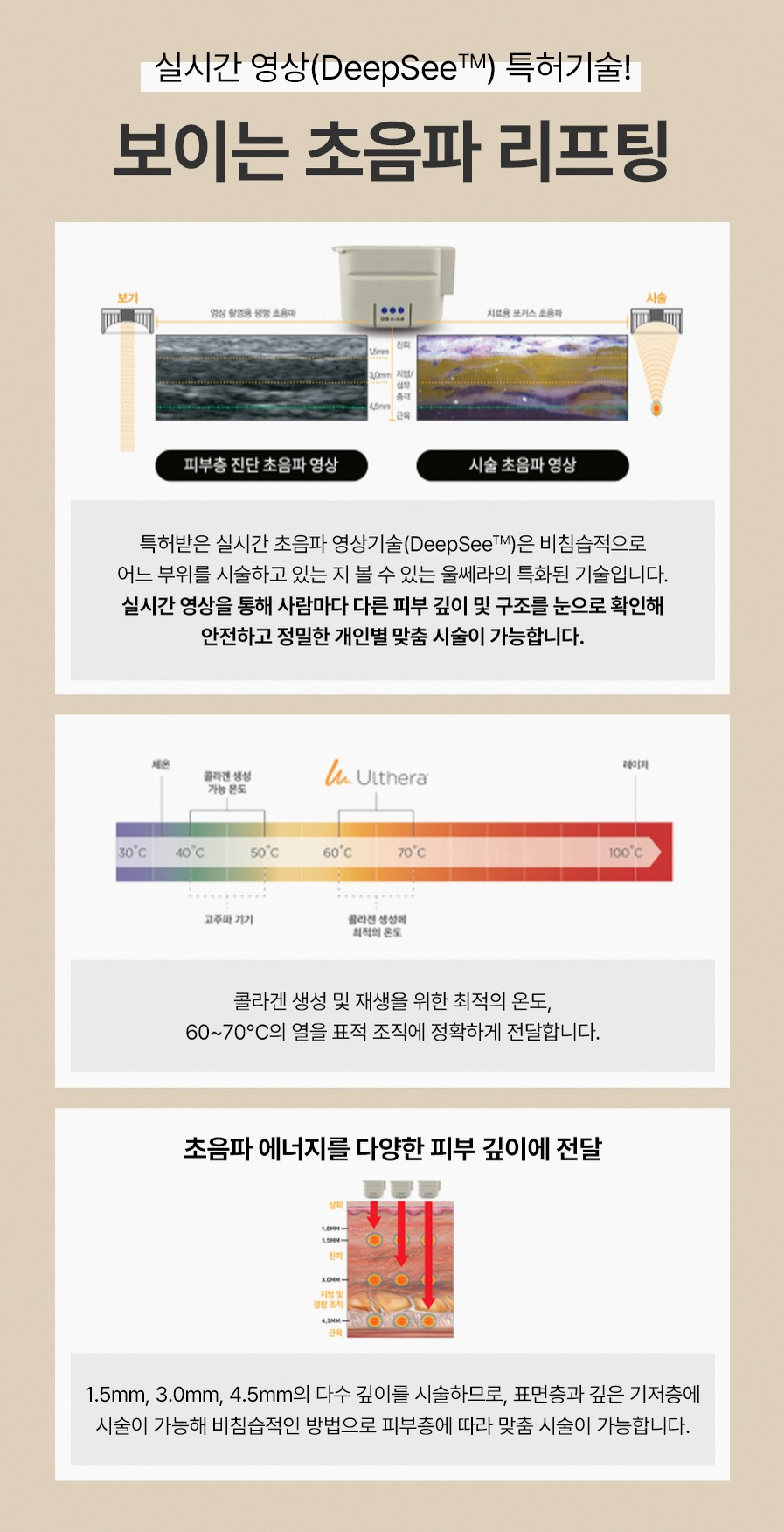
Real-time ultrasound visualization is a key feature. During the procedure, the doctor can see a cross-section of your tissue on a monitor. This helps to:
Identify the SMAS layer and deep dermis.
Avoid delivering energy into bone or too superficially into the fat layer.
Adjust depth and energy according to whether your skin is thin or thick.
This is especially important around delicate areas such as the eye region, along the jawline where nerves run, and in patients with very lean faces. Clinics with strong experience in energy-based devices, including those whose doctors have overseas laser training, tend to pay close attention to this mapping process rather than relying only on preset protocols.
Who may consider Ultherapy in Dongtan 2
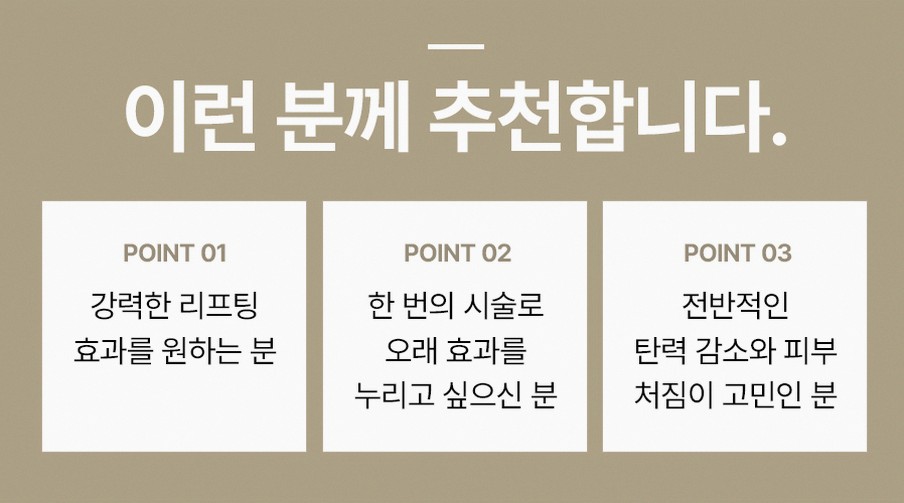
Ultherapy is usually considered by adults from their mid to late 30s and older who notice early or moderate sagging but are not ready for surgery. You may be a suitable candidate if you:
See early jowls or a blurred jawline when looking at side photos.
Notice mild double chin or neck looseness that bothers you in profile.
Feel that your cheek area looks heavier and folds around the mouth look deeper.
Prefer a procedure with minimal downtime and wish to maintain results with periodic treatments.

Ultherapy may be less suitable as a stand-alone treatment if:
You have very severe sagging with heavy tissue and deep folds.
There is significant fat under the chin that would respond better to fat reduction methods.
You expect a dramatic surgical facelift type result.
In such cases, a combination approach is often discussed. For example, Ultherapy for deeper lifting, Thermage FLX for skin tightening and texture, Shurink or other HIFU devices for specific zones, thread lifting for sharper jawline definition, or injectables for volume correction. A dermatologist-led clinic can explain which layers each treatment targets and design a realistic plan.
Ultherapy procedure step by step
While details can vary slightly between clinics, an Ultherapy session in Dongtan 2 generally follows these steps:
- Pre-consultation
- You first meet a dermatologist for a detailed consultation. The doctor:
Reviews your medical history, medications, and previous lifting or filler treatments.
Examines your face and neck from multiple angles.
Assesses skin thickness, fat distribution, and degree of sagging.
Discusses your concerns, such as jawline, double chin, or eye area.
At clinics like Hus-hu Dermatology Clinic Dongtan, this consultation is performed by dermatology specialists who are familiar with facial anatomy and energy-based devices.
- Treatment planning
- Based on the consultation, the doctor designs a plan that includes:
Which areas to treat: full face, lower face, jawline, neck, or around the eyes.
Which cartridges to use: for example, deeper cartridges for SMAS and mid-depth cartridges for dermis.
Approximate shot count range and energy settings suitable for your tissue.
Whether Ultherapy should be combined with other lifting or skin treatments during the same visit or in stages.
- Pain control and preparation
- Before starting, numbing cream is usually applied to reduce discomfort. In some cases, oral pain control or additional methods may be offered depending on your pain sensitivity and clinic policy.
The treatment area is cleansed, and ultrasound gel is applied. The doctor may first scan the area with the ultrasound viewer to confirm the target layers.
- Energy delivery with real-time imaging
- During the procedure:
The handpiece is placed on the skin and the ultrasound image appears on the screen.
The doctor adjusts the depth and confirms the SMAS or dermal layer.
Ultrasound shots are delivered along pre-planned lines.
You may feel heat and a deep tingling or prickling sensation with each shot.
The session typically takes about 30 to 60 minutes depending on the number of areas and shot count.
- Immediately after treatment
- Once the procedure is finished, the gel is removed and the skin is gently cleaned. Cooling may be applied if needed. The doctor explains:
What you may feel over the next few days.
When you can expect visible changes.
Which activities or skincare products to avoid temporarily.
Your follow-up schedule, which can include in-person visits while you are in Korea and online check-ins after you return home.
Pain, downtime, and when you see results
Pain perception with Ultherapy varies. Some patients describe it as tolerable discomfort, while others feel moderate pain, especially over bony areas such as the jawline, forehead, and cheekbones.
To manage this, clinics typically use a combination of numbing cream, cooling, and communication during the procedure. You can tell the doctor when an area feels too intense so the pace or energy can be adjusted within safe limits.
Downtime is usually minimal:
Most people can return to daily activities immediately.
You may notice temporary redness right after treatment, which often settles within hours.
Mild swelling, tenderness, or a feeling of tightness along the jawline or when chewing can last for a few days.
Some people report slight numbness or tingling in certain areas for days to weeks, which usually resolves.
In terms of results:
Some patients notice a subtle immediate tightening from tissue contraction. The main improvement develops gradually over weeks to months as new collagen forms. How long results last varies by individual; effects may be sustained for several months, and maintenance timing depends on factors such as age, lifestyle, and skin condition.
Results are not permanent, and natural aging continues. Many patients choose maintenance sessions at intervals recommended by their dermatologist.
Why doctor-performed Ultherapy matters more than shot count
In some advertisements, Ultherapy is promoted mainly by the number of shots. However, a very high shot count does not automatically mean better results. The key factors are:
Correct depth: Energy must reach the SMAS or dermis, not bone or superficial fat.
Accurate mapping: Real-time ultrasound imaging helps avoid critical structures and adjust for individual anatomy.
Thoughtful patterning: Shot lines should follow the direction of lifting and respect nerve pathways.
Dermatologists with strong anatomical knowledge and experience in ultrasound-based devices are in a better position to plan this precisely. At clinics with two dermatology directors, including those with university hospital teaching experience or service at high-trust medical units, there is often a strong emphasis on safety and anatomy-based planning rather than purely on volume of shots.
When a clinic also offers multiple lifting options such as Ultherapy, Thermage FLX, SkinTyte, Shurink, thread lifting, and injectables, the doctor can suggest the most appropriate combination for your face instead of pushing a single device for everyone.
Safety, side effects, and how risks are managed
Ultherapy is generally considered a safe procedure when performed by trained doctors using proper settings. Still, like any medical treatment, it has potential side effects and risks.
Common temporary effects can include:
Redness or flushing right after treatment.
Mild swelling or puffiness.
Tenderness, tingling, or slight numbness in treated areas.
Sensitivity along the jawline or when chewing.
These usually improve within days to a few weeks.
Less common risks include:
Bruising in certain areas.
Localized pain that lasts longer than expected.
Rare nerve irritation, which may cause temporary weakness or altered sensation.
Contour irregularities if energy is misapplied.
Real-time ultrasound imaging, careful depth selection, and adherence to safety protocols help reduce these risks. Clinics where board-certified dermatologists perform or directly supervise the procedure typically also provide clear aftercare instructions and encourage you to contact them if you notice anything unusual.
Combining Ultherapy with other lifting and anti-aging options
Many patients in their 40s, 50s, or older benefit from a layered approach to anti-aging. In Dongtan 2, dermatology-led clinics may combine Ultherapy with other treatments, for example:
Ultherapy plus Thermage FLX: Ultherapy focuses on deeper SMAS lifting, while Thermage uses radiofrequency to tighten the dermis and improve texture and fine lines.
Ultherapy plus Shurink or other HIFU: Ultherapy for core lifting, with additional HIFU sessions for maintenance or specific zones.
Ultherapy plus thread lifting: Ultherapy supports deeper structures, while threads provide more visible contouring along the jawline or mid-face.
Ultherapy plus injectables: Skin boosters, volumizing fillers, or anti-aging injections can be added to address volume loss or dynamic wrinkles, while Ultherapy addresses sagging.
The exact combination and timing should be decided after a face-to-face consultation, considering your age, skin quality, and how long you can stay in Korea.
Online consultation and pre-visit preparation
For overseas patients planning a visit to Dongtan 2 New Town, starting with an online consultation is very helpful. Before contacting the clinic, prepare the following:
Clear photos of your face from the front, 45-degree angle, and side, including neck and jawline.
Information about previous treatments: Ultherapy, HIFU, Thermage, threads, fillers, or surgery.
Your main concerns: for example, jawline sagging, double chin, drooping cheeks, or tired-looking eyes.
Your available travel dates and how many days you can stay in Korea.
During online consultation, you can ask:
Whether Ultherapy is likely to be effective for your degree of sagging.
If a combination with Thermage, threads, or injectables is recommended.
How many sessions are likely needed and what interval between them.
Expected recovery timeline so you can plan sightseeing or work.
Clinics such as Hus-hu Dermatology Clinic Dongtan have transparent policies for non-insured treatments and may provide approximate price ranges and treatment plans after reviewing your information. Exact details are usually finalized after in-person examination.
Expected Korea visit timeline for Ultherapy
If you are flying to Korea mainly for Ultherapy in Dongtan 2, a typical schedule might look like this:
Day 1: Arrival and rest, or light activities.
Day 2: In-person consultation, skin analysis, and same-day Ultherapy if you and the doctor agree.
Day 3 to 4: Light swelling or tenderness may be present, but most daily activities and local travel are usually possible.
Day 5 and beyond: Many visitors feel comfortable flying back home within a few days after treatment.
If you are planning combination treatments, such as Ultherapy plus Thermage or threads, your stay may need to be slightly longer to allow for scheduling and follow-up checks. Discuss this with the clinic in advance.
Aftercare and follow-up for international patients
After Ultherapy, basic aftercare is usually straightforward:
Avoid very hot saunas or intense facial massages for a short period as advised by your doctor.
Use gentle skincare and sun protection while the skin feels sensitive.
Report any unusual pain, weakness, or persistent numbness to the clinic.
For international patients, follow-up often includes:
A short in-person review if your schedule allows before leaving Korea.
Online follow-up at around 2 to 3 months to assess progress.
Discussion of when a maintenance session might be appropriate, often in the 12 to 18 month range depending on your response.
What to ask before booking Ultherapy in Dongtan 2
When comparing clinics in Dongtan 2 New Town and the wider Hwaseong area, it is useful to look beyond price and ask practical questions, such as:
Will a board-certified dermatologist be directly involved in my consultation and treatment planning?
Is real-time ultrasound imaging used during the procedure to confirm depth and target layer?
How is the shot plan customized to my face rather than using a fixed number for everyone?
What other lifting options are available if Ultherapy alone is not ideal for my skin type and degree of sagging?
How will pain control be handled, and what kind of follow-up support is available after I return to my home country?
Taking notes on these points before you contact clinics can help you compare not only cost but also medical approach, equipment, and aftercare.
Practical information for local and overseas patients
In Dongtan 2 New Town, Hus-hu Dermatology Clinic Dongtan is located on the third floor of a mixed medical and commercial building along a main road, making it accessible for both local residents and visitors staying nearby. The clinic operates without a lunch break on weekdays, offers extended evening hours on Friday, and shorter hours on Saturday, which can be convenient if you are trying to fit treatment into a tight travel schedule.
Online reservation is available on selected weekdays through a major local portal system, and overseas patients can usually start with an email or messaging-based consultation. When you come for your appointment, bring any relevant medical records, a list of previous lifting or filler treatments, and your main concerns so the dermatologist can design a realistic Ultherapy plan for you.
FAQ
Is Ultherapy effective for jawline and mild double chin?
Ultherapy can be helpful for early jowls and mild double chin when the main issue is skin laxity rather than very thick fat. By tightening the SMAS layer and deep dermis, it can improve jawline definition and reduce the feeling of heaviness in the lower face. However, if there is significant fat under the chin or very advanced sagging, additional treatments may be needed.
How often should I repeat Ultherapy?
Many patients repeat Ultherapy every 12 to 18 months, depending on age, skin condition, and lifestyle factors such as sun exposure and smoking. Some people feel satisfied for longer and return less frequently. The ideal interval is best decided with your dermatologist after seeing how long the first result lasts for you.
Can Ultherapy replace a surgical facelift?
Ultherapy is a non-surgical option that works best for early to moderate sagging. It can provide noticeable tightening and lifting for suitable candidates, but it does not fully replace the effect of a surgical facelift in very advanced cases. If your sagging is severe, your dermatologist may explain the limitations of Ultherapy and discuss whether a combination approach or surgical consultation would be more appropriate.

Is there any special preparation before Ultherapy?
Before Ultherapy, it is usually recommended to avoid strong sun exposure and to inform your doctor about any recent fillers, threads, or other procedures in the treatment area. You should also share your full medical history, medications, and any tendency to bruise easily. Discuss your pain tolerance and any concerns about downtime during consultation so that pain control and scheduling can be planned appropriately.
Can I combine Ultherapy with Thermage or threads at the same clinic?
Combination treatments are common, and many clinics in Dongtan 2 offer Ultherapy together with Thermage FLX, Shurink, and thread lifting. Combining treatments allows the dermatologist to target different layers and concerns, such as deep lifting, skin surface tightening, and contour definition. The exact combination and timing should be customized to your needs and travel schedule.
Soft call to action
If you are considering Ultherapy during a visit to Korea and are staying around Dongtan 2 New Town or Hwaseong, you can start by arranging an online consultation with a dermatology-led clinic such as Hus-hu Dermatology Clinic Dongtan. Share your photos, concerns, and travel dates so the medical team can advise whether 3D Ultherapy, alone or in combination with other lifting options, is suitable for you and help you plan a realistic treatment schedule.
All medical information in this article is for general guidance only and does not replace a personal consultation with a qualified dermatologist. Individual conditions, risks, and results vary, so always discuss your specific situation with your doctor before deciding on any treatment.

- 공유 링크 만들기
- X
- 이메일
- 기타 앱


댓글
댓글 쓰기