Dongtan vitiligo care and treatment options for international patients
- 공유 링크 만들기
- X
- 이메일
- 기타 앱
Direct answer summary
If you are searching for “Dongtan vitiligo” because you or your child has new white patches on the skin, it is important to know that vitiligo is a chronic but manageable skin disease. It is not contagious, and many people improve with early diagnosis and consistent medical treatment. In Dongtan, you can find dermatology services where vitiligo is treated as a medical skin condition, not only as a cosmetic concern, with care plans that combine prescription creams, light-based therapies, and lifestyle guidance tailored to each patient.
Hus-hu Dermatology Clinic Dongtan provides vitiligo diagnosis and management by board-certified dermatologists with university hospital teaching experience, including a lead dermatologist who is active in vitiligo- and psoriasis-related academic societies. This background supports an evidence-based, long-term approach for both adults and children.
What is vitiligo and why people in Dongtan search for it
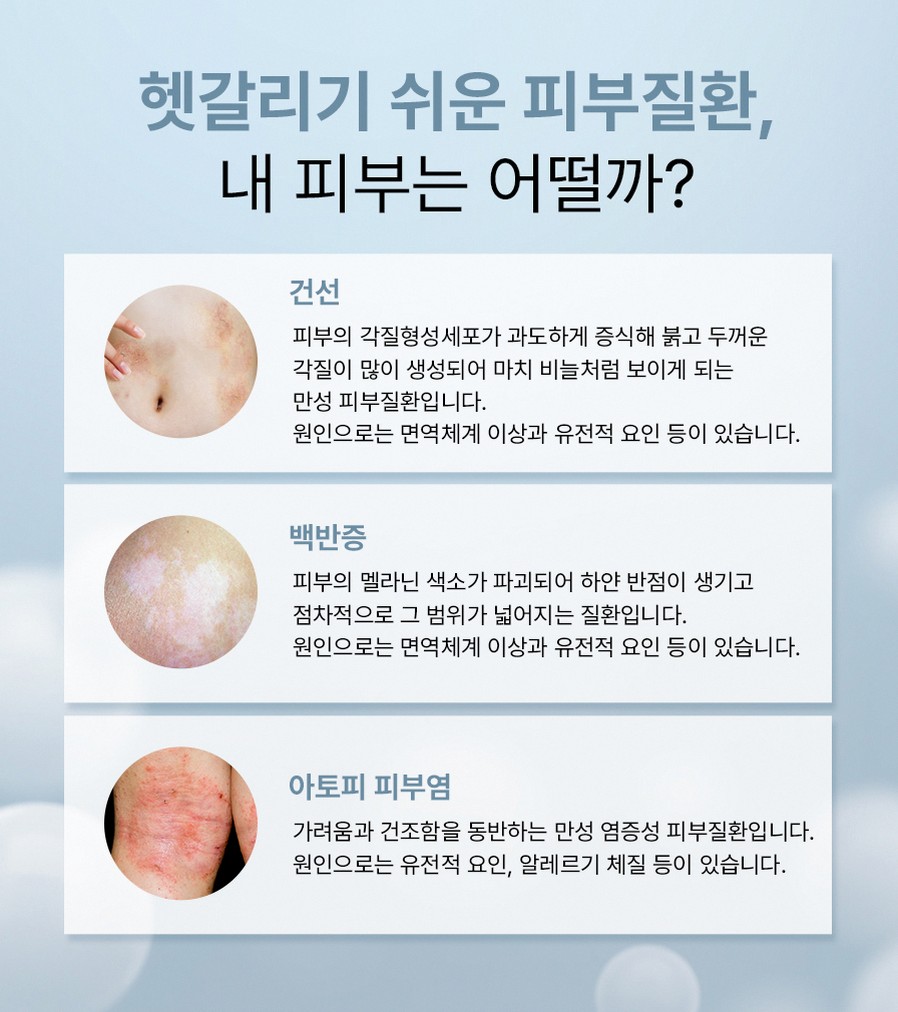
Vitiligo is an acquired skin disorder in which melanocytes, the pigment-producing cells, are damaged or destroyed. When these cells stop working, the affected areas lose color and become clearly defined white patches. These patches can appear on any part of the body, often starting as small pale or milky-white spots that slowly enlarge.
Vitiligo is not an infection and cannot be passed from person to person. It can occur in both adults and children, and in any skin type. In some families, more than one person may be affected, which suggests a genetic and autoimmune component.
People in Dongtan and nearby Hwaseong often search for “Dongtan vitiligo” when they first notice white patches on the face, hands, or body and are unsure whether it is a serious disease, a fungus, or simply dry skin. Because online images and information can be confusing, many parents and adults want a clear explanation of what vitiligo is, how it progresses, and what treatment options exist in their local area.
Vitiligo is considered a chronic condition, meaning it can last for many years. However, chronic does not mean untreatable. With appropriate medical care, many patients experience repigmentation (return of color) in some areas or at least slowing of further spread.
Common locations and patterns of vitiligo
Vitiligo often appears in areas that are more visible or subject to friction. Typical sites include the face, especially around the eyes and mouth, the hands and fingers, elbows and knees, body folds such as armpits and groin, and areas where clothing rubs repeatedly.
Some people develop localized vitiligo in just a few areas, while others may have more widespread involvement. The pattern and speed of spread vary greatly between individuals, which is why a personalized treatment plan is important.
How to recognize early vitiligo symptoms
Early vitiligo symptoms can be subtle. At first, you may notice a small, round or irregular pale spot that looks slightly lighter than the surrounding skin. Over weeks or months, this spot may become more clearly white and may slowly increase in size or merge with nearby spots.
In some cases, hair growing within the patch, such as eyebrows, eyelashes, or body hair, may also turn white. On tanned or darker skin, the contrast is often more obvious, which can cause emotional distress even when the affected area is physically small.
Many people initially mistake vitiligo for common conditions such as dry skin, tinea versicolor (a superficial fungal infection), or post-inflammatory hypopigmentation, which is temporary lightening after a rash or injury. Because these conditions look similar in photos, self-diagnosis is often unreliable.
When to suspect vitiligo and see a dermatologist in Dongtan
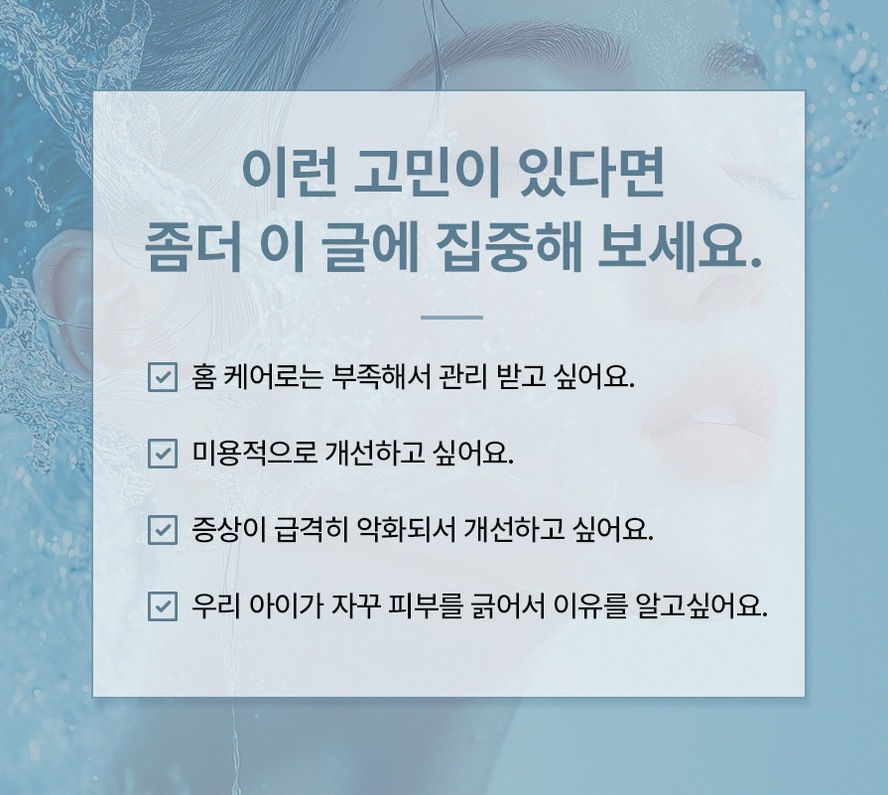
You should consider an evaluation by a dermatologist in Dongtan if you notice any of the following:
A white or very pale patch that persists for several weeks and seems to slowly enlarge.
Multiple light patches appearing on both sides of the body, for example on both hands or around both eyes.
White patches in a child that do not improve with moisturizers or over-the-counter creams.
A family history of vitiligo or autoimmune diseases such as thyroid disease, type 1 diabetes, or certain types of anemia.
Vitiligo is not a medical emergency, but early diagnosis can make a difference. Active, early-stage patches with slightly fuzzy or changing borders often respond better when treatment begins promptly. If you are living abroad and planning a medical visit to Korea, scheduling a dermatology consultation early in your stay can help you make the most of your time.
How dermatologists diagnose vitiligo in clinic
A proper vitiligo diagnosis is more than just looking at the skin in normal light. During a typical visit, the dermatologist will first take a detailed medical history. This usually includes when you first noticed the white patches, how quickly they have changed, whether there is any itching or discomfort, and whether you or your family members have other autoimmune or skin diseases.
Next, a full skin examination is performed to check the distribution and shape of the patches. To distinguish vitiligo from other pigment disorders, dermatologists commonly use a Wood’s lamp, which is a special ultraviolet light. Under this light, vitiligo patches often show a more sharply defined, bright white appearance compared to surrounding skin, which helps confirm the diagnosis.
In some cases, especially if there are signs or a family history of autoimmune disease, the dermatologist may recommend blood tests. These can screen for associated conditions such as thyroid disease or other immune-related problems. Not every patient needs extensive testing; the decision is based on your symptoms, age, and clinical findings.
A skin biopsy, where a tiny sample of skin is taken for microscopic examination, is rarely needed but may be considered if the diagnosis is unclear or if another condition is suspected.
Accurate diagnosis is important because treatment strategies differ depending on whether the cause is vitiligo, a fungal infection, a post-inflammatory mark, or another pigment disorder. Using the wrong treatment can delay improvement and cause unnecessary side effects.
Vitiligo treatment principles and options
There is no single universal cure that works for every vitiligo patient, but there are several well-established treatment methods that can help restore some pigment or slow down progression. The most suitable approach depends on age, location and extent of lesions, skin type, and how active the disease is.
Topical prescription medications
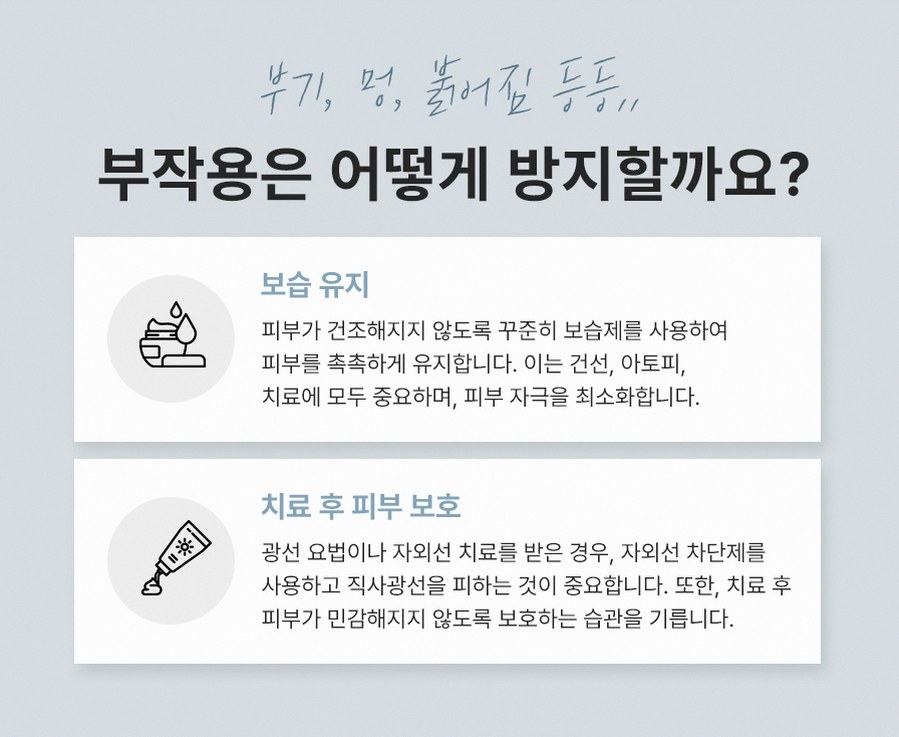
For many patients with limited or early vitiligo, the first step is topical treatment. These prescription creams or ointments are designed to reduce local inflammation and encourage melanocytes to function again. They are usually applied once or twice daily to affected areas and sometimes to a small margin of normal skin around them.
The dermatologist will choose the type and strength of medication based on the body area. For example, the face and skin folds are more sensitive and may require milder preparations, while thicker skin on the hands or feet may need a different approach. Treatment is often continued for several months, with regular follow-up to monitor response and adjust the plan.
Phototherapy and targeted light treatment
For more widespread vitiligo or patches that do not respond well to creams alone, phototherapy can be considered. This involves exposing the skin to controlled doses of ultraviolet light under medical supervision. Narrowband UVB is a commonly used type of phototherapy for vitiligo.
In some cases, targeted light devices can treat only the affected patches rather than the whole body. This can be useful when vitiligo is limited to specific areas such as the face or hands. The number of sessions per week and the total duration of treatment vary, but it often requires regular visits over several months.
Because phototherapy uses ultraviolet light, it must be carefully dosed to reduce the risk of burns or long-term skin damage. Dermatologists with experience in vitiligo and other inflammatory skin diseases can help balance effectiveness and safety.

Combination therapy and maintenance
Many patients benefit from a combination of topical medications and phototherapy. For example, creams may be used on weekdays and light treatments scheduled several times per week. In some cases, other modalities such as certain dermatologic lasers or energy-based devices may be used selectively, but they are not suitable for every patient or every type of vitiligo.
Once active patches have stabilized or repigmented, a maintenance plan is often recommended. This may involve less frequent use of topical medications or periodic follow-up visits to detect any new activity early. The goal is to maintain gains and reduce the chance of sudden flares.
Realistic expectations and response patterns
Vitiligo treatment requires patience. Visible improvement usually takes weeks to months, not days. Areas such as the face and trunk often respond better and faster, while hands, feet, and areas with long-standing depigmentation can be more resistant.
Your dermatologist should discuss realistic expectations with you, including which areas are more likely to repigment and which may be more challenging. The aim is to improve appearance and prevent further spread as much as possible, while minimizing side effects.
Why early and continuous management matters
Early-stage vitiligo often shows active borders where the color seems to be gradually fading. Treating during this phase can sometimes slow or halt progression and encourage earlier repigmentation. Delaying care, or trying multiple home remedies without guidance, may allow patches to expand further.
Regular follow-up visits are important for several reasons. They allow the dermatologist to monitor whether the disease is stable or active, adjust treatment intensity, and check for any side effects from creams or light therapy. For children, follow-up is also a chance to reassess growth, school life, and emotional well-being.
Vitiligo can have a strong psychological impact, especially when it affects visible areas like the face or hands. People may feel self-conscious, anxious, or withdrawn. Seeking professional help is not only about the skin but also about protecting mental health. A supportive care team will take these aspects seriously and may recommend counseling or support resources if needed.
The value of seeing a vitiligo-focused dermatologist in Dongtan
For patients in Dongtan, Hwaseong, and nearby regions, seeing a dermatologist who regularly manages vitiligo and psoriasis can be especially helpful. These conditions are chronic inflammatory and pigmentary diseases that require long-term planning rather than one-time procedures.
Board-certified dermatologists with university hospital teaching experience are typically familiar with international guidelines, current research, and the full range of medical and device-based treatments. When a lead dermatologist is also a member of vitiligo- and psoriasis-related academic societies, it supports a more academic, evidence-based approach to diagnosis and treatment.
Such specialists can:
Differentiate vitiligo from other causes of white patches on skin, reducing the risk of misdiagnosis.
Advise when medical therapy is appropriate and when device-based treatments, such as certain lasers or light sources, may or may not be helpful.
Plan treatment that considers your work or school schedule, travel plans, and long-term goals.
For international patients, this kind of structured, guideline-based care can make short visits to Korea more efficient, as the evaluation and treatment plan are organized from the beginning.
Who may consider vitiligo care in Dongtan
International patients might consider visiting Dongtan for vitiligo care if:
They already have a diagnosis of vitiligo but want a second opinion on treatment options.
They have new or uncertain white patches and limited access to dermatology specialists at home.
Their current treatment has plateaued, and they want to explore combination therapy or phototherapy under specialist supervision.
They are living in or frequently visiting the Seoul metropolitan area and prefer a Dongtan-based clinic for convenience.
Children and adolescents with vitiligo can also be evaluated. Pediatric cases require special attention to growth, school life, and emotional impact, as well as careful selection of treatments suitable for younger skin.
Online consultation and pre-visit preparation
Before traveling to Korea, many overseas patients prefer to have an online consultation to understand whether a visit is likely to be helpful and what to expect. While an online consultation cannot fully replace an in-person skin examination, it can provide useful guidance.
To prepare for an online consultation, it is helpful to:
Prepare clear photos of the affected areas in good lighting, including close-up and wider views.
Write down when the white patches first appeared, how they have changed, and any treatments you have already tried.
List your current medications and any known medical conditions, especially thyroid disease, autoimmune disorders, or previous serious illnesses.
Note any family members with vitiligo or other autoimmune diseases.
During the consultation, you can ask about likely diagnosis, possible treatment strategies, approximate visit frequency if you start phototherapy, and how to coordinate care with your local doctor after returning home.
What a typical Korea visit timeline may look like
The exact schedule will depend on your situation and length of stay, but a common structure for international vitiligo patients might be:
First visit: Initial consultation and diagnostic workup. This includes history taking, full skin examination, Wood’s lamp evaluation, and any necessary blood tests. The dermatologist will explain the nature of vitiligo, discuss your specific pattern and risk factors, and outline treatment options.
Start of treatment: Depending on findings, you may begin topical prescription medication immediately. If phototherapy or targeted light treatment is appropriate, an initial session may be scheduled, and a short-term plan will be created.
Follow-up visits: If you are staying in Korea for several weeks, you may attend phototherapy sessions multiple times per week and have at least one follow-up consultation to assess early response and adjust doses.

Pre-departure review: Before you leave Korea, the dermatologist can summarize your diagnosis, current status, and recommended ongoing treatment. This may include written instructions you can share with your local doctor.
Aftercare and long-term management back home
Vitiligo management does not end when you leave Korea. Long-term success depends on consistent treatment and monitoring. After returning home, you may:
Continue prescribed topical medications as instructed.
Discuss the possibility of local phototherapy with a dermatologist in your own country, using the Korean treatment plan as a reference.
Schedule periodic online follow-up consultations to review progress, side effects, and any new patches.
Sun protection is an important part of aftercare. Depigmented skin burns more easily, so using broad-spectrum sunscreen, protective clothing, and avoiding intense midday sun can help protect your skin and reduce contrast between affected and unaffected areas.
If you notice rapid new patches, changes in general health, or symptoms suggestive of thyroid or other autoimmune disease, you should seek local medical evaluation promptly and inform your vitiligo specialist.
Clinic access and scheduling convenience in Dongtan
For working adults, students, and parents managing school schedules, clinic hours matter. In Dongtan, there are dermatology services with weekday and Saturday operation, including some weekday evening availability. The absence of a fixed lunch break in the main schedule can make it easier to visit before or after work or classes.
Online reservation is available on specific weekdays through a major portal reservation system, which can help reduce waiting time and allow you to coordinate your visit with other plans during your stay in Korea.

Soft call to action for online consultation
If you are an overseas patient concerned about white patches on your skin or your child’s skin and are considering vitiligo treatment during a visit to Korea, arranging an online consultation before you travel can be very helpful. You can share photos, medical history, and your travel schedule so the dermatologist can suggest a realistic plan.
Hus-hu Dermatology Clinic Dongtan offers vitiligo-focused care by board-certified dermatologists with university hospital teaching backgrounds and experience in chronic inflammatory and pigmentary diseases such as vitiligo and psoriasis. Through online consultation, you can find out whether starting or adjusting vitiligo treatment in Dongtan fits your needs and how to organize your visit for the best use of your time.
By understanding what vitiligo is, recognizing early symptoms, and seeking specialized dermatology care, you can take active steps to manage this chronic condition and reduce its impact on your daily life and self-confidence.

- 공유 링크 만들기
- X
- 이메일
- 기타 앱


댓글
댓글 쓰기