Dongtan vitiligo care and what to expect at a local dermatology clinic
- 공유 링크 만들기
- X
- 이메일
- 기타 앱

Direct answer summary
Vitiligo is a chronic condition in which pigment-producing cells are lost, causing distinct white patches on the skin. Although it is not contagious, these changes can be distressing, especially when they appear on visible areas such as the face or hands. Early assessment by a dermatologist helps distinguish vitiligo from other causes of depigmentation and allows clinicians to outline a realistic, long-term management plan. Hus-hu Dermatology Clinic Dongtan lists vitiligo among its primary dermatology services and can provide specialist evaluation for patients in the Dongtan new town area of Hwaseong.
At Hus-hu Dermatology Clinic Dongtan, vitiligo is approached as a chronic medical skin disease rather than a simple cosmetic issue. Overseas patients who are considering coming to Korea can use this guide to understand what vitiligo is, what treatments are commonly used, how to prepare before traveling, and what a typical visit and follow-up plan may look like.
What Is Vitiligo?
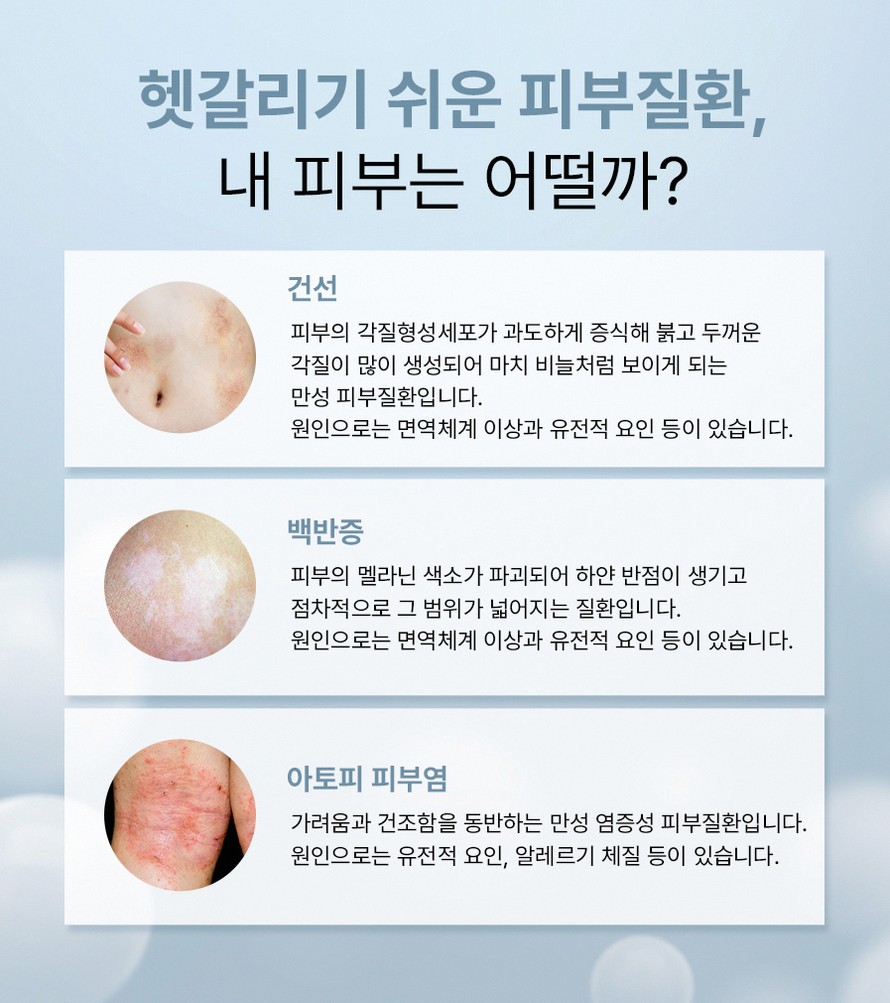
Vitiligo is an acquired pigment loss disorder. In vitiligo, melanocytes, the cells that produce melanin (skin pigment), are damaged or destroyed. As a result, well-defined white or milky patches appear on the skin. These patches are usually sharply bordered and can slowly change in size or shape over time.
Vitiligo can affect adults and children, and it occurs in all skin types and ethnic backgrounds. It is not an infection and cannot be passed from one person to another through contact, shared towels, or swimming pools.
Common sites for vitiligo include the face, especially around the eyes and mouth, the hands and fingers, elbows, knees, feet, body folds, and areas around body openings. Areas that are exposed to friction, such as where clothing rubs or where there is repeated pressure, can also be affected. In some people, hair growing in the affected areas may turn white as well.
How Vitiligo Progresses
Vitiligo does not behave the same way in every person. Some people notice a single small pale spot that stays stable for years. Others may see several spots that gradually enlarge or merge into bigger patches.
In many cases, the first sign is a small, slightly lighter patch that becomes more clearly white over weeks or months. New patches may appear elsewhere, or existing ones may spread. The pattern can be unpredictable: periods of stability may alternate with periods of more active change.
Because the white areas lack pigment, they stand out more on tanned or darker skin. This means that in summer or in sunny climates, vitiligo may look more obvious. Sun exposure can also increase the risk of sunburn on depigmented skin, which is more sensitive to ultraviolet light.
Vitiligo is sometimes associated with other autoimmune conditions, especially thyroid disorders. Not everyone with vitiligo has another autoimmune disease, but this possible link is one reason why a careful medical history and, in some cases, blood tests may be recommended.
Why Early Care in Dongtan Matters
For people living in Dongtan or planning a medical visit there, early evaluation of new white patches can make a meaningful difference. In general, vitiligo that is in an early, active stage may respond better to treatment than long-standing, completely depigmented areas that have become more scar-like in their lack of pigment cells.
Another important reason for early care is correct diagnosis. Not every white spot on the skin is vitiligo. Conditions such as post-inflammatory hypopigmentation (lightening after eczema, injury, or rash), tinea versicolor (a superficial yeast infection), pityriasis alba (common in children with dry skin), or other pigment disorders can look similar at first glance. These conditions have different causes and treatments, so it is important not to self-diagnose.
Dermatology specialists use a combination of visual examination, medical history, and special tools such as a Wood’s lamp (a type of ultraviolet light) to distinguish vitiligo from other causes of white patches. For residents and visitors in the Dongtan new town area, having access to a local dermatology clinic with experience in vitiligo and related conditions can help avoid unnecessary delays or inappropriate self-treatment.
How Dermatologists Diagnose Vitiligo
At a dermatology clinic, the first visit for suspected vitiligo is usually structured and detailed. For initial questions or to arrange an appointment, the clinic offers online consultation and operates a KakaoTalk channel; the overall clinical steps for assessment remain similar.
The consultation typically begins with questions about when the white patches first appeared, how quickly they have changed, and whether there is any family history of vitiligo or autoimmune diseases. The doctor may also ask about possible triggers, such as recent stress, sunburn, skin injuries, or repeated friction from clothing, accessories, or work activities.
A full-skin examination is often recommended, not only to look at the obvious patches but also to check for any hidden or early lesions on other parts of the body. This can help determine how extensive the vitiligo is and whether it follows a particular pattern.
A Wood’s lamp examination is a common part of vitiligo assessment. Under this special ultraviolet light, areas of vitiligo usually appear bright white and sharply outlined, which can help confirm the diagnosis and reveal spots that are not yet easily seen in normal light.
Depending on the individual situation, the doctor may suggest blood tests to screen for thyroid function or other autoimmune markers, especially if there are symptoms such as fatigue, weight changes, or a known family history of related conditions. These tests are not mandatory for every patient but may be part of a thorough evaluation.
During this first visit, treatment goals are discussed. These usually include trying to stop or slow the spread of new patches, encouraging repigmentation where possible, and protecting the remaining normal skin. The doctor will also explain that vitiligo is chronic and that management is long-term rather than a quick fix.
Treatment Options and Limitations
Vitiligo treatment is individualized. The choice of therapy depends on the patient’s age, skin type, the location and extent of the patches, and how active the disease appears to be. It is important to understand that no treatment can guarantee complete or permanent repigmentation, and results vary widely between individuals.

Topical therapy
For localized or early vitiligo, topical medications are often the first step. These may include topical corticosteroids, which help reduce inflammation and may encourage pigment cells to recover or repopulate the area. Another option is topical calcineurin inhibitors, which modulate the local immune response and are often used on sensitive areas such as the face or skin folds.
These creams and ointments must be used under medical supervision, especially in children or on thin skin, to minimize the risk of side effects such as skin thinning, irritation, or changes in blood vessels. The dermatologist will usually set a clear schedule for application and follow-up.
Phototherapy
For more widespread vitiligo or cases that do not respond adequately to topical treatment alone, phototherapy is a standard option. This involves controlled exposure to specific wavelengths of ultraviolet light, commonly narrowband UVB. In some cases, targeted phototherapy devices are used to treat only the affected areas.
Phototherapy sessions are usually performed at the clinic several times per week over many weeks or months. The dose of light is carefully adjusted to balance effectiveness with safety, reducing the risk of burns or long-term damage. Because this treatment requires repeated visits, overseas patients often combine it with a stay of several weeks in Korea, or they may begin treatment in Korea and then continue in their home country if similar equipment is available.
Adjunctive and supportive care
Even when active treatments are being used, supportive measures play a key role. Regular use of emollients helps maintain the skin barrier, which can be beneficial for overall skin health. Sun protection is essential: depigmented skin burns more easily, and sunburn can sometimes trigger new lesions in susceptible individuals.
High-SPF broad-spectrum sunscreen, protective clothing, hats, and shade are recommended, especially for the face, neck, and hands. Some patients also use medical-grade camouflage cosmetics to reduce the contrast between vitiligo patches and surrounding skin. While camouflage does not treat the disease itself, it can improve confidence in social and professional situations.
Lifestyle guidance may include avoiding unnecessary friction or trauma to the skin, such as very tight straps, repetitive rubbing, or harsh cosmetic procedures on affected areas. In some people, new vitiligo patches appear where the skin has been injured, a phenomenon known as the Koebner response.
Other procedures
In selected, stable cases where vitiligo has not changed for a long time, some clinics may discuss surgical or procedural options such as melanocyte or skin grafting. These techniques are not suitable for everyone and are usually considered only after careful evaluation of disease stability, expectations, and potential risks. They are not first-line treatments and are not appropriate for rapidly spreading vitiligo.

Role of Experienced Dermatologists
Managing vitiligo is not only about choosing a cream or light therapy. It requires careful assessment of disease activity, regular monitoring, and adjustments over time. Experienced dermatologists evaluate whether the vitiligo is stable or active, which areas are most likely to respond, and how aggressively to treat at each stage.
At this dermatology clinic, two representative dermatologists are board-certified and have university hospital teaching experience in dermatology. One of the representative doctors is an active member of national vitiligo and psoriasis societies, reflecting a particular interest in chronic inflammatory and pigmentary skin diseases.
This background supports a treatment approach in which vitiligo is regarded as a medical condition that requires specialist care. Patients are examined and treated directly by dermatology specialists rather than having their care handed over entirely to non-physician staff. This is especially important when using potent topical medications or phototherapy, where side effects must be monitored and doses adjusted.
Psychological and Quality-of-Life Aspects
Vitiligo often has a strong emotional impact, especially when patches are visible on the face, hands, or scalp. People may feel self-conscious, anxious about social interactions, or worried about work and relationships. Children and teenagers can be particularly sensitive to comments or questions from peers.
It is important to remember that vitiligo is not caused by poor hygiene, diet mistakes, or personal fault. Blaming yourself or hiding the condition for years out of embarrassment can delay helpful treatment and support.
Early consultation with a dermatologist can help in several ways: slowing or stabilizing progression where possible, improving appearance in some areas, and providing realistic expectations. A clear explanation of the condition often reduces anxiety. For some patients, referral to counseling or support groups may also be useful, especially if mood changes or social withdrawal are present.
Who May Consider Visiting Dongtan for Vitiligo Care
International patients may consider visiting a Dongtan dermatology clinic if they have newly appeared white patches that have not yet been diagnosed, long-standing vitiligo that has never been formally evaluated, or vitiligo that has not responded well to previous treatments.
People who prefer a structured, specialist-led approach to chronic skin diseases, including vitiligo and psoriasis, may find it helpful to consult in a setting where there is specific interest and experience in these conditions. Those who are already planning to stay in or near Hwaseong or Dongtan new town for work, study, or family reasons may find it convenient to combine their stay with a dermatology evaluation.
Online Consultation and Pre-Visit Preparation
Before traveling to Korea, many overseas patients find it useful to arrange an online consultation or send preliminary information. While an online discussion cannot fully replace an in-person examination, it can help determine whether a visit is appropriate and what to expect.
To prepare for an online consultation, it is helpful to gather the following:
A clear timeline of when the white patches first appeared and how they have changed.
Any previous diagnoses or biopsy results, if available.
A list of past and current treatments, including topical creams, tablets, phototherapy, or alternative remedies, and how you responded to them.
Information about other medical conditions, especially thyroid disease, diabetes, or other autoimmune disorders.
Photos of the affected areas taken in good, natural light, and if possible, without makeup or camouflage products.
You may also want to prepare a list of questions, such as:
How active does my vitiligo appear to be?
Which treatment options are realistic for my situation?
How long would I need to stay in Korea for an initial treatment phase?
What kind of follow-up can be done remotely after I return home?
Expected Korea Visit Timeline for Vitiligo Patients
The exact schedule will vary, but a typical visit for an overseas vitiligo patient may follow this general pattern.
First visit and assessment
On your first day at the clinic, you can expect registration, a detailed consultation, full-skin examination, and Wood’s lamp assessment. If needed, blood tests may be arranged. The dermatologist will discuss the diagnosis, explain the likely type and activity of your vitiligo, and outline treatment options.
Short stays (about one week)
If you are staying only a short time, the focus is usually on confirming the diagnosis, starting topical treatment, and providing a clear written plan that you can continue in your home country. You may have one or two follow-up checks during the week to adjust the plan and answer questions.
Medium stays (two to four weeks)
For patients who can stay longer, an initial course of phototherapy may be started, combined with topical treatment and education on skin care and sun protection. Phototherapy sessions are typically scheduled several times per week. The dermatologist monitors your skin’s response and adjusts doses as needed.
Longer stays (over one month)
A longer stay allows for a more extended phototherapy program and closer monitoring of early repigmentation. However, even with a longer stay, vitiligo treatment remains a long-term process. The goal is to establish a safe, effective regimen that can be continued or adapted after you return home.
Aftercare and Long-Term Follow-Up
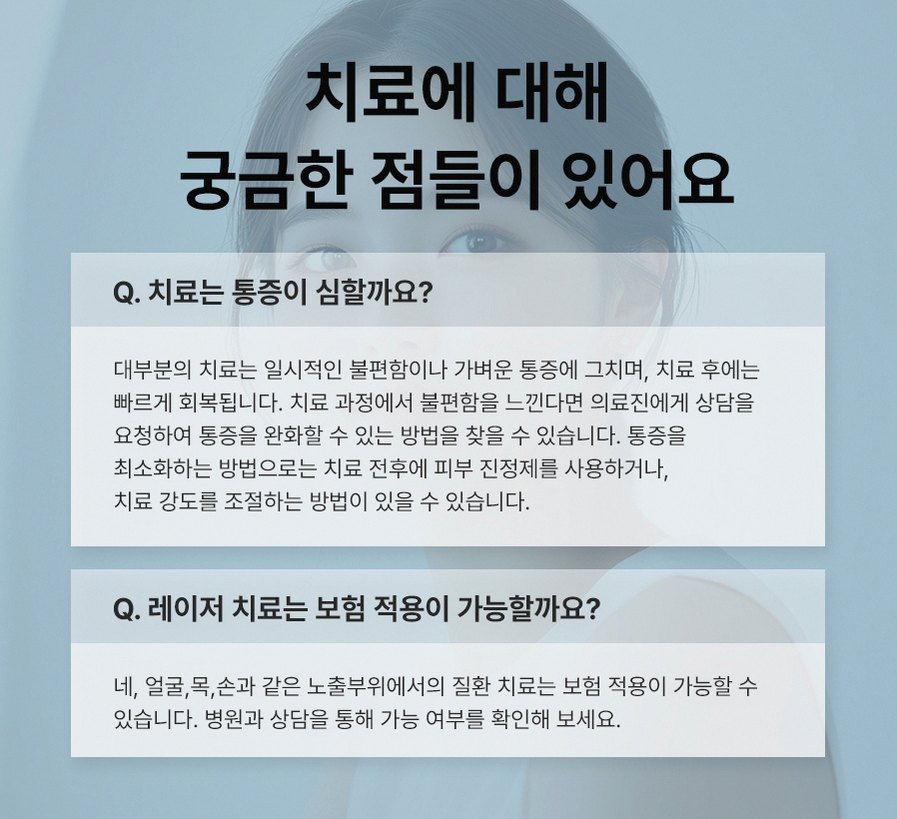
After you leave Korea, ongoing care is essential. Vitiligo often requires months or years of consistent management. The clinic may offer periodic online follow-up consultations to review progress, adjust topical medication schedules, and advise on phototherapy settings if you continue treatment locally.
You will usually be asked to send updated photos at set intervals and to report any side effects, such as redness, burning, or skin thinning. It is also important to maintain sun protection habits and to avoid abrupt changes in treatment without medical advice.
If new patches appear or existing ones change rapidly, you should seek local dermatology care promptly. In some cases, a repeat visit to Dongtan may be considered to reassess the situation and modify the overall plan.
Practical Information for Visiting a Dongtan Dermatology Clinic
The dermatology clinic is located in the Dongtan new town area of Hwaseong, Gyeonggi-do, making it accessible for local residents and visitors staying in nearby business or residential districts. The clinic operates on weekdays and Saturday, and there is no lunch break during the main hours, which can be convenient for working patients or students who need to visit before or after work or between other appointments.
Online reservation is available on selected weekdays through a major portal reservation system, which can help reduce waiting time and allow you to plan your visit more efficiently. Overseas patients may wish to coordinate appointments in advance, especially if they are combining vitiligo treatment with other travel plans.
Living With Vitiligo
Living with vitiligo involves both medical management and emotional adaptation. While treatments can improve appearance and sometimes achieve significant repigmentation, it is equally important to develop healthy coping strategies.

Some people find it helpful to explain their condition briefly to friends, colleagues, or classmates to reduce misunderstandings. Others may choose to use camouflage makeup in certain settings and go without it in others. Support from family, friends, and, when needed, mental health professionals can make a real difference.
Remember that vitiligo does not affect physical strength, intelligence, or the ability to work, study, or have relationships. With appropriate medical care, realistic expectations, and self-care strategies, many people with vitiligo live full, active lives.
When to See a Specialist in Dongtan
You should consider seeing a dermatology specialist in Dongtan if you notice new white or pale patches on your skin that are not improving, if you have a family history of vitiligo or autoimmune diseases and are concerned about early signs, or if your existing vitiligo is spreading or affecting your quality of life.
It is also wise to seek specialist care if you have been self-treating with strong steroid creams without supervision, using tanning beds, or trying unverified home remedies. These approaches can sometimes worsen vitiligo or cause additional skin damage.
A specialist visit can provide a clear diagnosis, a realistic view of what treatments can and cannot achieve, and a structured plan tailored to your age, skin type, lesion locations, and lifestyle.
FAQ
Is vitiligo contagious or caused by infection?
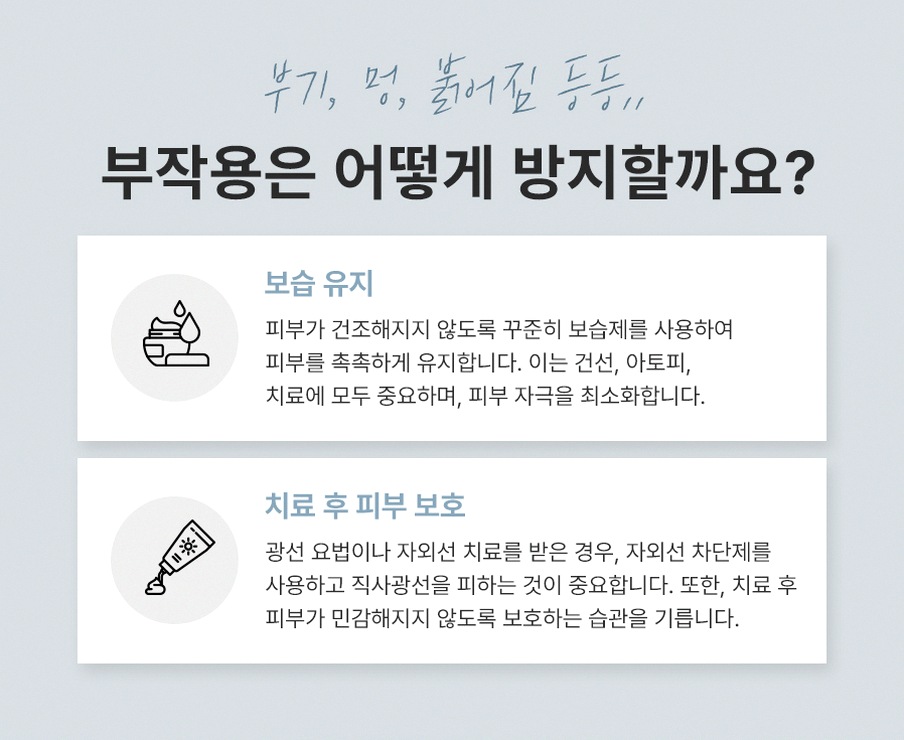
Vitiligo is not contagious and is not caused by bacteria, viruses, or fungi. You cannot catch it from someone else, and you cannot pass it to others through touch, sharing towels, or living in the same home. Current evidence suggests that vitiligo involves an autoimmune process in which the body’s immune system mistakenly targets pigment cells.
Can vitiligo be completely cured?
At present, there is no guaranteed permanent cure for vitiligo. Many patients can achieve partial or even extensive repigmentation with appropriate treatment, but results vary and maintenance therapy is often needed. The main goals of treatment are to slow or stop progression, improve appearance where possible, and protect the skin from sun damage.
What treatments are usually started first for new vitiligo patches?
For small, recent patches, dermatologists often begin with topical therapies such as corticosteroid creams or calcineurin inhibitors, sometimes combined with careful sun exposure or clinic-based phototherapy. The exact choice depends on the location of the patches, the patient’s age, and how active the disease appears. Your doctor will explain the expected benefits and possible side effects before starting treatment.

How long does it take to see results from vitiligo treatment?
Vitiligo treatment works slowly. It may take several weeks to a few months before early signs of repigmentation, such as small freckles of color within white patches, become visible. Continued improvement often requires many months of consistent therapy. Because of this, vitiligo management is usually planned as a long-term process rather than a short trial.
Soft Call to Action
If you are living with vitiligo or have recently noticed new white patches and are considering evaluation in Korea, an online consultation can be a helpful first step. By sharing your history, photos, and questions in advance, you can better understand whether a visit to a Dongtan dermatology clinic fits your needs and how to plan your time in Korea for assessment and treatment.
This article is for general information only and does not replace a personal consultation with a qualified medical professional. Diagnosis and treatment decisions should always be made in direct discussion with a dermatologist who can examine your skin and consider your individual situation.

- 공유 링크 만들기
- X
- 이메일
- 기타 앱


댓글
댓글 쓰기