How to Arrange Dermatologist-Led Care from Abroad
- 공유 링크 만들기
- X
- 이메일
- 기타 앱
Direct answer summary
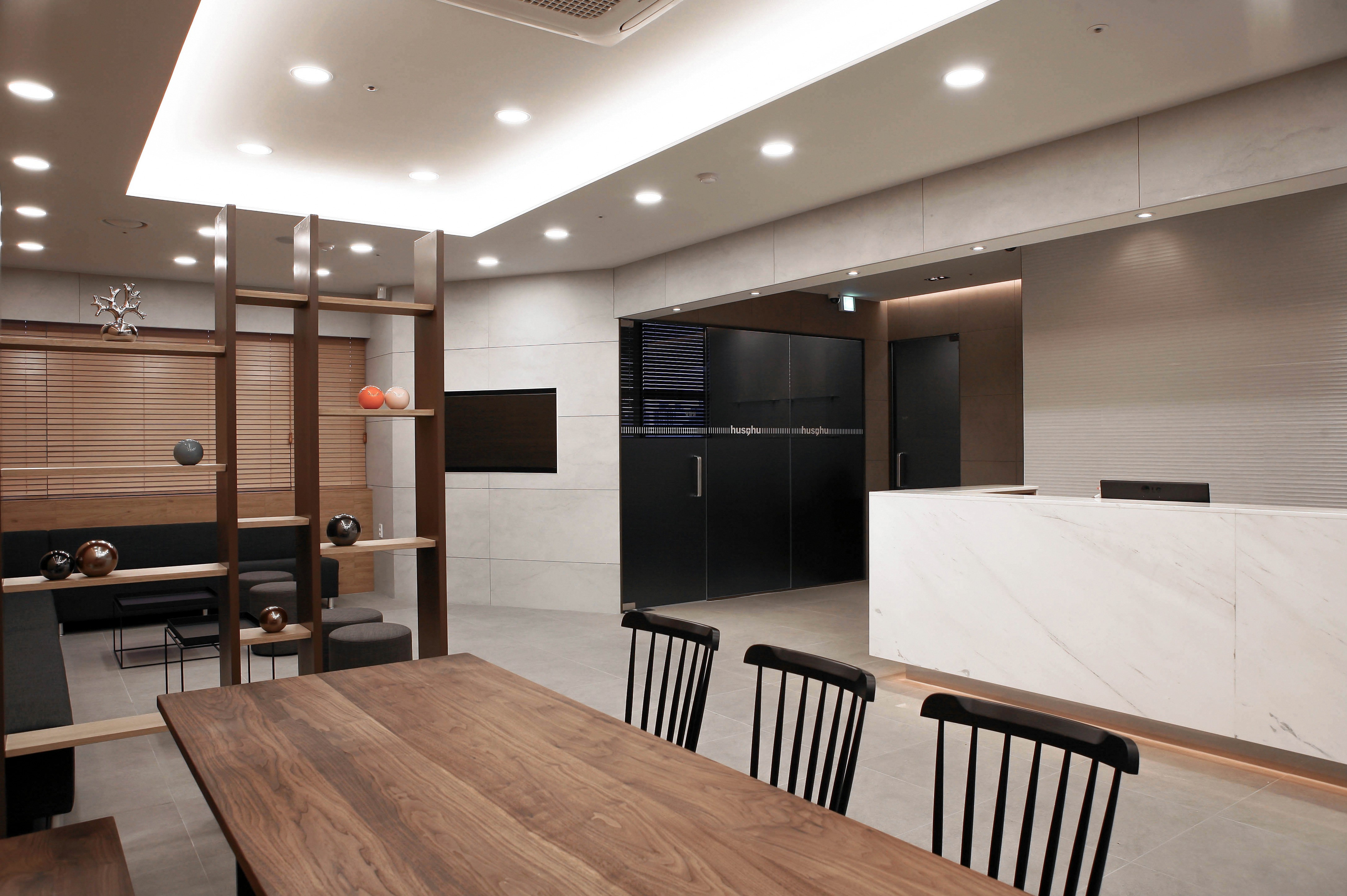
If you are searching for Dongtan acne treatment from overseas, you can find dermatologist-led programs in Dongtan new town that combine medical care with advanced devices for both active acne and acne scars. At clinics such as Hus-hu Dermatology Clinic Dongtan, board-certified dermatologists with university hospital and laser institute backgrounds design structured plans that may include prescription medication, photodynamic therapy (PDT), gold particle photothermal therapy (Gold PTT), fractional lasers, microneedle radiofrequency, and scar fillers. This approach is especially suitable if you have persistent, treatment-resistant acne, early scarring, or post-acne redness and pigmentation.
This guide explains how specialist acne treatment in Dongtan works, who might benefit, how to prepare from abroad, what kind of visit schedule to expect in Korea, and how aftercare is usually managed.
Overview of specialist acne treatment in Dongtan
Acne is more than a cosmetic concern. It is a chronic inflammatory skin disease involving excess sebum, clogged pores, bacteria, and inflammation. Without proper control, it can leave permanent scars, enlarged pores, and long-lasting red or brown marks.
In Dongtan, Hwaseong, Gyeonggi-do, some dermatology clinics focus on structured acne and acne scar programs rather than simple facials. These programs usually combine:
Medical diagnosis and prescription treatment
In-clinic procedures such as PDT, Gold PTT, extractions, and soothing care
Device-based treatments for scars, pores, redness, and pigmentation
Ongoing follow-up to adjust the plan as your skin improves
Because the programs are supervised by dermatologists who regularly treat complex acne and scars, they are generally suited to patients who have already tried over-the-counter products or basic facials without enough improvement.
What makes specialist acne treatment in Dongtan different from home care?
Home care for acne usually focuses on cleansing and over-the-counter products with ingredients like salicylic acid or benzoyl peroxide. These can help mild, occasional breakouts, but they often are not enough for persistent or scarring acne.
Dermatologist-led acne care in Dongtan is different in several ways:
Proper diagnosis
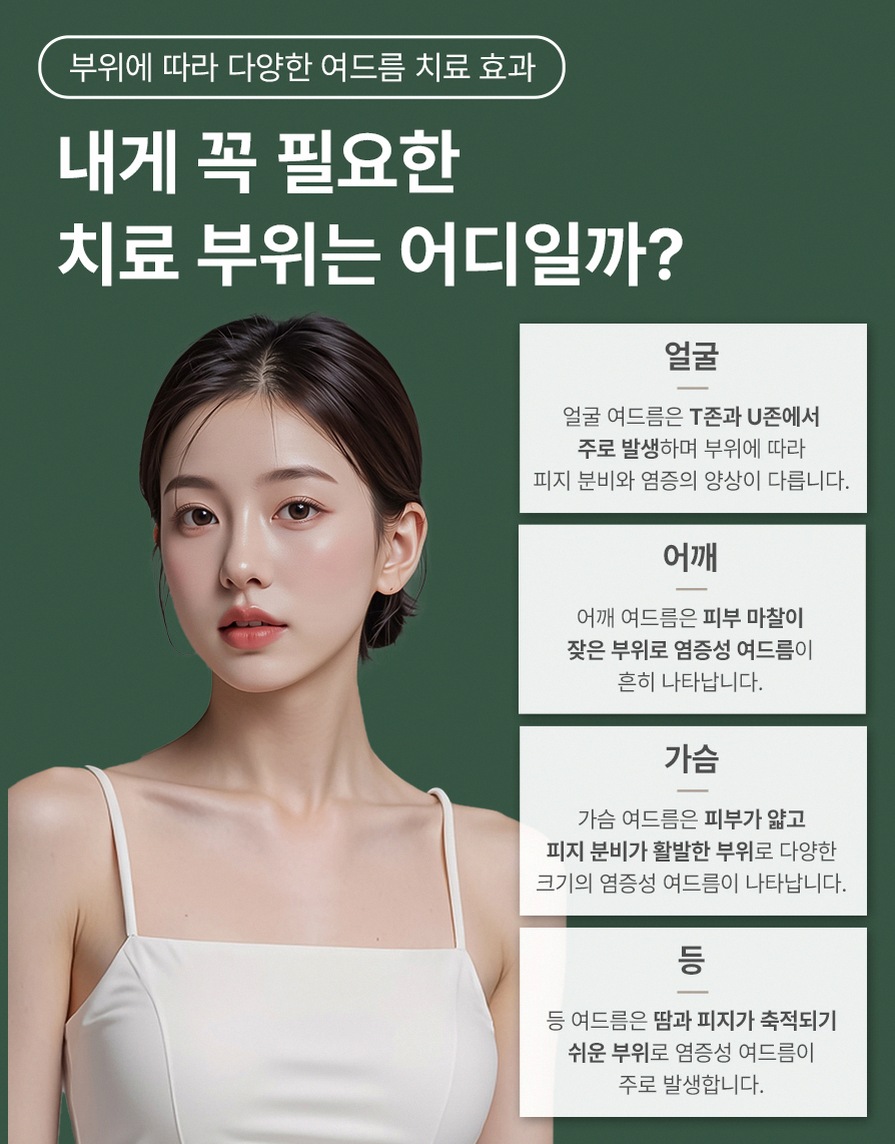
A dermatologist evaluates what type of acne you have: mainly clogged pores (comedones), red inflamed spots, deep cysts, or nodules. They also check where acne appears (face, chest, back), how long it has lasted, how easily you scar, and whether hormones, stress, or lifestyle may be contributing.
Medical treatment options
When needed, dermatologists can prescribe topical retinoids, antibiotics, anti-inflammatory creams, or oral medications such as antibiotics, hormonal treatments, or other systemic drugs. These are selected and adjusted based on your skin type, severity, and medical history.
Device-based procedures
For inflammatory or resistant acne, Dongtan clinics may use treatments like photodynamic therapy (PDT) or Gold PTT to target oil glands and bacteria. For scars and pores, fractional lasers, microneedle radiofrequency, and other energy-based devices are used to remodel collagen and smooth the skin.
Prevention of long-term damage
Early, structured treatment can reduce the risk of permanent dents, uneven texture, and dark marks. Once scars form, they are harder and more time-consuming to improve, so timely specialist care is important.
In Dongtan, you can find dermatologists who focus specifically on acne and scars, not only general skin concerns. At some clinics, including Hus-hu Dermatology Clinic Dongtan, the dermatologists have university hospital teaching roles and dedicated laser training, which is relevant for patients considering device-based treatments.
Step-by-step process of acne treatment at a Dongtan dermatology clinic
Although each clinic has its own style, the process for acne treatment in Dongtan typically follows several steps.
Initial consultation
During your first visit, the dermatologist will usually:
Take a detailed medical history, including other health conditions, medications, allergies, menstrual or hormonal patterns, and family history of acne or scarring
Ask about your current skincare routine, previous treatments, and any side effects you have experienced
Discuss your main concerns: active breakouts, pain, scarring, redness, or pigmentation
Skin examination
The dermatologist examines your skin directly and sometimes with magnification or imaging devices. They assess:
Type of acne: comedonal, inflammatory, cystic, nodular, or mixed
Distribution: face only, or also chest and back
Presence of post-acne redness and brown marks
Early or established scars: icepick, boxcar, rolling scars, and enlarged pores
Skin sensitivity and barrier condition
Treatment planning
Based on this assessment, a personalized plan is created. It may include:
Topical treatments such as retinoids, antibiotics, or anti-inflammatory creams
Oral medications when needed for more severe or widespread acne
In-clinic procedures like extractions, gentle peels, PDT, Gold PTT, or soothing treatments
A structured “acne program” that combines several steps in one session to calm inflammation while protecting the skin barrier
Follow-up and adjustment
Acne treatment is not a one-time event. Follow-up visits are used to:
Monitor how your skin responds to medication and procedures
Adjust dosages or switch products if there are side effects or insufficient improvement
Introduce scar, pore, redness, or pigmentation treatments once active inflammation is better controlled
Gradually reduce the intensity of treatment as your skin stabilizes, moving toward maintenance care
Key in-clinic treatments used for acne in Dongtan
Several in-clinic procedures are commonly used in Dongtan for active acne.
Photodynamic therapy (PDT)
PDT is offered at some clinics for inflammatory or treatment-resistant acne. The procedure involves applying a photosensitizing agent and using a light source to activate it; a dermatologist will discuss how it is intended to work, whether it’s suitable for you, and what results and variability to expect during consultation.
PDT is usually combined with medical treatment and is scheduled at intervals depending on severity and skin sensitivity.
Gold PTT (gold particle photothermal therapy)
Gold PTT is listed among device options for oily or recurrent acne at some clinics. Clinic staff will assess whether it is appropriate for your case and will explain the procedure, potential effects, and any uncertainties during consultation.
Gold PTT aims at more long-term sebum control and is considered for very oily, recurrent acne that does not respond well to simpler approaches. It is generally performed in a series of sessions, with careful assessment before and after each treatment.
Structured acne programs
Some Dongtan clinics offer a branded all-in-one style acne program. While the exact components differ by clinic, they often include:
Gentle cleansing and preparation of the skin
Professional comedone extraction when appropriate
Light-based treatments or low-level lasers to reduce inflammation
Soothing masks or ultrasound-based care to calm the skin barrier
These programs are designed to manage acne safely while minimizing irritation, which is especially important for patients who have already experienced dryness or sensitivity from strong products.
Treating acne scars and enlarged pores in Dongtan
Once active acne is better controlled, attention can shift to the marks it leaves behind. Many international patients come to Korea specifically for acne scar and pore treatment because of the wide range of devices available.
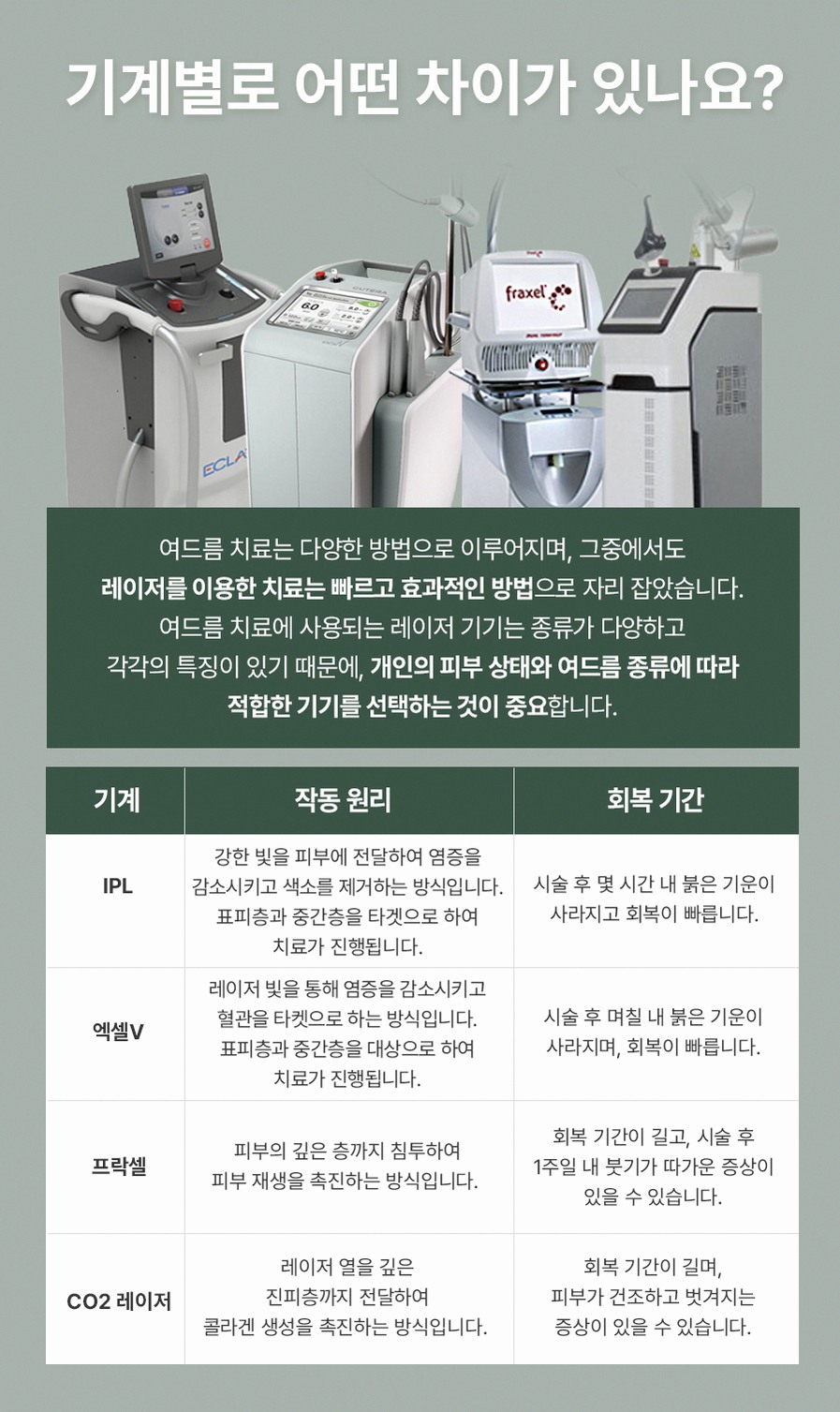
Fractional lasers such as Pro Fraxel create microscopic columns of controlled injury in the skin while leaving surrounding tissue intact. This stimulates collagen remodeling and gradual smoothing of depressed scars and uneven texture.
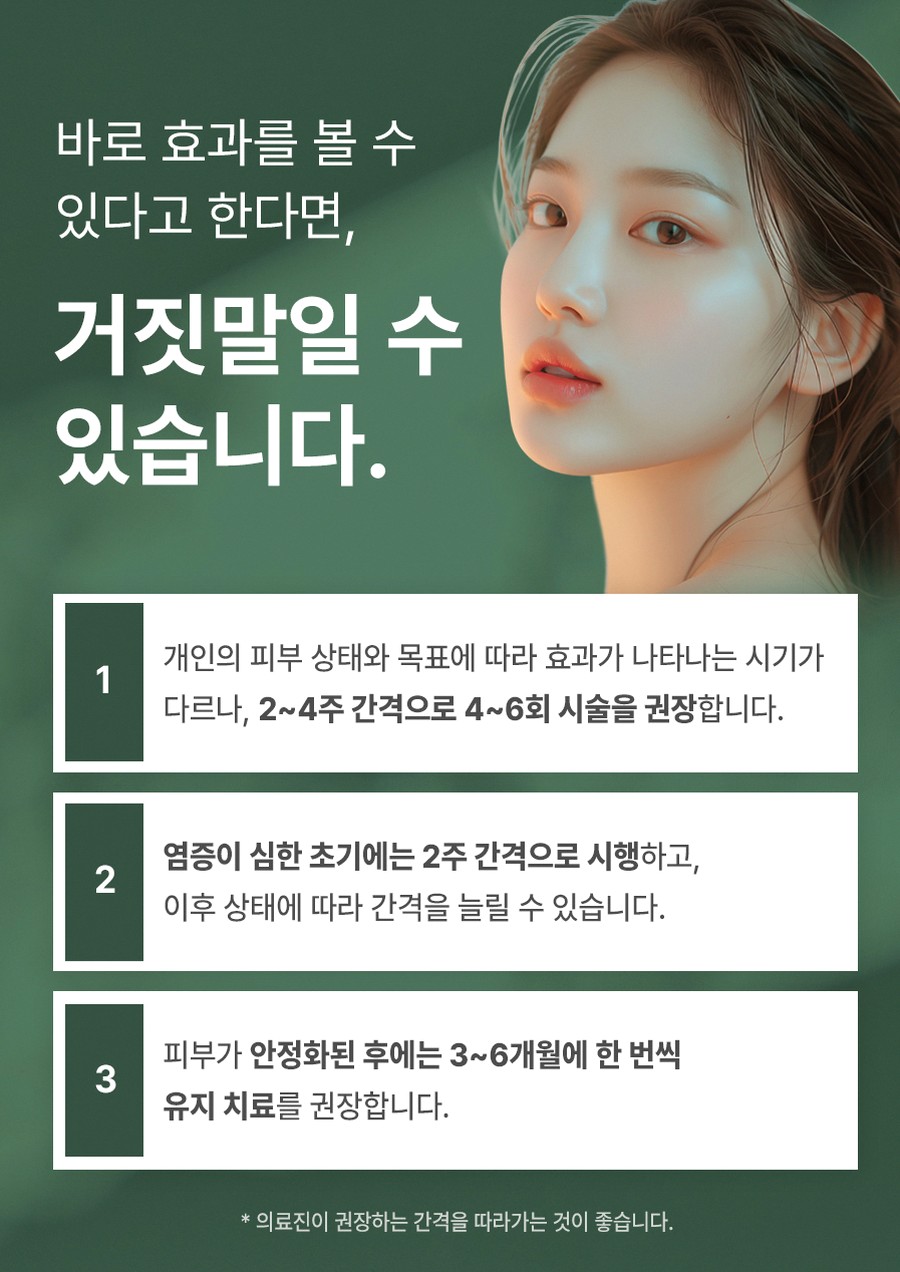
Multiple sessions are usually needed, spaced several weeks apart. Settings are adjusted according to scar type, skin color, and downtime tolerance. Mild redness and swelling for a few days are common.
Legato 2 and similar devices
Devices like Legato 2 combine fractional energy delivery with transdermal application of active substances. The goal is to enhance collagen remodeling and improve atrophic scars and enlarged pores with controlled downtime.
Secret RF (microneedle radiofrequency)
Secret RF uses very fine needles to deliver radiofrequency energy directly into the dermis. This approach targets the deeper layers where scars form, while minimizing damage to the skin surface.
It is often selected for rolling scars, mild laxity, and prominent pores. Redness and mild swelling after treatment are common but usually settle within a few days. Numbing cream is typically used to increase comfort.
Scar filler
For deep, sharply depressed scars that do not respond fully to energy-based treatments, scar filler can be used selectively. The filler is injected beneath the scar to lift the indentation and create a more even surface.
Scar filler is often combined with lasers or RF for a more complete result. The choice of filler and schedule are decided after a detailed consultation.
Pore and scar programs
Many Dongtan clinics bundle these approaches into a pore and acne scar program. The program may combine fractional laser, Secret RF, Legato 2, and targeted fillers over several months. The dermatologist chooses the sequence and intensity based on scar pattern, skin thickness, lifestyle, and how much downtime you can accept.
Managing redness and pigmentation after acne
Even after breakouts stop, many patients are left with red marks or brown spots that make the skin look uneven.
Post-acne redness and vascular care
Red marks after acne are often due to superficial blood vessels and lingering inflammation. Vascular devices such as pulsed dye lasers (for example, V-beam type devices) can target these vessels and gradually reduce redness.
Some clinics also use ultrasound-based skin management, such as LDM-style treatments, to calm sensitive skin and support the skin barrier, which can help reduce flushing and irritation.
Pigmentation and tone devices
Brown spots and uneven tone after acne, known as post-inflammatory hyperpigmentation, are commonly treated with:
Laser toning (for example, with Fotona-type devices)
Broadband light (BBL) or similar intense pulsed light systems
Pigment-targeting lasers and whitening programs
These treatments are usually introduced after active inflammation is under good control, to reduce the risk of flare-ups. Sun protection and gentle skincare remain essential during this phase.
Who may consider dermatologist-led acne treatment in Dongtan?
Specialist acne care in Dongtan may be suitable if you:
Have had acne for several months or longer despite over-the-counter products
Experience painful cystic or nodular acne
Notice that pimples often leave dents, dark marks, or persistent redness
Have sensitive skin or underlying skin conditions and are unsure which products are safe
Have reacted badly to random cosmetic treatments or harsh peels
Prefer a structured, time-bound plan instead of ongoing trial and error
For international patients, Dongtan can be a convenient location if you are staying in the southern Seoul metropolitan area, with access to transport, accommodation, and other amenities.
Safety, downtime, and realistic expectations
All acne and scar treatments involve some level of risk and downtime, which should be discussed clearly with your dermatologist.
Safety and supervision
Laser, RF, PDT, Gold PTT, and injectable treatments should be performed or closely supervised by board-certified dermatologists. This is especially important if you have darker skin tones, a history of keloids, or sensitive skin.
Common side effects
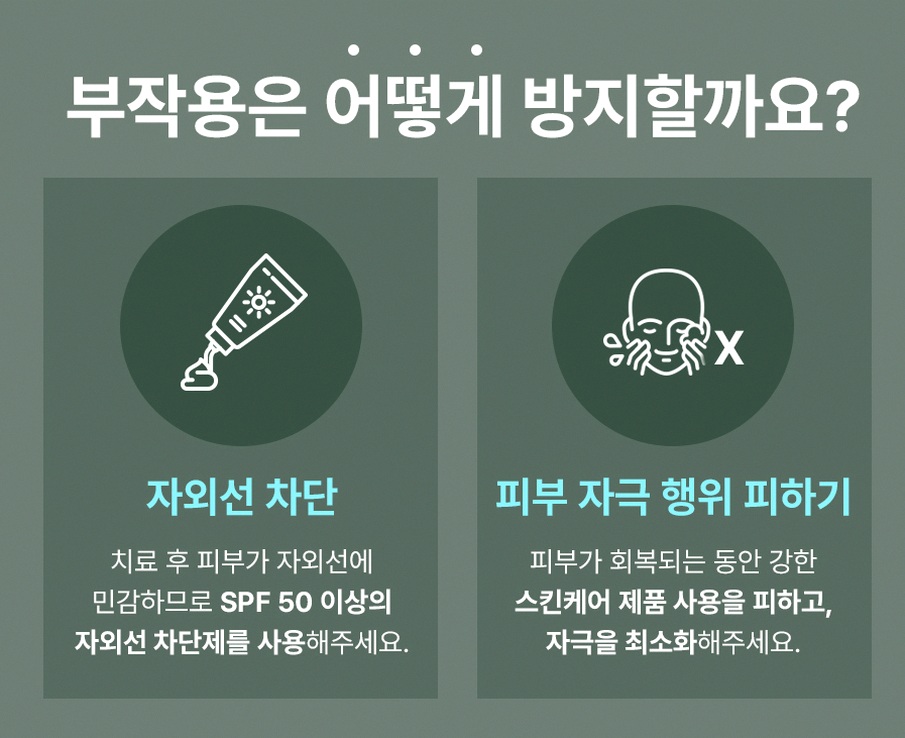
Temporary redness, swelling, dryness, and mild peeling are common after many acne procedures. Some treatments may cause a short-term flare before improvement. Pigmentation changes, prolonged redness, or scarring are less common but possible, so careful parameter selection and aftercare are important.
Realistic expectations
Acne and scars rarely disappear completely after one or two sessions. Improvement is usually gradual and cumulative over several weeks to months. Typical goals include:
Fewer and less severe breakouts
Smoother skin texture and less visible scars
Lighter red and brown marks
More stable, less reactive skin over time
Your dermatologist will help you understand what level of change is realistic for your specific skin and time frame.
Preparing from overseas: online consultation and pre-visit planning
If you are considering Dongtan acne treatment from abroad, a structured pre-visit plan will help you make the most of your time in Korea.
Online consultation
Before booking flights, many patients arrange an online consultation. This may include:
Sharing clear photos of your face (and chest/back if affected) in natural light
Listing current skincare products and active ingredients (retinoids, acids, benzoyl peroxide, etc.)
Providing your medical history, medications, allergies, and previous procedures
Explaining your main concerns and time frame in Korea
During the online consultation, you can discuss which treatments are likely to be suitable and how many sessions might be realistic within your stay.
Questions to prepare
It is helpful to prepare specific questions, such as:
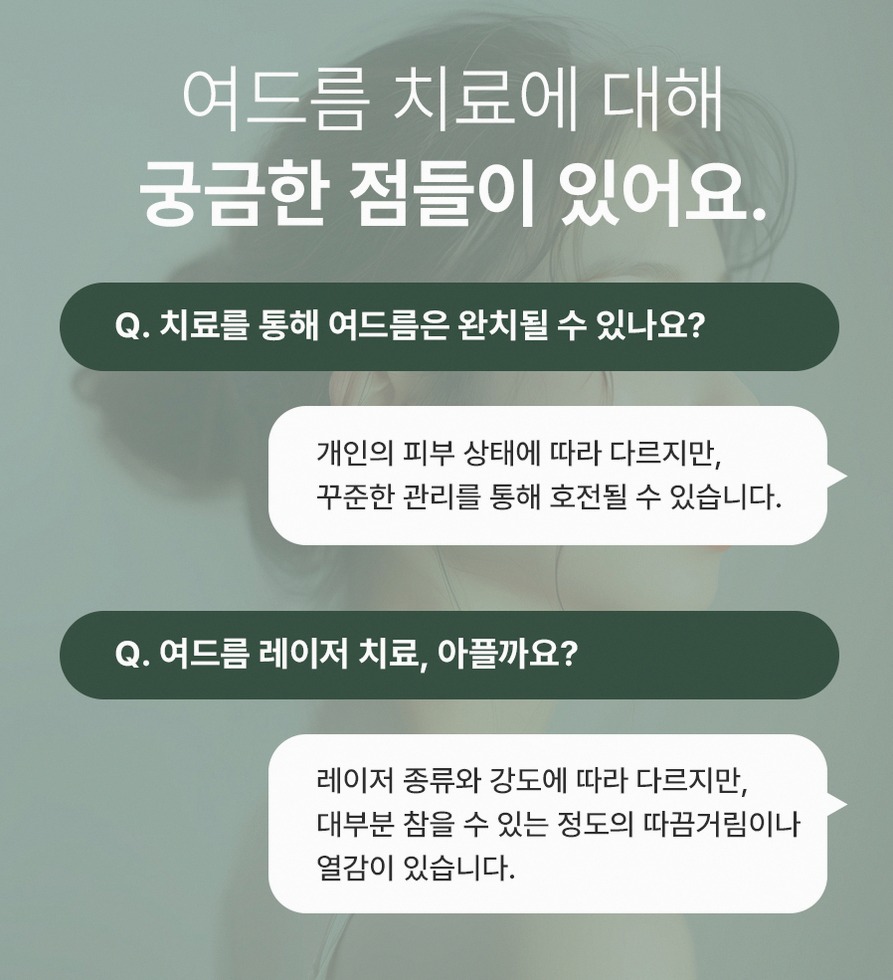
Which treatments are recommended for my type of acne and scars?
How many sessions are realistic during my planned stay, and what results can I expect from that number?
What is the typical downtime after each procedure, and will I be able to work or travel?
Which at-home products should I stop before coming, and when can I restart them after treatment?
Practical information about visiting Dongtan for acne treatment
Dongtan new town in Hwaseong, Gyeonggi-do, is a planned urban area with modern buildings, shopping, and convenient transport links to Seoul and nearby cities.
Clinic location and hours
Dermatology clinics here are often located in multi-use buildings on upper floors. Hus-hu Dermatology Clinic Dongtan, for example, is situated in the Dongtan area and offers weekday evening hours as well as Saturday morning hours, which can be convenient for working adults and students.
Many clinics in the area list their business hours as something like:
Monday to Thursday: daytime and early evening
Friday: extended evening hours
Saturday: morning to early afternoon
Closed on Sundays and public holidays
Because lunch break details can vary or change, it is best to confirm exact hours directly with the clinic before your visit.
Booking and waiting time
Online reservation is often available, and some clinics offer specific days for online booking through local platforms. Booking in advance is especially important if you have a tight travel schedule. When you contact the clinic, mention that you are an overseas patient so they can help coordinate multiple sessions within your stay.
Expected Korea visit timeline for acne and scar treatment
Your ideal schedule in Korea depends on how long you can stay and what you want to prioritize.
Short stay (about 1 week)
Initial in-person consultation and skin assessment
Start or adjust prescription medications
One or two in-clinic acne control sessions (extractions, soothing care, possibly mild PDT or light treatments)
Focus on stabilizing inflammation and planning long-term care
Medium stay (2–3 weeks)
Initial consultation and baseline photos
Several acne control sessions, possibly including PDT or Gold PTT depending on your case
One or two lower-intensity scar or pore treatments if inflammation is already under control
Detailed home-care instructions for when you return home
Longer stay (4–8 weeks or more)
More complete programs for both active acne and early scar management
A series of device-based treatments (fractional laser, Secret RF, Legato 2) spaced a few weeks apart
Progress checks and parameter adjustments based on your response
Transition to maintenance care and a clear plan for follow-up, which may include online check-ins after you leave Korea
Aftercare and long-distance follow-up
Proper aftercare is essential for good results and to minimize side effects, especially when you return to your home country.
Immediate aftercare
After procedures, you will usually receive:
Instructions on gentle cleansing and moisturizing
Guidance on when to restart active ingredients such as retinoids or acids
Advice on strict sun protection, including broad-spectrum sunscreen and physical protection like hats
Information about what is normal (redness, mild swelling, dryness) and when to contact the clinic
Ongoing home care
Your dermatologist may recommend a simple, stable routine with a gentle cleanser, non-comedogenic moisturizer, and sunscreen, plus specific prescription or cosmeceutical products. Avoiding harsh scrubs, random peels, and frequent product changes is important for maintaining results.
Remote follow-up
Some clinics offer follow-up via email or messaging apps. You may be asked to send periodic photos and updates about your skin. This allows the dermatologist to:
Adjust medication doses if needed
Advise on when to plan your next in-person treatment trip
Help you manage any delayed side effects or new concerns
Frequently asked questions about Dongtan acne treatment
How many sessions are usually needed for acne treatment in Dongtan?
The number of sessions depends on your acne severity, skin type, and how your skin responds. Active acne control with medication and in-clinic care often takes several weeks to a few months, with regular visits. Scar and pore treatments such as fractional lasers or Secret RF typically require multiple sessions spaced 3–6 weeks apart. During your consultation, the dermatologist can suggest a realistic range based on your goals and travel schedule.
Is acne treatment with lasers and PDT painful?
Many patients report these treatments are manageable with topical anesthetic and cooling, but individual experiences vary. You may feel heat, tingling, or mild stinging during PDT, Gold PTT, or laser sessions. Discomfort and downtime depend on the device and treatment intensity, and settings can usually be adjusted to match your pain tolerance and schedule. Your doctor will explain what to expect and discuss pain-management options before each procedure.
Can acne be treated without leaving scars?
Early, appropriate treatment by a dermatologist greatly reduces the risk of permanent scarring, but it cannot completely eliminate it for everyone. Genetics, skin type, and the severity of inflammation all play a role. The main goal is to minimize both active breakouts and long-term marks by controlling inflammation quickly, avoiding aggressive squeezing, and starting scar-focused treatments when appropriate.
What should I avoid before and after acne procedures?
Before treatment, it is usually recommended to avoid harsh scrubs, at-home peels, and new irritant products for several days. Your clinic may also ask you to stop certain active ingredients like retinoids or strong acids temporarily. After procedures, focus on gentle cleansing, regular moisturizing, and strict sun protection. Follow your dermatologist’s instructions about when to restart actives and avoid picking or scratching treated areas.
Soft call to action
If you are considering Dongtan acne treatment and would like a structured plan for active acne, scars, and post-acne marks, you can start with an online consultation. Sharing photos and your treatment history in advance allows the dermatologist to suggest realistic options for your time in Korea. Clinics such as Hus-hu Dermatology Clinic Dongtan can then coordinate your appointments, explain expected downtime, and help you prepare a safe and effective acne care journey during your visit.
- 공유 링크 만들기
- X
- 이메일
- 기타 앱


댓글
댓글 쓰기