How to Choose a Clinic and Hus-hu Example
- 공유 링크 만들기
- X
- 이메일
- 기타 앱
Direct answer for readers searching a Dongtan dermatology clinic recommendation
If you are comparing dermatology clinics around Dongtan New Town, focus on three things: the qualifications of the doctors, whether the clinic has the right devices and programs for your specific concern, and how clearly they explain treatment plans, pricing, and follow‑up. A specialist‑led center such as Hus-hu Dermatology Clinic Dongtan can be a useful example of what to look for, especially if you need both medical skin care and aesthetic procedures during a visit to Korea.
This guide is written for international patients who may visit Korea for work, family, or medical tourism and want practical, non‑promotional information about choosing a clinic in the Dongtan area.
Overview of dermatology care in Dongtan
Dongtan New Town in Hwaseong has grown rapidly, and dermatology services have expanded with it. Many clinics offer acne, laser toning, and basic cosmetic procedures, but not all provide comprehensive care for chronic diseases such as psoriasis, vitiligo, or complex redness and scarring.
For overseas patients, it is helpful to find a clinic that can manage both medical and cosmetic issues in one place, coordinate multiple sessions during a short stay, and communicate clearly in English or with support staff who are comfortable with foreign patients.
Who might consider a Dongtan dermatology clinic
You may consider planning a visit to a Dongtan clinic if:
You live in or near Dongtan, Suwon, or southern Seoul and want ongoing skin management with convenient access.
You travel to Korea regularly for business and prefer a clinic near residential areas instead of central Seoul.
You have chronic conditions such as psoriasis, vitiligo, eczema, or atopic dermatitis and want specialist‑led, long‑term planning.
You are interested in acne programs, pigmentation care, lifting and anti‑aging, or hair loss treatment and prefer structured programs rather than one‑time procedures.
Key criteria when choosing a dermatology clinic in Dongtan
Doctor qualifications and background
When you search for a Dongtan dermatology clinic recommendation, the first point to check is whether the main doctors are board‑certified dermatologists. This means they have completed formal dermatology residency training and passed national specialty examinations.

At a clinic like Hus-hu, both medical directors are board‑certified dermatologists who graduated from Kyung Hee University School of Medicine and completed dermatology residency at Kyung Hee Medical Center. One doctor previously served as Chief of Dermatology at the medical unit serving the Presidential Office in Seoul and placed first in the first stage of the national dermatology board examination. Both currently serve as outpatient faculty in dermatology at a university hospital, which suggests they remain active academically and follow updated guidelines.
When comparing clinics, look for:
Clear mention of dermatology residency and board certification.
Any teaching or university hospital affiliations.
Membership in professional societies related to your problem, such as psoriasis, vitiligo, acne, atopic dermatitis, hair, or laser societies, and international groups like the American Academy of Dermatology.
These details are not just titles. They often translate into more accurate diagnosis of complex skin conditions, safer laser and lifting procedures, and realistic, long‑term planning.
Devices and treatment programs
Different skin concerns require different technologies. A clinic that invests in a wide range of devices can usually tailor treatment more precisely. For example:

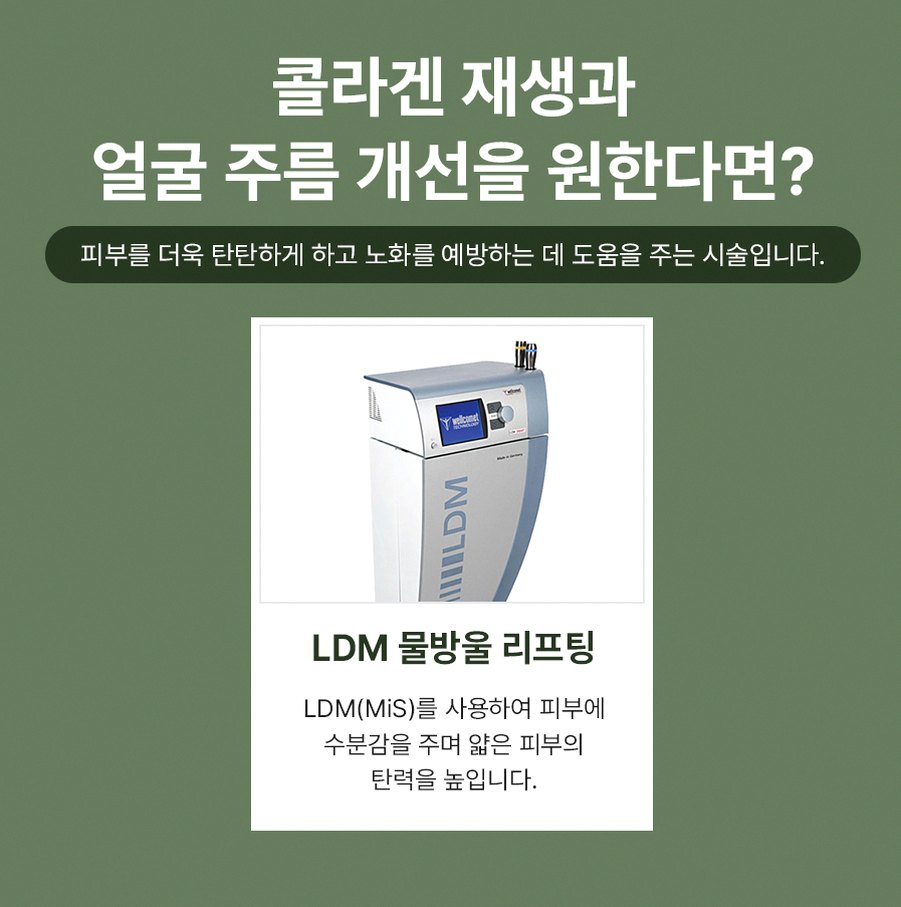
Redness and visible vessels benefit from vascular lasers such as Vbeam Perfecta and supportive ultrasound‑based skin management like LDM.
Acne scars and enlarged pores often need fractional lasers, radiofrequency microneedling (such as Secret RF), and specialized scar devices like Legato 2.
Pigmentation and melasma may respond to laser toning, GentleMax Pro, BBL, and iontophoresis‑type systems to deliver active ingredients.
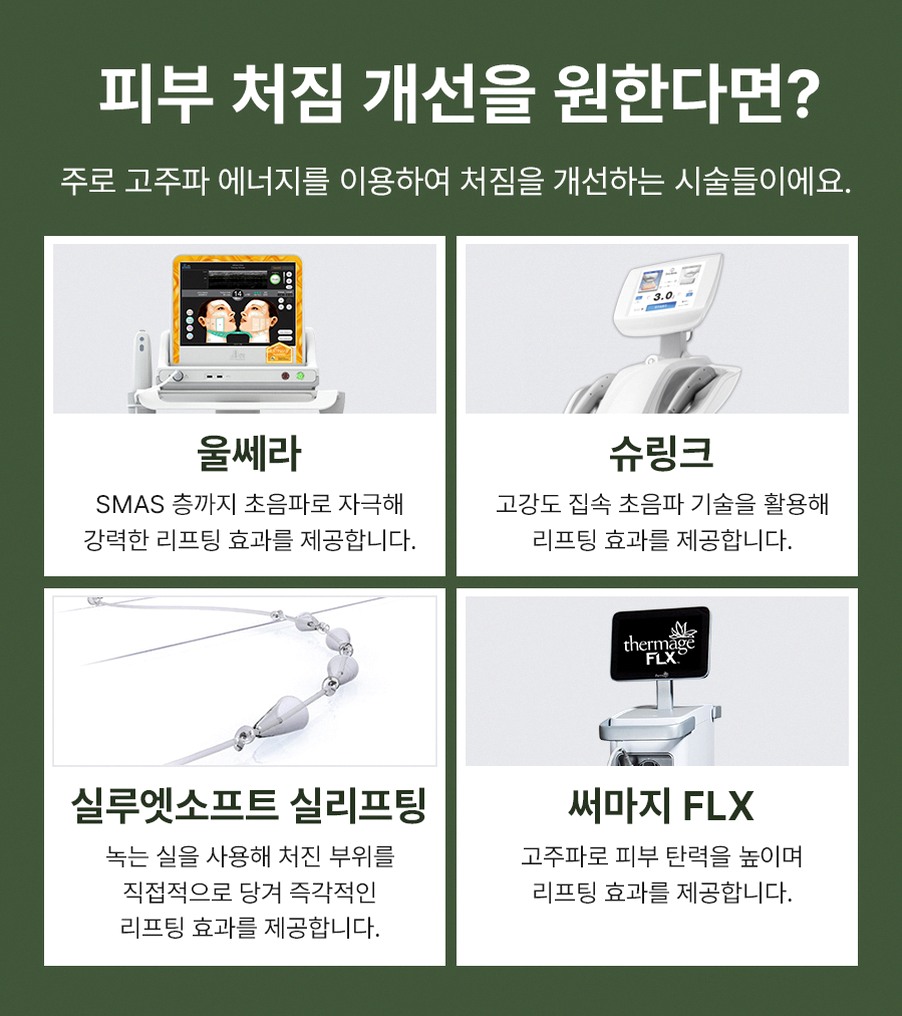
Lifting and contouring typically use HIFU devices like 3D Ultherapy‑type systems or Shurink, and radiofrequency devices such as Thermage FLX or SkinTyte.
When you contact a clinic, ask specifically which devices they use for your concern, and whether they combine them into structured programs rather than offering only single, one‑off sessions.
Personalized plans and transparency
A good Dongtan dermatology clinic should:
Take a detailed history, including previous treatments, medications, and lifestyle.
Explain options clearly, including expected number of sessions, intervals, and possible side effects.
Provide transparent information about non‑reimbursed prices according to local regulations.
Offer follow‑up visits and online channels where you can ask questions after treatment.
Patient experience and convenience
Finally, consider practical factors:
Location along Dongtan Daero Sibeom‑gil or other main roads, with easy access from bus or taxi.
Operating hours that match your work or travel schedule.
Reservation systems, including online booking and phone support.
Availability of staff who can assist non‑Korean speakers.
An example of specialist‑led care in Dongtan
Hus-hu Dermatology Clinic Dongtan as a reference point
This clinic is located on the third floor of a commercial building on Dongtan Daero Sibeom‑gil in Dongtan New Town, Hwaseong. It is designed as a specialist dermatology center providing both medical and aesthetic services.
Two board‑certified dermatologists lead the clinic, both trained at Kyung Hee University and Kyung Hee Medical Center. One of the doctors has experience as Chief of Dermatology in the medical unit serving the Presidential Office, and another has training at the UCI Beckman Laser Institute in the United States, which is known for work in laser and energy‑based treatments.
Their memberships span national societies for dermatology, acne, atopic dermatitis, psoriasis, hair, vitiligo, and laser medicine, as well as the American Academy of Dermatology. For patients, this usually means that treatment plans are based on evidence and updated protocols, especially for chronic diseases and advanced device‑based procedures.
The clinic also operates a dual medical director system, so patients can benefit from the combined perspectives of two specialists, which can be useful for complex or overlapping conditions.
How a comprehensive Dongtan clinic approaches major concerns
Medical dermatology, psoriasis, and vitiligo
Psoriasis overview
Psoriasis is a chronic inflammatory skin disease that causes red, scaly plaques on the scalp, elbows, knees, trunk, and sometimes nails or joints. It tends to wax and wane over time and often requires long‑term management rather than a single course of treatment.
Vitiligo overview
Vitiligo is a condition where pigment cells (melanocytes) are lost, leading to white patches on the skin. It can affect visible areas such as the face and hands, which may cause psychological stress. Treatment often involves a combination of topical medications, light‑based therapies, and careful monitoring.
Why specialist management matters
For both psoriasis and vitiligo, a dermatologist who is an active member of related societies is more likely to follow evidence‑based protocols, understand newer systemic and topical options, and tailor treatment to disease type, location, and lifestyle. This is particularly important for overseas patients who may need a clear plan they can continue in their home country.
General inflammatory skin diseases
A comprehensive Dongtan clinic should also manage eczema, atopic dermatitis, urticaria, and other inflammatory conditions. Management often includes skin barrier repair, trigger control, and sometimes systemic medications. The goal is to reduce flare‑ups and improve quality of life rather than promise a complete cure.
Nail fungus program
Onychomycosis (nail fungus) of the hands and feet is common and slow to treat. A structured pinpoint nail fungus program typically combines oral or topical antifungals with targeted devices that deliver energy into the nail plate to improve penetration and support clearance. Patients should expect several months of follow‑up, as nails grow slowly.
Redness, vascular issues, and sensitive skin
Redness and vascular lasers
Facial flushing, visible capillaries, and rosacea‑like symptoms are frequent reasons to search for a Dongtan dermatology clinic recommendation. A redness‑focused program often uses a vascular laser such as Vbeam Perfecta to target blood vessels while minimizing damage to surrounding tissue.
Supportive ultrasound skin management
To support sensitive skin and barrier recovery, some clinics combine vascular lasers with ultrasound‑based treatments like LDM. These can help with hydration, barrier function, and overall skin comfort, making it easier to tolerate repeated laser sessions.

For overseas patients, it is important to discuss how many sessions are realistic during your stay, and whether maintenance sessions can be spaced out or continued when you return home.
Acne, pores, and acne scars
Intensive acne programs
Acne often requires a combination of medical and procedural care. An intensive acne program may include:
Prescription medications and topical agents.
Light‑based therapies such as photodynamic therapy (PDT) to reduce sebaceous gland activity and bacteria.
Gentle extractions or peels when appropriate.
Gold‑based photothermal therapy (Gold PTT) can be used in some cases to help control sebum and inflammation. The exact protocol should be customized based on acne type, skin sensitivity, and schedule.

Pores and scar programs
Acne scars and enlarged pores usually need multiple sessions and a mix of technologies. A well‑equipped Dongtan clinic might combine:
Fractional lasers (ProFractional‑type devices) to resurface and remodel collagen.
Radiofrequency microneedling such as Secret RF to tighten and improve texture with controlled energy delivery.
Specialized scar devices like Legato 2 for stubborn or mixed‑type scars.
Scar fillers for selected depressed scars, when appropriate.
Patients should be informed about expected downtime, temporary redness or swelling, and the need for sun protection after procedures.
Pigmentation, melasma, and skin tone
Careful diagnosis first
Pigmentation problems include melasma, sunspots, freckles, post‑inflammatory hyperpigmentation, and others. Misdiagnosis or overly aggressive treatment can worsen discoloration, especially in skin that tans easily.

A dermatologist should examine your skin in person, sometimes with special lights or imaging, before deciding on a plan. Staged treatment is often safer than trying to remove all pigmentation quickly.
Whitening and toning programs
A typical program may include:
Laser toning with a Fotona‑type system for diffuse pigmentation and tone.
GentleMax Pro or BBL for discrete spots and overall brightening.
Iontophoresis‑type treatments such as Ionzyme DF to deliver vitamin C, tranexamic acid, or other actives into the skin.
Dermatologist supervision is important to adjust laser energy, pulse duration, and treatment intervals according to your response, and to coordinate with topical regimens and sun protection.
Lifting, anti‑aging, and contouring
Lifting devices
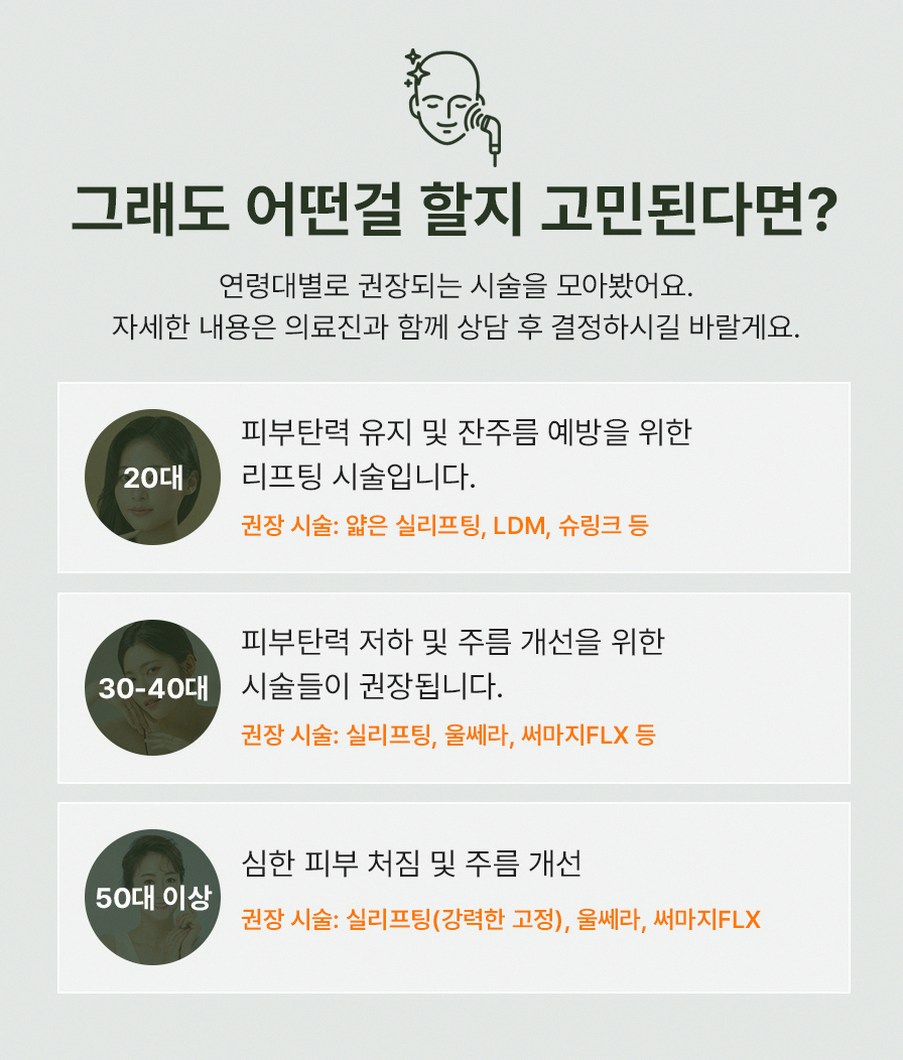
For skin laxity and facial contouring, clinics often use a combination of ultrasound and radiofrequency devices:

HIFU systems such as 3D Ultherapy‑type devices or Shurink deliver focused ultrasound energy to deeper layers to tighten and lift.
Radiofrequency devices like Thermage FLX and SkinTyte heat the dermis to stimulate collagen remodeling and improve firmness.
A doctor with training at an institute such as the UCI Beckman Laser Institute may have deeper experience in selecting parameters and combining devices safely.
Injectables and thread lifting
Anti‑aging plans may also include:
Skin boosters and regenerative injectables such as Rejuran for texture and fine lines.
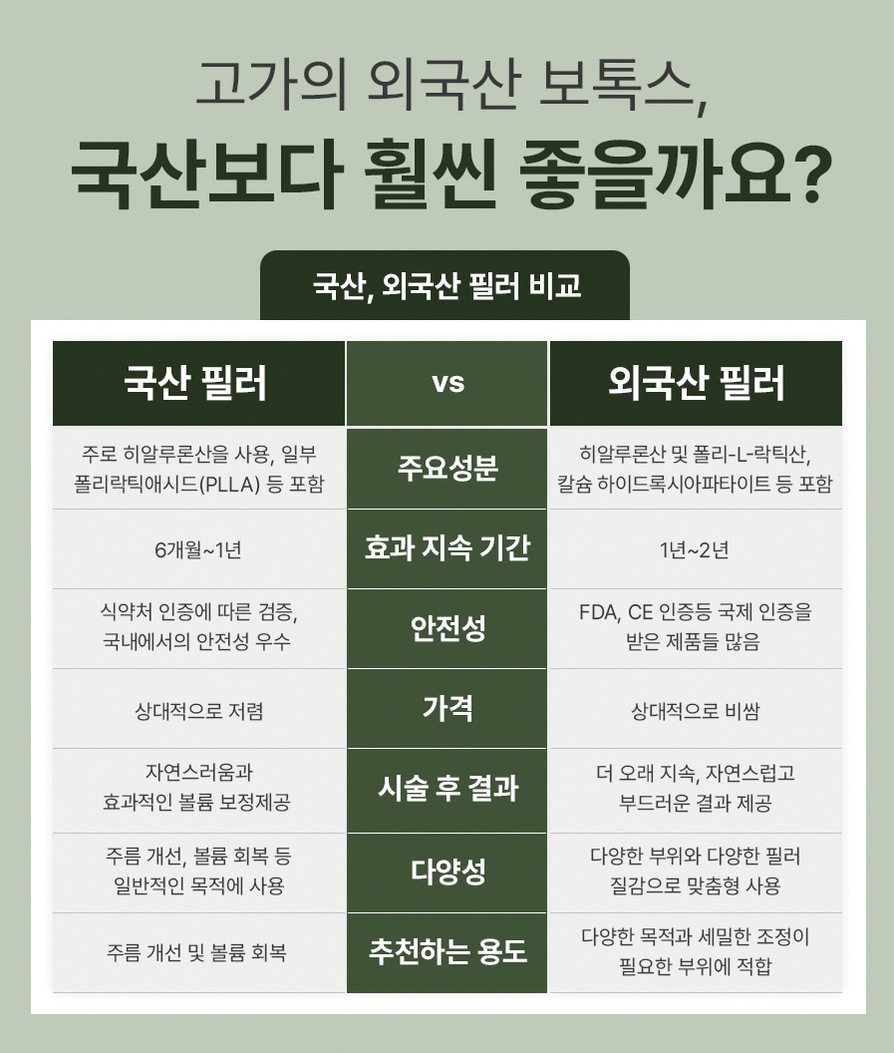
Hyaluronic acid fillers for volume restoration and contouring.
Specialized bio‑stimulating fillers such as Juvelook‑type products for collagen support.
Thread lifting options like Mint Lift or Silhouette Soft to reposition mild sagging.
Belkyra‑type injections for localized fat under the chin.
These treatments require careful anatomical knowledge and discussion of possible bruising, swelling, and gradual results.

Botox, fillers, and skin boosters
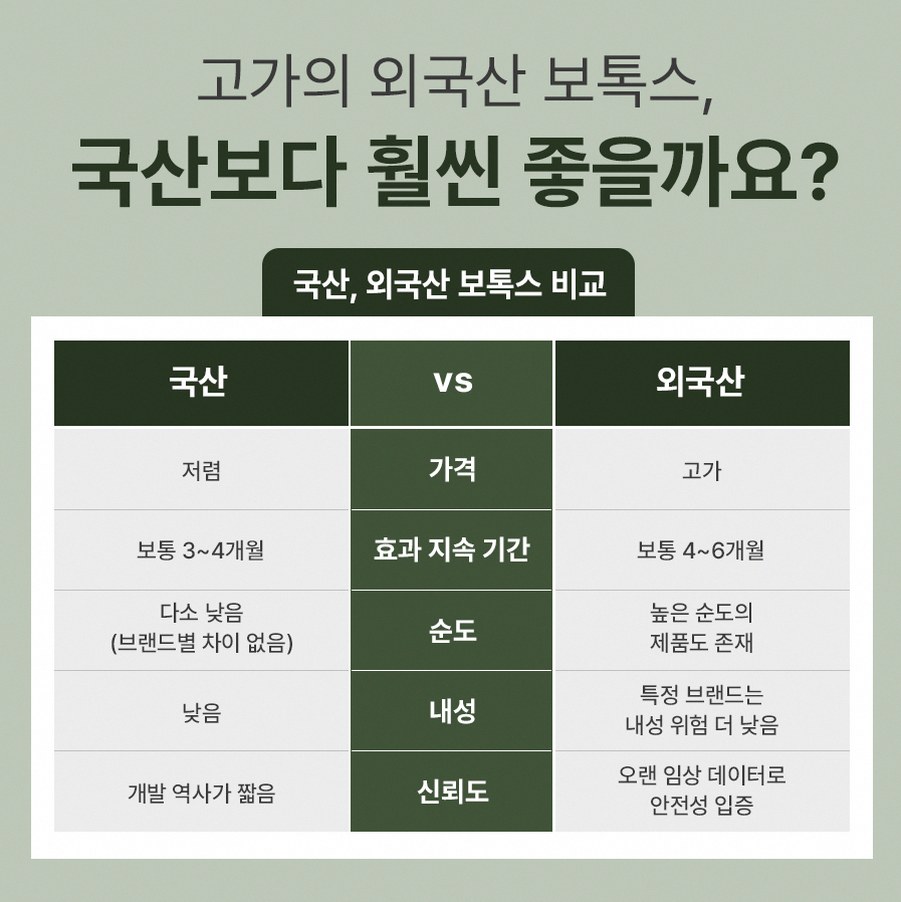
Botulinum toxin can be used for facial wrinkles (forehead, crow’s feet, frown lines) and also for body indications such as excessive sweating in the underarms or palms, and sometimes for contouring of areas like the jawline or calves.
Hyaluronic acid fillers are used for volume in areas such as the cheeks, nasolabial folds, lips, and under‑eye hollows. Hydro‑lifting or water‑glow type injections focus more on hydration and fine lines across larger areas of the face.
For overseas patients, it is important to schedule these early in your stay to allow time for minor swelling or bruising to settle before you travel home.
Scalp, hair loss, and body treatments
Scalp and hair loss
Membership in hair‑related societies suggests that the clinic follows structured approaches to hair loss, including detailed diagnosis, laboratory tests when needed, and a combination of topical, oral, and procedural treatments.

Hair loss management usually requires months, not days, so international patients may start evaluation and initial treatment in Dongtan, then continue medication and follow‑up in their home country with a clear written plan.
Body clinic services
A comprehensive Dongtan dermatology clinic recommendation may also include body treatments such as:
Stretch mark care using fractional lasers and collagen‑stimulating procedures.
Laser hair removal for various body areas, planned over several sessions.
Hyperhidrosis treatment with botulinum toxin injections in the underarms, hands, or feet.
Body botox for selected contouring indications.
Again, realistic expectations and clear explanation of session intervals are essential.
Patient experience, systems, and practical information
Location and environment
The clinic is located on the third floor of a commercial building along Dongtan Daero Sibeom‑gil in Dongtan New Town, making it accessible for local residents and visitors staying in nearby apartments or hotels. The environment is designed for both medical and aesthetic patients, with separate areas for consultation, procedures, and recovery.
Operating hours
Typical operating hours are:
Monday to Thursday: 10:00–19:00
Friday: 10:00–20:00
Saturday: 09:00–14:00
Closed on Sundays and public holidays
There is a stated lunch break from 13:00–14:00. Although the clinic aims to maintain continuity of care without long midday closures, it is still wise to avoid the lunch hour when planning your visit.

Reservations and online consultation
For local residents, online reservation is available via a major local portal on Wednesdays and Thursdays, while other days can be booked by phone. Overseas patients can usually start with an online consultation channel, sending photos and medical history so that the doctors can suggest a preliminary plan and estimate the number of visits needed.
The clinic also posts non‑reimbursed price information in line with current regulations, and offers a members‑only section with before‑and‑after photos for acne, redness, pigmentation, and scars. These images are meant to help set realistic expectations rather than guarantee specific results.
How overseas patients can prepare before visiting Korea
Online consultation and pre‑visit preparation
Before you travel, it is helpful to:
Prepare clear photos of your face or affected body areas in natural light.
List your current medications, allergies, and previous procedures or laser treatments.
Note any diagnoses you have received (for example, psoriasis, vitiligo, rosacea, melasma) and attach reports if available.
Explain your travel dates and how many days you can spend in Dongtan.
During online consultation, ask the clinic:
Which treatments they recommend and why.
How many sessions are realistic within your stay.
What downtime you should expect.
Which treatments can be started in Korea and continued at home.
Expected visit timeline for common concerns
Short stay (3–5 days)
Suitable for:
Initial consultation and planning for psoriasis, vitiligo, or hair loss.
Single‑session procedures such as botulinum toxin, simple fillers, or one session of laser toning or vascular laser.
Starting an acne or pigmentation program with topical prescriptions and one procedure.
You may have consultation on day 1, procedures on day 1 or 2, and a brief follow‑up before departure.
Medium stay (1–2 weeks)
Suitable for:
Two to three sessions of redness, acne, or pigmentation treatments spaced a few days apart.
Combined programs such as acne plus scar management with mild fractional treatments.
Initial lifting procedures followed by a check‑up before you leave.
Longer stay (3–4 weeks or repeated visits)
Suitable for:
More intensive acne scar programs with fractional lasers and radiofrequency microneedling.
Structured psoriasis or vitiligo protocols involving multiple light‑based sessions.
Comprehensive anti‑aging plans combining lifting, injectables, and skin boosters.

In all cases, the clinic should provide a written summary of what was done, what to avoid, and how to continue care at home.
Aftercare and follow‑up
Skin care after procedures
After lasers, peels, or microneedling, you will usually need:
Gentle cleansing and moisturizing.
Strict sun protection with broad‑spectrum sunscreen, hats, and avoidance of strong midday sun.
Avoidance of harsh scrubs, retinoids, or acids until your doctor allows them.
After injectables such as botulinum toxin or fillers, you may be advised to avoid heavy exercise, saunas, or massage of the treated area for a short period.
Remote follow‑up
For overseas patients, remote follow‑up is important. Take clear photos at intervals recommended by your doctor and send them through the agreed channel. Ask about:
When to schedule your next in‑person visit to Korea, if needed.
How to adjust topical or oral medications over time.
Warning signs that should prompt you to see a local dermatologist in your home country.
Frequently asked questions about choosing a Dongtan dermatology clinic
How many sessions will I need for acne, redness, or pigmentation?
The number of sessions depends on your diagnosis, skin type, and goals. Mild redness or pigmentation may improve after a few sessions, while chronic acne, melasma, or rosacea‑like conditions often require longer‑term management with maintenance treatments. During consultation, ask the doctor to outline a typical course, including an initial intensive phase and a maintenance phase, so you can plan your schedule and budget.
Can psoriasis or vitiligo be managed locally in Dongtan instead of a big university hospital?
Yes, many patients with psoriasis or vitiligo can be managed in a community‑based specialist clinic, especially when the doctors have university hospital teaching roles and are active in related professional societies. Severe or complicated cases may still need periodic review at a tertiary center, but day‑to‑day care, topical regimens, and many light‑based treatments can be handled in Dongtan. It is important to share your full medical history so the clinic can decide whether local management is appropriate.

Are lifting devices like HIFU and Thermage FLX safe for international patients with limited time?
HIFU and radiofrequency devices such as Thermage FLX are widely used and generally well tolerated when performed by experienced dermatologists who understand facial anatomy and device settings. For international patients with limited time, these treatments can be convenient because they are usually done in a single main session, with gradual improvement over months and minimal downtime. However, you should still schedule them early enough in your stay to allow for any temporary swelling or tenderness, and discuss your medical history and previous procedures in detail.
How can I compare different Dongtan dermatology clinics before making a decision?
When comparing clinics, look beyond price alone. Check whether the doctors are board‑certified dermatologists, review their training and hospital affiliations, and see if they list memberships in relevant professional societies. Ask which specific devices they use for your concern, how they structure treatment programs, and what kind of follow‑up they provide. It can be helpful to prepare a short checklist of questions about session numbers, downtime, aftercare, and how they handle complications. Using a specialist center in Dongtan as a reference point can make it easier to evaluate other options.

Soft call to action for online consultation
If you are planning a trip to Korea and are looking for a Dongtan dermatology clinic recommendation, consider starting with an online consultation at a specialist‑led center such as Hus-hu Dermatology Clinic Dongtan. By sharing your photos, medical history, and travel schedule in advance, you can receive a realistic outline of possible treatments, expected sessions, and aftercare. This preparation helps you make better use of your time in Korea and supports safer, more personalized skin care.

- 공유 링크 만들기
- X
- 이메일
- 기타 앱


댓글
댓글 쓰기