International Patients' Guide to Acne & Scars
- 공유 링크 만들기
- X
- 이메일
- 기타 앱
Direct answer summary
If you are looking for a Dongtan acne dermatology clinic that focuses on medical treatment rather than simple beauty facials, Dongtan New Town in Hwaseong offers options where acne is managed with structured programs, prescription medicine, and advanced devices. At clinics such as Hus-hu Dermatology Clinic Dongtan, two board-certified dermatologists directly evaluate your skin, design a plan for active acne and scars, and use multiple laser and energy-based systems instead of a single one-size-fits-all device.
This guide explains how a Dongtan-based acne-focused dermatology clinic typically approaches breakouts, redness, and scars, and what an overseas patient can expect before, during, and after a visit to Korea.
Why choose a dermatology clinic for acne in Dongtan
In Dongtan New Town you will find both cosmetic skin care shops and medical dermatology clinics. For persistent acne, frequent breakouts, or visible scars, a medical dermatology clinic is usually more appropriate than a facial spa.
A dermatology clinic can prescribe topical and oral medications, diagnose underlying conditions, and use medical-grade devices such as PDT systems, fractional lasers, and microneedle radiofrequency. These require medical training to set safe and effective parameters, especially on sensitive or easily pigmented skin.
At clinics like this in Dongtan, two board-certified dermatologists see patients directly. Both completed medical school and dermatology residency at Kyung Hee University School of Medicine and serve as external faculty at Kyung Hee University Hospital Department of Dermatology. One of the medical directors previously led dermatology at the Presidential Medical Office Seoul District Hospital and placed first in the first stage of the national dermatology board exam. The other has training at the UCI Beckman Laser Institute and is an active member of multiple dermatology and laser societies.
For international patients, these backgrounds matter because acne is not just a cosmetic problem. It is an inflammatory skin disease that can leave long-term scars and pigmentation if not handled with proper diagnosis and careful device use.
How acne is evaluated: types, severity, and skin characteristics
Before any treatment, a Dongtan acne dermatology clinic will usually carry out a detailed consultation and skin examination.
During the first visit, the dermatologist asks about when your acne started, how it has changed, previous treatments, current medications, menstrual cycle patterns, stress, diet, and skincare routine. This helps identify triggers and possible hormonal or lifestyle factors.
On the skin itself, the doctor looks at:
Type of acne
Whiteheads and blackheads (comedones)
Inflammatory papules and pustules (red, painful bumps)
Nodules and cysts (deep, tender lumps)
Severity and distribution
Mild, moderate, or severe
Face only, or also chest, back, shoulders
Symmetry and areas of oiliness
Skin characteristics
Oil production and shine
Sensitivity and tendency to irritation
Redness and visible vessels
Tendency to develop dark marks after inflammation (post-inflammatory hyperpigmentation)
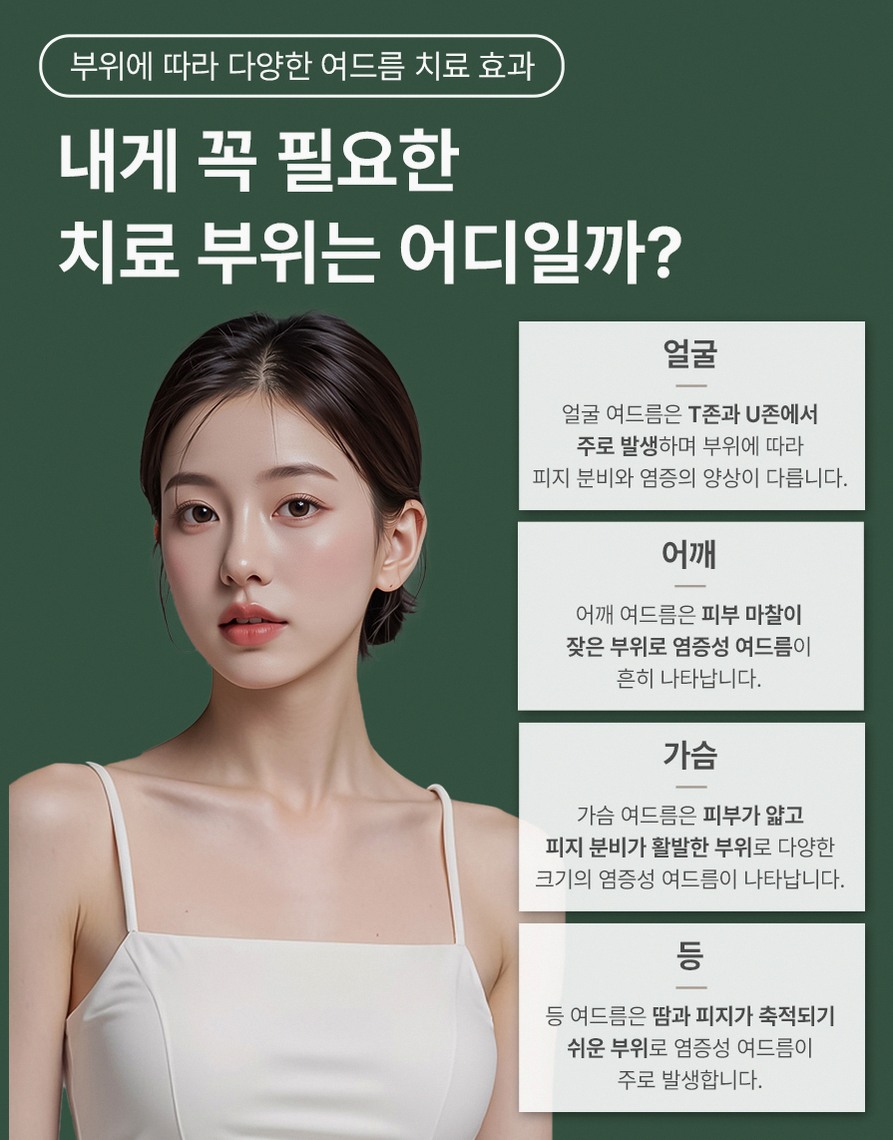
Existing acne scars: ice-pick, boxcar, rolling, mixed types
This evaluation guides the choice between different tools: medication alone, PDT, fractional laser, microneedle RF, vascular laser, or gentler maintenance care. For example, someone with very oily, inflamed acne may benefit from PDT, while someone with mostly old scars and few active lesions may focus on fractional laser and RF.
Active acne treatment options in Dongtan
Many Dongtan acne dermatology clinics use a structured, program-style approach rather than single, occasional procedures.
Comprehensive acne program
The comprehensive acne program is designed to address active inflammation, oiliness, and recurrence together. It usually includes:
Dermatologist assessment of acne type and severity
Topical and/or oral medication when clinically indicated
Device-based treatments tailored to your skin, such as PDT or laser toning
Lifestyle and skincare guidance for barrier repair and reduced irritation
Regular follow-up to adjust the plan based on response
Medications may include topical retinoids, benzoyl peroxide, antibiotics, azelaic acid, or other agents, and in some cases oral antibiotics or hormonal treatments. Your doctor will consider your age, sex, medical history, and pregnancy plans.
PDT (photodynamic therapy) for acne
PDT, or photodynamic therapy, is often used for patients with frequent inflammatory papules and pustules, or for those who cannot or do not wish to take high-dose oral medication.
In PDT, a photosensitizing agent is applied to the skin and allowed to absorb into the sebaceous glands. Then a specific wavelength of light activates the agent. This process targets overactive sebaceous glands and acne-causing bacteria, helping reduce oiliness and the number of inflammatory lesions.
Because PDT can cause temporary redness, swelling, and sensitivity, parameter selection is important. At a Dongtan acne dermatology clinic, a dermatologist sets the energy level and exposure time according to your skin type and previous reaction history, with special care for darker or easily pigmented skin. You may be advised to avoid strong sun exposure and use strict sun protection for a period after treatment.
Redness and vascular care
For many patients, even after active acne calms down, red marks and overall facial redness remain. Dongtan clinics may use a combination of vascular laser and soothing ultrasound devices.
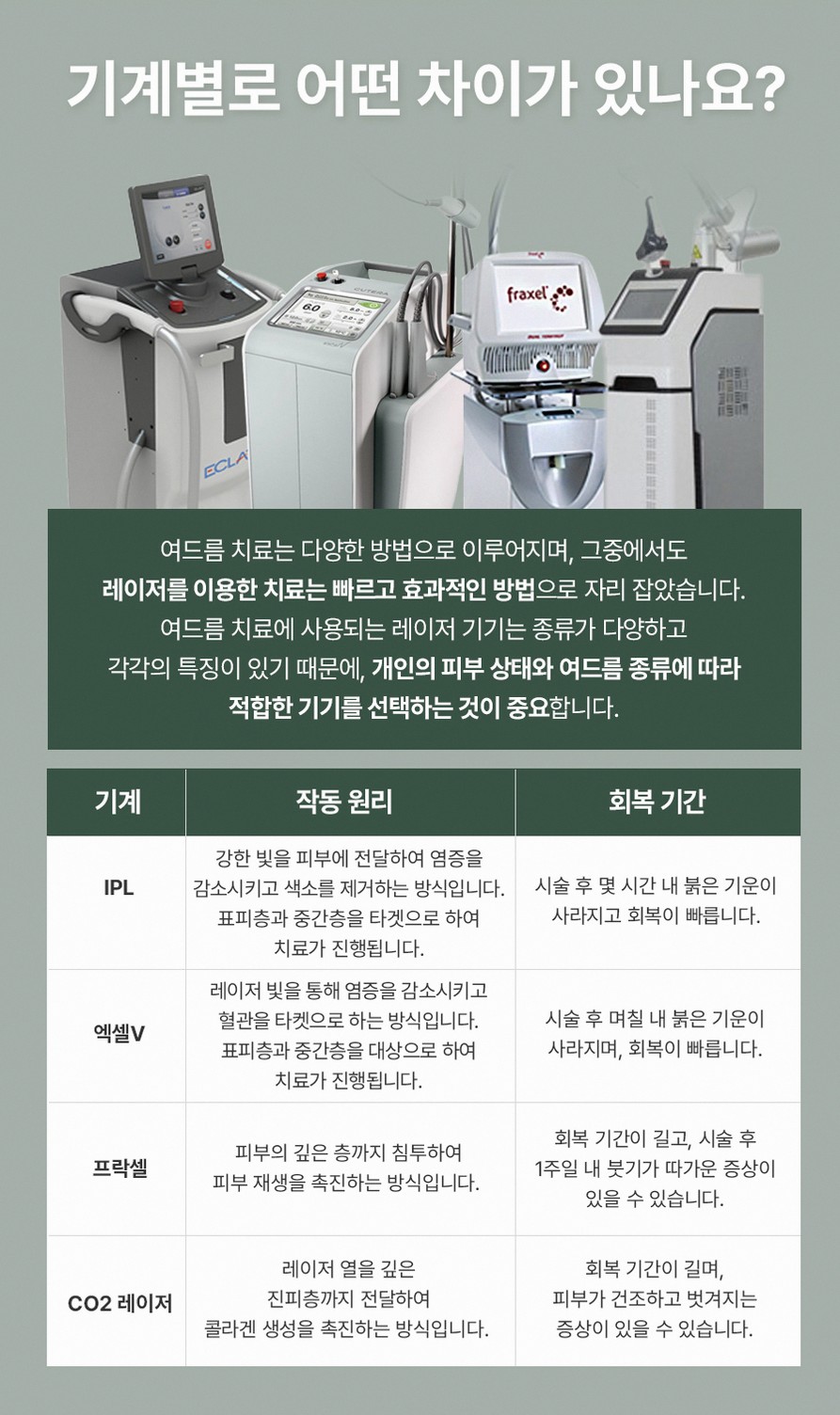
V-beam Perfecta is a vascular laser that targets blood vessels. It can help reduce post-acne redness and persistent red marks (post-inflammatory erythema). Settings can be adjusted from gentle, minimal-downtime modes to more intensive sessions when needed.
LDM ultrasound is a genuine-brand ultrasound device used for soothing, hydration, and skin barrier support. It can be combined with other treatments to calm the skin, reduce swelling, and help recovery.
Together, these tools allow the clinic to address not only active pimples but also the redness and sensitivity that often accompany acne-prone skin.
Treating acne scars and enlarged pores
Once active breakouts are under control, many patients focus on scars and enlarged pores. A Dongtan acne dermatology clinic typically offers a pore and scar program that combines several methods.
Understanding acne scars
Ice-pick scars: narrow, deep pits
Boxcar scars: wider, with more defined edges
Rolling scars: shallow, wave-like depressions
Enlarged pores: often related to chronic oiliness and previous inflammation
Different scars respond differently to treatments, so the dermatologist will map out your scar types and depth. Skin tone and downtime tolerance are also important: some patients can accept more redness and peeling for stronger results, while others need very gradual changes with minimal disruption to work or school.
Pore and scar program
A typical pore and scar program in Dongtan may combine:
Fractional lasers such as Legato 2 for resurfacing and collagen induction
Secret RF (microneedle radiofrequency) for deeper dermal remodeling
Scar filler for selected, sharply depressed scars
Gold PTT (gold particle photothermal therapy) for sebum and pore control
Fractional lasers create microscopic columns of controlled injury in the skin, stimulating new collagen and smoothing texture over time. Pro Fraxel and Legato 2 are examples of devices used for this purpose. Settings can be adjusted to be gentler for darker or sensitive skin.
Secret RF uses fine microneedles that deliver radiofrequency energy into the dermis. This can be helpful for deeper rolling scars and overall firmness. Because the energy is delivered below the surface, downtime can be moderate with pinpoint marks and mild swelling.
Scar filler may be considered for individual deep, depressed scars that do not respond well to resurfacing alone. The goal is to lift the base of the scar closer to the surrounding skin level. The dermatologist will explain realistic expectations, possible need for touch-ups, and how filler fits into the overall scar plan.
Gold PTT, also known as gold particle photothermal therapy, uses tiny gold particles and specific light wavelengths to target sebaceous glands and pores. It can be combined with other treatments to help control oil and refine texture, especially in patients with both scars and persistent oiliness.
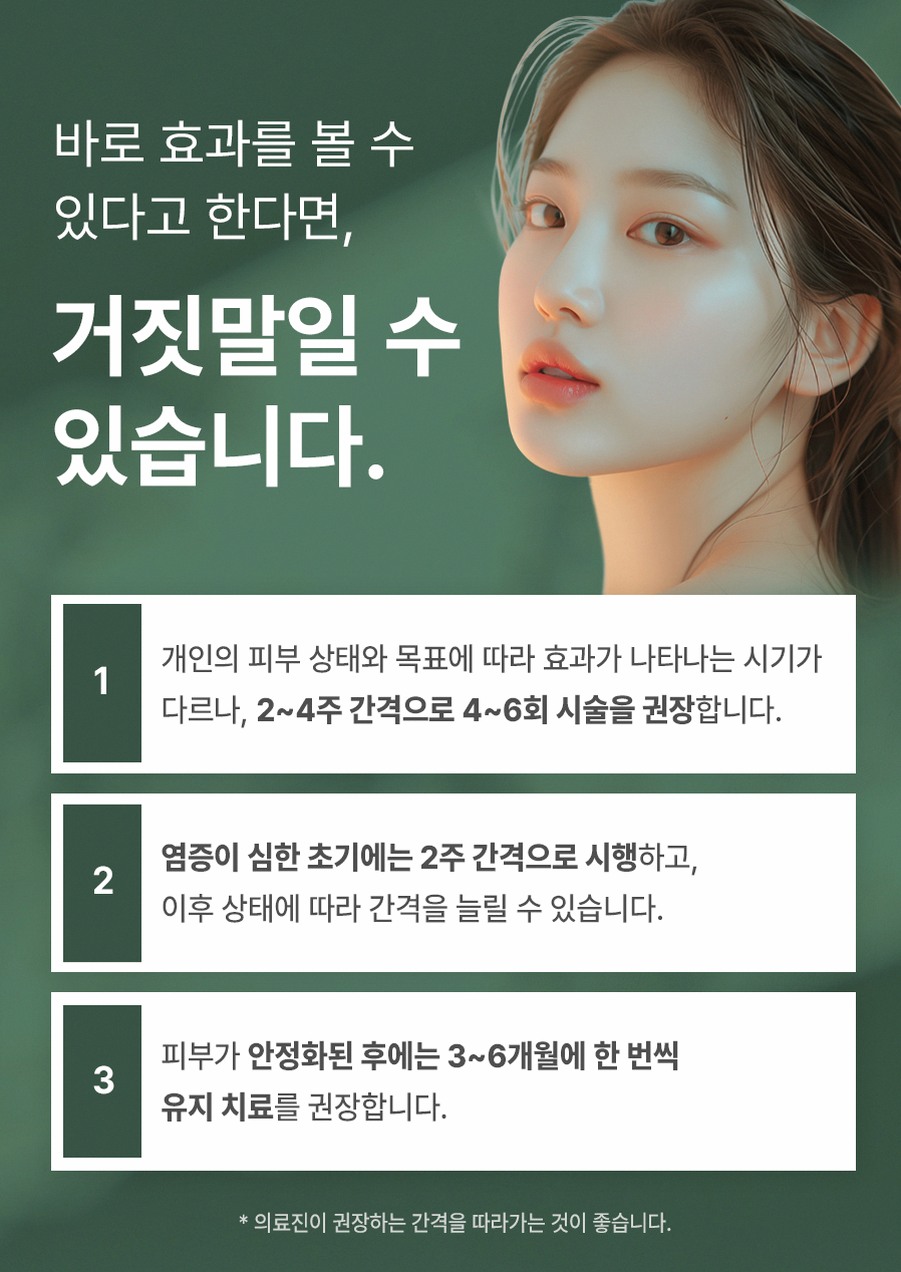
These methods are usually staged over multiple sessions. A common approach is to alternate devices, allowing the skin to recover between treatments while gradually building collagen and improving texture.
Safety, downtime, and aftercare
For overseas patients, understanding recovery time is essential for planning flights and work or school schedules.
PDT downtime
After PDT, the skin may look red and feel warm or tight for a day or two. Some patients experience mild peeling or darkening of treated spots before they flake off. Strict sun protection is usually required for several days, and your doctor may recommend avoiding outdoor activities during peak UV hours.
Fractional laser downtime
Fractional laser treatments typically cause redness and swelling for one to three days, followed by bronzing or a sandpaper-like texture and mild peeling for several more days. Makeup is often allowed after a certain period, which your doctor will specify. Sun protection and gentle cleansing are important to reduce the risk of pigmentation.
Secret RF downtime
Microneedle RF can cause pinpoint marks, redness, and mild swelling for one to three days. In many cases, patients can return to work within a couple of days, depending on how visible redness is acceptable in their environment.
Supportive care
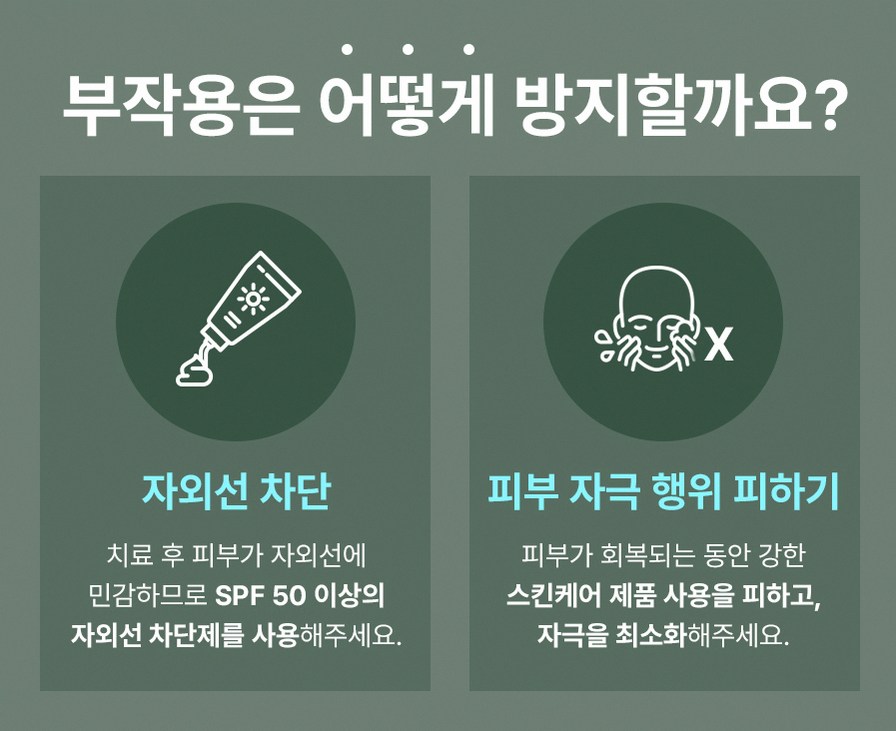
To minimize risks, a Dongtan acne dermatology clinic typically:
Performs a detailed consultation and may do test spots for sensitive or darker skin
Uses conservative settings at first, then adjusts based on your response
Schedules treatments with enough spacing for healing
After procedures, soothing programs such as LDM ultrasound, cooling packs, and barrier-repair ampoules may be used to support recovery. You will receive instructions on:
Gentle cleansing and moisturizing
Avoiding harsh scrubs, acids, or retinoids for a recommended period
Consistent use of broad-spectrum sunscreen
Monitoring for unusual reactions and when to contact the clinic
Who may consider a Dongtan acne dermatology clinic
International patients who might benefit include those who:
Have persistent acne that has not responded well to over-the-counter products
Experience frequent inflammatory breakouts that leave marks and scars
Have mixed concerns: active acne, redness, enlarged pores, and scars
Have sensitive or easily pigmented skin and need careful parameter selection
Prefer a structured, medically supervised program rather than occasional facials
Patients with complex histories, such as previous isotretinoin use, hormonal acne, or multiple failed treatments, may particularly appreciate the involvement of dermatologists who are active in academic and professional societies.
Online consultation and pre-visit preparation
Before traveling to Korea, it is helpful to arrange an online consultation if available. Many clinics can review photos and medical history to give a preliminary opinion and outline possible treatment options and timelines.
To prepare for an online consultation:
Take clear photos of your face (and other affected areas if relevant) in natural light from the front and sides.
Prepare a list of current and past medications, including acne drugs, birth control, supplements, and any allergies.
Note previous procedures such as chemical peels, lasers, microneedling, or surgery, and how your skin reacted.
Think about your main priorities: reducing breakouts, fading redness, improving scars, or all of the above.
Clarify your travel schedule: how many days you can stay in Korea and whether you plan to return for follow-up.
During the consultation, you can ask which treatments are realistic within your time frame, what kind of downtime to expect, and how many sessions might be recommended.
Expected Korea visit timeline for acne and scars
The ideal schedule depends on your goals and how long you can stay. Here are some general patterns for overseas patients.
Short stay (about 3–5 days)
Suitable for: initial evaluation, starting medication, performing one session of PDT or a gentle laser, or doing a mild scar treatment.
Day 1: In-person consultation, skin examination, treatment planning. Possible first session of PDT or a low-downtime procedure.
Day 2–3: Review of skin reaction, soothing care if needed, skincare guidance, prescription of topical or oral medication.
Medium stay (about 1–2 weeks)
Suitable for: more intensive combination of active acne control and initial scar work, with time for early recovery.
Day 1–2: Consultation and first main procedure (PDT, fractional laser, or Secret RF).
Day 3–5: Soothing treatments, monitoring of healing, adjustment of home care.
Day 7–10: A second, lighter session (for example, vascular laser for redness or LDM ultrasound) and final review before departure.
Longer stay or repeated visits
For deeper scars and long-term acne control, multiple sessions spaced several weeks apart are usually needed. International patients who visit Korea regularly for work or family reasons sometimes schedule treatments to match their trips.
Your dermatologist can help design a plan that combines in-clinic procedures during your visits with at-home care and medication between trips.
Aftercare once you return home
After you leave Korea, ongoing care is important to maintain results and prevent relapse.
Follow the written aftercare plan provided by the clinic, including how long to avoid certain products and when to restart active ingredients like retinoids or exfoliants.
Use sunscreen daily and avoid tanning beds.
Stick to a gentle, consistent skincare routine rather than frequently changing products.
If possible, arrange follow-up by email or online consultation, sharing photos so the dermatologist can monitor your progress.
If you plan another visit to Korea, keep records of any new treatments or medications you receive at home so your Dongtan dermatologist can coordinate safely.
Location and practical details in Dongtan New Town
A Dongtan acne dermatology clinic for international patients is typically located in Dongtan 2 New Town, convenient for residents and visitors. Hus-hu Dermatology Clinic Dongtan, for example, is on the 3rd floor of Port Central City at 146 Dongtan-daero Sibeom-gil in Hwaseong, Gyeonggi-do.
Typical consultation hours may be similar to:
Monday to Thursday: 10:00–19:00
Friday: 10:00–20:00
Saturday: 09:00–14:00
Lunch break: 13:00–14:00
Closed on Sundays and public holidays
Reservations are usually required. Some clinics offer online booking through local platforms on specific days and phone reservations on others. For example, online reservation via Naver may be available on certain weekdays, with phone booking at a number such as 031-378-0751 for other times. When you contact the clinic, you can ask about English support and the best way to communicate from overseas.
FAQ
How many sessions are usually needed for acne scar treatment?
The number of sessions needed for acne scar treatment varies depending on the depth and type of scars, your skin type, and how aggressive the settings can be. Many patients need several sessions of fractional laser, microneedle RF, or combined treatments, spaced a few weeks apart, to see noticeable improvement. Your dermatologist in Dongtan will usually start with a conservative plan, then adjust the number and intensity of sessions based on your response.
Is PDT painful, and how long is the downtime?
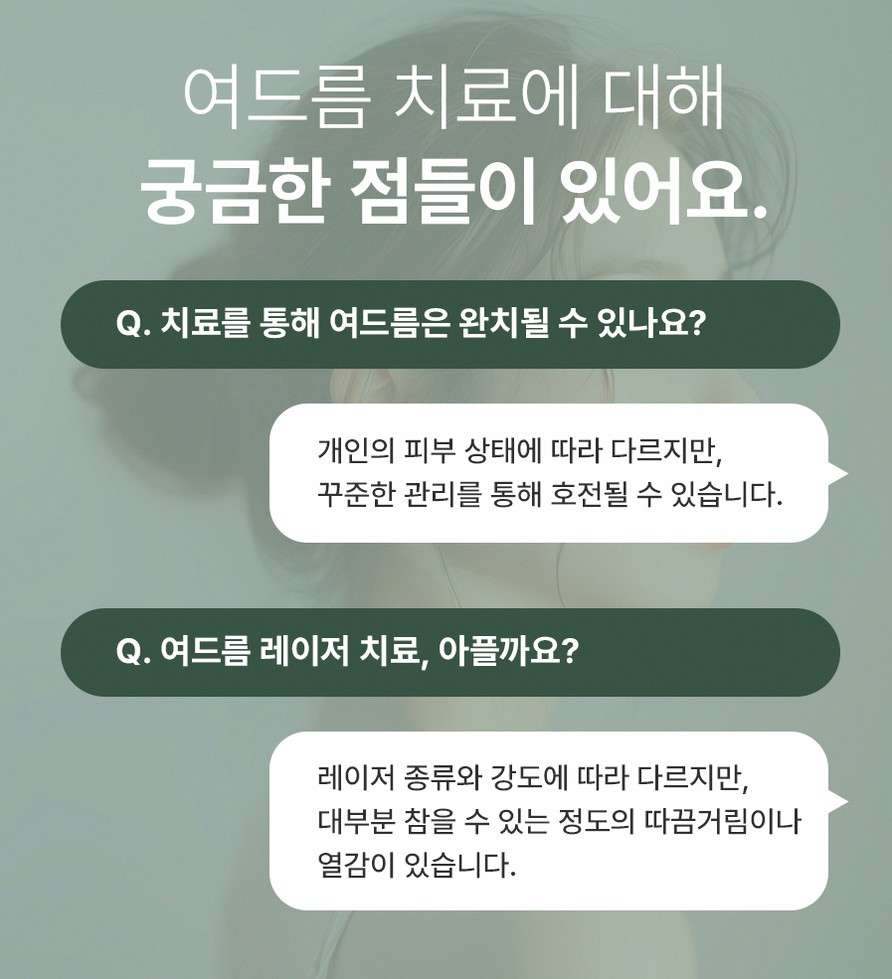
During PDT, you may feel warmth, tingling, or stinging when the light is applied, but most patients tolerate it with cooling or topical anesthetic if needed. After treatment, the skin can be red and sensitive for one to two days, sometimes with mild swelling or peeling. Strict sun protection is important for several days. Your doctor will explain how to manage discomfort and what activities to avoid during the recovery period.
Can sensitive or easily pigmented skin safely receive fractional laser or RF treatments?
Sensitive or easily pigmented skin can often receive fractional laser or microneedle RF, but parameter selection and aftercare are critical. A Dongtan acne dermatology clinic with experience in these devices will usually begin with milder settings, test small areas, and space treatments appropriately. Sun protection, gentle skincare, and close follow-up help reduce the risk of post-inflammatory hyperpigmentation. It is important to inform your dermatologist about any history of dark marks after minor injuries or previous procedures.
What is the difference between treating acne at a dermatology clinic and at a cosmetic skin care shop?
A dermatology clinic can diagnose acne as a medical condition, prescribe appropriate medications, and use medical-grade devices under a doctor’s supervision. This allows for treatment of moderate to severe inflammatory acne, nodules, cysts, and scars, with attention to long-term management and safety. A cosmetic skin care shop can offer facials and basic care but cannot prescribe medicine or manage complications. For persistent or scarring acne, most patients benefit from starting with a dermatology clinic and then adding cosmetic care later if desired.

Can I treat both active acne and scars at the same time?
In many cases, dermatologists prefer to first bring active inflammation under control before performing aggressive scar procedures. However, some treatments can address both to a degree, and mild scar work may be combined with active acne management. The exact sequence depends on how severe your breakouts are, how sensitive your skin is, and how much downtime you can accept. Your Dongtan dermatologist will explain which concerns to prioritize and how to stage the plan.
How soon can I go back to work or school after acne procedures?
Return time depends on the specific procedure and your comfort with visible redness. After PDT or gentle laser toning, many patients feel comfortable returning to daily activities within one to two days. Fractional laser or microneedle RF may require a few days of visible redness and texture changes. For overseas patients, it is wise to schedule more intensive procedures early in your stay, leaving several days for recovery before important meetings or your flight.
Soft call to action for online consultation
If you are considering traveling to Korea for acne or acne scar treatment and would like a structured, medically guided approach in Dongtan New Town, you can start with an online consultation. Share your photos, treatment history, and travel plans so the dermatology team can outline realistic options and a tentative schedule. Clinics such as Hus-hu Dermatology Clinic Dongtan can then coordinate your in-person visit, helping you make the most of your time in Korea while prioritizing safety and long-term skin health.

- 공유 링크 만들기
- X
- 이메일
- 기타 앱


댓글
댓글 쓰기