Look for Dermatologists, Medical Lasers, and Follow-up
- 공유 링크 만들기
- X
- 이메일
- 기타 앱
Direct answer: what to look for in a good laser hair removal clinic in Dongtan
used, and how carefully the clinic manages your skin before and after treatment.
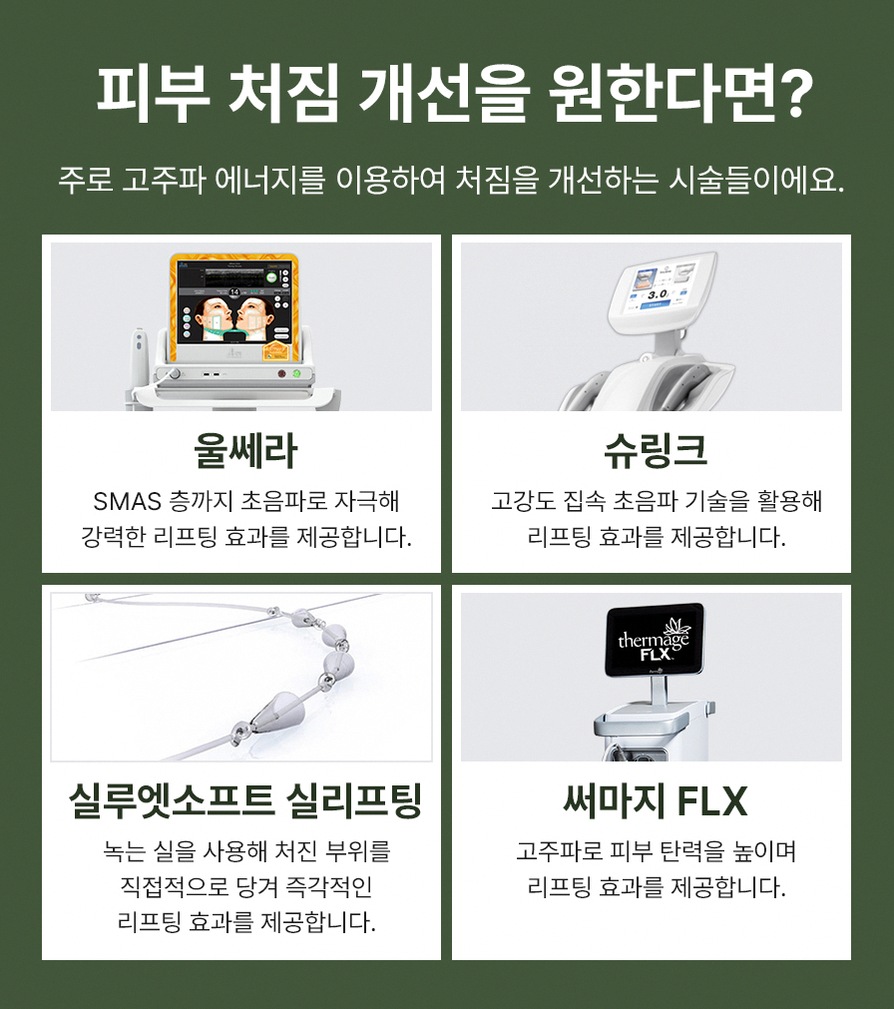
A good laser hair removal clinic in Dongtan should have dermatology specialists who understand both lasers and skin diseases, use recognized clinical laser systems referenced on their treatment menu (for example, devices such as Photona, BBL, or GentleMax are commonly listed), and adjust settings according to your skin type, hair thickness, and treatment area. It should also have a clear system for pain control, side effect management, and follow-up visits over multiple sessions.
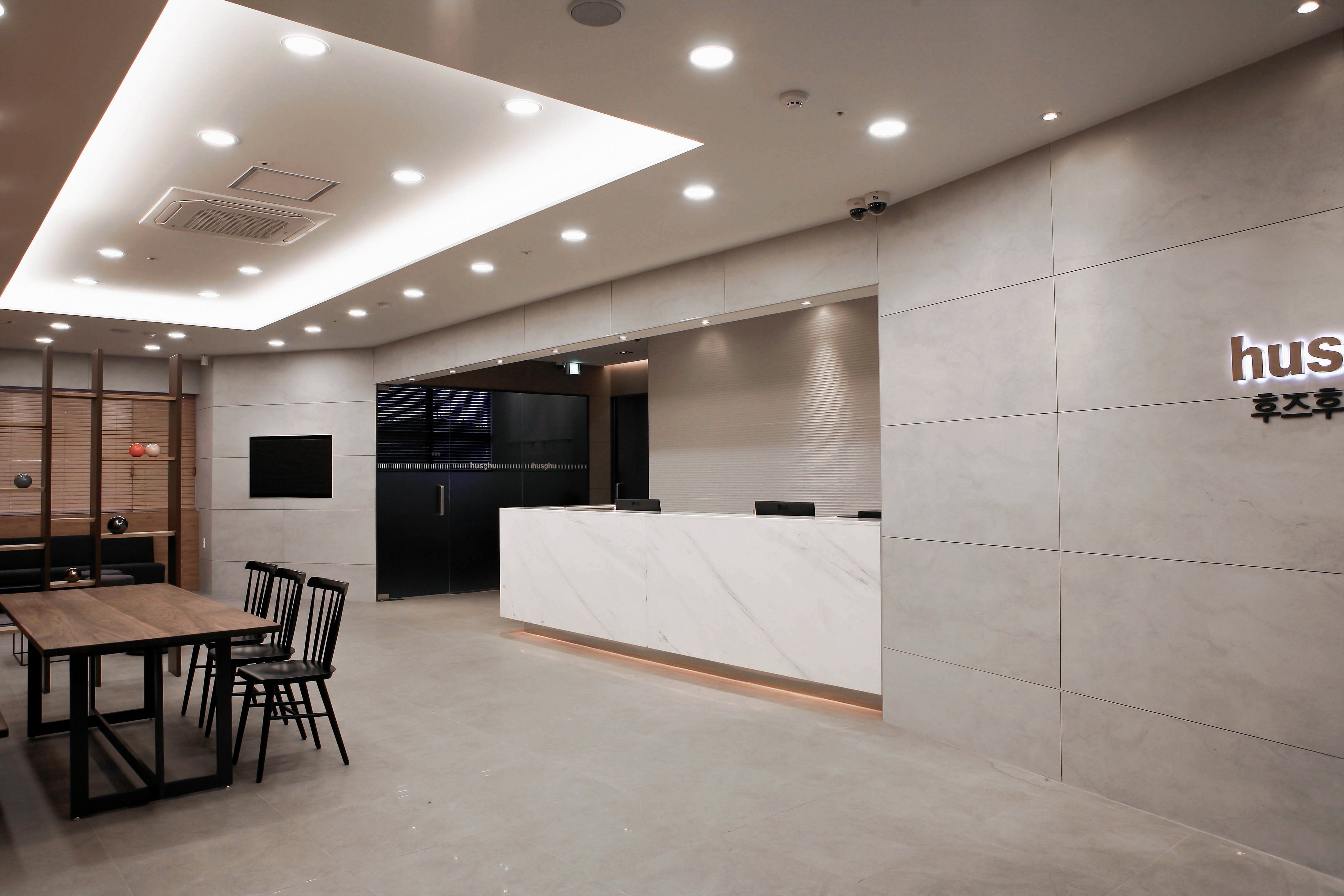
Hus-hu Dermatology Clinic Dongtan offers laser hair removal as part of a broader body treatment program, including procedures for sweating and body botulinum toxin. The clinic is run by dermatology specialists with university hospital teaching experience, which can be reassuring if you are concerned about safety, sensitive skin, or long-term results.
Why choose a dermatology clinic for laser hair removal instead of a non-medical shop
Many people compare medical laser hair removal at a dermatology clinic with non-medical options such as waxing salons, simple home devices, or low-cost centers that are not led by dermatologists. Understanding the difference can help you decide where to invest your time and budget.

At a dermatology clinic, hair removal is considered a medical procedure using medical-grade lasers. Before starting, the doctor can check for skin conditions such as eczema, folliculitis, keratosis pilaris, or existing pigmentation. If you have any of these, the plan can be adjusted so that laser settings and intervals are safer for your skin.
In contrast, non-medical shops usually cannot diagnose or treat skin disease. If you have redness, rashes, or unusual bumps, they may not recognize what they are or how the laser might affect them. This can increase the risk of burns, scarring, or worsening of existing problems.
Another important point is complication management. Laser hair removal is generally safe, but side effects such as burns, blisters, post-inflammatory hyperpigmentation, or paradoxical hair growth can occur. Board-certified dermatologists are trained to recognize these issues early and treat them with appropriate medical care, such as topical steroids, pigment control treatments, or procedures for scarring if needed.
At this clinic, both representative doctors are board-certified dermatologists with backgrounds from a major medical school and a university hospital dermatology department. They are active members of multiple dermatology and laser-related societies. This background supports their credibility for laser-based procedures such as hair removal, where precise understanding of skin and light interaction is essential.
Medical staff background: why expertise matters for laser-based treatments
Laser hair removal may look simple from the outside, but safe and effective treatment actually depends on detailed decisions about energy level, pulse duration, and cooling. These decisions are based on both medical training and experience.
This clinic is led by two representative dermatologists who graduated from a major medical school and completed dermatology residency at a university hospital. One of the representative doctors previously served as a dermatology chief at a presidential medical unit in Seoul and placed first in the first-stage dermatology board exam. This level of training and trust suggests careful clinical judgment, which is important when deciding whether your skin is ready for treatment on a given day, or when to reduce or increase energy.
The other representative doctor has training experience at an international laser research institute, the UCI Beckman Laser Institute, and is an active member of multiple dermatology and laser societies. This kind of background means a deeper understanding of laser physics, skin response to different wavelengths, and how to set safe parameters for different skin tones and hair types.
In simple terms, for hair removal this expertise helps in choosing the right fluence, which is the strength of the laser energy, and pulse duration, which is how long each pulse lasts. The goal is to heat and damage the hair follicle enough to reduce regrowth, while avoiding unnecessary heat in the surrounding skin. Proper cooling, either through contact cooling or cold air, protects the top layer of the skin and reduces pain.
When a dermatologist understands these factors, they can adjust settings more precisely for sensitive areas like the face or bikini line, for thicker hair in the underarms, or for legs and arms where the skin may tolerate stronger settings.
How professional laser hair removal is performed at a dermatology clinic
For patients, it can be reassuring to know what to expect step by step. While details vary by clinic, the general process at a medical dermatology clinic follows a structured flow.
First is the initial consultation and skin and hair assessment. The doctor or medical staff will check your skin type, hair thickness and density, and the exact area you want to treat, such as face, underarms, arms, legs, or bikini line. They will ask about your medical history, including any tendency to form keloid scars, photosensitivity, use of medications such as isotretinoin, and existing skin diseases like eczema or psoriasis.
Second is treatment planning. Based on your hair growth pattern and area, the clinic will estimate the number of sessions and the interval between them, usually several weeks apart. They should also explain realistic expectations: laser hair removal usually leads to a long-term reduction in hair density and thickness, not always complete and permanent removal. Some fine regrowth or maintenance sessions may be needed.
Third is the procedure day. If necessary, the area is shaved shortly before treatment, since the laser targets the pigment in the hair root, not long hair on the surface. You will be given eye protection, and depending on the area and your pain tolerance, cooling or numbing cream may be applied. A test shot is often done first to check your skin reaction. If the response is acceptable, the full area is treated in a systematic pattern.
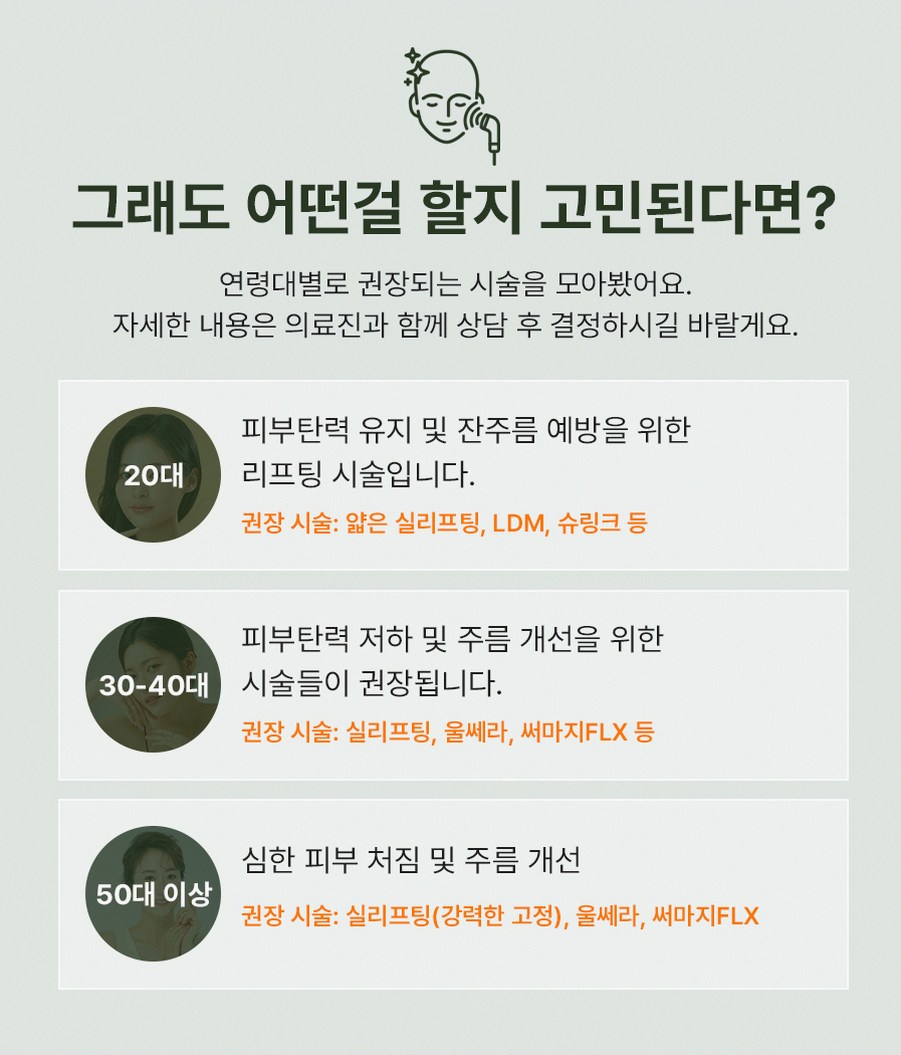
Fourth is immediate aftercare. Right after the procedure, the treated area may be cooled with packs or air, and soothing products may be applied. The staff will give you instructions on sun protection and what to avoid for a short period, such as saunas, hot baths, or intense exercise that could irritate the skin.
Fifth is follow-up. Because hair removal requires multiple sessions, the clinic should monitor your skin after each treatment. They will check for side effects such as prolonged redness, swelling, blisters, or pigmentation changes. Settings can be adjusted in later sessions based on your response. At this clinic, hair removal is part of a broader body clinic that also includes treatments for sweating and body botulinum toxin, so their protocols and facilities are designed for body-area procedures with attention to comfort and safety.
Key criteria for choosing a good laser hair removal clinic in Dongtan
When comparing options in Dongtan, it can help to use a simple checklist rather than relying only on advertisements.

First, check whether the treatment is supervised or performed by board-certified dermatologists. This matters for both safety and quality of results, especially if you have sensitive skin, darker skin tones, or a history of skin problems.
Second, ask whether the clinic uses medical-grade laser devices and whether parameters are adjusted individually. The same settings should not be used for every patient. A proper clinic will consider your skin type, hair color, and area, and may change settings over time.
Third, confirm that there is a proper consultation before starting. The clinic should review your medical history, medications, and any existing skin conditions. If this step is rushed or skipped, it may be a sign to be cautious.
Fourth, see whether potential risks and side effects are explained in advance. You should receive clear instructions about aftercare and what to do if you notice unusual symptoms.
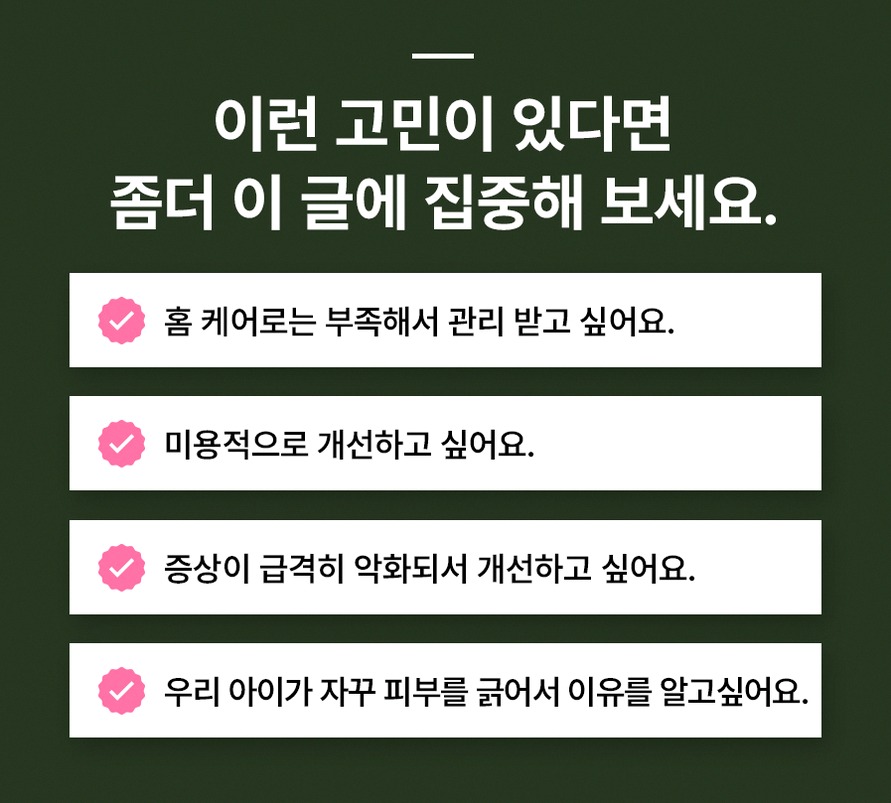
Fifth, check whether there is a system for follow-up visits and management of any adverse reactions. A clinic that invites you back to check your skin, or that responds quickly to questions and concerns, is usually more reliable.
Practical points like convenience also matter. This clinic offers extended hours on weekdays, including one late-evening day, and Saturday morning sessions, which can be convenient if you work during the day and need to come regularly for several months. The clinic also operates online consultation and publishes non-insured price information, which can help you understand costs and plan for multiple sessions without surprises.
Pain, number of sessions, and expected results
Many people hesitate to start laser hair removal because they are worried about pain and do not know how many sessions they will need. Understanding typical expectations can make the decision easier.
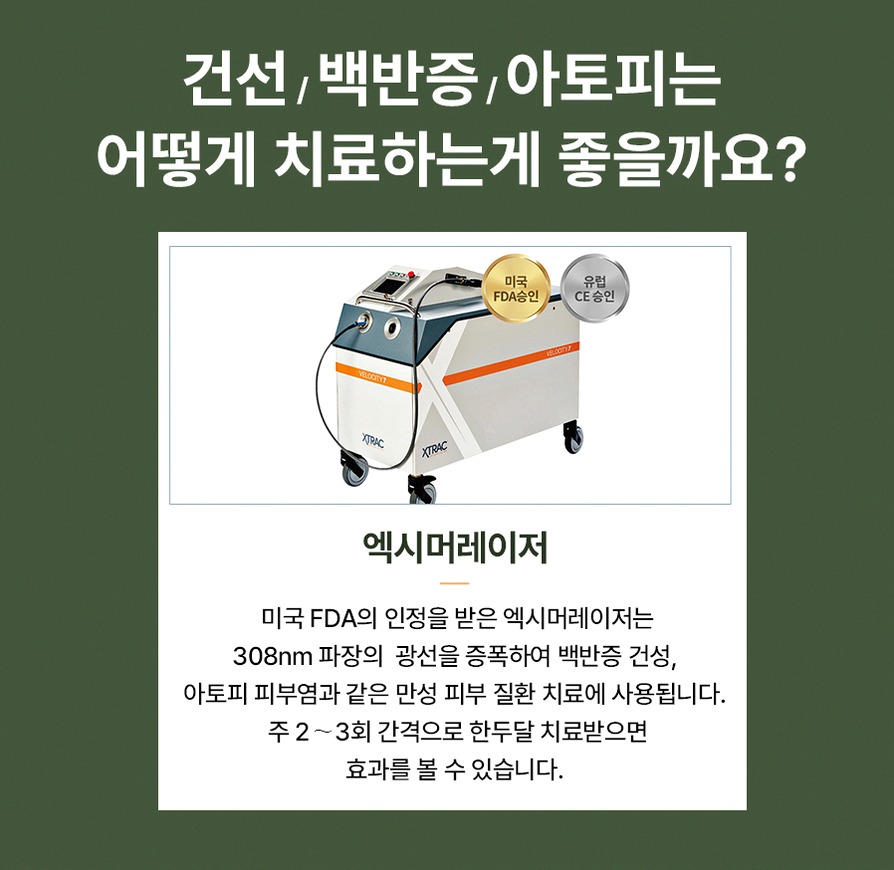
Pain level is often described as a snapping or stinging sensation, similar to a rubber band on the skin. The intensity depends on the area, hair thickness, and device settings. Underarms and bikini line can feel more sensitive, while legs and arms are usually more tolerable. A dermatology clinic can reduce discomfort by using cooling systems, adjusting energy levels, and applying numbing cream when appropriate.
The number of sessions is not the same for everyone. Because hair grows in cycles, only hairs in the active growth phase are effectively targeted in each session. For many areas, several sessions spaced a few weeks apart are needed to achieve a noticeable reduction. Thicker, darker hair often responds faster, while fine or light hair may need more sessions or may not respond as strongly.
Results usually mean a significant long-term reduction in hair density and thickness, rather than absolute permanent removal. Many patients find that remaining hairs become finer and grow more slowly. Some people choose to have maintenance sessions once or twice a year, depending on their goals and hormonal factors.

A dermatology clinic can adjust settings for sensitive areas such as the face or bikini line, where the skin is thin and more reactive, and use different approaches for less sensitive areas like legs and arms. They can also consider different skin tones, since darker skin requires more careful parameter selection to reduce the risk of pigmentation changes.
Realistic goal-setting during consultation is important. A good clinic will explain that results vary from person to person and will avoid promising perfect or permanent results. Dermatologists are trained to discuss these limits clearly so that you can decide whether the expected outcome matches your expectations.
Safety, side effects, and aftercare
Like any medical procedure, laser hair removal has possible side effects. Understanding them and following aftercare instructions can greatly reduce your risk.
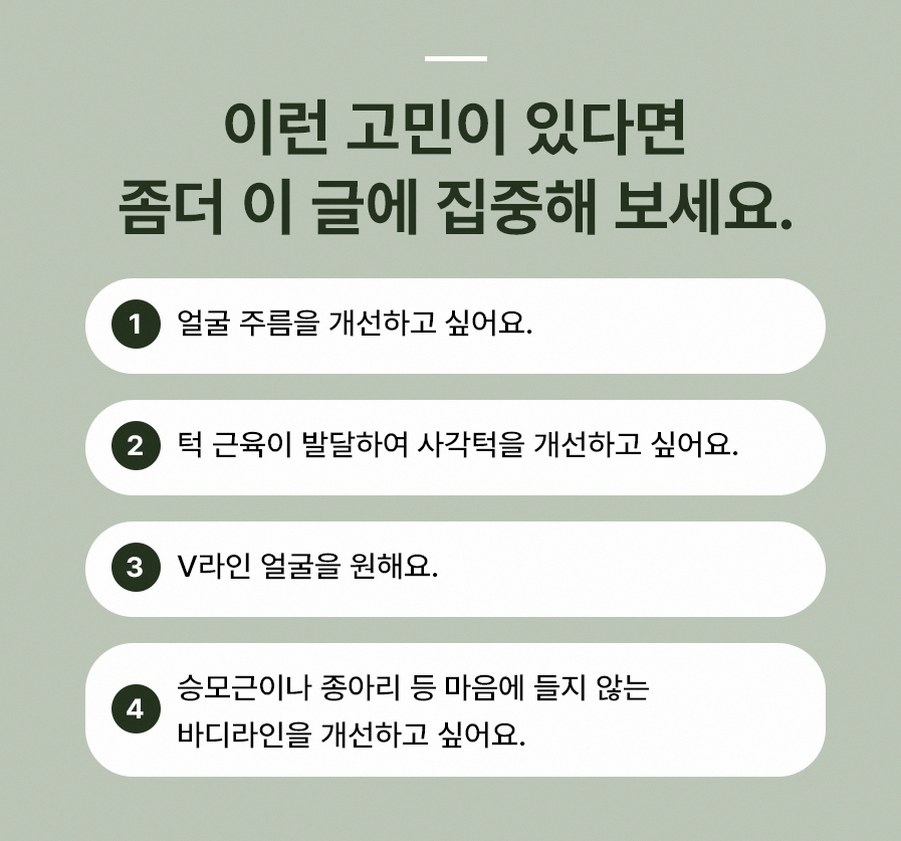
Common temporary reactions include redness, mild swelling around hair follicles, and a feeling of warmth or tingling in the treated area. These usually settle within hours to a few days. Some people notice that the hair appears to grow out and then shed over one to two weeks after treatment.
Less common but more serious risks include burns, blisters, scarring, and post-inflammatory hyperpigmentation or hypopigmentation, where the skin becomes darker or lighter than the surrounding area. In rare cases, paradoxical hair growth can occur, where fine hair in surrounding areas becomes thicker.
Standard aftercare recommendations usually include strict sun protection on treated areas, avoiding tanning and sunbeds, and not using hot baths, saunas, or intense friction such as scrubbing or tight clothing for a few days. Gentle cleansers and moisturizers are preferred, and strong active ingredients like retinoids or acids should be avoided on the treated area immediately after the session unless your dermatologist advises otherwise.
A dermatology clinic can promptly diagnose and treat complications if they occur, using topical steroids, soothing care, pigment control treatments, or other medical measures. This clinic also treats various skin diseases and vascular or redness issues, which supports its ability to manage and prevent laser-related skin problems.
Convenience and system: why this matters for repeated hair removal sessions
Laser hair removal is not a one-time visit. Because multiple sessions are needed over several months, the clinic’s location, hours, and reservation system affect how easily you can complete the full course.
This clinic is located in Dongtan, in a multi-use building in Dongtan 2 New Town, making it accessible for local residents of Dongtan, Hwaseong, and the wider Gyeonggi-do area. For many people, being able to stop by on the way to or from work, or between errands, makes it easier to keep appointments.
Operating hours include weekday daytime hours, one later-evening day, and Saturday morning sessions. These details may seem small, but they matter when you need to schedule six or more sessions at regular intervals.
Online reservation is available on specific weekdays, which helps busy office workers or parents plan their visits in advance. A smooth booking system reduces missed sessions and helps maintain the recommended treatment interval, which can support more consistent results.
For overseas patients visiting Korea, this kind of structured system can also make planning easier. You can coordinate your travel schedule with the clinic’s availability, arrange online consultation before arrival, and book sessions in advance during your stay.
Who may consider laser hair removal in Dongtan
Laser hair removal can be considered by both men and women who are bothered by unwanted hair on the face or body. Common areas include upper lip, chin, cheeks, underarms, forearms, legs, bikini line, chest, and back.
People who are tired of frequent shaving, waxing, or irritation from depilatory creams may find laser hair removal attractive. Those with ingrown hairs, razor bumps, or folliculitis can sometimes benefit from reducing hair density in problem areas, although this should be evaluated individually by a dermatologist.
If you have sensitive skin, darker skin tones, or a history of eczema or allergies, it is especially important to choose a dermatology clinic that can assess your skin condition and adjust treatment safely. A careful consultation will help determine whether laser hair removal is appropriate for you and which areas are most suitable.
Online consultation and pre-visit preparation for overseas patients
For international patients considering treatment in Dongtan, starting with an online consultation can save time and help you plan your trip. You can usually share information about your skin type, treatment areas, and any medical conditions or medications in advance.
Before your consultation, it is helpful to prepare a brief medical history, including any previous laser or cosmetic treatments, tendency to scar, and any episodes of abnormal pigmentation. Photos of the areas you want to treat, taken in clear natural light, can also help the doctor make a preliminary assessment.
During online consultation, you can ask about recommended treatment areas, estimated number of sessions, typical intervals, and what is realistic within your planned stay in Korea. You can also discuss pain control options, aftercare instructions, and how to coordinate treatment with your travel schedule.
If you decide to proceed, the clinic can help you plan appointment dates, explain payment options, and inform you about any pre-treatment precautions, such as avoiding tanning or certain medications before your visit.
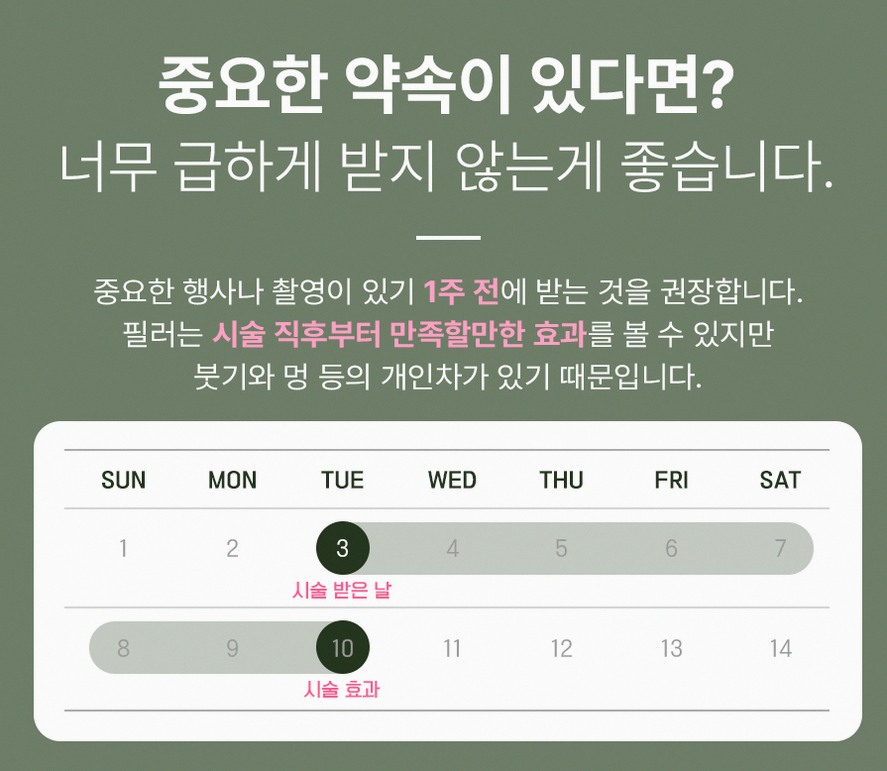
Expected Korea visit timeline for laser hair removal
For overseas patients, the ideal schedule depends on how long you can stay in Korea and how many sessions you hope to complete.
If you are staying for a short period, such as one to two weeks, you may be able to have one or two sessions on different days. While this will not complete a full course, it can be a starting point, and you can continue sessions later if you return to Korea or at a clinic in your home country.
If you can stay longer, such as several weeks or months, the clinic can plan a more complete schedule with appropriate intervals between sessions. For example, underarm or facial hair removal may be scheduled every few weeks, while legs or body areas may have slightly longer intervals.
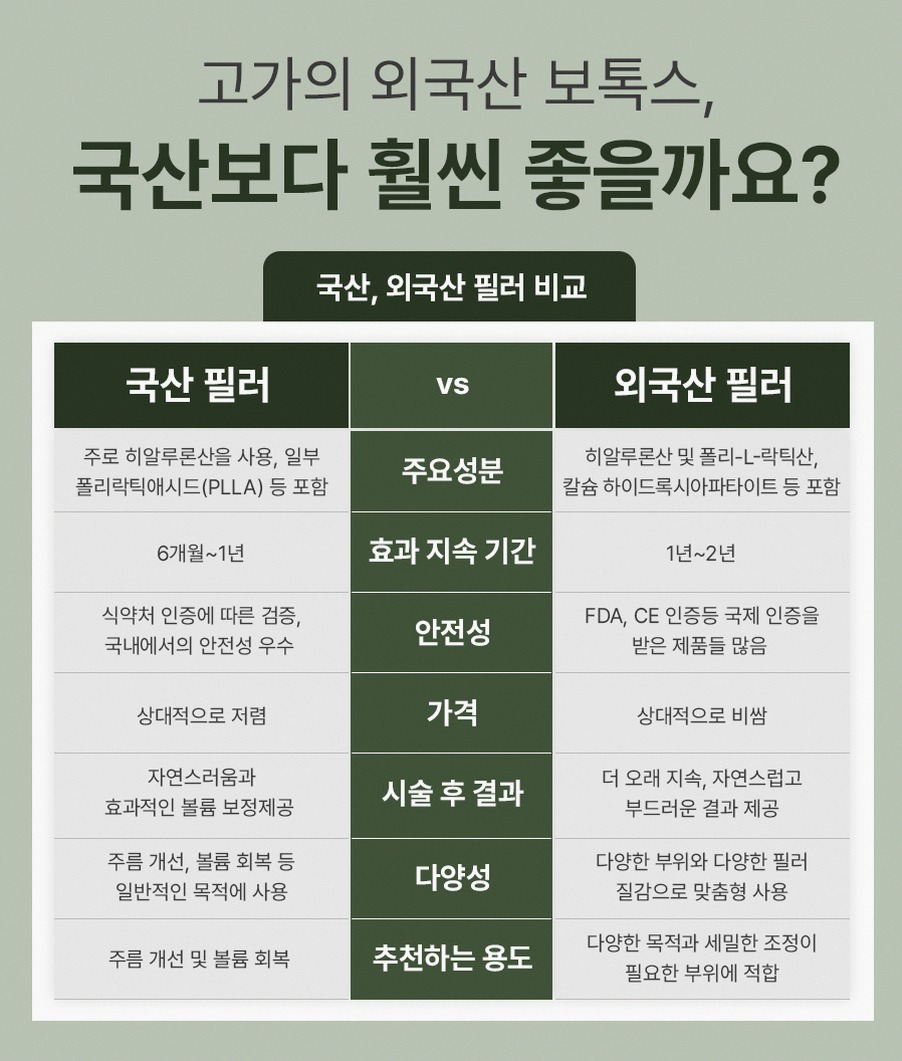
The clinic can help you prioritize areas if your time is limited, focusing on the zones that bother you most or that respond more quickly. You can also combine hair removal sessions with other body treatments offered at the clinic, as long as the timing and skin condition allow.
Aftercare and what to do after returning home
After each session, you will receive instructions on how to care for your skin. For overseas patients, it is especially important to understand these clearly, since you may not be able to return easily for in-person checks.
In the first few days, follow the clinic’s advice on sun protection, gentle cleansing, and avoiding heat and friction. If you are traveling or sightseeing in Korea, remember to use broad-spectrum sunscreen, reapply regularly, and wear protective clothing on treated areas.
When you return home, continue to avoid tanning on the treated areas and watch for any unusual symptoms such as persistent redness, dark or light spots, or blisters. If you notice anything concerning, contact the clinic by email or messaging with photos so that the dermatologist can advise you. They may recommend specific creams or treatments that you can obtain locally.
If you plan to continue hair removal sessions in your home country, bring a summary of what was done in Korea, including treatment areas, approximate energy levels, and dates. This will help your next provider adjust safely.
Summary: choosing a safe, effective laser hair removal clinic in Dongtan
When looking for a good laser hair removal clinic in Dongtan, focus on medical expertise, equipment quality, individualized settings, clear explanations, and a solid safety and follow-up system. Consider practical factors such as location, operating hours, and reservation options, especially if you need to fit multiple sessions around work or travel.
Hus-hu Dermatology Clinic Dongtan is one option in Dongtan that aligns with these criteria, with dermatology specialists, broad experience in laser and body treatments, and a structured consultation and operating system. If you are considering laser hair removal in Dongtan, an in-person or online consultation is a good first step. You can have your skin and hair condition assessed, ask detailed questions about devices, protocols, and pricing, and then decide calmly whether the plan suits your needs.
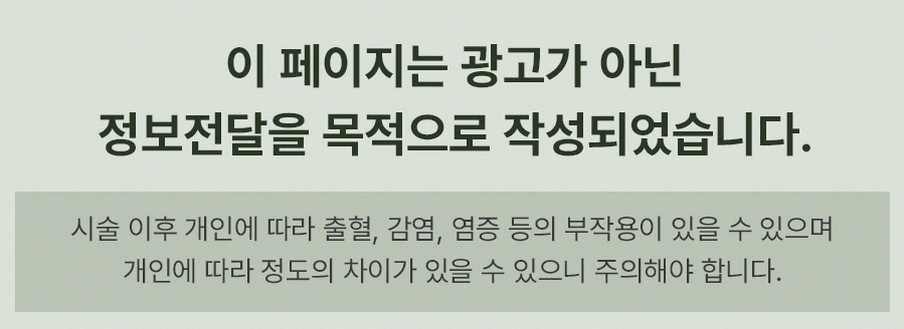
For overseas patients, starting with an online inquiry allows you to coordinate your Korea visit with treatment sessions and understand what is realistic within your stay. Taking the time to choose carefully at the beginning can help you feel more comfortable and confident throughout your laser hair removal journey.

- 공유 링크 만들기
- X
- 이메일
- 기타 앱


댓글
댓글 쓰기