Overseas patients — combine 3–4 sessions in 1–2 trips
- 공유 링크 만들기
- X
- 이메일
- 기타 앱
Direct answer summary
If you are searching for Rejuran Healer in the Dongtan area, you can expect it to be used as a regenerative skin booster rather than a filler. It is an injectable treatment based on polynucleotides from salmon DNA, aiming to improve skin elasticity, fine lines, and overall texture over a series of sessions. In Dongtan, clinics led by dermatologists, such as Hus-hu Dermatology Clinic Dongtan, generally plan Rejuran as a course of 3–4 treatments spaced a few weeks apart, with mild downtime and gradual, natural-looking changes. For overseas patients, it is realistic to combine several sessions into one or two short trips to Korea if you schedule carefully and use online consultation in advance.
What is Rejuran Healer
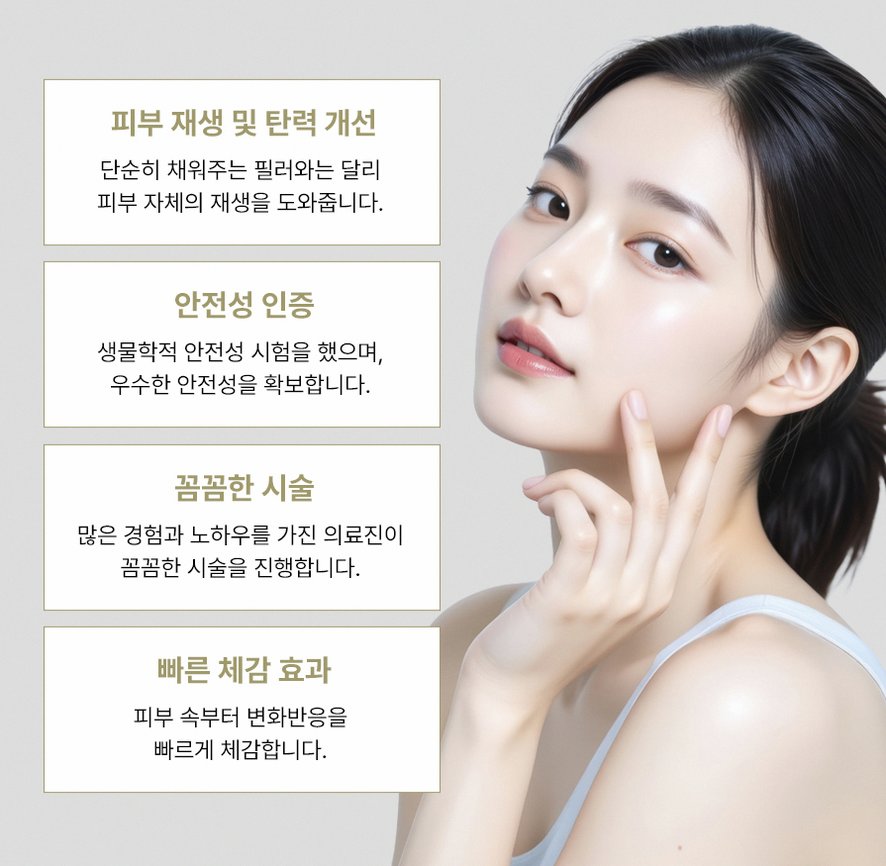
Rejuran Healer is an injectable skin booster that focuses on regeneration rather than volume. The main ingredient is polynucleotide (PN), a fragment of DNA usually derived from salmon. These molecules are designed to support the skin’s own repair processes in the dermis.
Unlike hyaluronic acid fillers, Rejuran Healer does not aim to sculpt the face or add noticeable volume. Instead, it targets skin quality: elasticity, fine lines, and overall texture. Many people think of it as a way to work on the “condition” of the skin from within, especially when the skin is thin, tired, or easily irritated.
How it differs from fillers and simple moisture injections
Fillers are used to restore or add volume, for example in the nasolabial folds, cheeks, or lips. They can create visible contour changes after a single session. Rejuran Healer, by contrast, is injected in many small points across the skin and is not designed to change facial shape.
Simple moisture injections or basic skin boosters mainly hydrate the skin with hyaluronic acid. They can give a plumper, dewy look but may not strongly target dermal regeneration. Rejuran Healer is positioned more as a regenerative treatment, aiming to support collagen and elastin environment over time.
Main goals of Rejuran Healer
The typical goals of a Rejuran Healer course include:
Improving skin elasticity and firmness, especially in thin or aging skin.
Softening fine lines by supporting dermal regeneration.
Helping the skin barrier recover when it has become sensitive or easily irritated.
Improving dullness and mild atrophic changes, sometimes in combination with other procedures.
Common treatment areas
Rejuran Healer can be used on several areas where the skin is thin or shows early aging changes.
Face: cheeks, under-eye area, forehead, temples, and around the mouth are common. It is often chosen for the under-eye area because this skin is delicate and difficult to treat with aggressive lasers.
Neck and sometimes décolletage: for crepey texture and early horizontal neck lines.
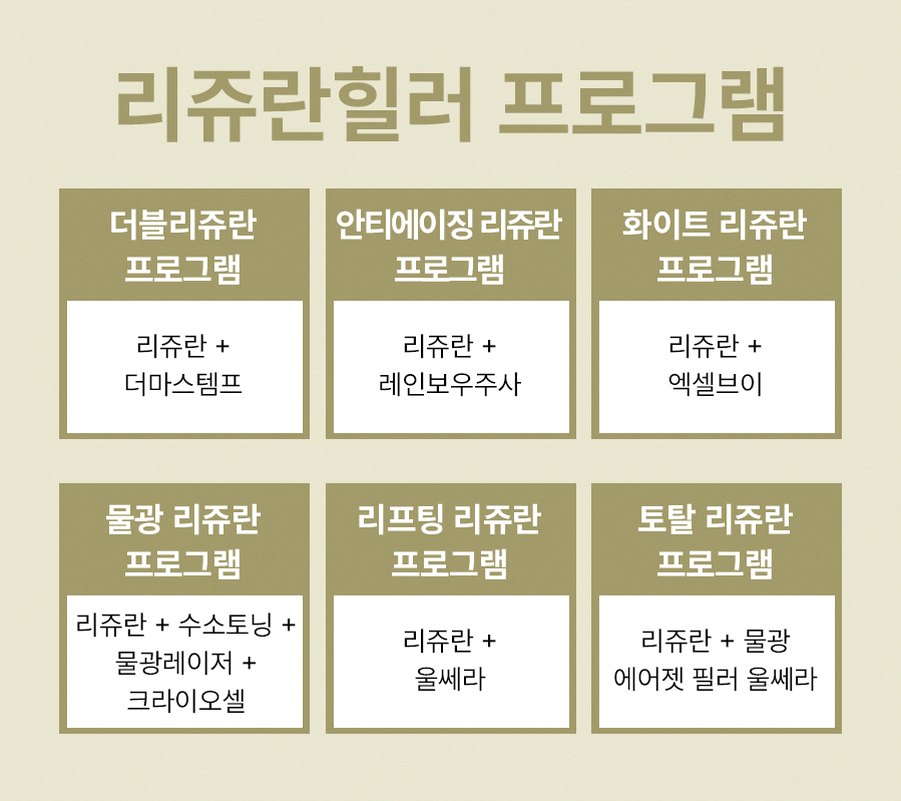
Combination protocols: some patients combine Rejuran with laser toning, RF microneedling, or ultrasound lifting to address both skin quality and deeper lifting.
Who may consider Rejuran Healer in Dongtan
Age and skin stage
Rejuran Healer is often considered by men and women in their late 20s and older who are starting to notice:
Early loss of elasticity, especially around the eyes and mouth.
Fine lines that are visible even at rest.
A tired, dull look despite basic skincare.
It can also be considered later in life as part of a broader anti-aging plan, especially for those who want to support skin quality after lifting procedures or lasers.
Skin type and concerns
Rejuran Healer may be suitable if you:
Have thin, sensitive, or reactive skin and prefer regeneration-focused treatment rather than aggressive resurfacing.
Have previously done lasers or lifting devices and want to improve basic skin quality from within.
Prefer gradual, natural improvement instead of dramatic volume changes.
On the other hand, if your main concern is deep volume loss or strong sagging, Rejuran alone may not be enough. In such cases, dermatologists in Dongtan often discuss combining it with other options such as ultrasound lifting, radiofrequency devices, or fillers, depending on your individual needs.
Who should be cautious
Rejuran Healer is not suitable for everyone. You should discuss carefully with a dermatologist if you:
Are pregnant or breastfeeding.
Have a history of severe allergies or hypersensitivity reactions.
Have active skin infection, severe acne flare, or uncontrolled inflammatory skin disease in the treatment area.
Are taking anticoagulant medication or have a bleeding tendency, as bruising risk can be higher.

A detailed consultation is important so that the doctor can weigh potential benefits and risks in your specific situation.
How a dermatologist-led clinic in Dongtan may plan Rejuran
Initial assessment
At a dermatologist-led clinic in Dongtan, the first step is usually a face-to-face consultation and skin assessment. The dermatologist will typically:
Check skin thickness, elasticity, wrinkle patterns, pores, and any redness or pigmentation.
Review your history of procedures such as lasers, RF, ultrasound lifting, fillers, or threads to plan safe intervals and combinations.
Ask about your medical history, medications, allergy history, and current skincare routine.
Discuss your main priorities: under-eye area, overall texture, neck lines, or combination.
If you are an overseas patient, part of this discussion can begin through online consultation, using photos and medical questionnaires before you arrive.
Treatment course planning
Rejuran Healer is usually planned as a series rather than a single injection.
Number of sessions: commonly 3 to 4 sessions.
Interval: about 3 to 4 weeks between sessions.
Timeline of effects: mild changes in texture and hydration may be noticed after the first or second session, with more noticeable improvement in elasticity and fine lines developing over several weeks to months.
The dermatologist may adjust the injection depth and pattern depending on each area. For example, under the eyes, injections are often more superficial and delicate, while the cheeks and forehead may receive slightly deeper injections for elasticity.
Combination with other treatments
In Dongtan, many clinics with strong anti-aging portfolios integrate Rejuran Healer into broader plans. For example:
Laser toning or gentle pigment lasers for tone and redness, combined with Rejuran for texture.
Ultrasound lifting or radiofrequency devices for deeper lifting, with Rejuran to refine surface quality.
Thread lifting in selected cases, with Rejuran to support skin condition afterward.
The exact combination and sequence depend on your skin status, schedule, and tolerance for downtime. A dermatologist with experience in lasers and lifting devices can help you prioritize which treatments to do first and how to space them.
What happens during a Rejuran Healer session
Preparation on the day
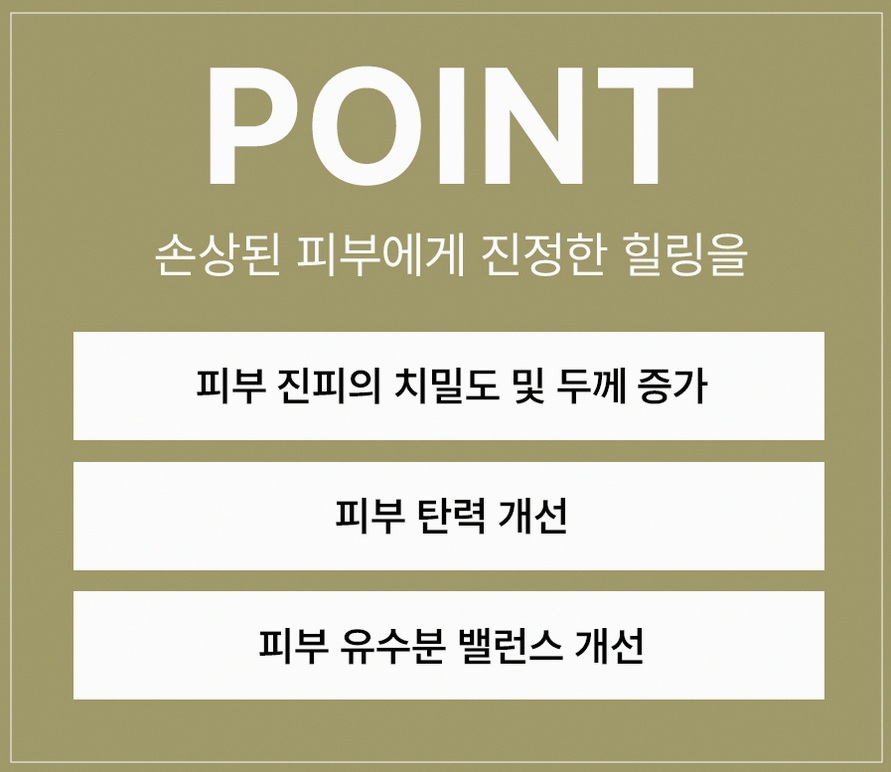
A typical Rejuran Healer session in Dongtan follows several steps:
Cleansing and disinfection of the treatment area.
Application of topical anesthetic cream and a waiting period, often around 20–40 minutes, to reduce discomfort.
Removal of the cream, followed by careful skin disinfection again.
Injection process
The dermatologist then performs multiple micro-injections across the planned area. This is often done in a grid or point-by-point pattern.
You may feel stinging or pressure with each injection, even with numbing cream. The sensation is usually brief but can be more noticeable in thin areas such as under the eyes or on the neck.
In some clinics, additional cooling or gentle vibration devices are used to make the process more comfortable.
Immediately after injection, you will usually see small bumps or wheals at the injection points. These are expected and show where the product has been placed in the dermis.
Post-procedure care at the clinic
After the injections, the clinic usually:
Applies cooling packs or a calming mask.
Uses soothing products that are suitable for sensitive, recently injected skin.
Reviews aftercare instructions with you, including what to avoid and how to protect the treated area.
Pain level, downtime, and visible traces
Pain and discomfort
Most patients describe Rejuran Healer as tolerable but not painless.
During injection: a series of brief stings or pressure with each needle entry.
After treatment: mild tightness, tenderness, or a “sunburn-like” feeling in some areas for a short time.
Topical anesthetic and careful technique help reduce discomfort, but individual pain thresholds vary.
Downtime and appearance
Visible signs after Rejuran Healer are usually mild to moderate and short-lived.
Small bumps at injection sites: common and typically settle within 1–2 days as the product spreads in the dermis.
Redness: often improves within hours to a day, though sensitive skin may stay pink a bit longer.
Bruising: small pinpoint bruises can occur, especially under the eyes or on very thin skin. These may take several days to fade and can be covered with makeup once the skin is allowed to be touched.
If you are planning social events or photography, it is wise to schedule Rejuran at least several days in advance to allow the most visible traces to calm down.
Aftercare and lifestyle precautions
Basic aftercare instructions usually include:
Avoid makeup for a certain period after treatment, often until the next day, as advised by your dermatologist.
Avoid saunas, hot baths, intense exercise, and alcohol for a short time, because heat and vasodilation can increase swelling or bruising.
Use gentle, non-irritating cleansers and moisturizers.
Apply broad-spectrum sunscreen daily and avoid direct sun exposure.
Do not massage or press the treated area unless your dermatologist specifically instructs you to do so.
If you notice unusual pain, spreading redness, or any symptoms that concern you, you should contact the clinic promptly for advice.
Preparing as an overseas patient
Using online consultation before your trip
If you are traveling from overseas to Dongtan for Rejuran Healer, online consultation is very helpful. Many clinics, including Hus-hu Dermatology Clinic Dongtan, provide online channels where you can:
Send clear photos of your face and neck in good lighting.
Share your medical history, allergies, and previous cosmetic or medical procedures.
Explain your main concerns and your available travel dates.
This allows the dermatologist to suggest a realistic plan before you book flights and accommodation. You can also ask whether it is better to combine Rejuran with other treatments during the same visit or to focus on Rejuran only.
Questions to prepare before consultation
To make the most of your online or first in-person consultation, it helps to prepare a simple checklist. For example:
Which areas do I want to prioritize: under-eyes, full face, neck, or combination?
How many days can I stay in Korea, and how many times can I visit the clinic during this trip?
Have I had any recent procedures such as lasers, peels, fillers, threads, or surgery, and when?
What is my tolerance for visible bumps or bruising, considering work or social plans?
You may also want to ask the clinic:
How many sessions do you recommend in my case, and at what intervals?
Can I safely combine Rejuran with other treatments I am considering?
What is the expected level of discomfort and downtime for the areas I want?
What aftercare products do you recommend, and should I bring anything from home?
Expected Korea visit timeline for Rejuran Healer
Single short visit
If you can only come to Korea once and stay for a few days, you may be able to:
Have consultation and first Rejuran session on day 1 or day 2.
Allow 1–3 days for initial bumps and redness to settle.
You would then complete additional sessions in your home country or during a future visit. In this case, it is important to receive a written summary of what was done so you can share it with your local provider.
Two visits spaced a few weeks apart
If you can visit Korea twice, for example with 3–4 weeks between trips, a common structure is:
First visit: consultation and first session, possibly combined with other gentle treatments if appropriate.
Second visit: second or third session, depending on the agreed plan.
This approach allows the dermatologist to assess your response to the first treatment and adjust the plan on your second visit.
Longer stay
If you are staying in Korea for 1–2 months, it may be possible to complete most or all of a standard Rejuran course in one extended stay, with sessions every 3–4 weeks. This is often the most convenient scenario for overseas patients, but it requires more time away from home.
Location and clinic environment in Dongtan
Dongtan 2 New Town in Hwaseong is a planned area with modern infrastructure, shopping, and transport connections. Hus-hu Dermatology Clinic Dongtan is located on the 3rd floor of Port Central City on Dongtandaero Sibeom-gil, which can be convenient if you are staying nearby or commuting from Seoul.
Clinic hours in Dongtan often include weekdays, one late evening day, and Saturday morning or early afternoon, with closure on Sundays and public holidays. Many clinics pause procedures during lunch hours even if the reception remains open, so it is best to confirm exact appointment times in advance.
Frequently asked questions about Dongtan Rejuran Healer
How many Rejuran Healer sessions do I usually need?
Most people are advised to have 3–4 Rejuran Healer sessions, spaced about 3–4 weeks apart. This allows the polynucleotides to stimulate regeneration gradually and lets the dermatologist monitor your skin’s response. After the initial series, some patients choose maintenance sessions every several months, depending on age, lifestyle, and skin condition.
When will I see results from Rejuran Healer?
You may notice subtle changes in hydration and texture within a few weeks after the first or second session. However, Rejuran Healer is not an instant lifting treatment. Improvements in elasticity, fine lines, and overall skin quality tend to develop slowly over several weeks to months as the skin’s regenerative processes are supported. Individual results and timelines vary, so regular follow-up with your dermatologist is important.
Is Rejuran Healer very painful and what is the downtime like?
With topical anesthetic cream, most people find the procedure tolerable, though you can still feel brief stinging or pressure with each injection. After treatment, there are usually small bumps at the injection sites, along with mild redness and possible pinpoint bruising. These signs often improve within 1–2 days, though bruising can last longer in some cases. If you are visiting from overseas, plan at least a few days before major events to allow your skin to settle.
Can I combine Rejuran Healer with other treatments during my trip to Korea?
Many patients in Dongtan combine Rejuran with other treatments such as laser toning, RF microneedling, or ultrasound lifting, but the exact combination must be customized. Your dermatologist will consider your skin type, previous procedures, and schedule to avoid over-treating the skin. In some cases, it is safer to stage treatments rather than doing everything on the same day. This is why online consultation and careful planning before your trip are especially important for overseas visitors.
Soft call to action
If you are considering Rejuran Healer in Dongtan and would like a structured plan that fits your travel schedule, arranging an online consultation with a dermatologist-led clinic can be a helpful first step. Hus-hu Dermatology Clinic Dongtan offers Rejuran as part of its anti-aging and lifting lineup and can discuss how many sessions, what combinations, and what timeline may be realistic for you. Sharing clear photos and your treatment history in advance will allow the medical team to guide you more precisely before you decide on your visit to Korea.
This article is for general information only and does not replace a personal consultation, diagnosis, or treatment plan from a qualified medical professional. Always discuss your individual situation, medical history, and expectations directly with a licensed dermatologist before proceeding with any procedure.

- 공유 링크 만들기
- X
- 이메일
- 기타 앱


댓글
댓글 쓰기