Rejuran in Dongtan: What to Expect from Skin Regeneration Injections
- 공유 링크 만들기
- X
- 이메일
- 기타 앱
Rejuran Healer is a polynucleotide injection designed to help repair damaged skin, improve texture and elasticity, and soften fine lines over time. In Dongtan, Hwaseong, it is typically performed in dermatology clinics and can be combined with other treatments such as lasers or lifting devices depending on your skin condition and goals.
This guide explains what Rejuran Healer is, who might consider it, how many sessions are usually recommended, what the procedure feels like, expected downtime, and how it compares with other skin boosters and lifting procedures. It also includes practical tips for overseas patients planning a visit to Korea and considering consultation at a clinic such as Hus-hu Dermatology Clinic Dongtan.
Treatment overview – what is Rejuran Healer?
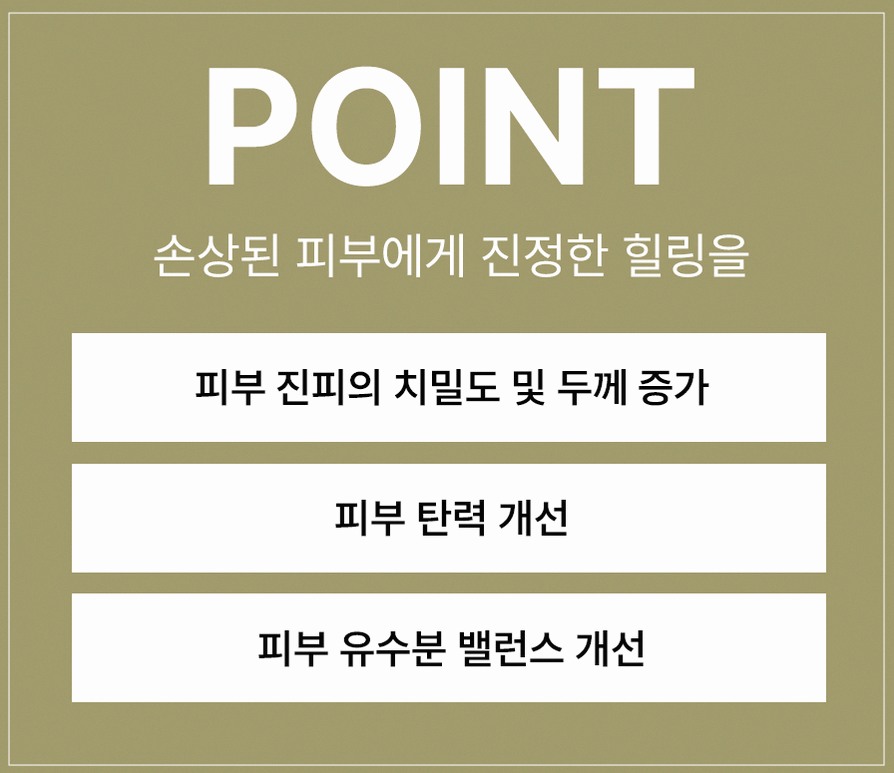
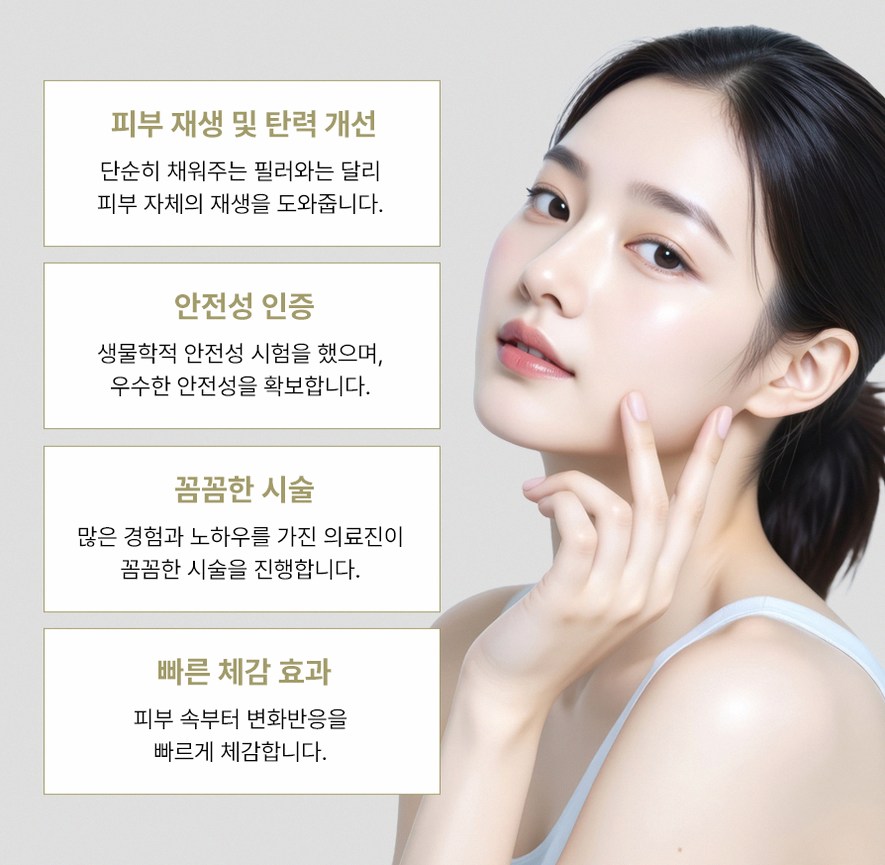
Rejuran Healer is an injectable skin booster that uses polynucleotides. These polynucleotides are formulated to support the skin’s own repair processes. The goal is not to fill or add volume, but to improve the quality of the skin itself.
Unlike hyaluronic acid fillers, which are mainly used to restore volume or contour specific areas, Rejuran Healer is usually injected in many small points across the face or neck. It aims to improve skin elasticity, fine lines, texture, and overall resilience by encouraging regeneration in the deeper layers of the skin.
Typical concerns treated with Rejuran include early fine wrinkles, dull or rough skin, enlarged pores, mild acne scarring, and skin that looks tired or fragile. Many adults choose it when they feel their skin is thinning or reacting poorly after repeated laser or cosmetic procedures.
The effects of Rejuran are gradual. Some patients report noticing subtle improvements in hydration and texture first, with enhanced elasticity and smoother fine lines appearing after multiple sessions.
How Rejuran Healer works in simple terms
Polynucleotides are chains of nucleotides, which are basic building blocks of DNA. In Rejuran, these are purified and prepared for injection into the skin. When injected into the dermis, they are believed to create a more favorable environment for skin cells, helping them repair and function better.
Rather than acting like a sponge that holds water, as hyaluronic acid does, Rejuran works more like a signal and support system. Over time, this can lead to thicker, more elastic skin, improved texture, and better tolerance to environmental stress.
Who may consider Rejuran in Dongtan?
Rejuran is generally considered for adults who are starting to notice changes in skin quality rather than severe sagging. It may be suitable if you:
Have early to moderate signs of aging, such as fine lines around the eyes, mouth, or forehead, and a general loss of elasticity.
Notice that your skin looks tired, thin, or less resilient than before, even if you do not have deep wrinkles yet.
Have weakened skin from frequent irritation, chronic dryness, or repeated laser and cosmetic treatments.
Have mild acne scars or uneven texture and prefer a regeneration-focused approach rather than only volume-filling.
Want to improve skin quality before or alongside other treatments like lifting devices or lasers.
A proper consultation with a dermatologist is important before deciding on Rejuran. The doctor will evaluate your skin type, thickness, pore size, redness, and any ongoing issues such as active acne, rosacea, or dermatitis. Your medical history, medications, and previous procedures will also be reviewed.
In some situations, Rejuran may need to be postponed or avoided. These can include pregnancy or breastfeeding, certain bleeding disorders, uncontrolled skin infections, or known allergies to components of the product. If you take blood-thinning medications or supplements that increase bleeding risk, you should inform the clinic in advance.
Dermatologist evaluation and personalized planning
During consultation, the dermatologist will usually:
Assess your main concerns: fine lines, pores, scars, dullness, or overall aging.
Check for active inflammation, such as acne or dermatitis, that may need to be treated first.
Review your past treatments, including lasers, fillers, Botox, or lifting devices.
Discuss your lifestyle, sun exposure, and skincare routine.
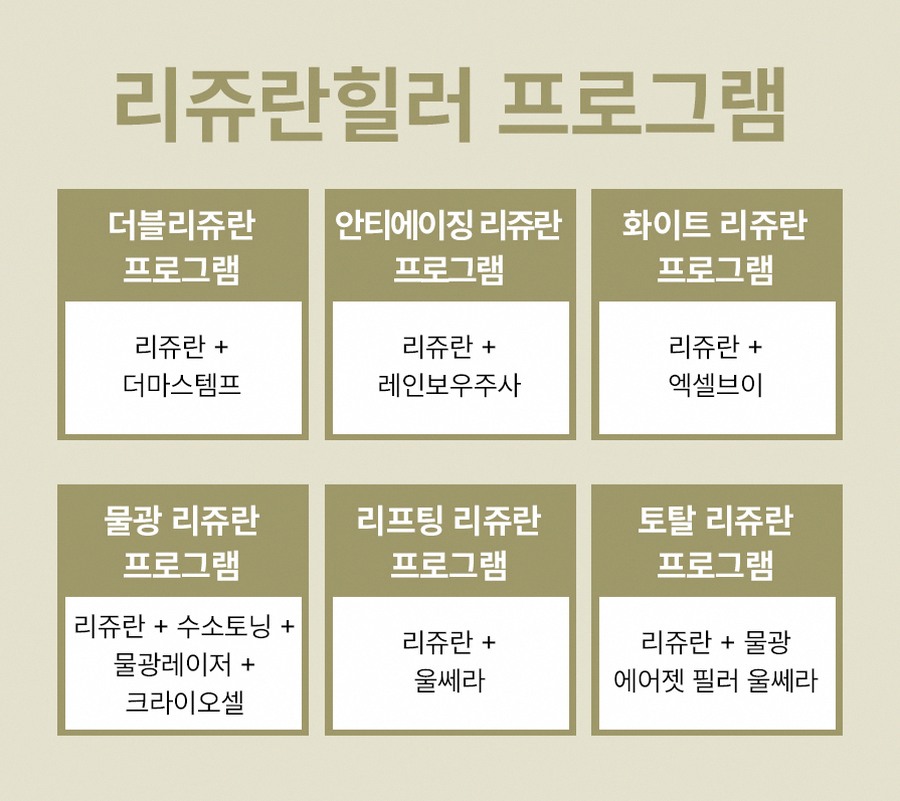
Based on this, they can recommend whether Rejuran alone is appropriate or whether it should be combined with other treatments like laser toning, RF microneedling, or lifting procedures for sagging.
Step-by-step Rejuran procedure
For overseas patients, understanding the procedure flow can help you plan your schedule in Korea.
Pre-consultation
You will first meet the dermatologist for a detailed skin examination. They may use magnifying devices or imaging systems to look at pores, redness, pigmentation, and texture. The doctor will explain realistic expectations, possible side effects, and how many sessions are likely to be needed.
Treatment planning
Rejuran is commonly done as a course of multiple sessions. A typical plan might involve sessions spaced a few weeks apart, followed by maintenance treatments every few months, depending on your age and skin condition.

The dermatologist will decide:
Number of sessions in the initial course.
Injection depth and pattern (full face, specific areas, or including neck).
Whether to combine Rejuran with other treatments, and if so, in what order and on which days.
On the treatment day
The usual steps are:
Cleansing: Your face is gently cleansed to remove makeup, sunscreen, and oil.
Topical anesthetic: Numbing cream is applied to the treatment area and left on for a certain period, often around 20–40 minutes, to reduce discomfort.
Preparation: The cream is removed, and the skin is disinfected.
Injection process
Rejuran is injected using multiple micro-injections across the treatment area. The dermatologist or trained injector places small amounts of product into the mid to deep dermis.
You may feel:
Pinprick sensations during each injection.
A feeling of pressure or mild stinging in some areas.
Temporary small bumps where the product sits in the skin.
The face is the most common area, but some patients also treat the neck or specific zones such as under the eyes or around the mouth, depending on the clinic’s protocol and your needs.
Post-care in the clinic
After injections, the clinic usually provides soothing care. This may include cooling packs, calming masks, or gentle products to reduce redness and heat sensation. The goal is to help the skin settle and make you more comfortable before you leave.
Total session time
For planning your day, allow enough time for:
Allow a few hours for consultation, numbing, treatment, and aftercare; exact timing varies by clinic and individual, so confirm the schedule with your clinic.
Expected results, number of sessions, and downtime
Immediately after Rejuran, it is normal to see small bumps at each injection point. These are sometimes described as mosquito bite-like elevations. They usually flatten within 1–2 days as the product spreads in the skin.
Redness and mild swelling can also appear, especially in sensitive areas like under the eyes or cheeks. Light bruising is possible where tiny blood vessels are touched by the needle. Most people can cover mild redness with makeup the next day, but your dermatologist will advise you based on your individual condition.
Results timeline
The changes with Rejuran are gradual, not instant:
First few days: skin may feel slightly tight or sensitive. As the bumps settle, the face looks more normal.
After 2–4 weeks: some people notice smoother texture, better hydration, and a more even look to the skin.
After a series of sessions: improvements in elasticity, fine lines, and overall skin quality tend to become more noticeable. The skin may look healthier and more resilient.
Number of sessions and maintenance
A common approach is:
Initial course: several sessions, often spaced a few weeks apart.
Maintenance: follow-up sessions a few times a year, depending on aging, lifestyle, and other treatments.
Rejuran is not a one-time permanent procedure. The goal is to gradually build and maintain better skin quality, similar to how you might maintain results from other anti-aging treatments.
Realistic expectations
Rejuran can:
Improve fine lines, texture, and elasticity.
Support the skin’s barrier and resilience.
Help mild scars and pores look less prominent over time.
However, it does not:
Replace surgical lifting for significant sagging.
Provide the same volumizing effect as fillers.
Completely erase deep wrinkles or scars.
Your dermatologist may recommend combining Rejuran with other treatments if you have deeper wrinkles, marked sagging, or significant volume loss.
Rejuran vs other skin boosters and lifting treatments
When you compare Rejuran with other options, it helps to understand the main differences.
Compared with hyaluronic acid skin boosters
Hyaluronic acid skin boosters are designed mainly to increase hydration and give a dewy, glowing appearance. They can plump fine lines by attracting water into the skin.
Rejuran focuses more on regeneration and structural improvement. Rather than just adding moisture, it aims to support the skin’s repair mechanisms. Some patients use both at different times, depending on their goals and the dermatologist’s advice.
Compared with laser and RF treatments
Fractional lasers and RF microneedling create controlled micro-injuries in the skin. This triggers a healing response that can improve texture, scars, and wrinkles.
Rejuran does not rely on heat or ablation. Instead, it introduces regenerative substances directly into the dermis. In many treatment plans, Rejuran is combined with lasers or RF, with timing carefully arranged so the skin has enough recovery between procedures.
Combined with lifting devices
If your main concern is sagging or loss of facial contour, devices such as Ulthera or Thermage FLX are often used to tighten deeper layers of the skin. Rejuran can complement these by improving the quality of the skin surface and dermis.
Your dermatologist will consider:
Age and degree of laxity.
Skin thickness and sensitivity.
Previous procedures and healing patterns.
Schedule and travel plans if you are visiting from overseas.
Safety, side effects, and aftercare
Rejuran is a medical procedure and can have side effects. Choosing an experienced injector and following aftercare instructions are important for safety.
Common temporary reactions
You may experience:
Redness at injection sites.
Pinpoint bleeding that stops quickly.
Small bumps where the product was placed.
Mild swelling or bruising.
Slight tenderness when touching the area.
These reactions usually improve over several days. Bruising, if present, can last longer but often fades within 1–2 weeks.
Less common but important risks
Although less common, possible complications can include:
Infection at injection sites.
Prolonged inflammation or persistent redness.
Nodules or unevenness.
Allergic or sensitivity reactions.
Sterile technique, proper injection depth, and accurate assessment of your skin and medical history help reduce these risks. You should always inform the clinic about any unusual symptoms after treatment, such as increasing pain, warmth, pus, or persistent swelling.
Basic aftercare guidelines
After Rejuran, clinics often recommend:
Avoid rubbing, pressing, or massaging the treated area for a certain period.
Skip saunas, hot baths, and intense exercise for a few days to reduce swelling and irritation.
Use gentle cleansers and moisturizers; avoid harsh scrubs or exfoliating acids until the skin has calmed.
Apply high-SPF sunscreen daily and avoid strong sun exposure.
Limit alcohol for a short period if advised, as it can worsen swelling and bruising.
Always follow the specific instructions given by your dermatologist, as recommendations can vary based on your skin and the combination of treatments you receive.
Preparing for Rejuran as an overseas patient
If you are traveling to Dongtan, Hwaseong, for Rejuran, planning ahead will make your visit smoother.
Online consultation and pre-visit preparation
Many clinics in Korea offer online consultation before you arrive. This may include:
Sending clear, makeup-free photos of your face from different angles.
Sharing your medical history, medications, and previous procedures.
Explaining your main concerns and what you hope to improve.
This allows the dermatologist to give you an initial opinion on whether Rejuran is suitable, how many sessions might be realistic during your stay, and whether other treatments should be considered.
Questions to prepare before consultation
To make the most of your appointment, you can prepare questions such as:
How many Rejuran sessions are recommended for my skin, and at what intervals?
Can Rejuran be combined with other treatments I am considering, such as laser toning or lifting devices?
What downtime should I expect for my specific skin type and travel schedule?
What aftercare products should I bring or avoid during my stay?
Are there any medications or supplements I should stop before treatment, with my doctor’s approval?
Expected Korea visit timeline
For Rejuran-focused trips, many overseas patients plan:
Short stay (3–5 days): one consultation and one treatment session, with follow-up instructions to continue care at home.
Longer stay (2–4 weeks): consultation and two or more sessions spaced apart, possibly combined with other treatments if appropriate.
If you plan multiple visits to Korea, your dermatologist can design a longer-term plan, scheduling Rejuran sessions during each trip and coordinating with other procedures.
Choosing a Rejuran provider in Dongtan
When comparing clinics in Dongtan, consider more than just the price per session. Important points include:
Dermatologist involvement: It is helpful when dermatologists directly evaluate your skin and either perform or closely supervise injections.
Range of treatment options: A clinic that offers lasers, RF, lifting devices, and different types of skin boosters can tailor a plan to your needs instead of offering a single fixed package.
Transparent explanations: During consultation, you should receive a clear explanation of expected number of sessions, possible side effects, and realistic outcomes.
Information access: Some clinics provide online boards with before–after photos and non-insured fee lists for different concerns such as acne, redness, pigmentation, and scars (often viewable to members). This can help you understand typical treatment combinations.
Hus-hu Dermatology Clinic Dongtan, for example, offers a broad anti-aging and laser portfolio, so Rejuran can be positioned as part of an overall strategy for regeneration and lifting rather than as a stand-alone procedure.
Frequently asked questions about Rejuran in Dongtan
How painful is Rejuran?
Most patients describe Rejuran as mildly to moderately uncomfortable rather than very painful. Topical numbing cream is applied before injections to reduce sensation. You may still feel brief pinpricks and a stinging or pressure feeling in some areas, especially where the skin is thinner. Pain tolerance varies from person to person, and your dermatologist can adjust techniques or cooling measures to make you more comfortable.
How many Rejuran sessions will I need, and how long do results last?
The number of sessions depends on your age, skin condition, and goals. Many people start with a series of treatments spaced a few weeks apart, followed by maintenance sessions a few times a year. Improvements in texture and elasticity tend to build gradually and can last beyond the immediate treatment period, but they are influenced by lifestyle, sun exposure, and natural aging. Your dermatologist will outline a personalized schedule after examining your skin.

Can Rejuran be done together with Botox, fillers, or laser treatments?
Rejuran is often combined with other procedures as part of a comprehensive anti-aging plan. For example, Botox can address dynamic wrinkles, fillers can restore volume, and lasers or RF can target pigmentation or deeper tightening. The key is proper timing and sequencing to avoid excessive irritation and allow the skin to recover. Your dermatologist will advise which treatments can be done on the same day and which should be spaced out.
Is there a best age to start Rejuran?
There is no single best age, as skin aging and damage vary widely. Many people consider Rejuran in their late 20s to 40s when they first notice fine lines, enlarged pores, or early loss of elasticity. Older patients can also benefit, especially when Rejuran is combined with other treatments to address deeper wrinkles and sagging. The decision is based more on your skin condition and goals than on age alone.
What should I avoid before and after the procedure?
Before Rejuran, your clinic may advise you to avoid certain blood-thinning medications or supplements, if medically safe to do so and in coordination with your own doctor. Alcohol and very intense exercise may also be limited around the treatment day to reduce bruising. After the procedure, you should avoid rubbing the treated area, hot saunas, and harsh exfoliating products for several days. Gentle cleansing, moisturizing, and strict sun protection are important. Always follow the specific instructions provided by your dermatologist.
Soft call to action
If you are considering Rejuran in Dongtan and would like a personalized assessment, you can arrange an online consultation with a dermatologist at a clinic such as Hus-hu Dermatology Clinic Dongtan before your trip. Preparing clear photos, a list of your current skincare products, and a summary of previous treatments will help the medical team understand your skin quickly and suggest a realistic plan.
During your consultation, do not hesitate to ask detailed questions about session numbers, downtime, combination options, and aftercare. This will help you make an informed decision and plan your travel schedule and daily activities in Korea with confidence.
- 공유 링크 만들기
- X
- 이메일
- 기타 앱


댓글
댓글 쓰기