Treatment areas, safety, and what to expect
- 공유 링크 만들기
- X
- 이메일
- 기타 앱

If you are searching for Dongtan filler treatments, you are most likely looking for safe hyaluronic acid injections that restore facial volume, soften lines, or refine your profile without looking overdone. In Dongtan, Hwaseong, many patients choose to receive fillers in a medical dermatology setting, where board-certified dermatologists plan treatment based on facial anatomy, aging patterns, and overall skin condition. At clinics such as Hus-hu Dermatology Clinic Dongtan, hyaluronic acid fillers are used for nasolabial folds, under-eye hollows, lips, chin and jawline contouring, and even certain acne scars, with an emphasis on natural balance and safety.
This guide explains what filler treatment is, which areas can be treated, how a dermatologist plans your injections, what to expect during a visit to Korea, aftercare, and how to prepare for an online consultation before you travel.
What is a filler treatment and who is it for?
Dermal fillers are injectable materials used to restore lost volume, smooth wrinkles, and contour the face. The most commonly used type in medical dermatology clinics is hyaluronic acid (HA) filler. Hyaluronic acid is a substance that already exists in human skin and helps hold water, giving a plump and hydrated appearance.
In filler form, hyaluronic acid is cross-linked to create a gel with different thicknesses and firmness levels. Softer gels are used for delicate areas such as the under-eye, while firmer gels can support structure in the chin or jawline. One important safety advantage of HA fillers is that they can be dissolved with an enzyme called hyaluronidase if needed, for example in the case of an unwanted result or certain complications.
People in their 20s to 60s commonly consider filler for several reasons. Younger patients may want to enhance lip shape, refine the nose-to-mouth area, or improve a weak chin. Patients in their 30s and 40s often focus on early volume loss in the mid-face, under-eye hollows, and nasolabial folds. In their 50s and beyond, many people use fillers as part of a broader anti-aging plan to restore volume in the cheeks, temples, and jawline while maintaining a natural look.
Fillers are different from lifting devices such as Ultherapy or Thermage, which use energy to tighten deeper tissues and stimulate collagen. They are also different from skin boosters, which focus on fine hydration and texture. Filler is mainly about three-dimensional shape and support. In a medical dermatology clinic, these treatments can be combined, but filler is chosen when volume and contour are the main concerns.
Popular filler areas for Dongtan patients
Nasolabial folds and marionette lines
Nasolabial folds are the lines that run from the sides of the nose to the corners of the mouth. Marionette lines extend downward from the mouth corners. With age or facial structure, these lines can deepen, making the face look tired or sad.
A dermatologist does not simply inject into the line itself. They first assess whether the fold is caused by volume loss in the mid-face, sagging, or natural bone structure. In many cases, supporting the cheek and mid-face with filler softens the fold more naturally than filling the line alone. A small amount may then be used directly in the fold for fine-tuning.
Under-eye hollows and tear troughs
The under-eye area is a frequent concern for patients who feel they always look tired, even with enough sleep. Under-eye hollows or tear troughs are often due to a combination of thin skin, volume loss, and the border between the lower eyelid and cheek.
This area requires particular caution and experience. The skin is thin, and important blood vessels are nearby. In a dermatology clinic, the doctor evaluates skin thickness, fat pads, and the position of the orbital rim. Often a soft, low-density hyaluronic acid filler is placed in a deeper layer using a cannula to reduce the risk of bruising and visible lumps. Sometimes mid-face filler is combined with under-eye filler to create a smoother transition.
Cheek and mid-face volume
Flat or sunken cheeks can make the face look older or more tired. With age, the fat pads of the mid-face descend and bone support changes, leading to shadows and deeper folds.

Cheek fillers are used to restore gentle curves, improve light reflection on the face, and support nearby areas such as the nasolabial folds and under-eye. Dermatologists consider your natural facial shape, ethnic features, and personal preference to avoid excessive projection or an artificial look.
Chin and jawline contouring
A weak or retruded chin can affect the facial profile and make the lower face look less defined. Hyaluronic acid filler can be used along the chin and jawline to improve balance between the nose, lips, and chin.
For this area, firmer fillers are often chosen to provide structural support. The doctor analyzes your profile, bite position, and soft tissue thickness before deciding on injection points and depth. The goal is usually to create a smoother jawline and better proportion, not to drastically change your natural features.
Lips
Lip filler can enhance volume, define the border, improve asymmetry, or correct dryness-related fine lines. In an international setting, preferences vary widely, from very subtle hydration to more noticeable volume.
A dermatologist will discuss your desired style, check your natural lip size and shape, and consider how the lips relate to your nose and chin. Softer fillers are typically used, and conservative amounts are recommended at first, with the option to add more in a later session.
Acne scar filler
Certain depressed acne scars and atrophic scars can be improved with filler. In these cases, the goal is not overall volume, but lifting specific indentations to a more even level with the surrounding skin.
The dermatologist may combine scar filler with other treatments such as laser, RF microneedling, or subcision, depending on scar type. Because scars differ greatly from person to person, a detailed in-person assessment is important.
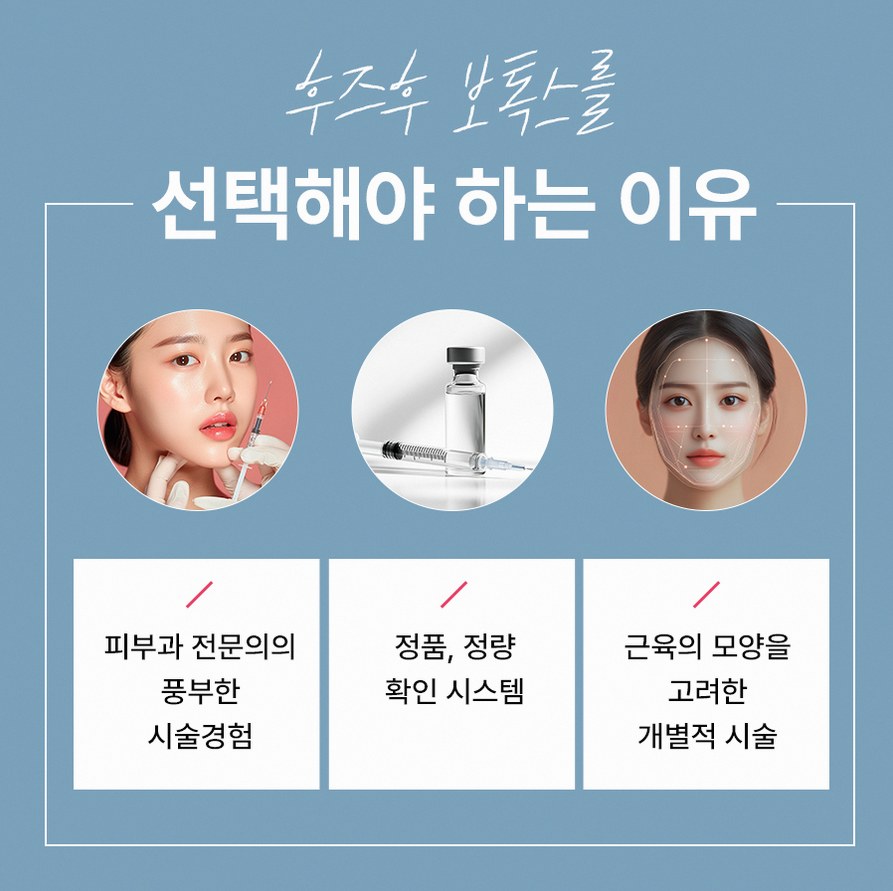
How dermatologists plan a safe filler treatment
A skilled filler treatment is not just about injecting product into a wrinkle. It starts with a full-face analysis and medical assessment.
During consultation, the dermatologist reviews your medical history, including allergies, previous filler or surgery, medications, autoimmune conditions, and pregnancy or breastfeeding status. They ask about your main concerns, what you like and dislike about your face, and any previous experiences with aesthetic treatments.
Next, photography is usually taken from front and profile views. This helps in planning and also in checking subtle changes later. The doctor evaluates your bone structure, soft tissue volume, skin thickness, and how your face moves when you smile or talk.
Based on this, a personalized plan is created. The dermatologist chooses the type of hyaluronic acid filler (softer or firmer, more or less elastic), the amount, and the injection layer for each area. For example, structural support in the chin may require deeper placement, while fine lines need more superficial injection with an appropriate product.
In a medical dermatology clinic, filler is often integrated into a broader program. For example, a patient with volume loss and skin laxity might combine filler with devices such as Ultherapy or Thermage FLX, or with laser treatments for pigmentation and texture. However, the plan is adjusted to your budget, time in Korea, and personal priorities.
Step-by-step: what to expect from a Dongtan filler visit
While details differ by clinic, a typical filler appointment in Dongtan follows several key steps.
Consultation and design
You meet the dermatologist for a detailed consultation. They review your medical history, examine your face, and discuss realistic goals. Together you prioritize areas to treat and agree on a conservative plan, especially if it is your first time.

If you are an overseas patient, this consultation may build on information already shared online, such as photos and questionnaires. The in-person visit allows the doctor to confirm details that are hard to judge from pictures alone, such as skin texture and dynamic movement.
Marking and anesthesia
After cleansing the skin, the doctor may draw light markings to guide injection points. For comfort, topical numbing cream, ice, or local anesthetic injections may be used, depending on the area and your sensitivity.
Injection technique
The dermatologist uses either a fine needle, a blunt-tipped cannula, or a combination. Cannulas are often chosen for areas like the under-eye or mid-face to reduce bruising and lower the risk of injuring blood vessels. Needles may be used for precise shaping or superficial lines.
The doctor injects slowly, frequently checking symmetry and facial expression. Gentle molding with fingers may be done to shape the filler and blend it smoothly with surrounding tissues.
Immediate check and instructions
Once injections are complete, you look in the mirror together with the doctor to review the immediate result. Some swelling is normal, so the final appearance will soften over the next days to weeks.
You receive written or verbal aftercare instructions, including what to avoid and what signs to watch for. A follow-up visit may be scheduled, especially if you are staying in Korea for several days.
Most patients can return to light daily activities soon after treatment. Mild swelling or small bruises can usually be covered with makeup after 24 hours, if the skin is intact and the doctor agrees.

How long fillers last and when to repeat
The longevity of dermal fillers varies by product, treated area, injection technique, and individual factors such as metabolism. Reported durations and recommended retreatment intervals differ in practice, so timing should be discussed and personalized during your consultation. Hus-hu Dermatology Clinic Dongtan can provide its own expected timelines and follow-up recommendations based on the filler used and your treatment plan.
Hyaluronic acid fillers are not permanent. The body gradually breaks them down over time. Longevity depends on the product, injection depth, area of the face, and your individual metabolism.
Dermatologists in medical clinics often recommend a conservative approach: start with a moderate amount, allow the filler to settle, and then decide on small touch-ups rather than doing a very large volume in a single session. This layered strategy tends to look more natural and adapts better to the way your face ages.
For overseas patients, it can be helpful to plan follow-up visits to Korea around once a year if possible, or to coordinate with a trusted local doctor in your home country for maintenance, while keeping records of the products and amounts used.
Safety, side effects, and why clinic choice matters
All medical procedures carry some risk, and fillers are no exception. Choosing a clinic where board-certified dermatologists perform the injections and follow strict safety protocols is an important part of risk management.
Common short-term reactions include redness, swelling, tenderness, and mild bruising at injection sites. Small lumps or unevenness may be felt initially but often settle as swelling reduces. These effects usually improve over several days to two weeks.
Less common but more serious complications include infection, prolonged swelling, asymmetry, visible or persistent lumps, and the Tyndall effect (a bluish tint when filler is placed too superficially, especially under the eyes). The most serious concern is a vascular complication, where filler unintentionally enters or compresses a blood vessel, potentially leading to skin damage or, in very rare cases, visual problems.
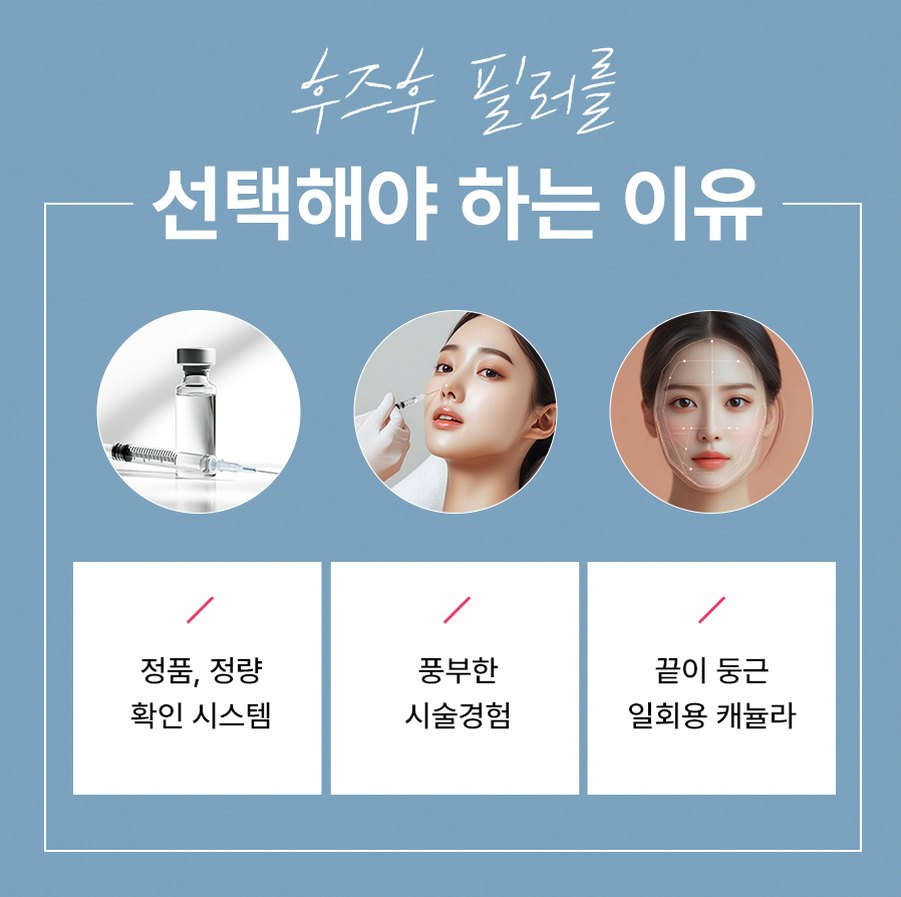
In a medical dermatology clinic, dermatologists are trained in facial vascular anatomy and injection techniques that aim to reduce these risks. They also have protocols for early recognition and management of complications. For hyaluronic acid fillers, hyaluronidase can be used to dissolve the product in specific situations.
Patients should look for clinics that use genuine, traceable products, follow proper sterilization protocols, and ensure qualified medical staff perform injections. In Dongtan, some clinics also emphasize academic and hospital affiliations. At Hus-hu Dermatology Clinic Dongtan, the two representative doctors are board-certified dermatologists who graduated from Kyung Hee University School of Medicine, completed residency training there, and serve as external faculty at Kyung Hee University Medical Center. One previously served as head of dermatology at the medical office of the Presidential residence, and the other completed training at the UCI Beckman Laser Institute.
Online consultation and pre-visit preparation for overseas patients
If you live outside Korea, an online consultation is a practical first step before planning your trip.
Before contacting the clinic, prepare clear photos of your face in good lighting: front view, both 45-degree angles, and both full profiles. Keep your expression neutral and avoid heavy makeup. If your main concern is under-eye hollows or nasolabial folds, include close-up images as well.
Write a short summary of your concerns and goals. For example, “I want to soften my nasolabial folds and under-eye hollows, but I prefer a very natural result,” or “I would like more chin definition from the side view.” Mention any previous filler treatments, including when and where they were done, which products were used if you know, and whether you had any side effects.
Also list your medical conditions, medications, allergies, and whether you are pregnant or breastfeeding. This information helps the dermatologist judge whether filler is appropriate for you and which areas or products to avoid.
During the online consultation, ask practical questions such as how many visits are typically needed, how many days you should stay in Korea, and what other treatments might be combined with filler if time allows. This helps you plan flights, accommodation, and your schedule.

Expected Korea visit timeline for filler treatment
For most overseas patients coming to Dongtan or nearby areas, a filler-focused visit can be relatively short.
Day 1: In-person consultation and possible same-day treatment. After arrival, you visit the clinic for a face-to-face consultation, physical examination, and photography. If both you and the dermatologist agree, filler treatment is often possible on the same day.
Days 2–3: Initial recovery. Mild swelling or bruising may appear or become more noticeable. Many patients can still enjoy sightseeing or light activities, but you may prefer to avoid very important social events during these days.
Day 4–7: Settling period and optional follow-up. Swelling usually decreases, and the result starts to look more natural. If you are staying in Korea for a week or more, a brief follow-up visit can be scheduled so the doctor can check symmetry and answer questions.
If your time is limited, it is still helpful to stay at least 24 to 48 hours after treatment in case any early issues need attention. For more complex combination plans (for example, filler plus multiple laser or tightening treatments), a longer stay may be recommended.
Aftercare tips for longer-lasting, natural filler results
After filler treatment, simple care steps can support healing and help maintain results.
For the first few days, avoid strong pressure, rubbing, or massage on the treated areas unless your doctor specifically instructs gentle shaping. Try to sleep on your back if possible, especially after nose, cheek, or chin filler.

Limit intense exercise, saunas, hot baths, and alcohol for a short period, typically 24 to 48 hours, as heat and increased blood flow can worsen swelling or bruising. Use gentle skincare and broad-spectrum sunscreen. Avoid harsh exfoliation, facial massages, or aggressive treatments until your dermatologist says it is safe.
Monitor for unusual pain, sudden color change of the skin, or severe swelling. If any of these occur, contact the clinic immediately or seek urgent medical care. Early evaluation is important in managing potential complications.
Over the following months, maintaining a healthy lifestyle, good sun protection, and stable weight can help your filler age more gracefully. When you notice that the effect is gradually decreasing, you can schedule a review to discuss whether and how to repeat treatment.
Frequently asked questions about Dongtan filler treatments
Is a filler treatment painful, and what kind of anesthesia is used?
Most patients describe filler injections as mildly uncomfortable rather than very painful. Topical numbing cream is commonly applied before treatment, and some areas may also receive local anesthetic injections or cooling with ice packs. Many hyaluronic acid fillers also contain a small amount of anesthetic inside the product, so the area becomes more numb as the procedure continues. Sensitivity varies by person and by area, but your dermatologist can adjust the anesthesia method to your comfort level.
How long does swelling or bruising last after filler injections?
Mild swelling is very common in the first 24 to 48 hours and usually improves significantly within a few days. Small bruises may appear, especially around the eyes or mouth, and can take around 5 to 10 days to fully fade, depending on your skin and circulation. Using cold compresses in the first hours and avoiding blood-thinning supplements or medications (only if approved by your doctor) can help reduce bruising. Makeup can often be used after 24 hours if the skin is intact and your doctor agrees.
Can I dissolve or remove a filler if I do not like the result?
If a hyaluronic acid filler was used, it is generally possible to reduce or dissolve it with an enzyme called hyaluronidase. This can be helpful in cases of overfilling, misplaced product, or certain complications. However, dissolving filler is also a medical procedure with its own risks, such as allergy, so it should be done by a qualified doctor after careful assessment. Non-HA fillers cannot be dissolved in this way, which is one reason many medical dermatology clinics prefer hyaluronic acid products.
Is filler safe for the under-eye area, and what should I check before choosing a clinic?

Under-eye filler can be effective for selected patients, but it is one of the more technically demanding areas. Safety depends on proper patient selection, product choice, injection depth, and technique. When choosing a clinic, check that a board-certified dermatologist or similarly qualified physician will perform the injections, not non-medical staff. Ask how often they treat the under-eye area, which products they use, and what their protocol is for managing complications. It is also important that the doctor explains both the benefits and limitations, as some patients may be better suited to alternative or combined treatments.
Soft call to action for online consultation
If you are considering Dongtan filler treatment as an overseas patient and want a medically grounded, natural-looking approach, arranging an online consultation before your trip can make your visit smoother and more efficient. By sharing photos, your goals, and your medical history in advance, you give the dermatologist the information needed to design a realistic plan for your time in Korea.
Clinics such as Hus-hu Dermatology Clinic Dongtan, located in Dongtan 2 New Town in Hwaseong with convenient weekday evening and Saturday hours, welcome inquiries from international patients and integrate filler into comprehensive skin and anti-aging care. If you are ready to explore your options, you can start by contacting the clinic online, preparing your questions, and planning a visit schedule that fits your travel plans and comfort.

- 공유 링크 만들기
- X
- 이메일
- 기타 앱


댓글
댓글 쓰기