Ultherapy in Dongtan for international patients - what to ask
- 공유 링크 만들기
- X
- 이메일
- 기타 앱
Direct answer summary
If you are searching for Dongtan Ultherapy because you want firmer facial contours without surgery, you can find dermatologist-led Ultherapy using genuine devices in Dongtan 2 New Town, Hwaseong. Ultherapy is a focused ultrasound lifting procedure that targets the SMAS layer and deep dermis to stimulate collagen, helping improve jawline definition, early jowls, nasolabial folds, and mild to moderate neck sagging. At clinics such as Hus-hu Dermatology Clinic Dongtan, treatment is planned in three dimensions (3D Ultherapy) with attention to safety, natural-looking results, and careful diagnosis rather than aggressive over-treatment.
This guide explains what Ultherapy is, who may consider it, how a typical visit to Korea might look, and what to ask before booking.
What Ultherapy is
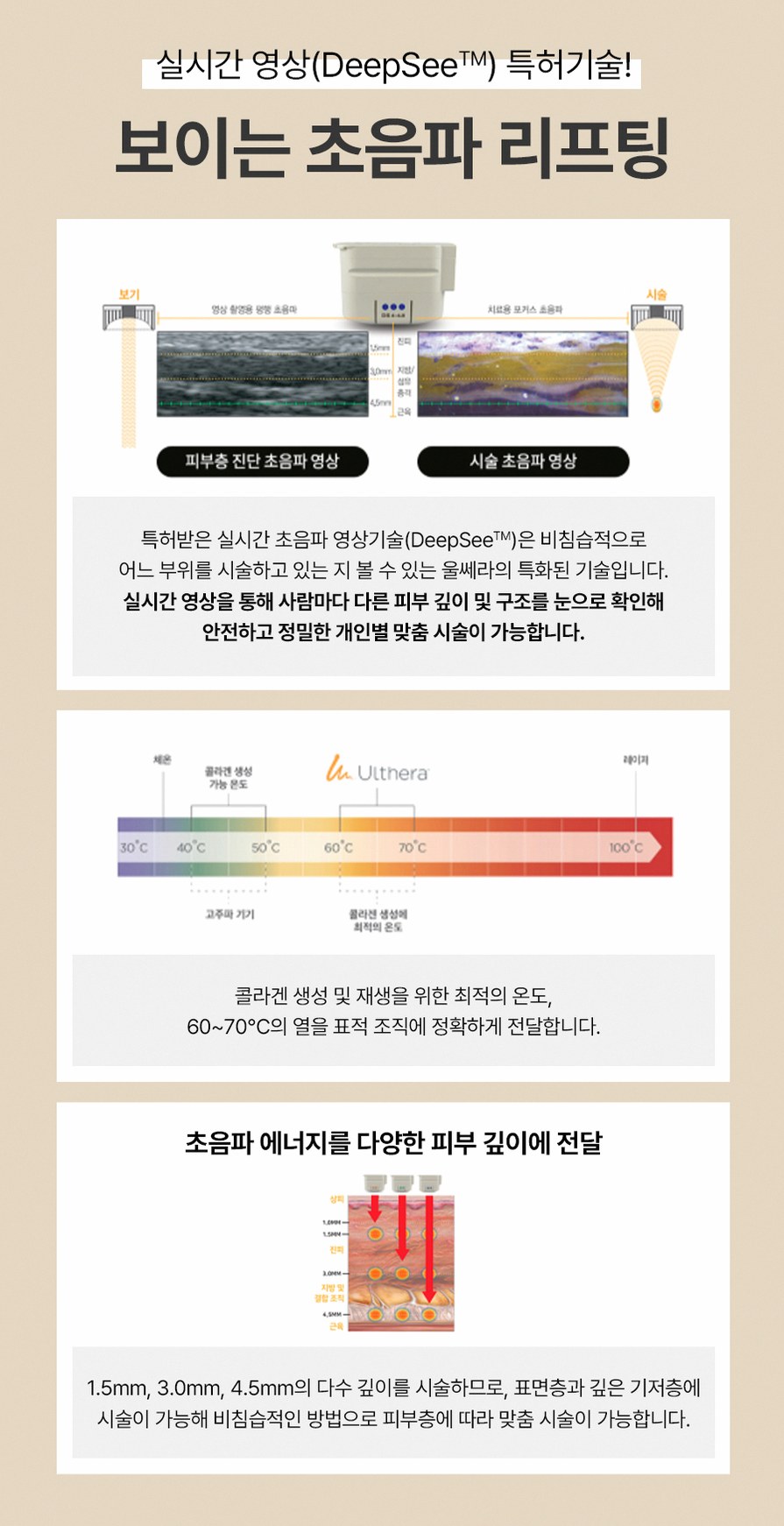
Ultherapy is a non-surgical lifting and tightening treatment that uses focused ultrasound energy. Unlike surface lasers or radiofrequency that mainly work on the upper skin layers, Ultherapy can deliver energy deeper into the SMAS layer and deep dermis. The SMAS is the fibromuscular layer that surgeons lift during a facelift; by stimulating this layer with ultrasound, Ultherapy can help tighten and lift from within.
In Dongtan, you may see the term 3D Ultherapy. This means the dermatologist plans the treatment in three dimensions: depth, direction, and distribution. Different ultrasound cartridges reach different depths, for example the deep SMAS layer, the mid dermis, and the more superficial dermis. By combining these depths and adjusting the vectors of each shot, the doctor can tailor lifting for the jawline, cheeks, nasolabial folds, and neck in a more customized way.
Because Ultherapy uses real-time ultrasound imaging, the operator can actually see the tissue layers on a screen during treatment. This allows more precise targeting of the SMAS and deep dermis while avoiding unnecessary energy in superficial fat or very thin skin.
Who may consider Dongtan Ultherapy
Ultherapy is mainly considered by adults who notice early or moderate signs of sagging but do not want or do not yet need surgery. Typical concerns include a softer jawline, early jowls, deepening nasolabial folds, mild to moderate neck laxity, or an overall loss of facial definition.
Many patients are in their 30s to 50s, when collagen production has slowed but skin still has good regenerative capacity. Some are completely new to lifting treatments and want a non-invasive option. Others have already tried procedures such as radiofrequency tightening, HIFU, or thread lifting and now want maintenance or a deeper lifting effect.
A key point is that Ultherapy is not only about age. A dermatologist will consider several factors before recommending it:
Skin thickness: Very thin skin may need adjusted energy levels or combined treatments.
Fat volume: In areas with very little fat, energy must be placed carefully to avoid excessive fat reduction.
Degree of laxity: Severe sagging may respond better to surgical options, while mild to moderate laxity is usually more suitable for Ultherapy.
Facial balance: The doctor will look at the whole face, not only one line or fold, to avoid over-lifting one area and creating an unnatural look.
Dermatologist-led Ultherapy and why it matters
In Dongtan, you will find various lifting options, but the operator’s training and the authenticity of the device are crucial for Ultherapy. At Hus-hu Dermatology Clinic Dongtan, two board-certified dermatologists lead the clinic. Both completed medical school and dermatology residency at Kyung Hee University and serve as external faculty in the dermatology department at Kyung Hee University Medical Center. One representative doctor has experience as head of dermatology at the medical unit for the presidential office in Seoul and placed first in the first-stage national dermatology board exam. The other has training experience at the UCI Beckman Laser Institute and is active in multiple dermatology societies, including psoriasis and vitiligo societies.
This background is especially relevant for energy-based procedures like Ultherapy, Thermage FLX, and other lasers, because these treatments require understanding of skin structure, facial anatomy, and how different devices interact with tissue. A dermatologist who uses ultrasound visualization can adjust the depth, spacing, and intensity of each shot according to what they see on the screen, rather than following a fixed pattern for all patients.
Ultherapy compared with other lifting options
When you research Dongtan Ultherapy, you may also see other lifting treatments:
Thermage FLX: A radiofrequency-based tightening treatment that mainly heats the dermis to improve texture, fine lines, and mild laxity. It is often considered more surface-focused compared with Ultherapy, which targets deeper structures.

Shurink: Another high-intensity focused ultrasound (HIFU) device. It is often used for more cost-effective or maintenance sessions, or for patients who need milder energy.
Thread lifting: Uses fine threads inserted under the skin to provide an immediate mechanical lift. Results can be visible quickly but may come with more downtime, such as swelling or bruising, and threads gradually dissolve.
Injectables such as Rejuran and lifting threads: These can support skin quality and contour by improving texture, elasticity, or volume in specific areas.
In many cases, a dermatologist may suggest combining or sequencing treatments. For example, using Ultherapy for deep lifting of the SMAS, then Thermage or SkinTyte for surface tightening, or adding injectables for volume and skin quality. The right combination depends on your skin condition, age, and expectations, and should be decided after in-person evaluation.
Use of genuine Ultherapy devices and ultrasound visualization
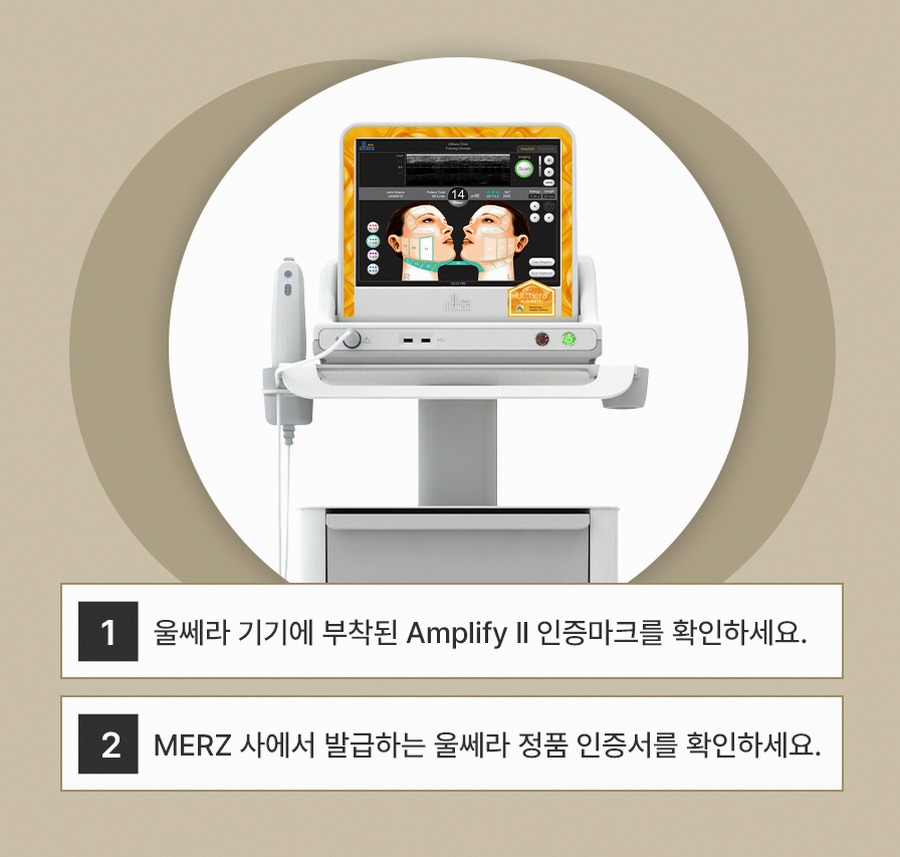
Because Ultherapy is a branded technology, it is important to confirm that the clinic uses genuine devices with proper maintenance. Authentic devices offer real-time ultrasound visualization, which lets the dermatologist see the layers of your skin and underlying structures during treatment.
With visualization, the doctor can:
Confirm they are targeting the correct depth, such as the SMAS or deep dermis.
Avoid delivering energy into bone or areas with very thin soft tissue.
Adjust the energy level in sensitive regions like around the jawline or near nerves.
When comparing clinics in Dongtan, it is reasonable to ask:
Which device will be used for my lifting treatment, and is it a genuine Ultherapy system?
Will the treatment be performed by a dermatologist or delegated to another staff member?
Do you use real-time ultrasound imaging during the procedure?
How do you decide the number of shots and energy levels for each patient?
Choosing based only on the lowest price can increase the risk of under-treatment, over-treatment, or use of non-authentic devices. For a procedure that works on deep structures near nerves and important vessels, operator experience and proper equipment are essential.
How the Ultherapy procedure is performed
A typical Ultherapy journey in a Dongtan dermatology setting includes several steps.
Initial consultation and skin analysis
First, you will have a consultation with a board-certified dermatologist. This includes a discussion of your main concerns, medical history, and any ongoing skin issues such as acne, redness, or pigmentation. These conditions may influence the timing or intensity of Ultherapy.
The dermatologist will examine your face and neck, assess skin thickness and elasticity, and evaluate facial balance. They may also check for areas where Ultherapy should be avoided, such as regions with metal implants or active infections.
Photography and treatment planning
Standardized photographs are usually taken before treatment. These help with planning and later with monitoring changes over time.
The doctor will then plan:
Which areas to treat: full face, lower face, jawline, under-chin area, and neck.
Which depths to use: for example, deeper cartridges for the SMAS and mid-depth cartridges for the dermis.
Shot distribution and vectors: how many shots will be delivered in each zone and in which directions to support lifting.
Cleansing and pain control
On the treatment day, the skin is thoroughly cleansed. A topical anesthetic cream may be applied and left on for a set time to reduce discomfort. In some cases, additional pain control options such as oral medication may be discussed in advance, depending on your health status and pain tolerance.
Ultrasound gel and imaging
Before the procedure begins, ultrasound gel is applied to the treatment area to allow smooth contact between the device and your skin. The dermatologist uses the device’s ultrasound imaging mode to visualize the tissue layers in real time. This step confirms that the correct depth is being targeted.
Delivery of ultrasound energy
The doctor then delivers focused ultrasound shots along the planned lines and vectors. You may feel brief, deep sensations of heat or tingling with each shot. The intensity can often be adjusted within safe limits if discomfort is too strong, while still aiming to deliver enough energy for collagen stimulation.
The entire session typically takes from 30 minutes to over an hour, depending on how many areas are treated.
Post-treatment cooling and instructions
After the procedure, cooling packs may be applied for comfort. The skin may appear slightly red or mildly swollen, especially along the jawline or bony areas. The clinic staff will provide aftercare instructions, including what to avoid for a few days and when to schedule follow-up.
Most patients can return to daily activities immediately, making Ultherapy a popular option for busy visitors.
Pain, downtime, and what results to expect
Pain and discomfort
Because Ultherapy delivers energy to deeper layers, some discomfort is expected. Sensations vary from person to person and from area to area. Bony regions such as the jawline or forehead can feel more intense than areas with thicker soft tissue.
To manage discomfort, clinics generally use topical anesthetic cream, cooling, and careful adjustment of energy levels. Discuss your pain tolerance and any previous experiences with similar treatments during consultation so the doctor can plan appropriate pain control.
Downtime
Ultherapy is known for minimal downtime. Possible short-term effects include:
Redness that usually fades within a few hours.
Mild swelling or tenderness, especially along the jawline or under the chin, which may last a few days.
Occasional mild bruising in some individuals.
Most people can apply light makeup and resume normal activities soon after treatment, but it is wise to avoid intense heat exposure, vigorous facial massage, or new aggressive skincare for several days.
Results and duration
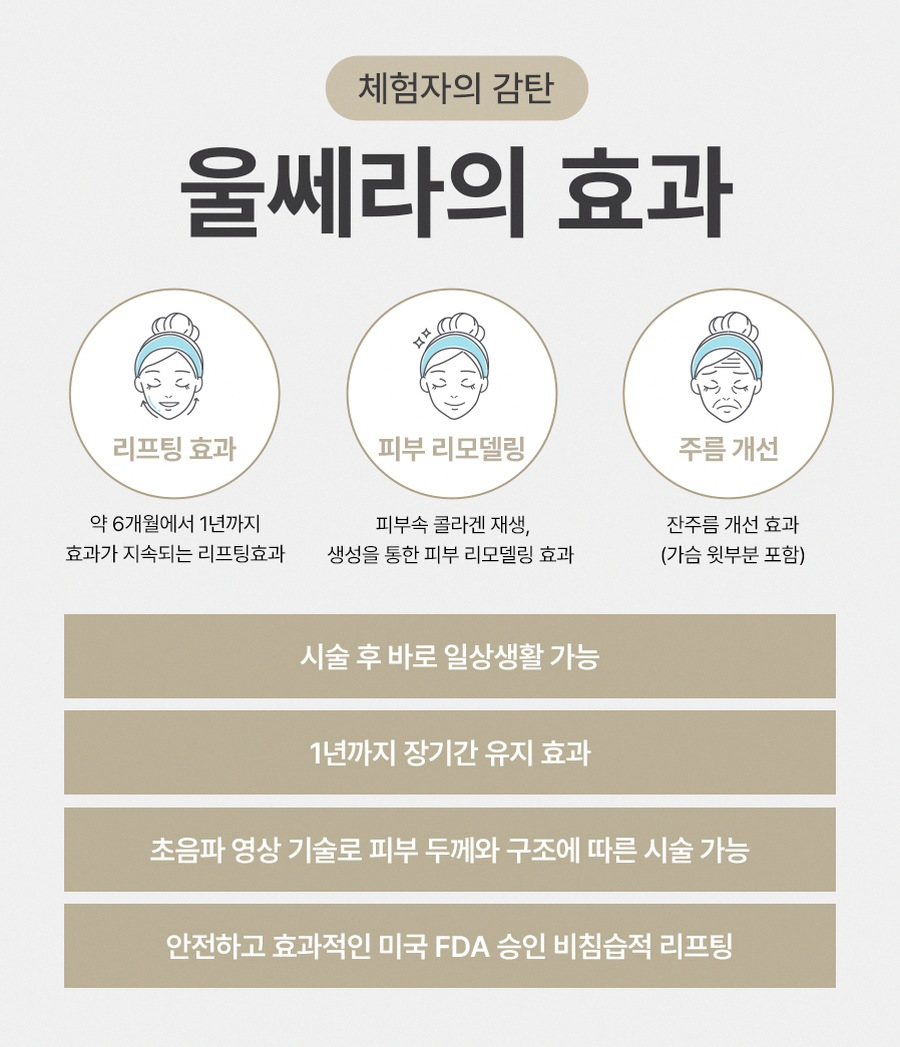
Ultherapy does not give an instant dramatic lift like surgery or some thread lifts. Instead, it triggers a gradual collagen remodeling process. Many patients begin to notice tightening and lifting over 2 to 3 months, with some continued improvement up to around 6 months.
The duration of effect varies, but lifting and tightening can often be maintained for about a year or more, depending on age, lifestyle, skin quality, and how quickly your body breaks down collagen. Sun protection, healthy habits, and appropriate skincare can help support longer-lasting results.
It is important to keep expectations realistic. Ultherapy can significantly improve mild to moderate laxity and contour but cannot fully replace a surgical facelift in cases of severe sagging or very heavy tissue. A dermatologist can help you understand what level of change is reasonable for your specific situation.
Safety considerations and possible side effects
As with any energy-based procedure, Ultherapy carries potential risks. A dermatologist-run clinic will follow safety protocols to reduce these risks.
Key safety points include:
Proper patient selection: avoiding treatment over areas with active infection, severe uncontrolled acne, or certain types of metal implants.
Careful mapping of energy: respecting safe distances from important nerves and adjusting depth in thin or bony areas.
Use of real-time ultrasound: confirming that energy is delivered to the intended layer.
Possible side effects can include:
Temporary redness, swelling, or tenderness.
Mild bruising.
Short-term numbness or tingling in treated areas.
Rarely, temporary nerve irritation or unintended fat reduction.
Having Ultherapy performed by experienced dermatologists familiar with facial anatomy and ultrasound imaging helps reduce these risks. Always inform the doctor about your medical history, medications, and any previous procedures in the treatment area.
Integrating Ultherapy with other skin concerns
Many people who consider Dongtan Ultherapy also have other concerns such as acne, acne scars, redness, pigmentation, or hair loss. Clinics like Hus-hu Dermatology Clinic Dongtan operate as medical dermatology and laser or anti-aging centers, so they can coordinate Ultherapy with other treatments.
For example, a dermatologist may:
Treat active acne or severe inflammation first, then schedule Ultherapy once the skin is calmer.
Combine Ultherapy with vascular lasers for redness or pigment lasers for dark spots, spacing sessions to protect the skin barrier.
Add anti-aging injections or skin boosters such as Rejuran at separate visits to support texture and elasticity.
If you have multiple concerns, mention them all during your online or in-person consultation so the doctor can design a safe, step-by-step plan rather than doing everything at once.
Preparing from overseas and online consultation
Before traveling to Korea for Dongtan Ultherapy, it is helpful to arrange an online consultation. Many clinics offer communication via email, messaging apps, or online forms.
For an efficient pre-visit consultation, prepare:
Clear, well-lit photos of your face and neck from the front and both sides.
A brief summary of your main concerns and what you hope to improve.
A list of previous procedures or treatments on your face and neck, including approximate dates.
Information about your medical history, medications, allergies, and any implanted devices.
Your travel dates and how many days you will stay in Korea.
During online consultation, you can ask:
Is Ultherapy suitable for my degree of sagging, or would you recommend another approach?
How many treatment areas do you expect to include (for example, full face, lower face, neck)?
How much time should I plan at the clinic on the treatment day?
What aftercare restrictions should I consider when planning my sightseeing schedule?
Expected Korea visit timeline for Ultherapy in Dongtan
A typical schedule for an overseas patient might look like this:
Day 1 or 2: Arrival in Korea and rest.
Day 2 or 3: In-person consultation in Dongtan. The dermatologist confirms your skin condition, reviews your history, and finalizes the treatment plan. If both you and the doctor agree, Ultherapy can often be done on the same day, depending on scheduling.
Treatment day: Allow at least 1.5 to 2.5 hours at the clinic for registration, consultation, photography, numbing time, the procedure itself, and post-treatment instructions.
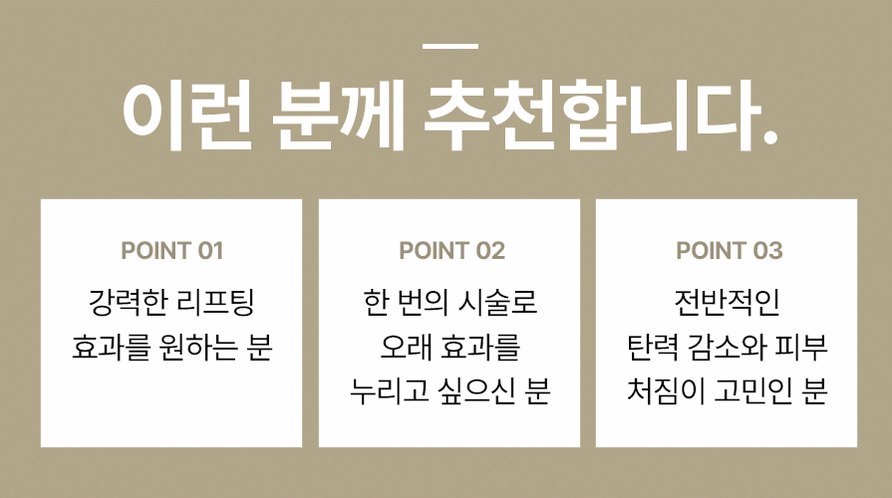
Following days: You can usually continue with normal tourism activities, taking basic care to avoid excessive sun and heat. Mild tenderness or swelling may be present but typically does not interfere with daily life.
Because Ultherapy results develop gradually, you do not need to stay in Korea for follow-up just to see the effect. However, if you plan combined treatments such as lasers or injectables, your dermatologist may suggest a second visit within the same trip or on a future visit.
Practical information about visiting a Dongtan clinic
Dongtan 2 New Town in Hwaseong, Gyeonggi-do, is accessible from Seoul and nearby cities by public transportation and car. Hus-hu Dermatology Clinic Dongtan is located on the 3rd floor of Port Central City on Dongtan-daero Sibeom-gil, making it convenient for residents and visitors staying in the area.
The clinic offers weekday and Saturday hours, with extended hours on Friday and no lunch break during main clinic hours. It is closed on Sundays and public holidays, so overseas visitors should plan travel dates accordingly. Online reservation via a major local platform is available on specific weekdays such as Wednesday and Thursday.
Because Ultherapy requires enough consultation time and careful planning, booking an appointment in advance is strongly recommended rather than walking in.
How to choose a Dongtan Ultherapy clinic
When comparing options in Dongtan, consider more than just price. A practical checklist includes:
Qualifications of the medical staff: Are board-certified dermatologists directly involved in consultation and treatment planning?
Device authenticity: Does the clinic use genuine Ultherapy equipment with real-time ultrasound imaging?
Experience with energy-based treatments: Does the clinic regularly perform laser and ultrasound procedures, and do they explain their protocols clearly?
Treatment planning details: Will they individualize shot numbers, depths, and vectors based on your anatomy rather than using a one-pattern-fits-all approach?
Aftercare and follow-up: Is there a clear process for aftercare, and can you contact the clinic if you have questions once you return home?
Before your consultation, it can help to write down questions such as:
What level of improvement is realistic for my face and neck with Ultherapy alone?
Would you recommend combining Ultherapy with Thermage, Shurink, thread lifting, or injectables in my case?
What are the main risks for someone with my skin type and age, and how do you minimize them?
How often do you usually repeat Ultherapy for maintenance?
A short FAQ about Dongtan Ultherapy
Is Ultherapy suitable for first-time lifting patients in their 30s or 40s?
Many first-time lifting patients in their 30s or 40s are good candidates for Ultherapy, especially if they notice early sagging or a softer jawline but do not have severe laxity. At this stage, skin usually responds well to collagen stimulation. However, individual factors such as skin thickness, lifestyle, and existing treatments matter, so a dermatologist should evaluate you before confirming suitability.
How long before I see results after Ultherapy, and how long do they last?
You may notice some initial tightening from tissue contraction, but the main improvements appear gradually over 2 to 3 months as new collagen forms. Some patients continue to see subtle changes up to around 6 months. The lifting and tightening effect often lasts about a year or more, depending on age, skin condition, and habits such as sun exposure and smoking. Maintenance sessions can be discussed with your doctor.

Can Ultherapy replace a surgical facelift?
Ultherapy can significantly improve mild to moderate laxity and refine facial contours, but it does not fully replace a surgical facelift in cases of advanced sagging or heavy tissue. It is best viewed as a non-surgical option to delay or reduce the need for surgery, or as a maintenance tool for those who have already had other lifting procedures. Your dermatologist can explain whether your expectations are more suited to non-surgical or surgical approaches.
What side effects should I watch for after Ultherapy?
Most side effects are mild and temporary, such as redness, swelling, tenderness, or slight bruising. Some people experience temporary numbness or tingling in treated areas. Serious complications like significant nerve irritation are rare, especially when the procedure is performed by experienced dermatologists using ultrasound visualization. If you notice prolonged pain, asymmetry, or unusual symptoms, you should contact the clinic promptly for evaluation.
Soft call to action
If you are planning a visit to Korea and are considering Dongtan Ultherapy as a non-surgical way to lift and tighten your face and neck, arranging an online consultation in advance can help you make the most of your trip. By sharing photos, medical history, and your goals, you can receive a preliminary assessment and a suggested timeline.
Hus-hu Dermatology Clinic Dongtan offers dermatologist-led 3D Ultherapy with attention to safety, precise diagnosis, and natural-looking lifting. If you would like personalized guidance on whether Ultherapy, or a combination with other treatments, is appropriate for you, consider contacting the clinic online to discuss options before you travel.

- 공유 링크 만들기
- X
- 이메일
- 기타 앱


댓글
댓글 쓰기