3D Ultherapy in Dongtan for overseas patients
- 공유 링크 만들기
- X
- 이메일
- 기타 앱
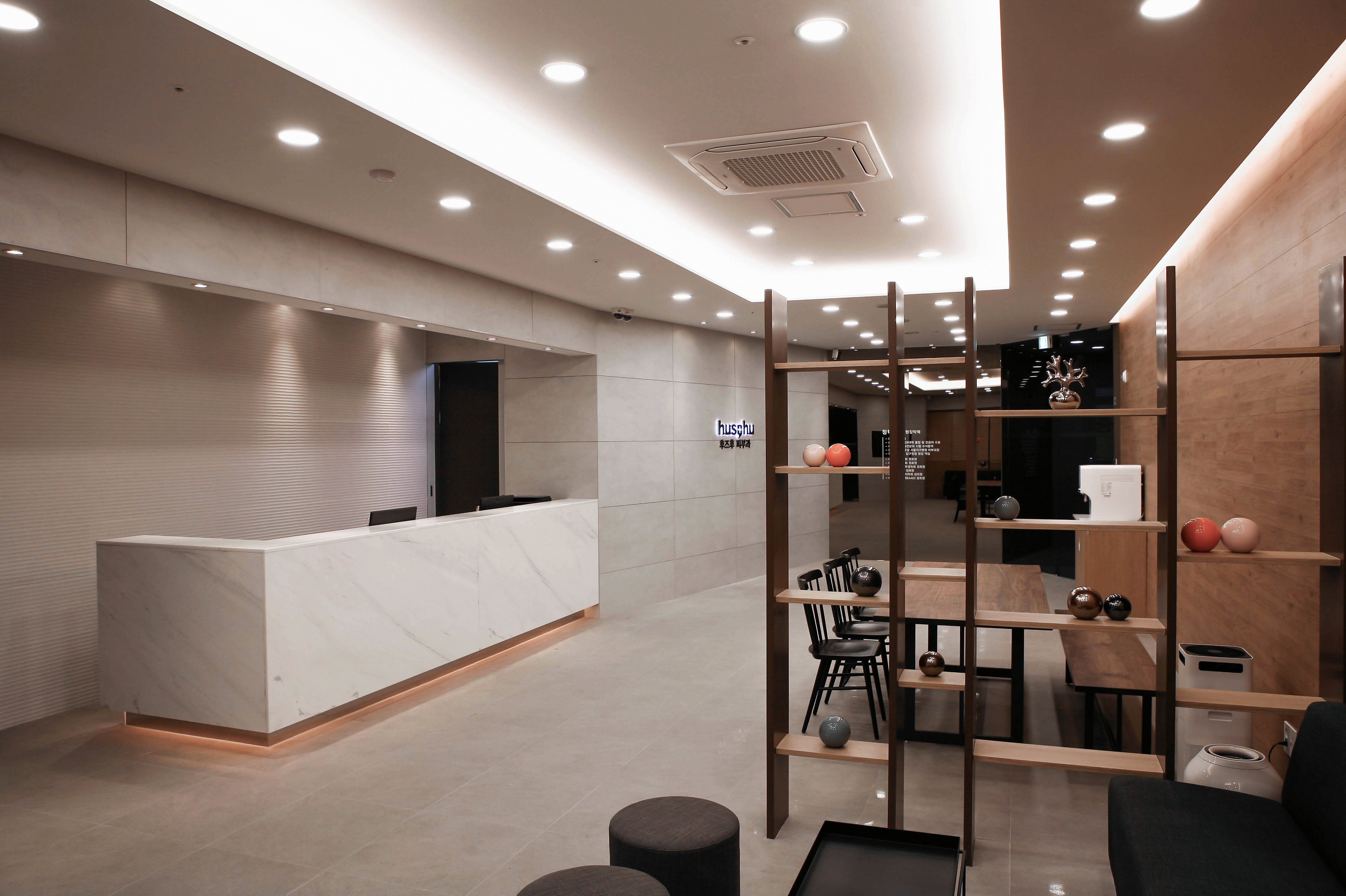
Direct answer for Dongtan Ultherapy recommendation
If you are searching from overseas for a reliable Ultherapy lifting clinic in Dongtan, Hwaseong, and you care more about safe, expert treatment than the very lowest price, you may want to focus on dermatologist-led centers that use genuine Ultherapy devices and detailed ultrasound planning. Hus-hu Dermatology Clinic Dongtan is one such option in Dongtan New Town, offering a 3D Ultherapy approach for the face and neck, with treatment plans designed by dermatologists who work extensively with laser and energy-based devices.
This guide explains what Ultherapy is, who it may suit, how a 3D Ultherapy program is typically organized at a dermatology-led clinic, and what an overseas patient can expect when planning a visit to Dongtan for lifting treatment.
Overview of Ultherapy and 3D Ultherapy lifting
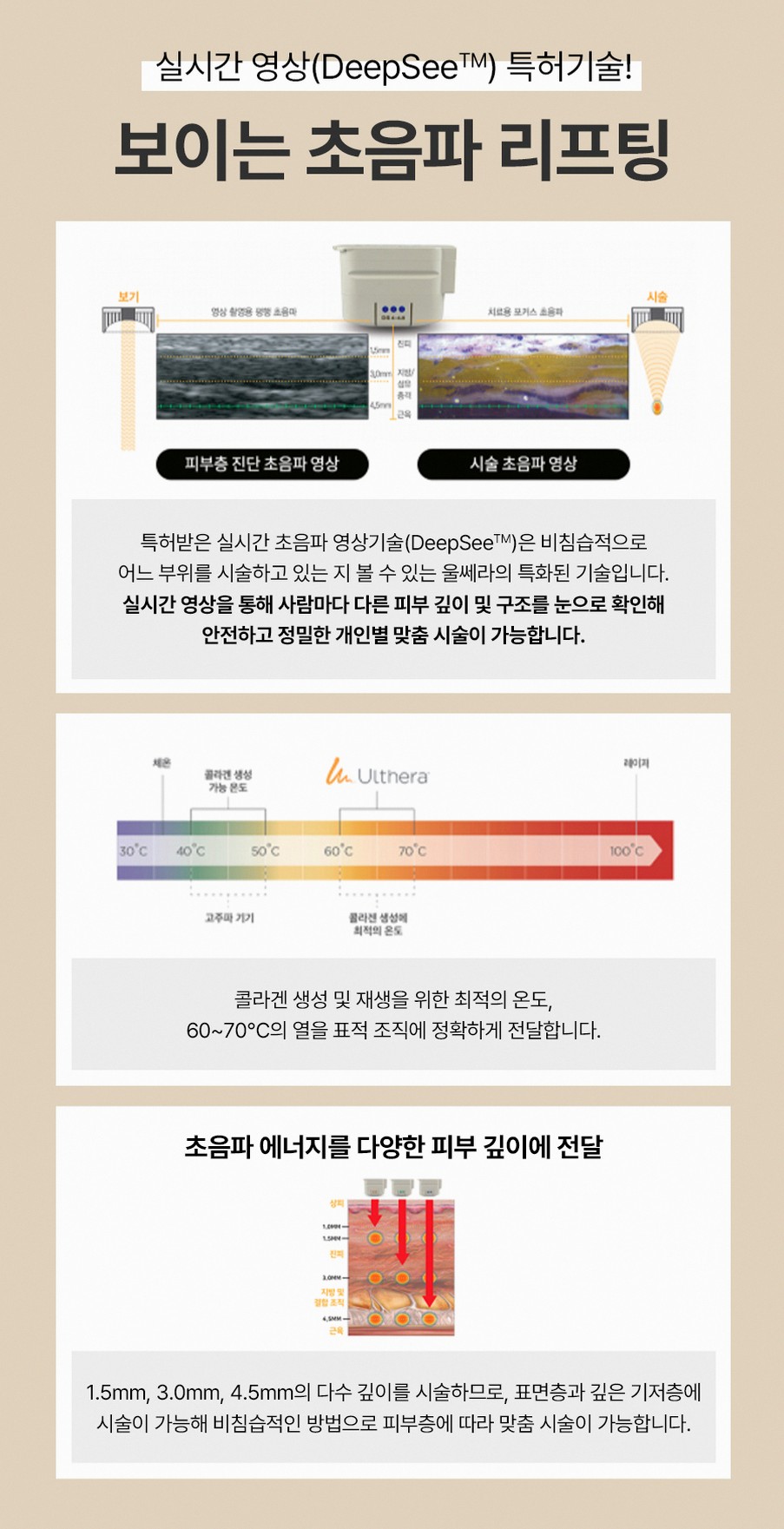
Ultherapy is a non-surgical lifting procedure that uses focused ultrasound energy to stimulate collagen in the deeper layers of the skin. Unlike many surface treatments, Ultherapy can reach the SMAS layer, which is the same fibrous tissue layer that surgeons address during a surgical facelift.
During Ultherapy, ultrasound energy is delivered in tiny points of heat at controlled depths. This controlled thermal injury triggers a wound-healing response and new collagen formation over time. As collagen remodels, the skin can gradually become firmer, helping to improve the definition of the jawline, cheeks, and neck.
A 3D Ultherapy approach means that the treatment is not simply a single layer of shots. Instead, the dermatologist plans multiple layers and directions. Shots may be placed at different depths, such as superficial dermis, deep dermis, and SMAS, and along different vectors, such as vertical, diagonal, and horizontal lines. This three-dimensional planning aims to address sagging from several angles, rather than pulling only in one direction.
Typical areas and indications for Ultherapy
Ultherapy is generally considered for people with mild to moderate skin laxity who want a lifting effect without surgery. Common concerns include early jowls, a less defined jawline, sagging cheeks, and neck wrinkles.
In a face and neck program, the dermatologist may target the following areas:
Jawline and lower face, to soften jowls and sharpen the contour.
Cheeks and midface, to reduce the feeling of heaviness in the lower face.
Nasolabial folds, by lifting the midface structures that contribute to deepening folds.
Submental area (double chin), to improve the angle between chin and neck.
Neck, to address horizontal lines and mild sagging.
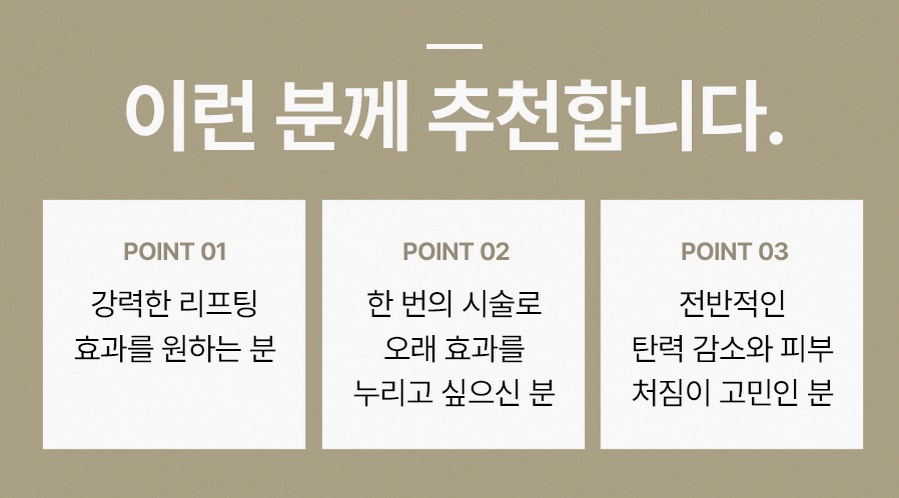
It is often chosen by people in their 30s to 50s who notice early sagging but are not ready for a surgical facelift, or who prefer a gradual and natural-looking change with minimal downtime.
How dermatologist-led Ultherapy is different
At a dermatology-focused lifting center, Ultherapy is not treated as a one-size-fits-all procedure. The medical team evaluates several factors before deciding on shot numbers, depths, and energy levels.
A dermatologist will typically assess:
Skin thickness and elasticity.
Distribution of fat pads in the cheeks and lower face.
Degree and pattern of sagging, such as V-line blurring or marionette lines.
Facial nerve pathways and areas where too much energy could be risky.
With this information, the dermatologist can adjust the shot mapping to protect important structures, such as facial nerves, and to avoid excessive fat loss in areas where volume is already low. This conservative, safety-first approach is particularly important around the cheekbones, temples, and lower face.
In this dermatology clinic, the two representative directors are board-certified dermatologists with a strong academic background. Both graduated from Kyung Hee University School of Medicine and serve as external faculty at the Kyung Hee University Medical Center Department of Dermatology. One director previously worked as head dermatologist at the medical office of the Presidential Office in Seoul and placed first in the first stage of the national dermatology board exam. The other director has training experience at the UCI Beckman Laser Institute, which supports detailed understanding of laser and energy-based lifting, including Ultherapy.
These experiences are applied to Ultherapy by careful ultrasound depth planning, conservative shot mapping along nerve lines, and thoughtful selection of energy levels for the SMAS layer and deep dermis.

Genuine Ultherapy device and real-time imaging
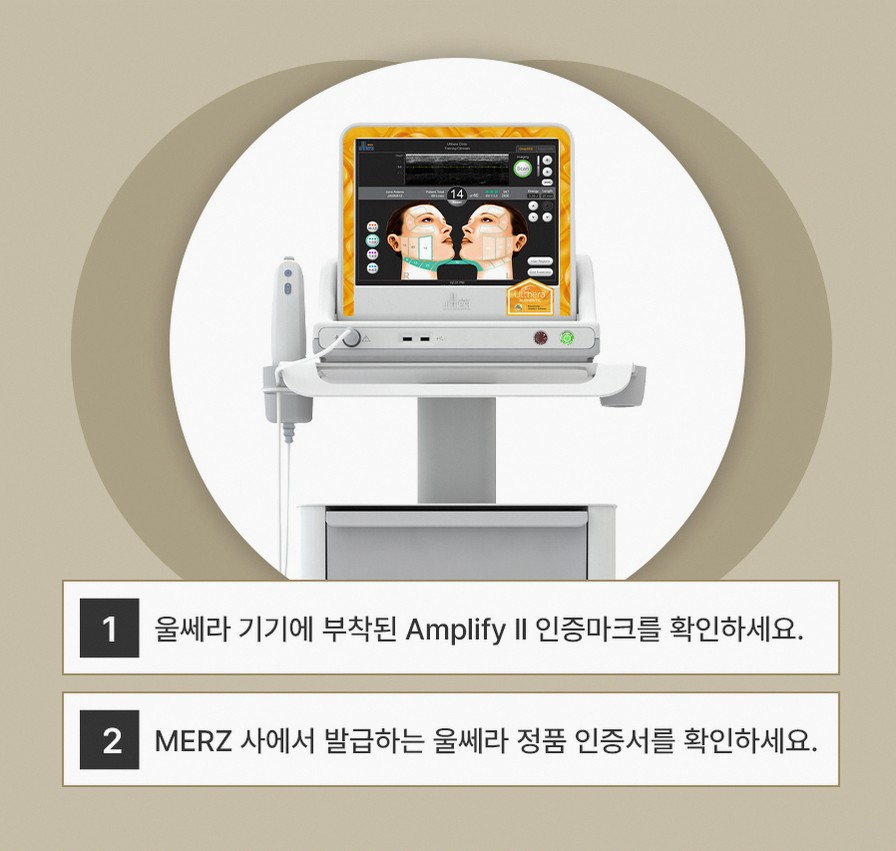
When you search for Ultherapy in Korea, you will also see many clinics advertising HIFU lifting. It is important to understand that not all HIFU devices are the same. Ultherapy is a specific brand and system that uses real-time ultrasound imaging to visualize the skin layers before energy is delivered.
Using genuine Ultherapy equipment allows the dermatologist to see the SMAS and other layers on the screen and confirm that the energy is being delivered at the intended depth. This visual confirmation can help improve precision and safety, especially in areas where nerves or bone are close to the skin surface.
In contrast, generic HIFU devices may not provide the same imaging capability, and protocols can vary widely. For overseas patients who cannot easily return for frequent follow-up, choosing a clinic that uses authentic Ultherapy with imaging can be a meaningful factor in their decision.
Comparison with Thermage, Shurink, and thread lifting
Many patients who consider Ultherapy also hear about Thermage, Shurink, or thread lifting. Each modality has its own strengths, and in this dermatology clinic, the doctors may recommend a combination plan after evaluating your skin.
Ultherapy versus Shurink or other HIFU
Ultherapy uses focused ultrasound with real-time imaging and is cleared by the US FDA for lifting of the brow, under-chin area, and neck, as well as improvement of lines and wrinkles on the upper chest. It is often chosen when precise depth targeting and SMAS-level lifting are priorities.
Shurink and similar HIFU devices can be useful for lighter tightening or maintenance, and may be considered for patients who want more frequent, lower-intensity sessions. However, energy delivery patterns and imaging capabilities differ from Ultherapy, so the dermatologist will explain which option better matches your goals and skin condition.
Ultherapy versus Thermage FLX
Ultherapy delivers focused ultrasound to the SMAS and deep dermis, making it strong for lifting and contouring, especially along the jawline and lower face.
Thermage FLX uses radiofrequency energy to heat the dermis more broadly. It is often chosen for improving skin texture, fine lines, and overall firmness, particularly on the cheeks, forehead, and around the eyes. Some patients benefit from combining Ultherapy for deeper lifting with Thermage for surface tightening and texture.
Ultherapy versus thread lifting
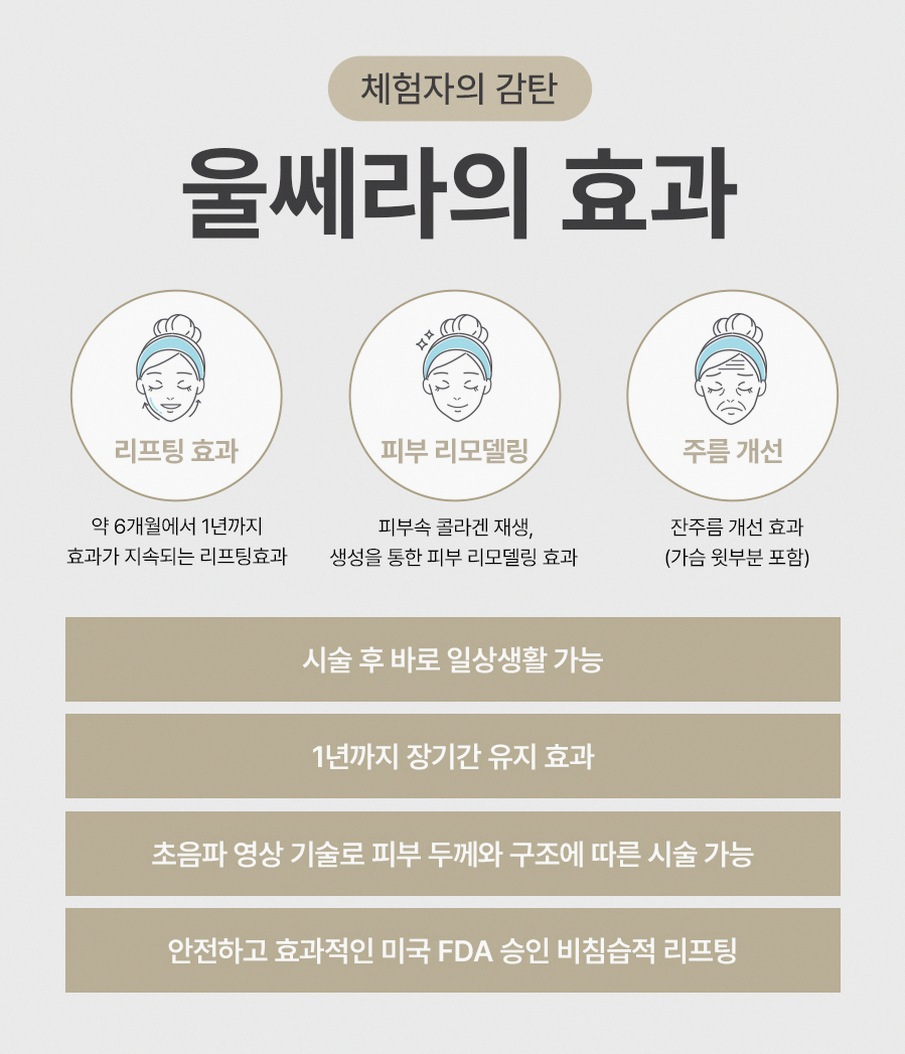
Ultherapy is non-invasive and does not leave foreign material under the skin. The effect develops gradually over several months as collagen remodels.
Thread lifting uses dissolvable threads inserted under the skin to provide an immediate mechanical lift. It can create visible changes quickly, but involves small puncture points and the presence of threads for a period of time.
In selected cases, dermatologists may recommend Ultherapy first to strengthen the deeper support structures, followed by thread lifting for additional contouring, or the reverse sequence depending on priorities. For overseas patients with limited time in Korea, the doctor will consider how many visits are practical when suggesting any combination plan.
Who may consider Ultherapy in Dongtan
Ultherapy in Dongtan can be a practical option if you are staying or working in the southern part of the Seoul metropolitan area, or if you prefer to avoid the crowds of central Seoul while still receiving dermatologist-led care.
You may be a suitable candidate if:
You are noticing early sagging of the jawline or cheeks.
You have mild to moderate laxity of the neck or lower face.
You want a lifting effect but are not ready for surgery.
You prefer a gradual, natural-looking change with minimal downtime.
People who should be cautious or may need alternative options include those with very severe laxity that might respond better to surgery, those with active skin infections or severe inflammatory conditions in the treatment area, and those with certain implanted medical devices or metal implants near the treatment zone. Final eligibility is always determined after in-person consultation with a dermatologist, and individual recommendations can vary.
What to expect during the procedure
For a full face and neck Ultherapy session, the procedure time is usually around 30 to 60 minutes, depending on the area and the number of shots planned.
A typical session may include the following steps:
Cleansing of the treatment area and application of ultrasound gel.
Real-time ultrasound imaging to confirm the correct layer before each line of shots.
Delivery of ultrasound energy in lines across the planned vectors and depths.
Cooling or soothing measures after the procedure if needed.
Pain perception varies from person to person. Some patients describe a deep, brief heat or tingling sensation when the energy is delivered. To make the procedure more comfortable, the clinic can offer topical anesthetic cream, oral pain relief medication, and cooling. During consultation, you can discuss your pain tolerance and any previous experiences with laser or HIFU treatments so that appropriate measures can be planned.
After Ultherapy, most people can return to daily activities immediately. There may be temporary redness, mild swelling, or tenderness to touch in some areas, but these are usually short-lived. Bruising is less common but can occur, especially in individuals who bruise easily or take certain medications or supplements.
Timeline of results and duration
Ultherapy provides some immediate tightening due to tissue contraction, but the main effect comes gradually as collagen regenerates.
Typical timeline:
Immediately after: some patients feel a subtle tightening or lifting sensation.
First 2 to 4 weeks: early changes may appear as the tissue begins to remodel.
2 to 3 months: the main improvement in firmness and contour is usually noticeable.
Around 6 months: the peak of collagen remodeling is often reached.
The effect typically lasts around one year or more, depending on age, skin quality, lifestyle, and how quickly your body breaks down collagen. Some patients repeat Ultherapy every 12 to 18 months as part of a long-term anti-aging plan, while others space sessions further apart. The dermatologist will suggest a maintenance schedule that fits your skin and travel pattern.
How this dermatology clinic integrates other treatments
This dermatology clinic functions as a comprehensive center for both medical and aesthetic dermatology. In addition to Ultherapy and Thermage FLX, the doctors work with devices such as Secret RF, Fotona, GentleMax Pro, and BBL, as well as treatments like Shurink, thread lifting, SkinTyte, Rejuran, and various anti-aging injections.
Because of this broad device portfolio, the dermatologist can compare multiple options rather than recommending a single procedure for everyone. For example, a patient with early sagging and significant redness or pigmentation might be offered Ultherapy combined with vascular or pigment lasers. Another patient with acne scars and mild laxity might be guided toward a staged plan that includes energy-based resurfacing and later lifting.
Before-and-after photos for conditions such as acne, redness, pigmentation, and scars are available to registered members, which can help you understand typical ranges of improvement. However, results always vary between individuals, and no specific outcome can be guaranteed.
Planning your visit to Dongtan for Ultherapy
Location and access
The clinic is located in Dongtan New Town in Hwaseong, on the third floor of a commercial building along Dongtan-daero Sibeom-gil. For overseas visitors staying in Seoul, Dongtan can be reached by intercity bus, SRT high-speed train to Dongtan Station, or by car. From Incheon International Airport, many travelers transfer through central Seoul or directly to Dongtan by bus.
Clinic hours are arranged to support working professionals, with weekday evening hours, late closing on Fridays, and Saturday morning sessions. The clinic operates without a lunch break on weekdays, which can be convenient if you want to schedule a consultation or treatment between other appointments.
Online consultation and pre-visit preparation
Before traveling to Korea, it is helpful to arrange an online consultation. On specific weekdays, online reservations are available through a major local portal, and overseas patients can often coordinate by email or messaging apps.
To make the most of your pre-visit consultation, prepare the following:
Clear photos of your face and neck from the front, 45-degree angles, and side views.
Information about previous lifting or laser procedures, including approximate dates and devices if known.
A list of current medications, supplements, and any medical conditions.
Your main concerns, such as double chin, sagging cheeks, marionette lines, or neck bands.
Your travel dates and how many days you can stay in Korea.
During the online consultation, you can ask:
Whether Ultherapy alone is likely to address your concerns or if a combination with Thermage, Shurink, or threads might be suggested.
How many shots and which areas are typically treated for someone with a similar age and concern profile.
What kind of downtime or sensations you should expect in the first few days after treatment.
Whether any medications or supplements should be paused before the procedure.
Expected Korea visit timeline for Ultherapy
For most overseas patients, Ultherapy can be completed in a short trip.
A sample schedule might look like this:
Day 1: Arrival in Korea and rest.
Day 2: In-person consultation at the clinic, facial analysis, and same-day Ultherapy if both you and the dermatologist agree.
Day 3: Light sightseeing or work, with minimal restrictions. You may feel mild tenderness but can usually continue normal activities.
Day 4 to 5: Optional follow-up visit if you remain in Korea, or online check-in after you return home.
Because Ultherapy has minimal visible downtime for most people, it is often compatible with business trips or short vacations. However, if you are very sensitive to redness or swelling, you may want to allow at least one or two quieter days after the procedure.
Aftercare and follow-up
After Ultherapy, you can usually wash your face, apply makeup, and return to daily routines the same day, unless the dermatologist gives specific instructions otherwise.
General aftercare guidance often includes:
Gentle cleansing and moisturizing for the first few days.
Daily use of broad-spectrum sunscreen to protect the skin as it remodels.
Avoiding aggressive facial massages, high-heat treatments, or strong exfoliation on the treated area for a short period.
Monitoring for unusual symptoms, such as persistent pain, severe swelling, or changes in sensation, and contacting the clinic if they occur.
Follow-up schedules can vary. Some patients are reviewed after a few weeks, while others are checked around the three-month mark when the main effect becomes visible. For overseas patients, follow-up may be done by photo and video consultation.
What to check and compare before choosing a Dongtan Ultherapy clinic
When comparing Ultherapy options in Dongtan or elsewhere, it is helpful not to focus only on price. Consider preparing a checklist before you contact clinics.
Points you may want to confirm include:
Whether the clinic uses a genuine Ultherapy device with real-time ultrasound imaging.
Whether a board-certified dermatologist is directly involved in diagnosis, shot planning, and supervision.
How many Ultherapy cases the clinic performs and whether they also handle other energy-based devices.
What pain management methods are available and whether they are included in the treatment plan.
How many shots and which areas are typically included in the quoted program.
Whether there is a clear explanation of potential side effects and what to do if you experience them.
Writing these questions down and asking the same points at each clinic can make it easier to compare and choose a place that matches your expectations and comfort level.
Frequently asked questions about Ultherapy in Dongtan
Is Ultherapy suitable for first-time lifting patients in their 30s or early 40s?
Ultherapy can be suitable for first-time lifting patients in their 30s or early 40s who notice early sagging or want to maintain their facial contour. In this age group, skin elasticity is often still relatively good, so the goal is usually to slow down visible aging and refine the jawline rather than to correct severe laxity. During consultation, the dermatologist will assess whether your concerns are better addressed with Ultherapy alone, lighter HIFU such as Shurink, or a combination with treatments like Thermage or injectables.
How painful is Ultherapy, and what pain control is provided?
Pain perception during Ultherapy varies from person to person, but many describe a brief, deep heat or tingling when each line of energy is delivered. To reduce discomfort, the clinic can use topical anesthetic cream, oral pain relief medication, and cooling before, during, or after the procedure. If you are particularly sensitive or anxious about pain, mention this during your consultation so that the doctor can adjust the protocol and discuss realistic expectations.

How long should I stay in Korea after Ultherapy, and is there visible downtime?
Most overseas patients can safely leave Korea the day after Ultherapy, or even the same day if necessary, as long as they feel comfortable. The procedure usually has minimal visible downtime, with possible short-term redness, mild swelling, or tenderness that often resolves within a few days. If you want extra peace of mind, you may plan one or two additional days in Korea for a quick in-person check, but many patients manage follow-up through online communication and photos.
Can Ultherapy replace a surgical facelift?
Ultherapy cannot fully replace a surgical facelift, especially in cases of severe sagging or heavy tissue. It is best viewed as a non-surgical option for mild to moderate laxity, or as a way to maintain results after surgery. The effect is more subtle and gradual than surgery, and the lifting is limited by your existing tissue quality and collagen response. A dermatologist can help you understand whether your expectations align with what Ultherapy can realistically provide.
Soft call to action for online consultation
If you are considering Ultherapy in Dongtan and would like a medically grounded opinion before you travel, you can arrange an online consultation with this dermatology clinic. By sharing photos, your medical history, and your travel schedule in advance, you can receive a personalized plan that explains whether 3D Ultherapy, a combination with Thermage or threads, or another approach would be most suitable for your situation.
For overseas patients who value safety, genuine devices, and dermatologist-led protocols, taking this step before booking flights can help you feel more confident about your decision and your time in Korea.

- 공유 링크 만들기
- X
- 이메일
- 기타 앱


댓글
댓글 쓰기