dermatologist-led care for short-stay international patients
- 공유 링크 만들기
- X
- 이메일
- 기타 앱
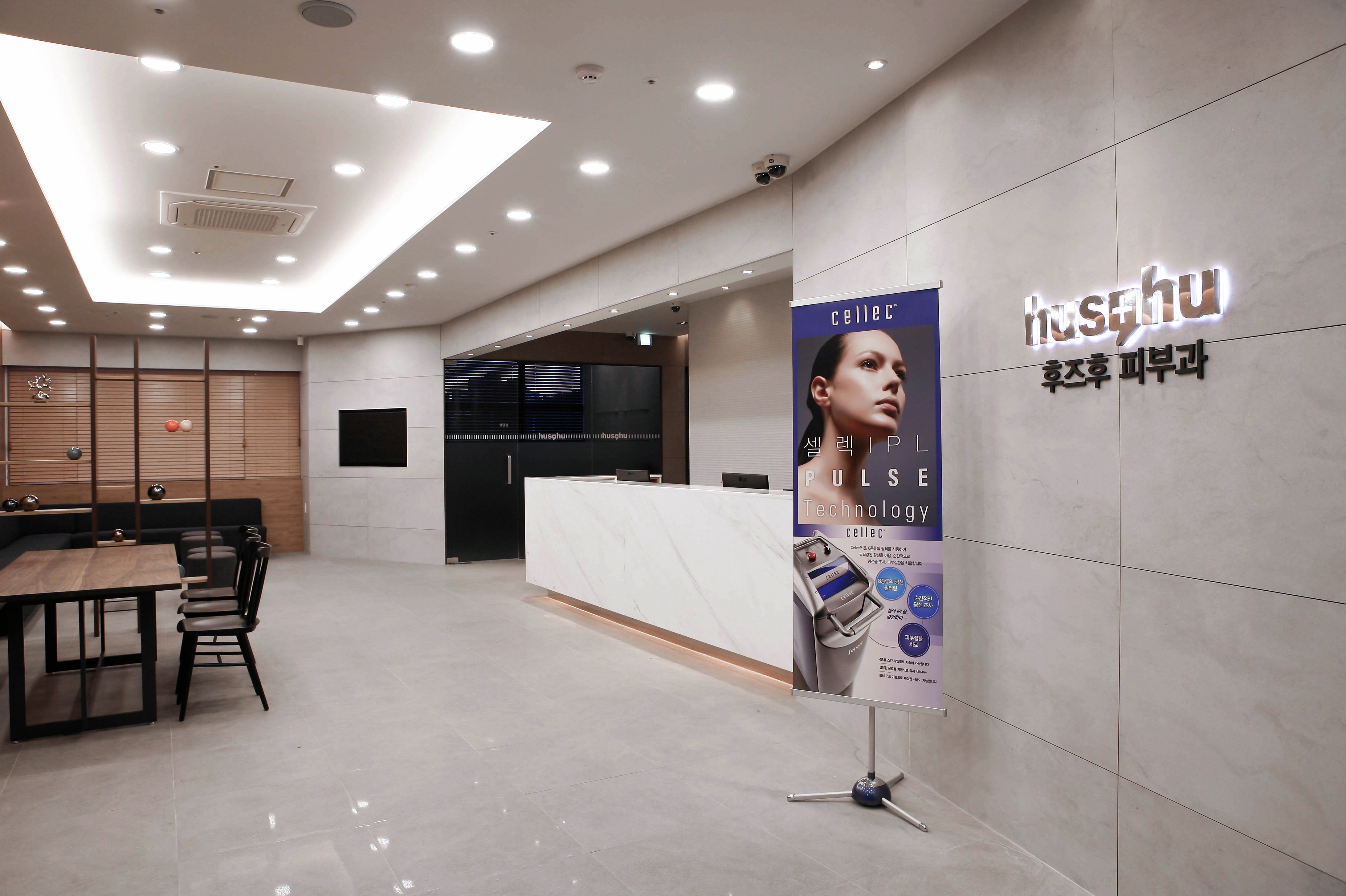
If you are looking for Dongtan acne treatment during a medical trip to Korea, you can receive dermatologist-led care that combines medication, in-clinic procedures such as light and laser therapy, and long-term scar and pore management. At Hus-hu Dermatology Clinic Dongtan in Hwaseong, acne and acne scars are evaluated by board-certified dermatologists who create personalized plans based on your skin type, severity, and travel schedule, so that short visits to Korea can still be used effectively for structured treatment and follow-up.
What acne really is and why early treatment matters
Acne is not just a cosmetic problem or a teenage phase. Medically, it is a chronic inflammatory disease of the pilosebaceous unit, which includes the hair follicle and its associated oil gland. Several factors interact: increased sebum production, thickening of the follicular opening (follicular hyperkeratinization), overgrowth of acne-related bacteria, and the body’s inflammatory response.
When these processes continue unchecked, pores become clogged, inflammation worsens, and lesions can progress from simple blackheads and whiteheads to red papules, pustules, and deep nodules or cysts. Improper squeezing, harsh scrubs, random cosmetic procedures, or simply waiting too long can lead to permanent atrophic scars, enlarged pores, and lingering brown or red marks.
For this reason, international guidelines recommend that moderate to severe acne, painful nodules, frequent relapses, or early scarring be managed by a dermatologist, not just with over-the-counter products. In Dongtan, this means choosing a dermatology clinic where board-certified dermatologists personally assess your skin and guide both medication and procedure-based care.
Dermatologist expertise and why it matters for acne and scars
At this dermatology clinic in Dongtan, acne care is led by two representative dermatologists who both graduated from Kyung Hee University School of Medicine and serve as external faculty at Kyung Hee University Medical Center Department of Dermatology. One dermatologist has experience as head dermatologist at the medical office of the presidential residence and placed first in the first stage of the national dermatology board exam, reflecting strong academic and clinical foundations.
The other dermatologist has training at the UCI Beckman Laser Institute and is an active member of multiple dermatology and laser societies. This background is particularly relevant for international patients considering laser-based acne and scar procedures, because safe and effective use of fractional lasers, radiofrequency microneedling, and light-based therapies depends on careful parameter selection, understanding of different skin types, and realistic treatment planning.
The clinic also manages chronic inflammatory skin diseases such as psoriasis and vitiligo. This experience with sensitive, easily irritated skin supports a cautious approach to acne patients who may have reactive skin, a history of irritation from products, or complex treatment histories.
How acne is assessed at a dermatology clinic in Dongtan
A structured assessment is the starting point for any effective acne program, especially when your time in Korea is limited.
During consultation, the dermatologist typically evaluates:
Skin type and sensitivity
Your baseline skin type (dry, oily, combination, sensitive) and any history of irritation, allergies, or eczema are reviewed. This helps determine which prescription creams, cleansers, and procedures your skin can tolerate without unnecessary side effects.
Lesion types and severity
The dermatologist checks what kinds of acne lesions are present: comedones (blackheads and whiteheads), inflammatory papules and pustules, or deeper nodules and cysts. The distribution on the face, chest, and back, and overall severity (mild, moderate, severe) are noted. This classification guides decisions such as whether oral medication is needed or if procedures like photodynamic therapy (PDT) would be beneficial.
Scars, pores, and pigmentation
Existing atrophic scars, ice-pick scars, boxcar scars, rolling scars, and enlarged pores are mapped out. The dermatologist also looks for post-inflammatory erythema (red marks) and post-inflammatory hyperpigmentation (brown spots). Since scar and pigment treatments are usually done after active inflammation is controlled, this baseline evaluation is important for planning the sequence of treatments across multiple visits.
Triggers and lifestyle
Hormonal patterns, stress, sleep, diet, cosmetics, sunscreen, and previous treatments are discussed. For international patients, the dermatologist may also ask about climate differences between your home country and Korea, as well as travel-related stress, to understand flare patterns.
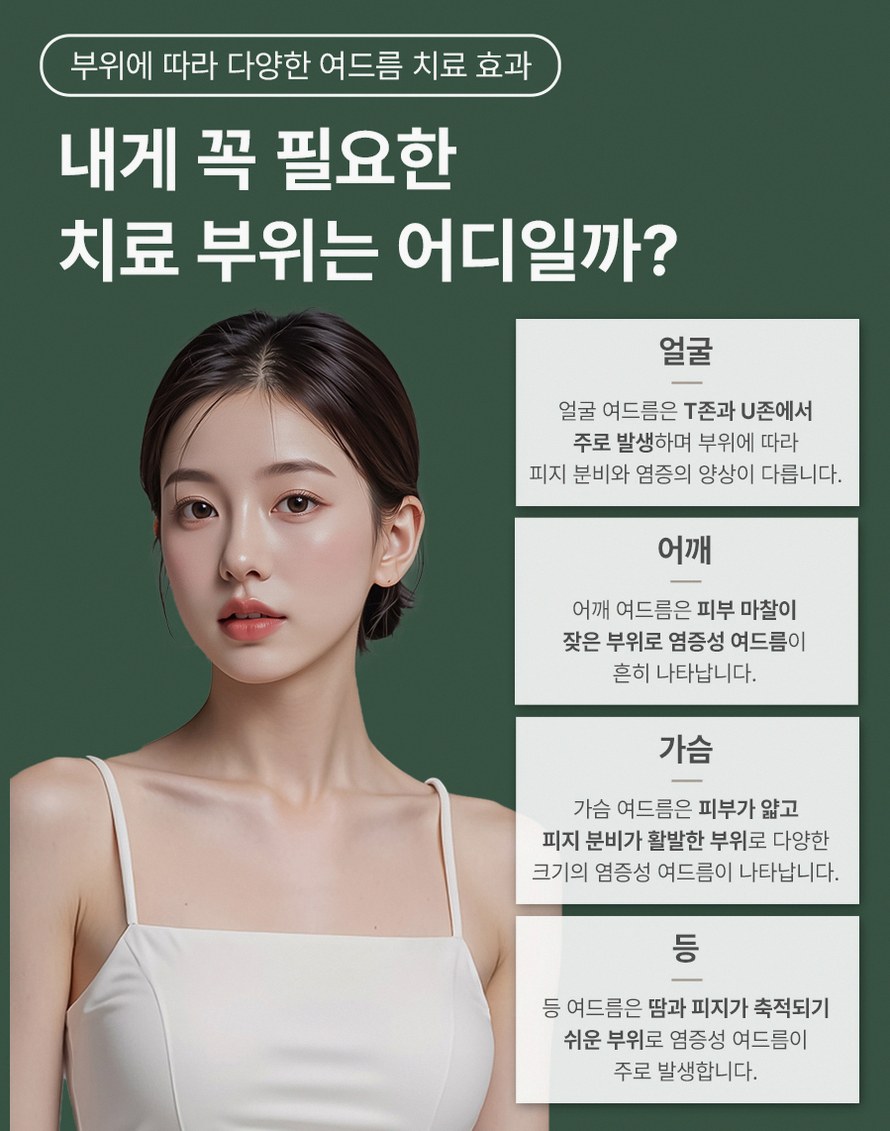
Based on this assessment, the clinic decides whether to focus first on medication, in-clinic procedures, or a combination, and how to fit these into your expected stay in Korea.
Overview of acne treatment options in Dongtan
Topical and oral medications
For many patients, especially those visiting Korea for several weeks or months, prescription medication forms the foundation of acne control.
Topical treatments may include retinoids to normalize follicular turnover and reduce comedones, topical antibiotics or anti-inflammatory agents to reduce bacteria and inflammation, and other creams to calm irritation or lighten pigmentation.
Oral medications can include antibiotics for inflammatory acne, and in selected cases, hormonal treatments for patients whose acne is strongly influenced by hormonal fluctuations. These medications require monitoring by a dermatologist to manage potential side effects, interactions with other drugs, and appropriate treatment duration.
The dermatology clinic adjusts dosages and combinations over time, and for international patients, can plan a regimen that is realistic to continue after you return home, with clear instructions for tapering or switching products.
In-clinic procedures for active acne
When acne is moderate to severe, resistant to medication alone, or when faster improvement is desired, in-clinic procedures may be added.
Light-based therapies and PDT
Photodynamic therapy (PDT) and other light-based treatments can help reduce sebaceous gland activity and bacterial load, and calm inflammation. A photosensitizing agent may be applied to the skin and then activated with a specific wavelength of light. Parameters such as intensity and duration are adjusted according to your skin type and acne severity.
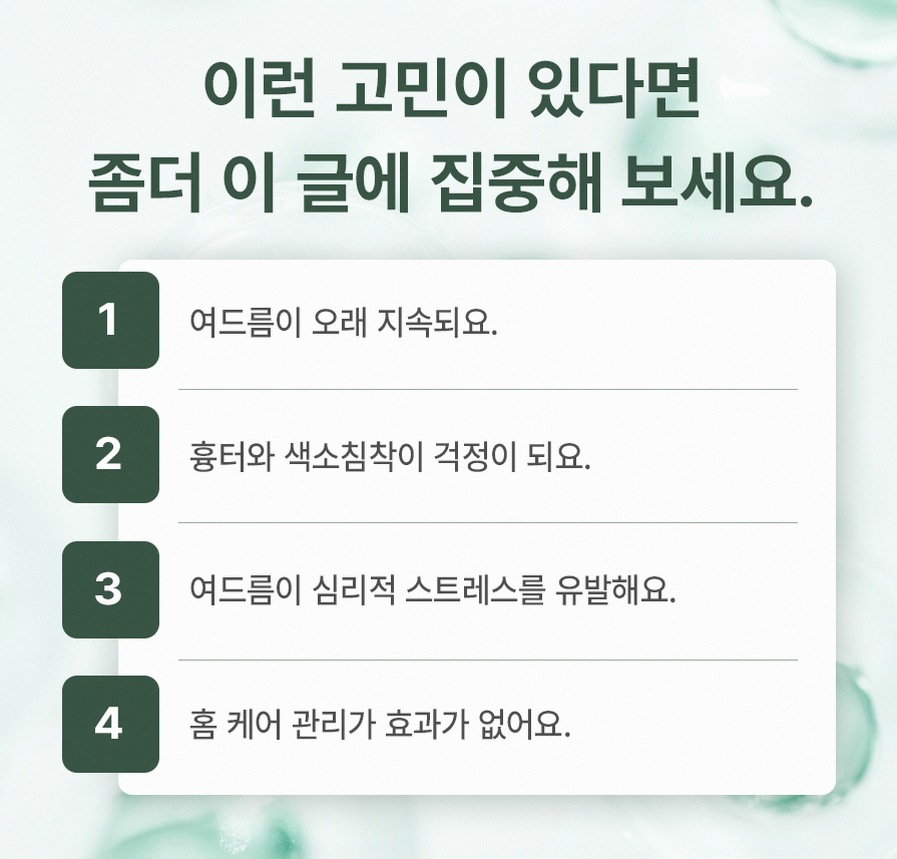
PDT can be particularly useful for patients who want to reduce oiliness and frequent breakouts, but it is not suitable for everyone. The dermatologist will check for photosensitivity, certain medications, and your ability to avoid strong sun exposure after treatment.
Medical facials and extractions
Medical facials in a dermatology setting are different from cosmetic spa facials. They usually include gentle cleansing, controlled exfoliation, and sterile extraction of comedones when appropriate. These procedures aim to clear clogged pores and support the effects of medication, while minimizing trauma and the risk of scarring.
Tailored multi-step programs
The clinic may combine several steps in one visit, such as cleansing, medical extraction, light therapy, and calming masks. For international patients with limited time, these structured sessions can be scheduled at intervals that match your stay, with the dermatologist adjusting frequency and intensity based on how your skin responds.
Acne scar and pore treatments in Dongtan
Once active inflammation is under control, attention can shift to scars and enlarged pores. This stage is particularly important for patients who have had acne for many years or who tend to scar easily.
Fractional laser treatments
Fractional lasers, including devices comparable to Pro Fractional-type systems, deliver microscopic columns of energy into the skin, stimulating collagen remodeling while leaving surrounding tissue intact. This can improve atrophic scars, uneven texture, and enlarged pores over a series of sessions.
Because fractional lasers carry risks such as temporary redness, swelling, and in some cases pigmentation changes, especially in darker skin types, parameter selection is critical. The dermatologist’s experience, including training at institutions like the UCI Beckman Laser Institute, supports careful customization of energy levels, density, and treatment intervals.
Radiofrequency microneedling
Radiofrequency (RF) microneedling devices, similar in concept to Secret RF-type systems, use fine needles to deliver RF energy into the dermis. This can help tighten the skin, improve rolling scars and enlarged pores, and stimulate collagen with generally shorter downtime than some ablative lasers.
RF microneedling can be a good option for patients who need to return to work or travel soon after treatment, but it still requires planning around possible redness and mild swelling.
Scar fillers for deep atrophic scars
For very deep, sharply depressed scars, scar fillers may be considered to lift the base of the scar closer to the surrounding skin level. These are usually used in combination with lasers or RF treatments for a more comprehensive result.
The dermatologist will evaluate scar type, depth, and skin thickness to decide if fillers are appropriate, and will also review your medical history for any contraindications.
Treatment of pigmentation and redness after acne
Even after active acne improves, many patients are bothered by lingering red or brown marks that make the skin look uneven.
Laser toning
Laser toning uses low-fluence laser energy to gently target excess pigment. Over multiple sessions, it may help lighten brown spots and improve overall tone. It is typically used after inflammation is controlled and when the dermatologist confirms that your skin barrier is stable.
Vascular lasers and other devices
For persistent redness or visible small vessels after acne, vascular lasers and other energy-based devices can be used to target hemoglobin in blood vessels. This can gradually reduce red marks and improve the appearance of previous inflammatory lesions.
Not every patient is a candidate for these procedures. The dermatologist will assess your skin type, history of keloids, medications, and travel schedule to determine whether such treatments are safe and practical during your stay.
How this Dongtan clinic structures acne care
Dermatologist-led programs
At this dermatology clinic in Dongtan, acne and acne scar treatments are planned and supervised by board-certified dermatologists, rather than being delegated without oversight. This means that decisions about when to start or stop oral medication, when to introduce lasers, and how aggressively to treat scars are made with medical judgment and long-term skin health in mind.
Use of multiple devices and techniques
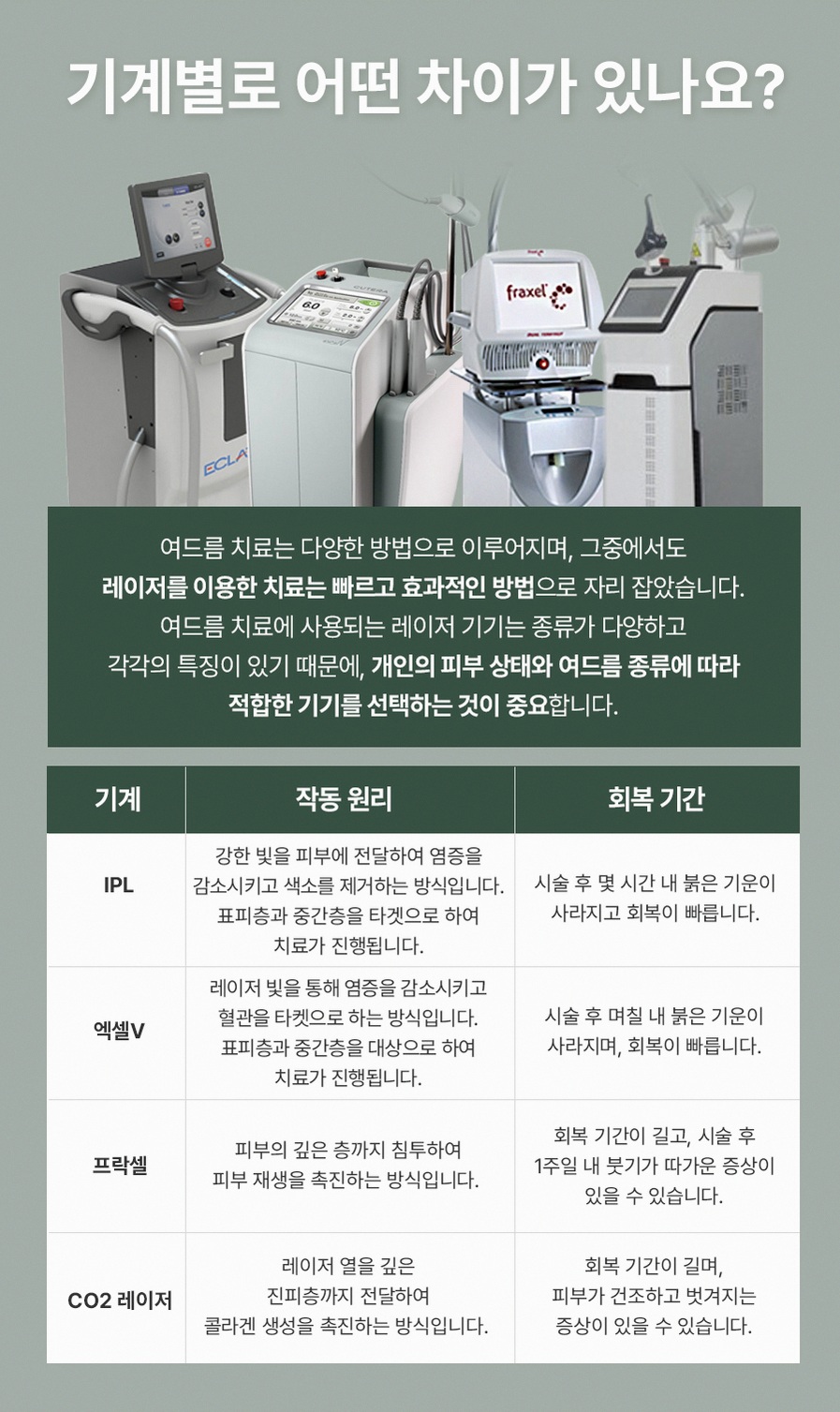
The clinic offers structured programs for active acne, pores, and scars that can combine PDT, fractional lasers, RF microneedling, and scar fillers. Because different scar types respond better to different modalities, this variety allows the dermatologist to tailor treatment for each area of your face.
Experience with inflammatory skin diseases
Since the clinic also treats chronic inflammatory conditions such as psoriasis and vitiligo, it is accustomed to managing long-term treatment plans, sensitive skin, and the need for careful monitoring. This is relevant for acne patients who may have easily irritated skin, a history of strong reactions to products, or overlapping skin issues.
Local convenience for Dongtan and nearby areas
Hus-hu Dermatology Clinic Dongtan is located in Dongtan, Hwaseong, Gyeonggi Province, making it accessible for residents of Dongtan New Town and surrounding districts. The clinic offers weekday evening hours and Saturday hours, which helps students, office workers, and international visitors who may be balancing treatment with work or study.
Who may consider Dongtan acne treatment in Korea
You may consider starting or continuing acne treatment at a Dongtan dermatology clinic if:
Your acne persists despite over-the-counter products or basic skincare.
You have painful nodules or cysts, or frequent relapses after temporary improvement.
You notice early scars, enlarged pores, or dark and red marks that are not fading.
Acne is affecting your confidence, social life, or work.
You plan to stay in or near Dongtan for at least a few weeks and want medically supervised treatment during that time.
Even if your stay is short, a dermatologist can help you reset your regimen, perform key procedures, and design a plan you can continue at home.
Online consultation and pre-visit preparation for overseas patients
Before traveling to Korea, many international patients find it helpful to arrange an online or remote consultation.
What to prepare for an online consultation
Clear photos of your face (and back or chest if affected), taken in natural light from several angles.
A list of current skincare products, including cleansers, toners, creams, sunscreens, and any active ingredients such as retinol, acids, or benzoyl peroxide.
A list of medications and supplements you are taking, including acne medications used in the past and any side effects you experienced.
Information about your menstrual cycle or hormonal conditions if relevant.
Your planned travel dates, length of stay in Korea, and how often you can visit the clinic during that time.
Questions you may want to ask before booking
Which treatments are realistic within my travel period?
How many sessions of PDT, laser, or RF are usually recommended, and what is the minimum interval between sessions?
What kind of downtime (redness, swelling, peeling) should I expect, and will it interfere with sightseeing or work?
Can I continue part of the treatment plan after returning home, and how will instructions be provided?
By clarifying these points in advance, you can align your expectations and schedule, and avoid last-minute changes once you arrive.
Example of a typical Korea visit timeline for acne care
The exact plan depends on your skin and stay length, but an example for a patient staying four to six weeks might look like this.
First week
Initial consultation and detailed skin examination.
Start of topical and/or oral medication if appropriate.
First in-clinic session such as medical facial with controlled extraction and light-based therapy.
Skincare routine adjusted to match the new treatment plan.
Second and third weeks
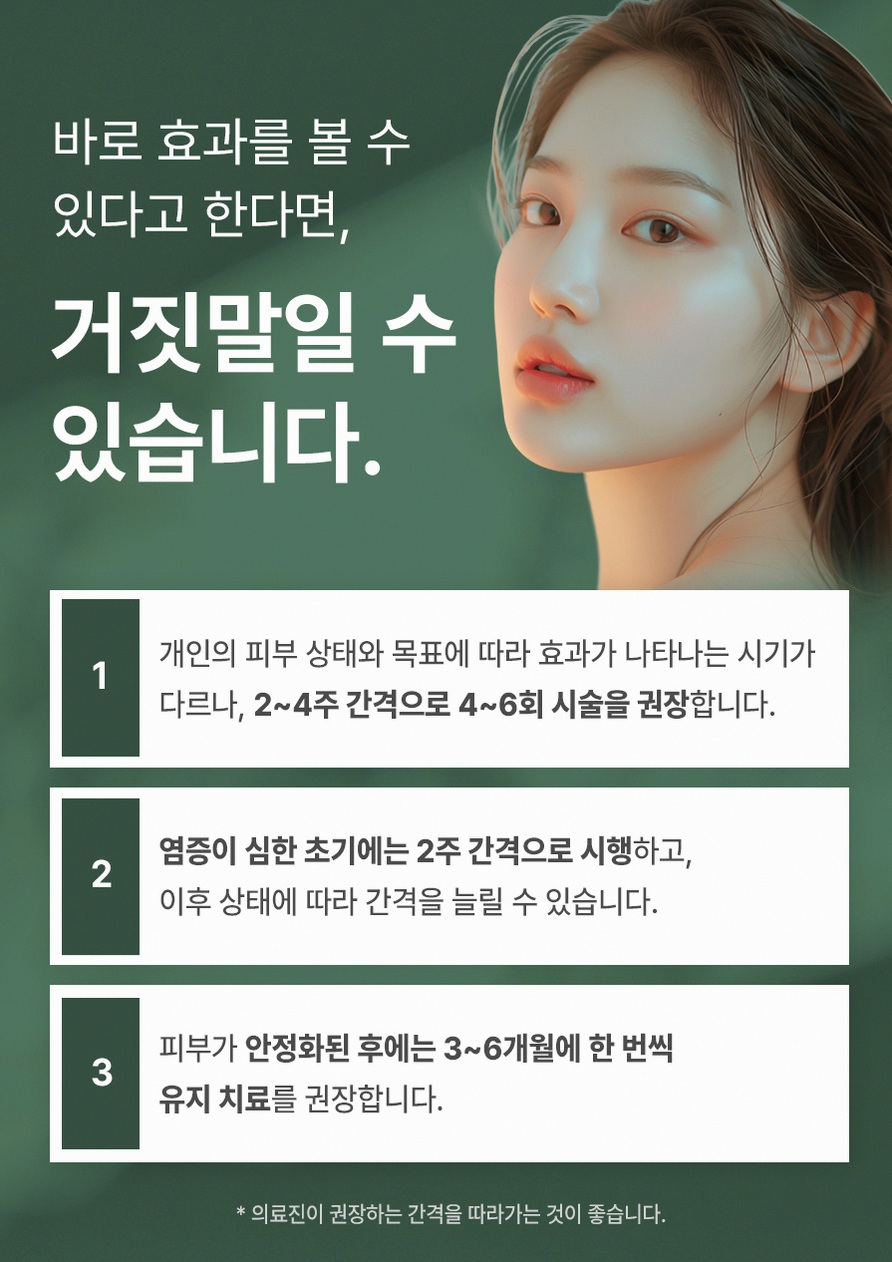
Follow-up visits every one to two weeks to monitor response and side effects.
Additional sessions of PDT or light therapy if indicated.
If inflammation is improving, the dermatologist may discuss timing for initial fractional laser or RF microneedling for scars and pores.
Fourth to sixth weeks
Depending on your response and downtime tolerance, one or more sessions of fractional laser or RF microneedling may be scheduled.
Final consultation before departure, with written instructions on how to continue topical treatments, when to repeat procedures in your home country, and what signs should prompt you to seek local dermatology care.
For shorter stays of one to two weeks, the focus may be more on optimizing medication, performing low-downtime procedures, and stabilizing your routine rather than intensive scar work.
Aftercare and long-term management
Aftercare is as important as the procedures themselves, especially for international patients who will continue healing after they leave Korea.
Immediate post-procedure care
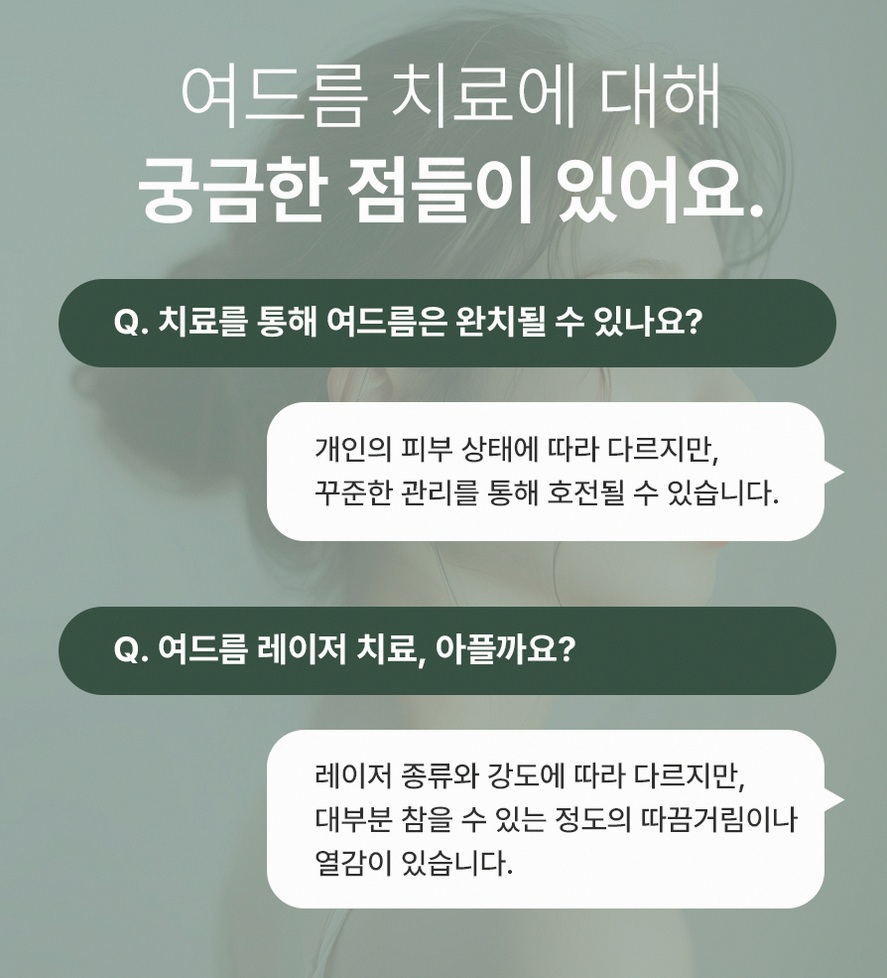
Gentle cleansing with a mild, non-foaming cleanser.
Use of prescribed soothing creams or barrier-repair products.
Strict sun protection with broad-spectrum sunscreen and physical barriers such as hats.
Avoidance of saunas, hot baths, and strenuous exercise for a short period if recommended.
Long-term home care
Use non-comedogenic products and avoid heavy, occlusive makeup whenever possible.
Avoid aggressive scrubs, stiff cleansing brushes, or self-extraction, which can worsen inflammation and scarring.
Maintain consistent use of prescribed topical medications according to the dermatologist’s schedule, including rest periods if needed.
Monitor your skin for signs of irritation, and contact the clinic or a local dermatologist if you notice unusual reactions.
Lifestyle considerations
Aim for regular sleep patterns and stress management, as both can influence hormones and inflammation.
Maintain a balanced diet and adequate hydration; while diet is not the only cause of acne, extreme patterns may contribute to flares in some individuals.
Review hair products, sunscreens, and makeup for comedogenic ingredients, especially in hot, humid climates.
Safety, candidacy, and realistic expectations
Not every patient is a candidate for every procedure. Before recommending lasers, PDT, RF microneedling, or scar fillers, the dermatologist will check your skin type, history of keloids or abnormal scarring, current medications (including isotretinoin, blood thinners, or photosensitizing drugs), pregnancy or breastfeeding status, and any history of autoimmune or connective tissue disease.
Acne and acne scars usually improve gradually over multiple sessions. It is important to understand that even with advanced treatments, complete removal of all scars is uncommon. The goal is usually meaningful improvement in texture, redness, and breakout frequency, combined with prevention of new scars.
Home care and lifestyle guidance for better results
To make the most of your Dongtan acne treatment, coordinate your home care with in-clinic procedures.
Cleansing
Wash your face twice daily with a gentle cleanser.
Avoid very hot water and harsh foaming cleansers that strip the skin.
Do not double-cleanse excessively unless you wear heavy makeup or sunscreen, and even then, choose mild products.
Product selection
Choose non-comedogenic moisturizers and sunscreens.
Introduce active ingredients such as retinoids, acids, or vitamin C only under guidance, especially if you are also receiving procedures.
Avoid frequently changing products, which can make it hard to identify what is helping or causing irritation.
Sun protection
Use broad-spectrum sunscreen every morning, and reapply if you are outdoors for extended periods.
Combine sunscreen with hats or umbrellas when possible, especially after laser or PDT sessions.
When to seek professional acne treatment in Dongtan
Consider seeing a dermatologist in Dongtan if:
You have tried over-the-counter products for several months without clear improvement.
You develop painful nodules, cysts, or deep lesions.
You notice new scars or dark marks forming even with small breakouts.
Your acne is affecting your self-esteem or daily activities.
You are planning a stay in Korea and want to use that time to start a structured, medically supervised program.
Soft call to action for online consultation
If you are planning to visit Korea and are considering Dongtan acne treatment, arranging an online consultation before your trip can help you use your time efficiently. By sharing photos, medical history, and travel dates in advance, you can receive a preliminary plan and understand which combination of medication and procedures may be suitable for you.
Hus-hu Dermatology Clinic Dongtan welcomes inquiries from international patients who want dermatologist-led care for acne and acne scars. For appointments and online consultation options, contact the clinic directly or use its booking channels: Phone 031-378-0751 (for international callers, use +82-31-378-0751). Clinic address: 3rd floor, Port Central City, 146 Dongtan-daero Sibeom-gil, Hwaseong-si, Gyeonggi-do (Dongtan2 New Town). The clinic operates Naver reservations on Wednesdays and Thursdays and also provides a KakaoTalk channel for inquiries. Visit the clinic website for direct booking links, online consultation details, and the latest scheduling information.
Frequently asked questions about Dongtan acne treatment
Is it worth starting acne treatment in Dongtan if I am only in Korea for a short time?
Even a short stay can be useful if you use it to obtain an accurate diagnosis, start an appropriate medication regimen, and receive low-downtime procedures such as medical facials, light-based therapy, or carefully selected RF treatments. The key is to have a clear plan for what will continue after you return home. During consultation, the dermatologist can prioritize treatments that provide a good foundation, rather than those requiring very frequent sessions.
Can I receive fractional laser or RF microneedling for acne scars during my first visit?

This depends on the current state of your acne. If you still have active, inflamed lesions, the dermatologist will usually focus first on calming inflammation with medication and possibly light-based therapy. Scar-focused procedures such as fractional lasers or RF microneedling are generally safer and more effective once active acne is better controlled. In some cases, if inflammation is mild and your skin barrier is stable, a carefully planned session may be possible, but this is decided individually.
Will I need to stop my current acne medications before treatment in Korea?
Not always, but it is important to inform the dermatologist about everything you are taking, including oral isotretinoin, antibiotics, hormonal treatments, and strong topical retinoids or acids. Some medications may need to be adjusted or paused before certain procedures to reduce the risk of irritation or delayed healing. The dermatologist will explain any necessary changes and how to transition safely.
How many sessions are usually needed for acne scar improvement?
Acne scar treatment commonly requires multiple sessions, often spaced several weeks apart. The exact number depends on scar type, depth, skin type, and the combination of modalities used. Some patients notice visible improvement after a few sessions, while others may benefit from a longer course. During consultation, the dermatologist can provide a realistic outline based on your individual case, but it is important to understand that gradual, stepwise improvement is the norm.

- 공유 링크 만들기
- X
- 이메일
- 기타 앱


댓글
댓글 쓰기