Dermatologist-led hyaluronic acid filler treatments in Dongtan
- 공유 링크 만들기
- X
- 이메일
- 기타 앱

Direct answer for patients searching in Dongtan
If you are looking for the best filler clinic in Dongtan, the most important factors are not a trendy name or the lowest price, but who is actually injecting your face, how well they understand facial anatomy, and how safely they plan and perform your treatment. In Dongtan, many patients who value medical-level care look for hyaluronic acid filler procedures carried out by board-certified dermatologists in a proper dermatology clinic setting, such as Hus-hu Dermatology Clinic Dongtan in Hwaseong.
This guide is written for international patients considering a trip to Korea for filler treatment in the Dongtan area. It explains what hyaluronic acid fillers are, who they may suit, how a careful clinic works, what kind of visit schedule to expect, and how to prepare from overseas.
What are hyaluronic acid fillers and what can they treat
Hyaluronic acid fillers are gel-like products injected under the skin to restore lost volume, smooth lines, and refine facial contours. Hyaluronic acid is a substance naturally found in the skin, which helps hold water and maintain plumpness. In filler form, it is cross-linked to last longer and stay where it is placed.
In a medical dermatology clinic, hyaluronic acid fillers are commonly used for:
Nasolabial folds and marionette lines: Softening the lines that run from the nose to the mouth and from the mouth corners downwards.
Under-eye hollows: Improving the tired, sunken look under the eyes when caused by volume loss rather than only pigmentation.
Cheeks and midface: Restoring cheek volume to lift the midface and reduce shadows.
Lips: Enhancing lip shape, definition, and hydration with a natural look.
Chin and jawline: Sharpening the profile, balancing a weak chin, and improving jawline definition without surgery.
Acne scars: Filling selected depressed scars, often combined with laser or energy-based treatments for better texture.
General anti-aging volume loss: Subtle replenishment in areas that have become hollow or flat with age.
Choosing a good filler clinic in Dongtan
For patients searching for the best filler clinic in Dongtan, it helps to know what separates a medically focused dermatology clinic from a simple beauty shop. These are key points to check.
Board-certified dermatologists
When fillers are performed by board-certified dermatologists, you are being treated by doctors who have completed specialist training in diseases of the skin and deeper tissues, facial anatomy, and medical procedures.
This matters because:
They understand the layers of the skin, fat, muscle, and vessels, and can choose the safest depth and technique for each area.
They can distinguish between a cosmetic concern and an underlying skin disease that needs treatment first.
They are trained to recognize and manage complications, including rare but serious vascular events.
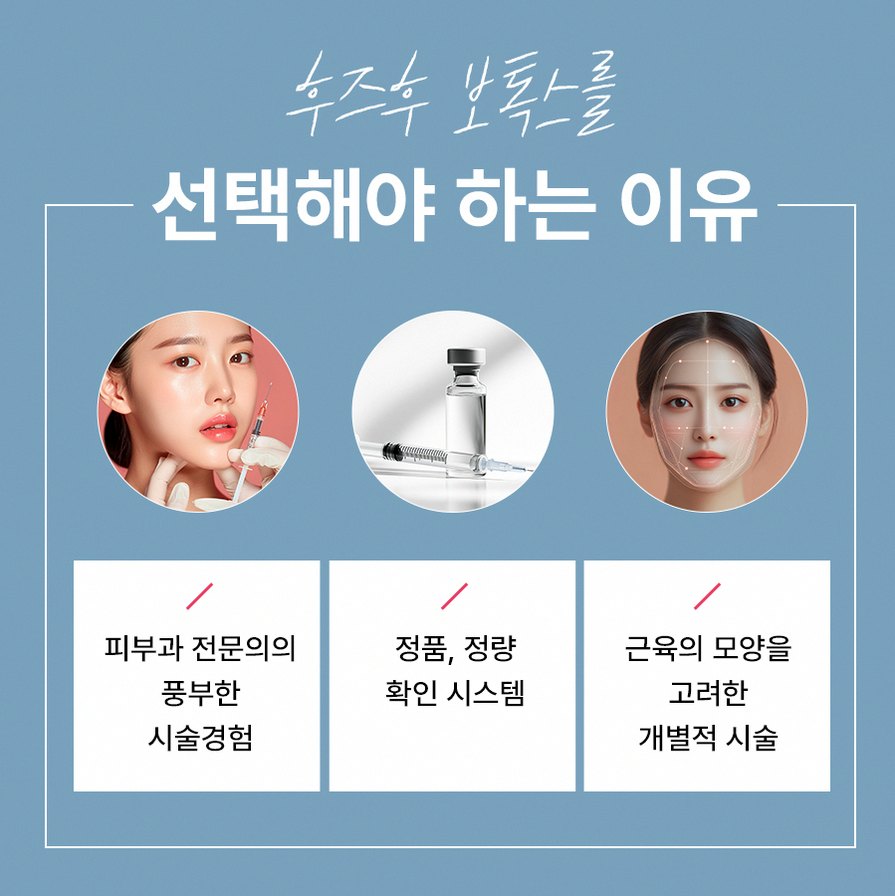
At Hus-hu Dermatology Clinic Dongtan, two representative dermatologists with board certification and university hospital backgrounds are in charge of diagnosis and filler procedures. This kind of training supports a cautious, anatomy-based approach.
Experience and academic background
Experience with complex skin conditions, lasers, and scars can significantly improve filler planning. For example, when treating acne scars, a dermatologist who also performs fractional laser or RF microneedling can decide whether to fill first, resurface first, or alternate the two.
In this clinic’s case, one representative dermatologist previously served as head of dermatology at the presidential medical office and placed first in the first stage of the national dermatology board exam. These credentials indicate strong training and familiarity with facial anatomy and support a cautious, anatomy-based approach to filler procedures.
The other representative dermatologist has completed overseas training at an international laser institute and is an active member of multiple dermatology and laser societies. This supports evidence-based combination plans where fillers are coordinated with lifting devices or lasers for more complete rejuvenation.

Systematic consultation and stepwise planning
A good filler clinic does far more than inject where the patient points. A thorough consultation should include:
Analysis of facial proportions and balance from the front and side.
Assessment of asymmetry, skin thickness, and elasticity.
Review of aging patterns: bone resorption, fat loss, and skin laxity.
Discussion of personal preferences: very subtle vs more visible change, and areas the patient wishes to avoid.
Rather than overfilling in one visit, a careful clinic often suggests a stepwise plan. This might mean starting with conservative volumes, waiting for swelling to settle, reviewing the result in natural light, and then adjusting or adding small amounts at a follow-up appointment. This approach helps avoid an artificial, “overdone” look.
Range of filler-related services
For international patients, it can be convenient to address several concerns in one place. A dermatology clinic in Dongtan with a broad injectable and device portfolio can tailor treatment to your specific needs. Typical options include:
Hyaluronic acid fillers for nasolabial folds, marionette lines, under-eye hollows, cheeks, lips, chin, and jawline.
Scar fillers for selected acne scars, often combined with fractional lasers or RF microneedling.
Botulinum toxin injections for dynamic wrinkles and contour refinement around the eyes, forehead, and jaw.
Lifting devices such as ultrasound-based lifting, radiofrequency tightening, or RF microneedling, which can be timed before or after fillers to address sagging.
Skin boosters and hydro lifting injections to improve overall skin hydration and fine texture.
Filler treatment process in a dermatology clinic
For overseas patients, understanding the typical sequence can make planning a Korea visit much easier. While details vary, a medically oriented clinic in Dongtan usually follows these steps.
Pre-consultation and diagnosis
The first step is a medical consultation with a dermatologist. This includes:
Medical history: chronic diseases, medications (especially blood thinners), allergies, autoimmune conditions.
Previous procedures: prior fillers, threads, surgery, lasers, or lifting devices, and when they were done.
Skin assessment: checking for active acne, rosacea, dermatitis, or infections that might need treatment or timing adjustments.
In a medical dermatology setting, the doctor can coordinate filler timing with treatment for acne, pigmentation, or redness, so that procedures do not interfere with each other.
Treatment planning
Next, the dermatologist designs a personalized plan, including:
Choice of filler type: softer, more flexible fillers for under-eye and lips; medium or firmer products for cheeks, chin, and jawline.
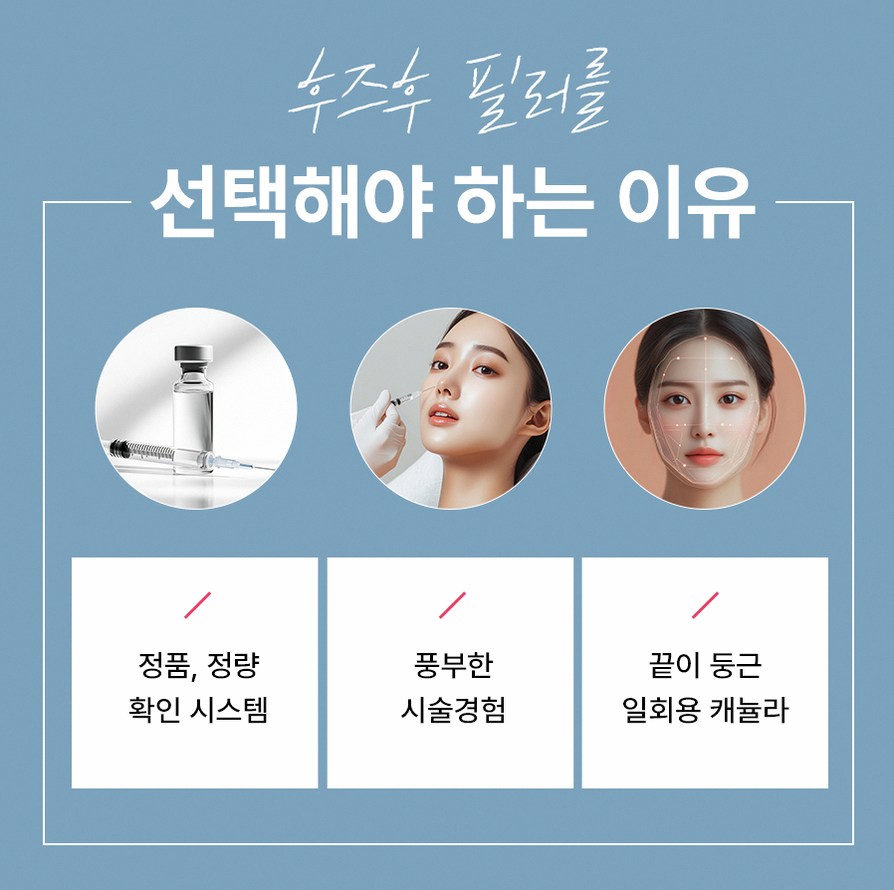
Choice of injection tool: needle vs cannula, depending on the area, desired precision, and safety considerations.
Volume and staging: how many syringes are reasonable for your face and whether to divide them over more than one session.
Expectation setting: how much improvement is realistic, how long results may last in each area, and whether maintenance treatments will be needed.
Procedure steps
On the treatment day, the process usually looks like this:
Cleansing and disinfection of the face to reduce infection risk.
Marking of key injection points and danger zones, often done while you are sitting up so the doctor can see how your face looks in a natural position.
Application of topical anesthetic cream when needed, and use of fillers that already contain lidocaine for comfort.
Layered injection technique: placing small amounts at the correct depth, building structure gradually instead of injecting large boluses.

Symmetry check: the doctor may sit you up several times during the procedure to check both sides and make fine adjustments.
Post-treatment photographs for medical records and future comparison.
Post-treatment care
After filler treatment, most patients can return to daily activities quite quickly, but some short-term care is important:
Common temporary effects: mild redness, swelling, tenderness, or small bruises at injection points. These usually improve over a few days.
Downtime: many patients feel comfortable returning to work the next day, but visible bruising can last up to one to two weeks in some cases.
Care instructions: avoid strong pressure or massage on treated areas unless the doctor instructs otherwise; avoid saunas, very hot baths, and intense exercise for one to two days; limit alcohol on the day of treatment to reduce bruising.
Warning signs: sudden severe pain, pale or dusky skin, visual changes, or intense swelling should be reported to the clinic immediately. A medical dermatology team is trained to recognize and respond to these rare events.
Safety, complications, and why expertise matters
All filler procedures carry some risk, but careful technique and strong anatomical knowledge can reduce these risks and allow quick management if a problem occurs.
Common, mild issues include:
Bruising and swelling.
Temporary asymmetry while swelling settles.
Small lumps or unevenness that may soften over time or need gentle adjustment.
More serious but rare risks include:
Infection.
Allergic-like reactions.
Vascular compromise, where filler affects blood flow in a vessel.
The key to safety is:
Detailed understanding of facial vascular anatomy so that high-risk zones are treated with extra care.
Conservative dosing and gradual correction, rather than aggressive filling.
Immediate access to a trained medical team that can recognize early warning signs and act quickly.
Because the dermatologists at Hus-hu Dermatology Clinic Dongtan have extensive experience not only with fillers but also with vascular skin conditions and laser treatments, they are familiar with managing skin circulation issues and post-procedure changes.
Natural-looking results and aesthetic philosophy
Many patients coming to Dongtan from overseas want to look refreshed and rested, not dramatically different. A natural result usually means:
Respecting your original facial structure and ethnic features.
Focusing on harmony and balance between the upper, middle, and lower face.
Using small amounts of filler in several strategic areas rather than a large quantity in one place.
A dermatology clinic that also treats acne, scars, pigmentation, and redness can design a comprehensive plan where fillers are just one part of your overall skin improvement. For example, you might combine cheek and under-eye filler with pigment laser for dark spots, or pair jawline filler with a tightening device for mild sagging.
Who may consider filler treatment
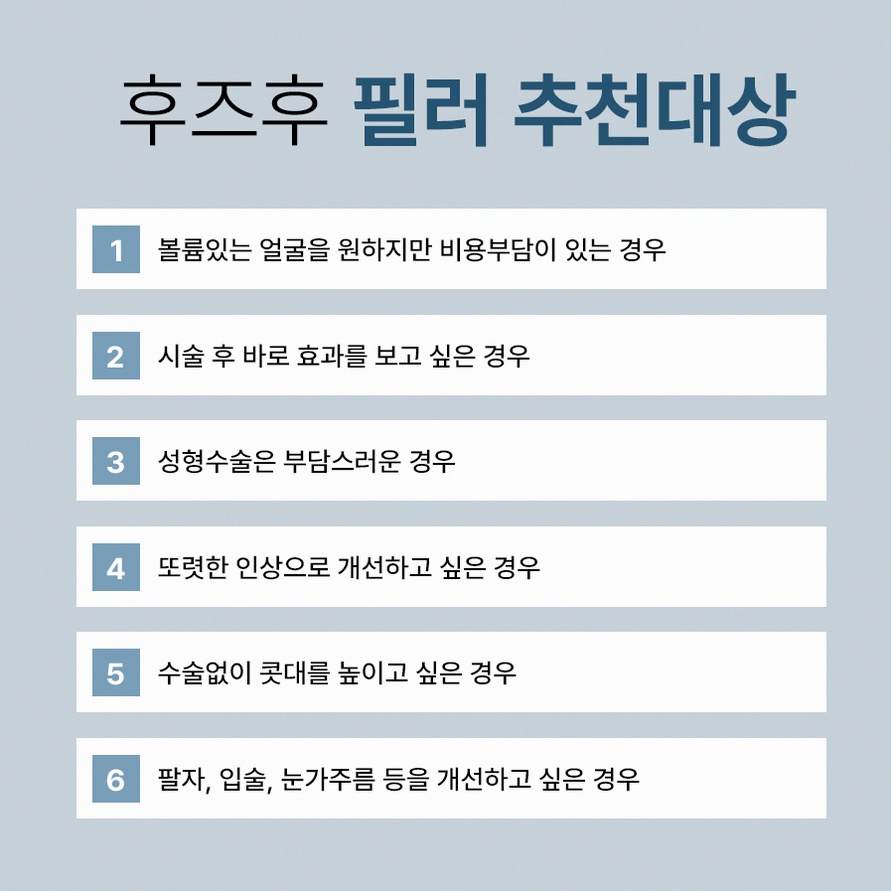
You may be a good candidate for hyaluronic acid fillers if you have:
Mild to moderate volume loss in the cheeks, under-eye hollows, nasolabial folds, or marionette lines.
A desire for subtle contouring of the nose bridge, chin, or jawline without surgery.
Depressed acne scars that do not fully respond to laser or microneedling alone.
Reasonable expectations about what fillers can and cannot achieve.
Willingness to maintain results with repeat treatments every several months to over a year, depending on area and product.
Extra caution or an alternative plan may be needed if you are pregnant or breastfeeding, have an active skin infection, have uncontrolled autoimmune disease, or have very unrealistic expectations. These situations should be discussed honestly with the dermatologist before planning any procedure.
Combining fillers with other treatments in Dongtan
In a multi-service dermatology clinic, fillers are often combined with other treatments to address several layers of aging at once.
Lifting devices: Ultrasound-based lifting, Thermage-type radiofrequency, or RF microneedling can tighten deeper tissues and improve sagging, while fillers restore volume. The order and timing should be planned so that devices do not disturb recently placed filler.
Laser and pigment treatments: Laser toning and pigment lasers can reduce dark spots, melasma, and redness, while fillers brighten shadows and contours. Scheduling is adjusted to minimize overlapping downtime.
Acne and scar programs: For patients with acne scars, a plan may include fractional lasers, RF microneedling, and selective scar filling. The dermatologist decides when to fill and when to resurface for the safest, most efficient improvement.
Skin boosters and anti-aging injections: Very superficial injections for hydration and glow can complement deeper fillers, especially in patients with fine crepey lines.
Because these combinations can be complex, a dermatologist-led plan is important to avoid over-irritation and to space treatments logically.
Preparing from overseas: online consultation and pre-visit steps
If you are planning to travel to Korea for filler treatment in Dongtan, it is helpful to prepare in advance.

Before your trip, you can usually request an online consultation. Many clinics provide this through email or a local booking platform on selected days. During this pre-consultation, you may be asked to:
Share clear photos of your face from the front and both sides, in natural light without heavy makeup.
Describe your main concerns and which areas you want to improve.
List your medical history, medications, allergies, and previous aesthetic procedures.
Ask about approximate treatment options and how many visits might be needed.
Preparing this information in advance helps the dermatologist estimate what is realistic within your travel schedule and whether any conditions need to be stabilized first.
Expected Korea visit timeline for fillers in Dongtan
While each case is different, many overseas patients follow a similar schedule when visiting a dermatology clinic such as Hus-hu Dermatology Clinic Dongtan.
Day 1: In-person consultation, skin assessment, and detailed planning. If both you and the doctor agree and there are no medical reasons to delay, filler treatment can often be done on the same day.
Day 2–3: Light swelling or bruising may appear or peak. You can usually move around the city, but you may prefer to avoid major social events during this time.
Day 4–7: Swelling typically settles, and the result becomes more natural. If your stay allows, a brief review visit can be scheduled for the dermatologist to check symmetry and healing.
Beyond 1–2 weeks: Most bruises, if any, have resolved. If you live overseas and cannot return soon, follow-up photos can be shared online.
For more complex combination plans involving multiple devices or scar programs, a longer stay or staged visits may be recommended. This should be discussed during online consultation before you book flights.

Aftercare once you return home
After you leave Korea, good aftercare continues to matter.
General guidelines include:
Avoiding strong facial massages or high-impact sports that may put pressure on treated areas for at least one to two weeks.
Protecting your skin from excessive sun exposure, especially if you also had lasers or skin boosters.
Monitoring for delayed lumps, prolonged redness, or unusual pain. If anything concerns you, contact the clinic where you were treated and also see a local doctor if needed.
Keeping a record of the product name, area treated, and date of injection. A medical dermatology clinic can usually provide this information in writing, which is very helpful for any future treatments.
Practical information about visiting a Dongtan clinic
Hus-hu Dermatology Clinic Dongtan is located in the Dongtan area of Hwaseong, Gyeonggi-do, in a medical building that is convenient for local residents and accessible from nearby cities. Treatment hours generally cover weekdays and Saturdays during the day, with one late evening day for working patients. The clinic is usually closed on Sundays and public holidays.
Online booking is available on selected days through a major local platform, which can be convenient for overseas visitors who wish to secure a consultation before arriving. Because schedules and availability can change, it is best to confirm directly with the clinic rather than relying only on third-party information.
Frequently asked questions about fillers in Dongtan
How long do hyaluronic acid fillers last in areas like nasolabial folds, under-eye, and chin?
Under-eye fillers are usually placed conservatively and may last 9 to 18 months or longer, but the visible duration varies with individual metabolism, lifestyle, and product choice. A dermatologist will advise you on expected longevity for each area and when maintenance might be appropriate.
Is there a lot of swelling or bruising after filler, and how long does it usually take to subside?
Most patients experience mild swelling and possibly small bruises at injection points. Swelling often peaks within the first 24 to 48 hours and then gradually improves over several days. Minor bruises can last up to one to two weeks but can usually be covered with makeup after the first day or two, depending on the area. Choosing an experienced injector and following aftercare instructions helps reduce and manage these temporary effects.
Can fillers be reversed if I do not like the result?
If a hyaluronic acid filler was used, it can often be adjusted or dissolved with an enzyme called hyaluronidase. This is one reason many dermatology clinics prefer hyaluronic acid products, especially for first-time patients or high-risk areas. However, dissolving filler is still a medical procedure with its own risks and should be done by a qualified doctor after careful assessment.

How is a dermatology clinic different from a general aesthetic shop for filler injections?
A medical dermatology clinic is led by dermatologists who have completed specialist training and are licensed to diagnose and treat skin diseases as well as perform aesthetic procedures. They can evaluate underlying conditions, manage complications, and coordinate fillers with lasers, lifting devices, and medical treatments. In contrast, a general aesthetic shop may focus mainly on the cosmetic aspect without the same depth of medical training or diagnostic capability.
How soon can I combine fillers with laser or lifting treatments?
The timing depends on the type of laser or device and the area treated. Some gentle pigment or toning lasers can be done in the same overall treatment course, while stronger resurfacing or lifting procedures may be scheduled before or several weeks after filler. A dermatologist will design a schedule that minimizes interference between treatments and reduces the risk of irritation or filler displacement.
What should I tell my doctor before getting fillers?
You should inform your doctor about all medications and supplements you take, especially blood thinners, aspirin, or high-dose fish oil, as these can increase bruising. Mention any allergies, autoimmune conditions, history of cold sores, previous fillers or surgery, and any upcoming important events. Clear communication helps the dermatologist choose the safest approach and time your treatment appropriately.
Soft call to action for international patients
If you are considering hyaluronic acid fillers in the Dongtan area and want a medically grounded, natural-looking result, arranging an online consultation with a dermatology clinic such as Hus-hu Dermatology Clinic Dongtan can be a helpful first step. By sharing photos, medical history, and your goals in advance, you and the doctor can plan a realistic, safe schedule for your visit to Korea.
Rather than choosing a clinic based only on price or social media images, take time to review the doctors’ qualifications, consultation style, and safety systems. A careful, anatomy-based approach is the most important factor in achieving subtle, harmonious results that fit your face and your lifestyle as an international patient.

- 공유 링크 만들기
- X
- 이메일
- 기타 앱


댓글
댓글 쓰기