Dongtan acne dermatology clinic recommendation for overseas patients
- 공유 링크 만들기
- X
- 이메일
- 기타 앱

Direct answer summary
If you are searching for a Dongtan acne dermatology clinic recommendation as an overseas patient, you are usually looking for three things: help with persistent breakouts, a way to prevent or improve acne scars, and a clinic that explains treatment clearly in a safe medical setting. In Dongtan New Town, Hus-hu Dermatology Clinic Dongtan is a dermatology clinic that focuses on medical acne care and acne scar management, using laser and energy devices together with medication and medical skincare. This article explains how such a clinic approaches acne, how to choose a trustworthy place, and what an international patient can expect when planning a visit to Korea.
Why acne care belongs in a dermatology clinic
Mild, occasional pimples can sometimes settle with simple skincare. However, when acne is frequent, painful, or leaving marks, it is safer to be evaluated in a dermatology clinic rather than relying only on over-the-counter products.
In teenagers, early treatment can reduce the chance of permanent scarring. In adults, especially those with hormonal or stress-related acne, breakouts can be stubborn and require a combination of medical and procedural care. A clinic-based approach is also important for people who already see early scars, enlarged pores, or dark spots where pimples used to be.
A dermatology clinic can distinguish between different types of acne, acne-like conditions such as rosacea, and other skin diseases that may look similar. This helps avoid unnecessary irritation from unsuitable products and focuses on treatments that have been studied and used in medical practice.
What makes a good acne dermatology clinic in Dongtan
When you search for a Dongtan acne dermatology clinic recommendation, it helps to have clear criteria. These points are useful whether you live in Dongtan or are visiting from overseas.
First, look for board-certified dermatologists who personally see acne patients and design the treatment plan, rather than leaving decisions only to assistants. At this dermatology clinic, two board-certified dermatologists lead the practice. One representative doctor previously served as head of dermatology at the medical office of the Presidential residence in Seoul and placed first in the first-stage national dermatology board exam, which suggests a high level of training and careful clinical judgment.
Both representative doctors graduated from Kyung Hee University School of Medicine and have worked as outpatient dermatology faculty at Kyung Hee University Medical Center. This background supports the idea that university-hospital standards are applied to private clinic treatment. One doctor also completed training at the UCI Beckman Laser Institute, which is relevant for laser-based acne and acne scar procedures.
Second, check whether the clinic has experience with both active acne and acne scars. Many patients need to calm ongoing breakouts and also improve texture, pores, and old marks. This dermatology clinic offers a dedicated acne program with an “acne all-kill” concept, photodynamic therapy (PDT) for inflammatory acne, and a pore and scar program using fractional lasers, RF microneedling, and scar fillers.
Third, consider the range of treatment options. A well-prepared acne clinic usually combines topical and oral medication, medical facials or medical skincare, PDT, laser toning for redness or pigmentation, and devices such as fractional lasers and RF microneedling for scars. The more complete the line-up, the easier it is to customize treatment instead of pushing a single procedure for everyone.
Finally, look for evidence-based protocols and clear explanations. Both representative doctors at this dermatology clinic are members of major Korean and American dermatology societies, including acne-related and laser-related societies. This implies that their treatment plans are influenced by current academic guidelines rather than trends alone. During consultation, a trustworthy clinic should explain the diagnosis, the steps of treatment, approximate number of sessions, and realistic expectations.
Overview of acne and acne scar treatment at this dermatology clinic
This dermatology clinic in Dongtan New Town focuses on medical acne care and acne scar management, using a structured approach rather than one-time cosmetic procedures.
For active acne, the clinic offers a dedicated acne program that can include topical and oral medications, medical skincare, and in-clinic procedures. PDT (photodynamic therapy) is used for inflammatory or recurrent acne. It involves applying a photosensitizing agent to the skin and then activating it with a specific light source to reduce oil gland activity and acne-causing bacteria.
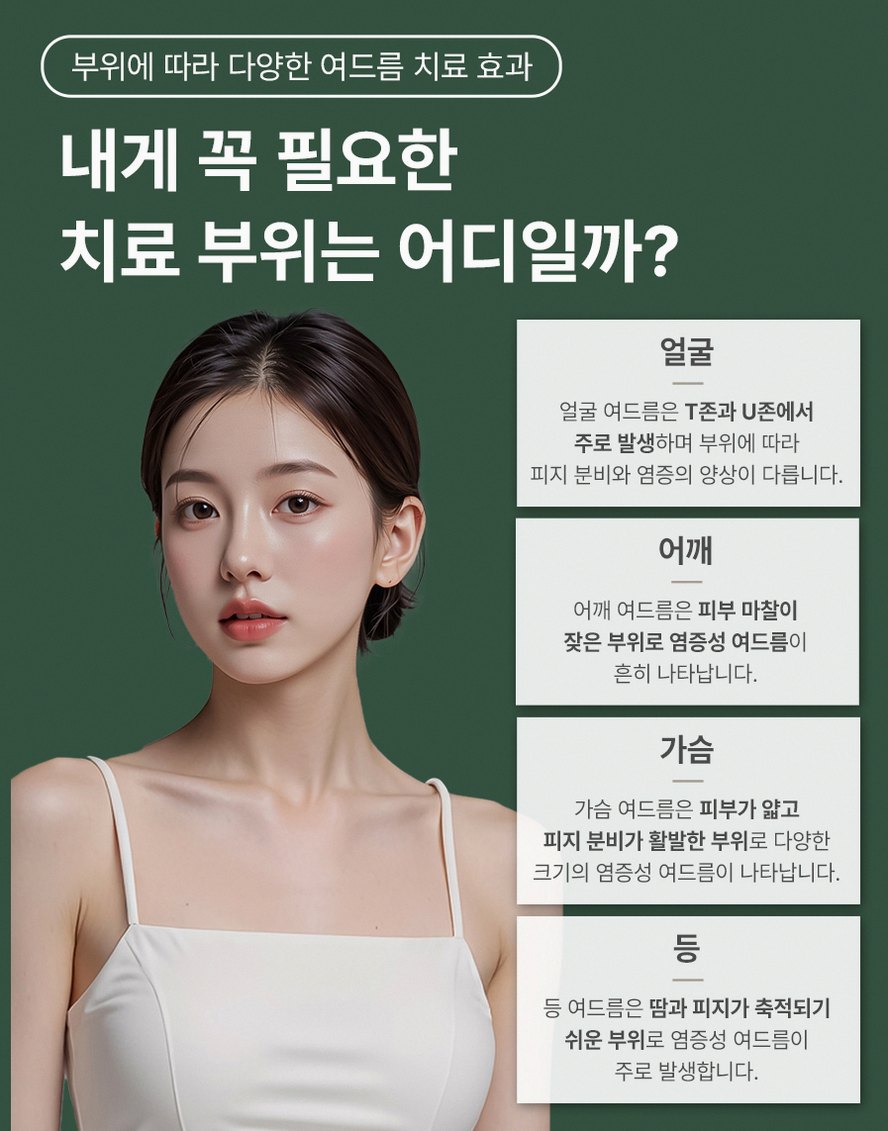
For resistant or complex cases where acne is mixed with redness, the clinic uses gold-based PTT (photothermal therapy) and other energy devices. These can be options when standard care alone is not enough or when there is significant facial redness together with acne.
For pores and scars, the clinic runs a dedicated program using fractional lasers such as Pro Fraxel-type devices, RF microneedling (Secret RF), and scar fillers. These tools are selected and combined depending on the depth and type of scars, skin sensitivity, and whether active acne is still present.
There is also an online before-and-after gallery for acne, facial redness, pigmentation, and scars that can be viewed after member login. This allows patients to see realistic examples of improvement rather than relying only on written descriptions.
Who may consider acne treatment in Dongtan as an overseas patient
International patients may consider visiting Dongtan for acne treatment in several situations.
You may be a teenager or young adult with frequent breakouts that are not controlled with regular skincare and basic over-the-counter products. Early clinic-based care can help reduce inflammation and the risk of scars.
You may be an adult with hormonal, stress-related, or mask-related acne that flares repeatedly, especially on the lower face and jawline. In these cases, a combination of oral medication, PDT, and medical skincare can be more effective than cosmetic facials alone.
You may already have visible acne scars, enlarged pores, or uneven texture that bothers you in photos or under certain lighting. Fractional lasers, RF microneedling, and scar fillers can gradually improve these concerns over multiple sessions.
Finally, you may have tried various treatments in your home country but still experience resistant acne or redness. In such cases, a clinic that uses gold-based PTT, PDT, and multiple scar devices under dermatology supervision can offer a more tailored approach.
Typical treatment flow at a specialized acne clinic
When you visit a specialized acne dermatology clinic, the process usually follows several steps.
First consultation and skin assessment
The first visit focuses on understanding your skin and medical history. The dermatologist will usually ask when your acne started, what makes it worse, what treatments you have tried, and whether you have any medical conditions or are taking other medications. They will examine your skin type, the type of acne lesions (whiteheads, blackheads, papules, pustules, nodules), and check for existing scars, enlarged pores, and pigmentation.
Based on this, they will distinguish between inflammatory acne, comedonal acne, hormonal patterns, and acne-like conditions such as rosacea. This step is important because treatment differs for each pattern.
Medical treatment options
Topical medications such as retinoids, benzoyl peroxide, and topical antibiotics are often used for mild to moderate acne or as part of a combined plan. They help to normalize skin cell turnover, reduce clogged pores, and control bacteria.
Oral medications may be added for moderate to severe acne or for cases that have not responded well to topical treatment alone. These can include oral antibiotics for a limited period, isotretinoin for severe or scarring acne, and hormonal options in suitable patients. The choice depends on age, gender, severity, and medical history, and requires careful monitoring.
In-clinic procedures
PDT (photodynamic therapy) is considered for inflammatory, recurrent, or treatment-resistant acne. A photosensitizing solution is applied to the skin and allowed to absorb, then activated with a specific light source. This process can reduce oil gland activity and bacteria, helping to control flare-ups.
Medical extractions and gentle procedures are sometimes used to remove comedones (blackheads and whiteheads) in a controlled way, reducing the risk of scarring compared with aggressive self-extraction at home.
Laser or energy-based treatments can be added to target redness and post-inflammatory marks once active inflammation is under better control. These may also be integrated into a scar program when appropriate.
Combination of home care and clinic sessions
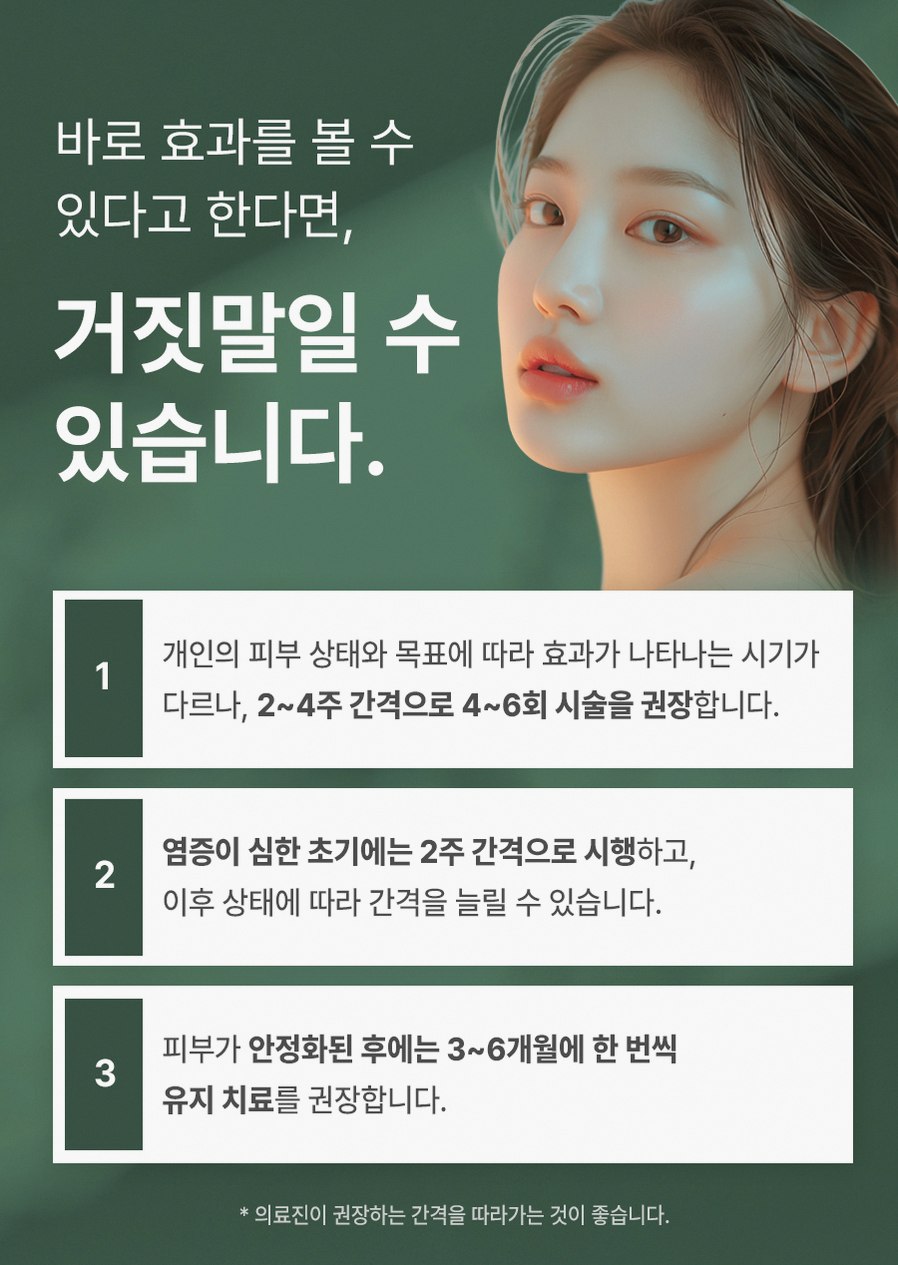
Acne treatment is rarely a one-time procedure. It usually involves daily home care with prescribed products and regular visits for in-clinic procedures over several weeks or months. A good clinic will adjust the plan based on how your skin responds, rather than keeping the same schedule regardless of progress.
Acne scar and pore treatment options in Dongtan
Active acne and acne scars are related but require different tools. Active acne involves ongoing inflammation and clogged pores, while scars are structural changes in the skin that remain after inflammation has healed.
Common acne scar types include icepick scars (narrow, deep pits), boxcar scars (wider, with more defined edges), and rolling scars (wavy, shallow depressions). Enlarged pores and rough texture often appear together with these scars.
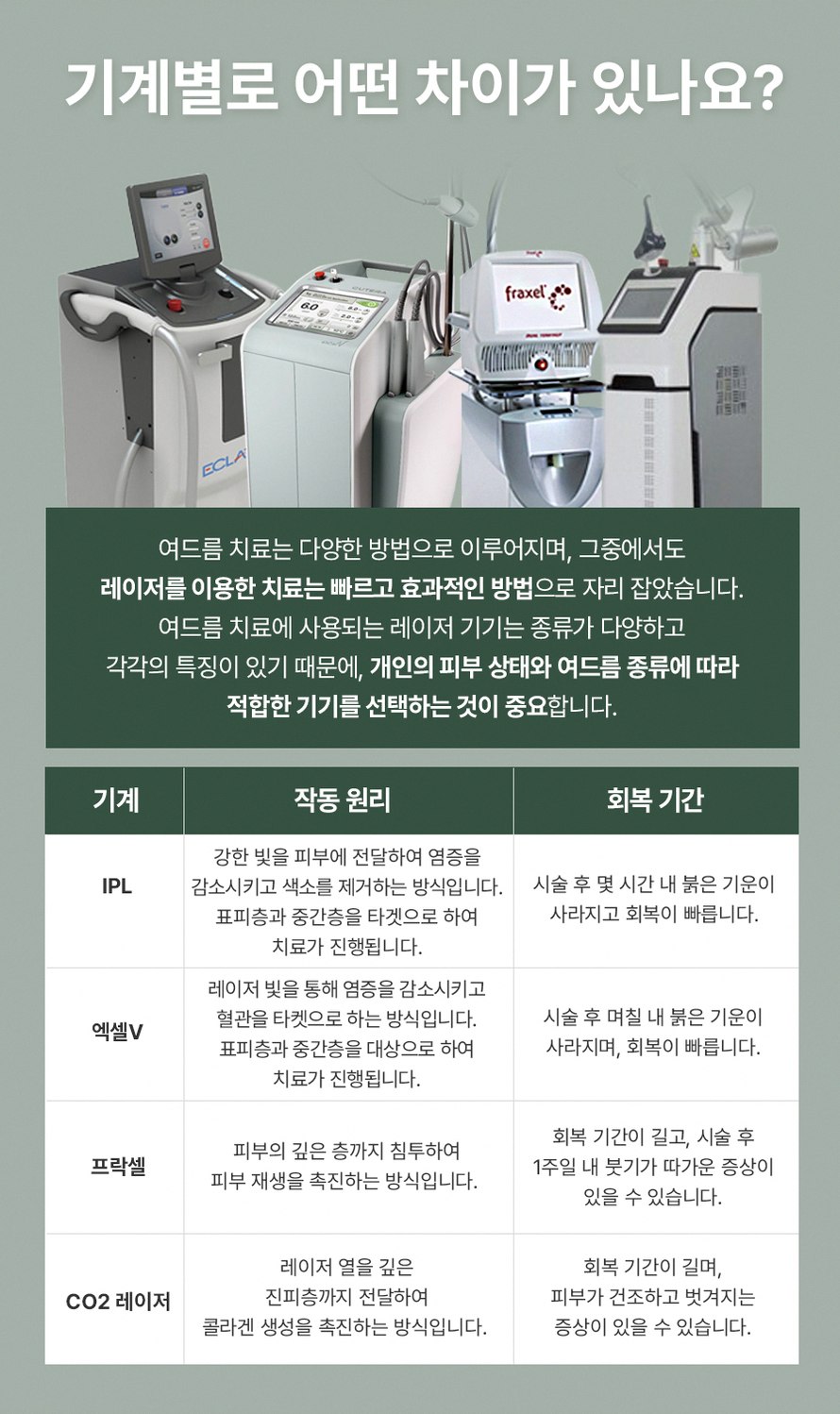
Fractional lasers, such as Pro Fraxel-type devices, create tiny columns of controlled injury in the skin, stimulating collagen remodeling while leaving surrounding tissue intact. They are often used for overall texture improvement and shallow to moderate scars.
RF microneedling, such as Secret RF, uses fine needles to deliver radiofrequency energy into the deeper layers of the skin. This can be helpful for deeper scars and for tightening enlarged pores. Because the energy is delivered beneath the surface, it can be suitable for various skin types when parameters are chosen carefully.
Scar fillers may be used for specific depressed scars that do not respond fully to lasers or RF alone. By lifting the base of the scar, fillers can make the surface appear smoother. This is often combined with other treatments rather than used alone.
This dermatology clinic runs a dedicated pore and scar program that combines fractional lasers, RF microneedling, and scar fillers according to scar depth, distribution, and skin sensitivity. Treatment is usually spread over several sessions with appropriate intervals to allow healing and collagen remodeling.
Safety, pain control, and downtime
Safety and comfort are important when using lasers and energy devices, especially for patients traveling from overseas.
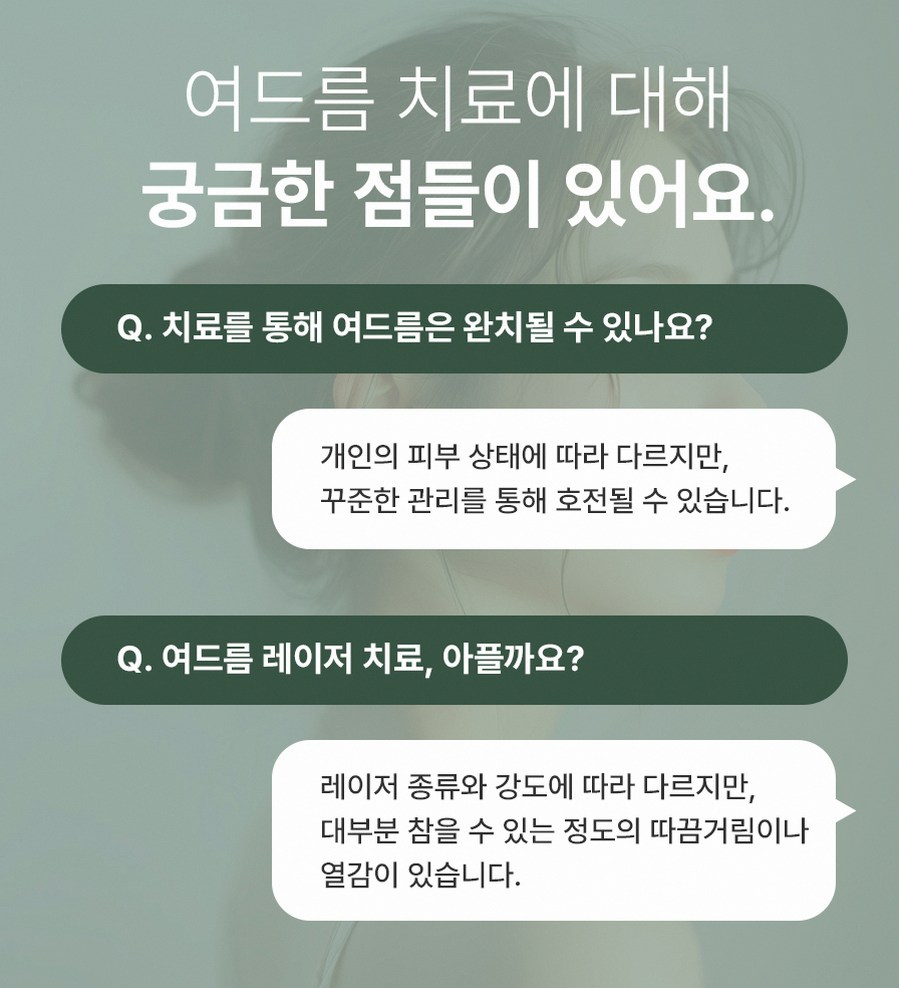
Pain control is usually managed with topical anesthetic creams applied before procedures, cooling during and after treatment, and careful control of device parameters. Most acne and scar procedures cause some level of heat or prickling sensation, but these measures help keep discomfort tolerable.
Downtime depends on the type and intensity of treatment. Mild procedures may cause only temporary redness, while stronger fractional laser or RF sessions can lead to several days of redness, swelling, and mild flaking. A dermatology clinic will explain expected downtime in advance so you can plan your schedule.
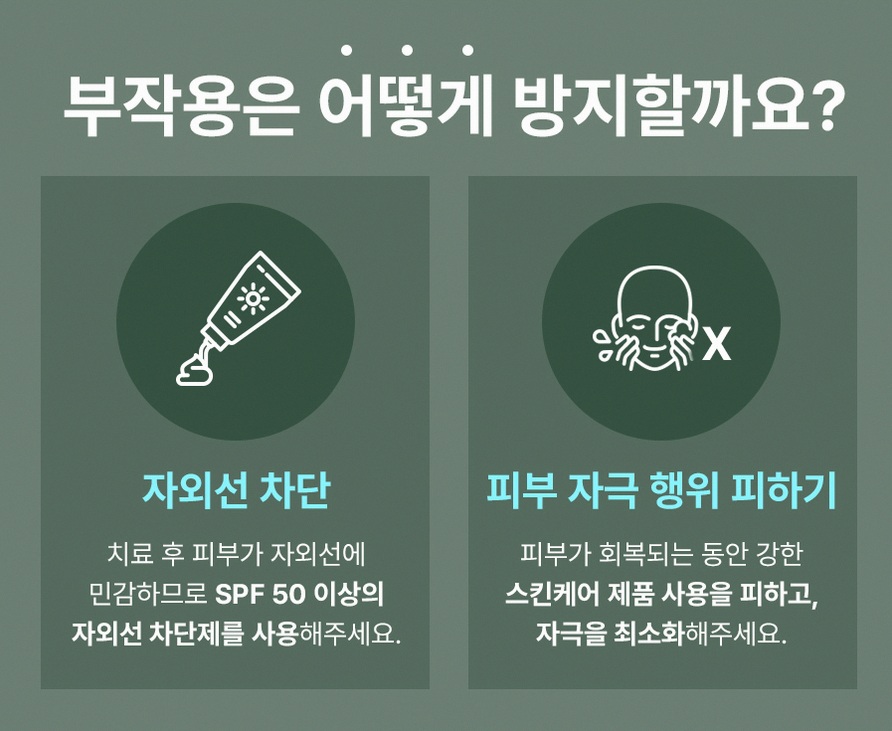
Proper intervals between sessions are important to avoid over-treatment and to allow the skin to recover. Sun protection after procedures is essential to reduce the risk of post-inflammatory pigmentation, especially in Asian skin types that are more prone to darkening.
Because board-certified dermatologists are familiar with how different skin types react, they can adjust settings and treatment plans based on your skin tone, medical history, and any previous reactions to procedures.
Location and convenience for Dongtan residents and visitors
Hus-hu Dermatology Clinic Dongtan is located on the 3rd floor of a commercial building on Dongtan-daero Sibeom-gil in Dongtan New Town, Hwaseong, Gyeonggi-do. This makes it convenient for residents of Dongtan 2 New Town and nearby apartment complexes, as well as for visitors staying in the area.
The clinic operates without a lunch break on weekdays and Saturdays, which can be helpful if you have a tight schedule. There are extended evening hours on Fridays, allowing students and office workers to receive acne treatment after work or school.
Online reservation via a major portal is available on specific weekdays, currently Wednesday and Thursday, which is convenient for busy acne patients and overseas visitors who want to secure a time slot before arriving in Korea.
Online consultation and pre-visit preparation for overseas patients
If you are planning to travel to Korea for acne or acne scar treatment, an online consultation before your trip can be very useful.
Before contacting the clinic, prepare clear photos of your skin in good lighting, taken from the front and both sides. If possible, include images during a flare-up and when your skin is relatively calm. Make a list of your current skincare products, prescription medications, and any previous acne treatments, including oral isotretinoin, lasers, or peels.
During online consultation, you can ask about suitable treatment options for your case, approximate number of visits needed, and how long you should stay in Korea to complete a basic course of treatment. It is also helpful to ask about downtime so you can plan sightseeing or work around recovery days.
This dermatology clinic publishes information about non-reimbursed prices and offers online consultation, which can help you plan your budget and schedule realistically before booking flights.
Expected Korea visit timeline for acne and scar treatment
The ideal visit length depends on whether your main focus is active acne control, scar treatment, or both.
For active acne control only, some patients schedule an initial consultation and first procedure (such as PDT or medical skincare) in the same week, followed by a second session one or two weeks later. If you can stay for two to three weeks, you may complete the first stage of treatment and receive a home-care plan and prescriptions to continue after you return home.
For acne scars and pores, meaningful improvement usually requires multiple sessions spaced several weeks apart. If you can visit Korea repeatedly, your dermatologist may plan fractional laser or RF microneedling sessions every four to eight weeks. If you are visiting only once for a short period, the clinic can still perform one or two sessions and provide guidance on how to continue care in your home country, but expectations should remain realistic.
For combined acne and scar management, the first priority is usually to stabilize active acne. This may take several weeks of medication and gentle procedures before stronger scar treatments are started. If your travel schedule is short, your dermatologist may focus on calming inflammation and planning future scar treatment for a later visit.
Aftercare and long-term management
After each procedure, you will receive detailed aftercare instructions. These generally include gentle cleansing, generous moisturization, and strict sun protection with a broad-spectrum sunscreen. You may be advised to avoid hot baths, saunas, and intense exercise for a short period after certain treatments.
Makeup may be restricted for one or two days after some procedures, especially after fractional laser or RF microneedling, to reduce the risk of irritation or infection. Your dermatologist will specify when you can return to normal routines.
Long-term acne control usually involves maintaining a suitable skincare routine, avoiding harsh scrubs, and continuing topical medications or oral treatments as advised. Regular follow-up, whether in person or via online consultation, helps adjust the plan if your skin or lifestyle changes.
Practical checklist for choosing an acne clinic in Dongtan
When comparing acne clinics in Dongtan, it may help to use a simple checklist.
Check that board-certified dermatologists are present and directly involved in acne and scar treatment decisions.
Confirm that the clinic treats both active acne and scars, with access to medications, PDT, fractional lasers, RF microneedling, and scar fillers.
Ask how they differentiate between acne types and whether they follow evidence-based guidelines.
Request a clear explanation of the proposed treatment steps, estimated number of sessions, possible side effects, and realistic goals.
Review any available online before-and-after gallery, keeping in mind that individual results vary.
For overseas patients, ask how many visits are recommended, how long to stay in Korea, and what can be continued at home.
Frequently asked questions
How long does it usually take to see improvement in acne at a dermatology clinic?
Many patients notice some improvement in inflammation within a few weeks of starting proper medical treatment, especially when topical and oral medications are combined with in-clinic procedures like PDT or medical skincare. However, more stable control of acne often takes several months, and scar improvement takes even longer. The exact timeline depends on severity, skin type, and how consistently you follow the recommended plan.
When should I move from simple acne care to scar treatment?
Scar-focused treatments such as fractional lasers, RF microneedling, and scar fillers are usually started after active inflammation is reasonably controlled. If you still have many painful, red pimples, your dermatologist will likely focus first on calming these to reduce the risk of new scars. Once breakouts are milder and less frequent, attention can shift to improving texture, pores, and old marks. Your doctor will guide the timing based on how your skin responds.
Is PDT necessary for all acne patients, or who is it best suited for?
PDT is not necessary for every acne patient. It is often considered for inflammatory, recurrent, or treatment-resistant acne, especially when oiliness is pronounced or when patients want to reduce reliance on oral antibiotics. For mild comedonal acne, topical treatments and basic procedures may be enough. A dermatologist will assess whether PDT is appropriate for your skin type, acne pattern, and lifestyle.
How many sessions of fractional laser or RF microneedling are typically needed for acne scars?
Acne scar treatment usually requires multiple sessions. Many patients undergo three to five or more sessions of fractional laser or RF microneedling, spaced several weeks apart, to see noticeable texture improvement. The exact number depends on the depth and type of scars, skin sensitivity, and how aggressive each session can safely be. Your dermatologist will discuss a realistic plan during consultation.

Can I continue makeup and exercise during acne treatment?
In general, light, non-comedogenic makeup can be used during acne treatment, but you may be asked to avoid makeup for a short period after certain procedures, especially fractional laser or RF microneedling. Exercise is usually fine, but intense workouts and heavy sweating may be restricted for one or two days after some treatments to reduce irritation. Your dermatologist will give specific instructions based on the procedures you receive.
Soft call to action for online consultation
If you are an overseas patient considering acne or acne scar treatment in Dongtan New Town, an online consultation with this dermatology clinic can help you understand which options may suit your skin, how many visits you might need, and how to coordinate your travel schedule. You can prepare photos, treatment history, and questions in advance so that your consultation time is used efficiently. By discussing your goals and constraints clearly, you and the dermatologist can build a realistic, step-by-step plan before you arrive in Korea.
For patients in Dongtan and nearby areas, the convenient location on Dongtan-daero Sibeom-gil, continuous weekday and Saturday hours without a lunch break, and extended Friday evenings make it easier to fit acne care into a busy routine. If you are looking for a Dongtan acne dermatology clinic recommendation that combines medical acne care, scar-focused devices, and structured programs, you may consider contacting Hus-hu Dermatology Clinic Dongtan to explore your options.

- 공유 링크 만들기
- X
- 이메일
- 기타 앱


댓글
댓글 쓰기