Dongtan psoriasis review and what to expect at a dermatology clinic
- 공유 링크 만들기
- X
- 이메일
- 기타 앱

Introduction
Psoriasis is a long-term inflammatory skin disease, so it is natural to be cautious before choosing where to go, especially if you are considering treatment while visiting Korea.
In Dongtan, Hwaseong, Gyeonggi-do, there are dermatology clinics where board-certified dermatologists focus on chronic skin diseases such as psoriasis. Hus-hu Dermatology Clinic Dongtan is one example of a local clinic where psoriasis is evaluated and treated by dermatologists with university-hospital training and specific interest in psoriasis and related pigment disorders.
This guide explains what psoriasis is, what professional care in Dongtan usually involves, what typical patient experiences look like, and how overseas patients can prepare for a visit to a dermatology clinic in Korea.
Short answer for people searching “Dongtan psoriasis review”: many patients notice reduced itching and scaling within a few weeks with a tailored plan, clearer plaques over several months, and better long-term control when they keep regular follow-up.
Patients who receive structured psoriasis care in a Dongtan dermatology clinic generally describe three main changes. First, itching and scaling often decrease within a few weeks when they follow a tailored treatment plan. Second, visible plaques on the scalp, elbows, or knees usually become thinner and less noticeable over several weeks to months. Third, many feel less anxious once they have a clear long-term plan and regular follow-up with a dermatologist who understands psoriasis.
Psoriasis is chronic, so flare-ups can still happen. However, with proper diagnosis, individualized treatment, and ongoing monitoring, most patients experience better control of symptoms and improved quality of life compared with self-care alone.
Understanding psoriasis as a chronic skin disease
Psoriasis is a chronic inflammatory skin disease. It typically appears as red, raised patches covered with silvery-white scales. Common areas include the scalp, elbows, knees, lower back, and trunk. In some people, it also affects the nails and joints.
Typical symptoms that lead people in Dongtan to search online include persistent red patches that do not go away, silvery scales that flake onto clothing, intense itching, and sometimes cracking or bleeding skin. Nail changes such as tiny pits, thickening, or separation from the nail bed can also be signs of psoriasis. Some patients notice joint pain, stiffness, or swelling, which may suggest psoriatic arthritis.
Psoriasis often flares and improves in cycles. It is not simply “dry skin” and it is not contagious. Because it is related to the immune system and inflammation, it can be linked with other health issues such as obesity, metabolic problems, or joint disease. This is why professional assessment by a dermatologist is important.
What psoriasis patients usually worry about
Many people feel embarrassed by visible plaques on the scalp, forehead, hands, or arms. White flakes on dark clothing, red patches on the neck, or thick scales at the hairline often cause stress in social or work situations. Some patients avoid short-sleeved clothing, swimming pools, or social gatherings because they are worried others will stare or misunderstand the condition.
Itching is another major concern. Night-time itching can disturb sleep, leading to fatigue, irritability, and difficulty concentrating at work or school. When plaques crack or bleed, even simple activities like showering or exercising can be uncomfortable.
Patients also worry that psoriasis will “never get better” or that strong medications will cause serious side effects. Many people arrive at a dermatology clinic after months or years of trying over-the-counter creams, herbal products, or home remedies that gave only short-term relief. They are often unsure whether they need professional treatment or whether their condition is “severe enough” to see a dermatologist.
Triggers and aggravating factors
Psoriasis can be influenced by several triggers and lifestyle factors. Common aggravating factors include stress, infections such as sore throat, certain medications, alcohol, smoking, obesity, and skin irritation from scratching or harsh products. Seasonal changes, especially cold and dry weather, can also worsen symptoms.
A dermatologist will usually ask about your work environment, recent illnesses, stress level, and daily habits. Understanding your personal triggers helps to design a treatment plan that is realistic and easier to maintain.
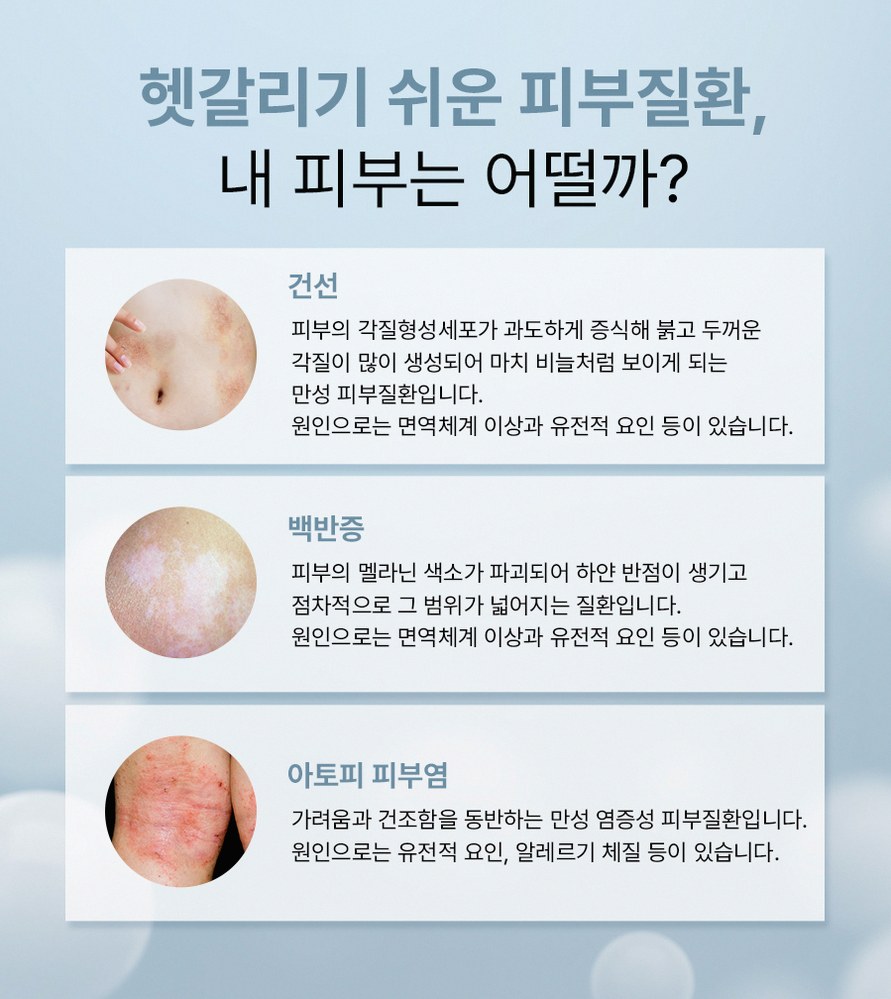
Why professional diagnosis in Dongtan matters
Psoriasis can sometimes look similar to other skin problems. Eczema, fungal infections, and simple dry skin may all cause redness and scaling. However, their causes and treatments are different.
In a dermatology clinic, board-certified dermatologists examine the skin carefully to distinguish psoriasis from other conditions. They look at the shape and borders of plaques, the type of scale, and the pattern of distribution on the body. They also check the scalp, nails, and joints.
Professional diagnosis is important for several reasons. First, it prevents inappropriate self-treatment, such as using strong steroid creams for too long on delicate areas. Second, it allows the dermatologist to assess severity and body surface area involved, which guides the choice between topical treatment, phototherapy, or systemic medication. Third, it helps identify whether there is nail or joint involvement that might require additional evaluation.
How a specialized dermatology clinic evaluates psoriasis
At a Dongtan dermatology clinic with a focus on psoriasis, the first visit usually follows a structured process.
During the consultation, the dermatologist takes a detailed medical history. Typical questions include when your skin changes started, whether anyone in your family has psoriasis or other autoimmune diseases, what treatments you have tried, and which triggers you have noticed. They may also ask about other health conditions, medications, smoking and alcohol habits, and recent infections or major life stress.
Next, there is a full skin examination. The dermatologist checks not only the most obvious plaques but also the scalp, behind the ears, nails, and less visible areas such as the lower back. They look for nail pitting, thickening, or discoloration, and they ask about joint pain, stiffness, or morning stiffness that could suggest psoriatic arthritis.
The dermatologist then assesses severity. This is based on factors such as how much of your body surface is involved, how thick and inflamed the plaques are, and how much the condition affects your daily life, work, sleep, and mood. Patients are often categorized as having mild, moderate, or severe psoriasis. This classification helps to choose an appropriate treatment strategy.
In some cases, especially when the diagnosis is unclear, a small skin biopsy may be suggested. However, many typical cases of psoriasis can be diagnosed clinically without invasive tests.
The role of dermatologists with psoriasis expertise
In Dongtan, some dermatologists are board-certified and have additional roles such as membership in the national psoriasis society and vitiligo society, or teaching positions at university medical centers. This background usually means they are familiar with up-to-date guidelines and research on psoriasis, as well as related conditions like vitiligo and atopic dermatitis.

For patients, this can translate into a more comprehensive approach. Instead of focusing only on the visible plaques, the dermatologist considers the whole picture: skin, nails, joints, general health, and emotional impact. They are also more likely to adjust treatment over time, rather than giving a single prescription and leaving the rest to chance.
Treatment overview: common options for psoriasis
Treatment is individualized; clinicians aim to use the minimum needed to control symptoms and limit side effects. Main modalities include:
- Topical therapies (steroids, vitamin D analogues, emollients) for localized or mild disease.
- Phototherapy (narrowband UVB, excimer) for more extensive or treatment-resistant plaques.
- Systemic treatments (oral agents and biologics) for moderate to severe disease or when multiple areas are affected.
- Lifestyle and adjunctive measures (regular moisturizing, trigger avoidance, stress management, and smoking/alcohol counseling) to support medical treatment and reduce flares.
Psoriasis treatment is always individualized. The goal is not only to clear or reduce plaques but also to maintain control with the least amount of medication necessary for your situation. In a Dongtan dermatology clinic, treatment plans are usually built from several components.
Topical treatments
For many patients with mild to moderate psoriasis, topical therapy is the first step. Common options include corticosteroid creams or ointments to reduce inflammation and itching, vitamin D analogues to help normalize skin cell growth, and combination products that include both. For thick, scaly plaques, keratolytic agents may be used to soften and remove scales so that other medications can penetrate better.
Topical treatments are applied directly to affected areas, often once or twice daily. The dermatologist will explain where to use stronger products and where to use milder ones, such as on the face, skin folds, or genital area. Correct use is important to balance effectiveness with safety, especially for long-term management.
Phototherapy
For more widespread psoriasis, or when topical treatments alone are not enough, phototherapy may be recommended. This is a medically supervised treatment using controlled ultraviolet light. Sessions are usually performed several times per week over a period of weeks.
Phototherapy is different from unprotected sun exposure. The dose and wavelength are carefully measured, and the skin is monitored regularly for response and side effects. It can be a useful option for patients who prefer to avoid or delay systemic medications, or for those with specific patterns of psoriasis.
Systemic therapy
When psoriasis is moderate to severe, covers large areas, or involves the joints, systemic therapy may be considered. This includes oral or injectable medications that work on the immune system. These treatments can be very effective but require careful monitoring with blood tests and regular follow-up.
A dermatologist with psoriasis expertise will explain the potential benefits and risks in detail, taking into account your age, other health conditions, and travel plans if you are visiting from overseas. Not every patient needs systemic therapy, and some may move in and out of systemic treatment depending on disease activity.
Adjunctive care and lifestyle guidance
Whatever the main treatment, supportive care is essential. Regular use of moisturizers helps reduce dryness and itching and can improve the effectiveness of other treatments. Gentle scalp care, appropriate shampoos, and nail care techniques are also discussed.

Lifestyle guidance often includes stress management strategies, advice on weight control, support for smoking cessation, and moderate alcohol use. Because stress and metabolic factors can aggravate psoriasis, these changes can make a noticeable difference over time.
Who may consider psoriasis care in Dongtan
Psoriasis care in Dongtan can be suitable for several types of patients.
Local residents in Dongtan or nearby areas who have persistent red, scaly patches that do not improve with basic moisturizers or over-the-counter creams should consider visiting a dermatology clinic. This is especially important if the condition affects sleep, work, or social life.
Overseas patients living in Korea for work or study may prefer a clinic in Dongtan rather than traveling into central Seoul. For them, having board-certified dermatologists with university-hospital training in a local setting can be convenient and reassuring.
Medical tourists who plan a short visit to Korea can also receive psoriasis evaluation and initial treatment planning in Dongtan. However, systemic or long-term therapies require ongoing monitoring, so coordination with doctors in the patient’s home country is important.
Review-style overview: what patients often report after starting care
While individual experiences vary, certain patterns are commonly reported by psoriasis patients who start structured treatment at a dermatology clinic.
In the early phase, during the first few weeks, many patients notice that itching decreases and scaling becomes less intense when they apply topical treatments as instructed. Sleep can improve as night-time itching calms down. Plaques usually do not disappear overnight, but they often begin to feel softer and less raised.
In the medium term, over several weeks to a few months, plaques on visible areas such as the hands, arms, and scalp line often become thinner and less red. Patients frequently mention feeling more comfortable wearing short sleeves or darker clothing again. Those who receive phototherapy or systemic treatment may see more rapid changes, but even then, the process is gradual.

In the long term, patients learn that psoriasis is chronic and can flare again, especially during stress, illness, or seasonal changes. However, they also learn that flare-ups can often be managed earlier and more effectively than before. Many appreciate having a consistent dermatologist who remembers their history, understands which treatments they tolerate well, and adjusts therapy based on life events such as travel, exams, or job changes.
What may distinguish a Dongtan dermatology clinic for psoriasis care
In Dongtan, some dermatology clinics are staffed by board-certified dermatologists who trained at major university medical centers and continue to serve as outpatient faculty in dermatology. This background can bring university-hospital level standards into a local clinic environment.
One representative doctor may be an active member of the national psoriasis society and vitiligo society, indicating particular interest and experience in psoriasis and related pigment disorders. This can be helpful when distinguishing psoriasis from conditions such as vitiligo, or when managing patients who have more than one chronic skin disease.
These clinics typically emphasize direct consultation with the dermatologist rather than relying mainly on assistants. For psoriasis patients, this means more time to discuss concerns about long-term medication, pregnancy plans, work schedules, and other personal factors that influence treatment choices.
Because many psoriasis patients also have other skin concerns such as acne, rosacea, or pigment issues, having integrated care in one place can be convenient. The dermatologist can prioritize which condition to address first and choose treatments that do not worsen other problems.
Online consultation and pre-visit preparation for overseas patients
If you are an overseas patient considering psoriasis care in Dongtan, an online consultation before your trip can be very useful. Many clinics offer email or messaging-based pre-consultation, sometimes with photo review.
Before contacting the clinic, prepare clear photos of your skin in good lighting, showing both close-up details and the overall distribution of plaques. Include photos of your nails and any areas that bother you the most. If you have had severe flares in the past but are currently improved, older photos can help the dermatologist understand your full disease pattern.
Make a list of all medications and supplements you are currently taking, including any previous psoriasis treatments, even if they did not work well. Note any side effects you experienced. Also write down your medical history, including high blood pressure, diabetes, liver or kidney problems, and any previous surgeries.

For the online consultation, it is helpful to share your travel dates, how long you will stay in Korea, and whether you can return for follow-up visits. This allows the dermatologist to suggest a realistic plan, focusing on treatments that can be safely started and then continued or monitored in your home country.
Expected Korea visit timeline for psoriasis care
On day one or two, you have your initial consultation and skin examination at the dermatology clinic. The dermatologist confirms the diagnosis, assesses severity, and discusses treatment options. Topical medications are often prescribed immediately, and instructions are given in clear, step-by-step form.
If phototherapy is appropriate and you will stay in Korea for several weeks, a schedule of sessions may be planned, usually a few times per week. If systemic therapy is considered, baseline blood tests and other checks are done before starting.
Over the next one to three weeks, you may return for one or more follow-up visits to monitor your response and adjust the plan. For medical tourists, the dermatologist will often prepare a summary for your local doctor at home, explaining the diagnosis, treatments started, and recommended monitoring.
After you return home, ongoing care is usually continued with a local dermatologist, but some clinics may offer periodic online check-ins to answer questions or review photos, depending on regulations and clinic policy.
Aftercare and long-term management
Aftercare for psoriasis is not a separate phase; it is part of long-term management. Even when your skin looks much better, maintenance treatment is usually needed to keep it under control.
Your dermatologist may gradually reduce the strength or frequency of topical treatments, or shift to a maintenance schedule for phototherapy or systemic medications. Regular moisturizing, gentle cleansing, and sun protection remain important.
Monitoring for side effects is essential, especially with systemic therapy. Blood tests and periodic check-ups help ensure that treatment remains safe. If you are living abroad, your local doctor can perform these tests using the plan outlined by the dermatologist you saw in Dongtan.

Lifestyle adjustments continue to play a role. Managing stress, maintaining a healthy weight, avoiding smoking, and moderating alcohol can all help reduce flare frequency and severity. Learning to recognize early signs of a flare allows you to contact your dermatologist sooner, before plaques become thick and widespread.
Practical guidance for readers in Dongtan
You should consider seeing a dermatologist if red, scaly patches persist for more than a few weeks, if over-the-counter creams do not help or make things worse, or if your nails are changing or your joints are painful or stiff.
Before your visit, prepare a short summary of your symptoms, including when they started, how they have changed, and what seems to trigger them. Bring a list of past and current treatments, including any traditional or herbal remedies. If possible, bring photos of previous severe flares.
During the consultation, do not hesitate to ask about the goals of treatment, expected timeline of improvement, possible side effects, and how to adjust treatment during travel, pregnancy, or illness. Psoriasis management works best as a long-term partnership between you and your dermatologist.
Frequently asked questions about psoriasis care in Dongtan
Can psoriasis be completely cured, or only controlled?
Psoriasis is considered a chronic condition, which means it usually cannot be permanently cured with current treatments. However, it can often be controlled very well. Many patients achieve clear or almost clear skin for long periods with appropriate therapy and follow-up. Flare-ups can still occur, but with a good treatment plan they are often less severe and shorter in duration.
How long does it usually take to see improvement after starting treatment?
The timeline depends on severity, treatment type, and individual response. With topical treatments alone, patients often notice reduced itching and scaling within one to three weeks, while visible plaques may take several more weeks to thin and fade. Phototherapy and systemic medications can sometimes produce faster or more pronounced changes, but they also require careful monitoring. Your dermatologist will explain what is realistic for your specific situation.
Is it safe to use steroid creams for a long time?
Steroid creams are a key part of psoriasis treatment, but they must be used correctly. When used under dermatologic supervision, with appropriate strength, duration, and application schedule, they can be both effective and safe. Problems usually arise when strong steroids are used too frequently, for too long, or on sensitive areas without guidance. Your dermatologist will design a plan that includes when to step down to milder products or take breaks.
Are there differences between general skin care and clinics with psoriasis-society members?

Clinics where dermatologists are members of national psoriasis societies and have university-hospital experience may place more emphasis on evidence-based guidelines, comprehensive assessment, and long-term planning. They are often more familiar with newer therapies and complex cases involving nails, joints, or multiple skin diseases. However, the most important factor is open communication and a treatment plan that fits your life and health status.
What lifestyle changes can help reduce flare-ups?
Several lifestyle measures can support medical treatment. Managing stress through exercise, relaxation techniques, or counseling can reduce flares for some people. Maintaining a healthy weight, avoiding smoking, and moderating alcohol intake may also help. Gentle skin care with regular moisturizers and avoiding harsh soaps or scratching can protect the skin barrier. These steps do not replace medical treatment but can make it more effective.
Soft call to action for online consultation
If you are considering psoriasis care in Dongtan, whether you live locally or plan to visit Korea, an online consultation with a dermatology clinic can help you understand what is realistic for your case. Sharing photos, medical history, and travel plans in advance allows the dermatologist to outline possible options and timelines.
By choosing a clinic where board-certified dermatologists with psoriasis expertise provide direct care, you can approach treatment with clearer expectations and a structured plan. If you are exploring your options, you may wish to contact a Dongtan dermatology clinic for an online consultation to discuss how your psoriasis could be evaluated and managed during your time in Korea.

- 공유 링크 만들기
- X
- 이메일
- 기타 앱


댓글
댓글 쓰기