Expected Costs and Consultation Steps for Overseas Patients
- 공유 링크 만들기
- X
- 이메일
- 기타 앱
Quick answer — Vitiligo treatment costs in Dongtan
When searching for vitiligo treatment cost in Dongtan, it is important to know that there is no single fixed price for everyone. The total cost depends on how widespread your vitiligo is, how active it is, which treatments are chosen (medications, phototherapy, laser), and how long you continue treatment.
In Dongtan, vitiligo care is usually structured as separate fees for the first consultation, any diagnostic tests, each phototherapy or laser session, and your prescription medications from the pharmacy. Because vitiligo is a chronic skin disease that often needs weeks to months of regular treatment, an in-person consultation is essential to receive an accurate estimate tailored to your condition and your treatment goals.
For overseas patients, the most realistic way to understand your likely expenses is to combine an online pre-consultation with a detailed face-to-face visit once you arrive in Korea.
What is vitiligo and why early care matters
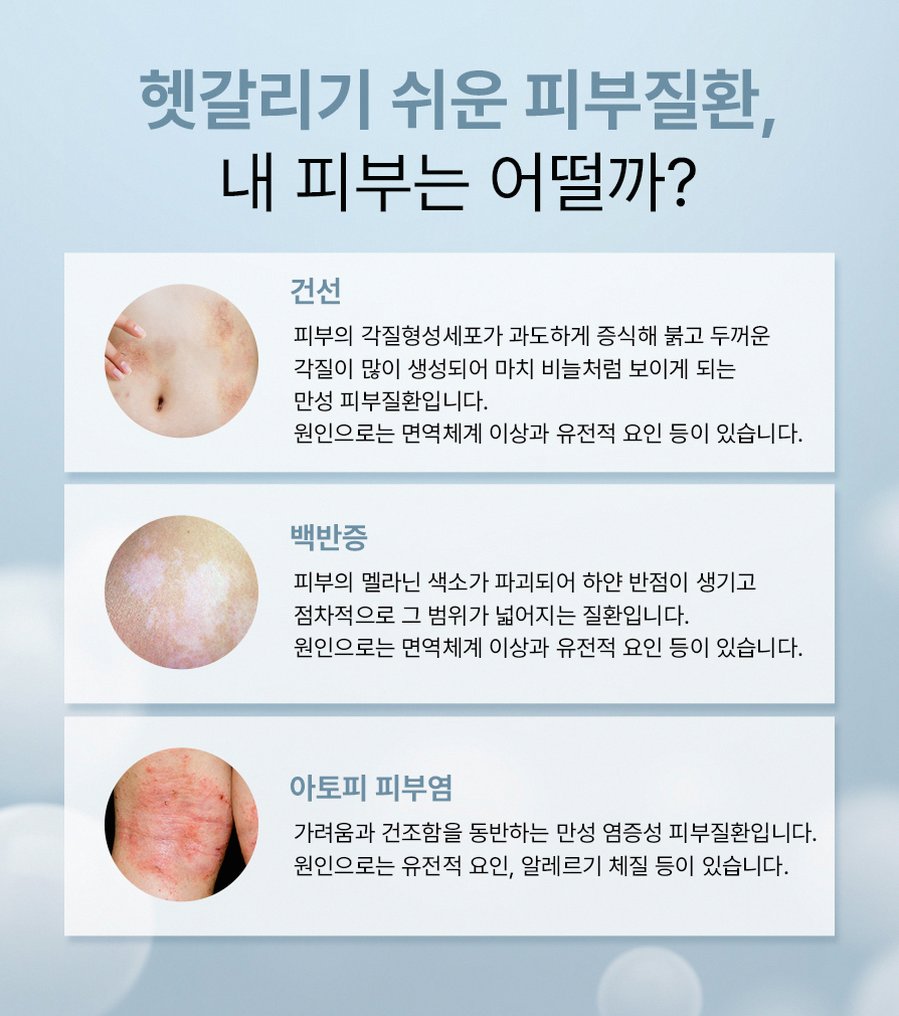
Vitiligo is an acquired pigmentary disorder in which melanocytes, the pigment-producing cells in the skin, are destroyed. This leads to clearly defined white patches that can appear on many parts of the body.
Commonly affected areas include the face, lips, eyelids, hands and fingers, elbows and knees, around body openings, and sometimes the scalp and body hair. The patches are usually painless and not contagious, but the condition is often chronic and may slowly spread over time.
For many people, vitiligo causes significant cosmetic concern and psychological stress. Visible white patches can affect self-confidence, social interactions, and quality of life. Because the disease may progress, early evaluation by dermatology specialists can help clarify the diagnosis, assess how active the disease is, and plan treatment that may help slow progression and support repigmentation where possible.
Vitiligo care by dermatology specialists in Dongtan
Vitiligo is more than a cosmetic issue. It is a medical skin disease that sometimes appears together with other conditions, such as thyroid disorders or other autoimmune diseases. For this reason, care by dermatology specialists is often recommended.
At this dermatology clinic, two board-certified dermatologists serve as co-directors. One director is a member of national vitiligo and psoriasis societies, reflecting a focused interest and experience in pigmentary and inflammatory skin diseases. Both directors trained at a major university medical center and continue to serve as outpatient faculty in dermatology, which supports the use of evidence-based, guideline-informed treatment plans.
This background is particularly important for vitiligo, which often requires careful diagnosis, assessment of disease activity, and long-term follow-up rather than short, one-time procedures.
What determines vitiligo treatment cost in Dongtan
Several medical and practical factors influence the total cost of vitiligo treatment in Dongtan. Understanding these can help you interpret any quote you receive and compare clinics in a realistic way.
Extent and distribution of lesions
The more skin that is affected, the more intensive and prolonged treatment tends to be.
If your vitiligo is localized, for example limited to a few small patches on the face or hands, treatment may focus on topical medications and targeted light or laser therapy to those areas. In contrast, generalized vitiligo, with many patches across the body, often requires whole-body or large-area phototherapy and more sessions.
The number of body regions involved and the total body surface area covered by white patches are key cost drivers. Facial involvement may require more careful and frequent sessions, because the skin is sensitive and cosmetic expectations are often higher.
Disease activity
Stable vitiligo, where patches have not changed for a long period, may be managed with a more steady, maintenance-oriented plan. Actively spreading vitiligo, with new patches appearing or existing patches enlarging, may call for more intensive treatment.
Active disease can require more frequent visits, combination therapy (for example, topical medications plus phototherapy), or short courses of systemic medications in selected cases. All of these can increase overall cost compared with a stable, slowly changing pattern.
Treatment methods used
Different treatment methods have different cost structures.
Topical treatments include corticosteroid creams or ointments, calcineurin inhibitors, and other prescription agents that aim to reduce inflammation and support repigmentation. These are often relatively affordable per tube, but they may need to be used over long periods.
Phototherapy, such as narrowband UVB, is a common treatment for vitiligo. It may be delivered as full-body cabin phototherapy or as targeted phototherapy for smaller areas. Each session has a fee, and multiple sessions per week are often recommended at the beginning.
Laser or device-based therapies, such as excimer laser or excimer lamp, are typically used for localized patches. These are usually charged per session and sometimes vary by treated area size.
In some cases, adjunctive procedures or injections may be suggested, depending on your individual pattern and response. Each additional procedure can add to the total cost.
Treatment frequency and duration
Vitiligo treatment is rarely a one-time event. Most patients need weeks to months of consistent therapy, and some continue maintenance treatment longer.
Phototherapy or laser sessions are often scheduled multiple times per week at first, then gradually reduced as the disease stabilizes and repigmentation appears. Even if each session is not very expensive, the cumulative cost over many visits can be significant.
Your dermatologist will usually discuss an estimated treatment period and frequency at the start, but this plan may change based on your response and any side effects.
Clinic-level factors
Clinic characteristics also influence cost.
Treatment that is performed or directly supervised by dermatology specialists with focused experience in vitiligo may be priced differently from more basic services. The use of certified medical devices, adherence to medically validated protocols, and inclusion of follow-up evaluation, clinical photography, and regular monitoring all contribute to the overall fee structure.
Because of all these variables, there is no universal vitiligo treatment price that applies to every patient in Dongtan. A personalized quote requires a proper medical assessment.
How vitiligo treatment pricing is typically structured in Dongtan
Although exact numbers vary, the structure of vitiligo treatment costs in Dongtan dermatology clinics tends to follow a similar pattern.
Initial consultation and examination
You can expect a consultation fee for the first visit. During this appointment, the dermatologist will take a detailed history, examine all affected areas, and discuss your concerns and goals.
Diagnostic workup
If needed, additional diagnostic steps may be recommended. These can include examination under a Wood's lamp (a special ultraviolet light that helps highlight depigmented areas), dermatoscopic evaluation, and sometimes basic blood tests if there is a clinical suspicion of associated conditions.
Each of these components may have a separate fee, depending on local regulations and clinic policy.
Per-session cost for phototherapy or laser
If phototherapy or laser-based treatment is part of your plan, each session is usually charged individually. Some clinics offer different rates for full-body versus localized treatment, or for different devices.
Topical and oral medications
Prescription creams, ointments, and pills are usually purchased at a pharmacy, separate from the clinic visit cost. The price depends on the specific medication, strength, and duration of use.
Package options and transparency
Some clinics may offer package options for a set number of phototherapy or laser sessions. While this can help with budgeting, treatment should still be individualized, and the plan should be flexible enough to adjust if your skin responds faster or slower than expected.
This dermatology clinic posts non-reimbursed treatment fees according to local regulations, allowing patients to review standard charges in a transparent way. However, the final cost for an individual patient still depends on the chosen combination of services.

Why specialist care matters more than the lowest price
When comparing vitiligo treatment costs in Dongtan, it can be tempting to focus only on the lowest price per session. For a chronic, complex condition like vitiligo, the quality and appropriateness of care are just as important as the fee.
Vitiligo must be distinguished from other causes of white spots, such as post-inflammatory hypopigmentation, tinea versicolor, or idiopathic guttate hypomelanosis. Misdiagnosis can lead to ineffective or even harmful treatment.
Dermatology specialists can:
Provide accurate diagnosis using clinical examination and tools like Wood's lamp.
Assess disease activity and risk of progression, which guides how aggressive treatment should be.
Select treatment intensity that balances effectiveness and safety, for example avoiding overuse of potent topical steroids that may thin the skin, and setting safe doses and intervals for phototherapy.
Offer long-term follow-up, adjusting the plan based on your response and any side effects.
At this dermatology clinic, the co-director who is a member of national vitiligo and psoriasis societies stays engaged with ongoing education and research in pigmentary and inflammatory skin diseases. Both directors' university hospital backgrounds and current outpatient teaching roles support the use of up-to-date guidelines and evidence-based protocols.
For international patients, this specialist approach can provide reassurance that treatment decisions are guided by medical evidence rather than by cost alone.
Who may consider vitiligo treatment in Dongtan
Vitiligo treatment in Dongtan may be suitable for:
Patients with newly appearing white patches who want a clear diagnosis and early management.
People with long-standing vitiligo who wish to explore updated treatment options, including phototherapy or laser.
Individuals whose vitiligo is affecting visible areas like the face or hands and who feel psychological distress or lowered self-esteem.
Patients with vitiligo and suspected associated conditions, such as thyroid disease, who need coordinated evaluation.
Not everyone will require the same intensity of treatment. Some may choose a more conservative approach focusing on specific areas, while others may prefer a more active plan for wider repigmentation. A detailed discussion with the dermatologist is essential to match the treatment strategy with your expectations, lifestyle, and budget.
Typical treatment process at a Dongtan dermatology clinic
While each patient is unique, the following is a common treatment flow for vitiligo in a Dongtan dermatology setting.
Step 1: Initial consultation
During your first visit, the dermatologist will ask about when your white patches first appeared, how they have changed, any family history of similar conditions, and any associated symptoms such as hair whitening or autoimmune disease.
A full skin examination is usually performed to check all affected and potentially affected areas. Special tools like a Wood's lamp or dermatoscope may be used to confirm the diagnosis. The doctor will explain what vitiligo is, discuss realistic expectations, and answer your questions.
Step 2: Treatment planning and cost explanation
Based on the findings, the dermatologist will propose a treatment plan. This may include topical medications, phototherapy, laser or device-based therapy, or a combination.
At this stage, you can expect an explanation of how often you would need to visit, how long the initial treatment period might last, and what kind of response is generally hoped for, while emphasizing that individual results vary.
The clinic will usually provide an estimated cost range for the proposed plan, including consultation, procedures, and the expected need for prescriptions. For overseas patients, this helps with travel planning and budgeting.
Step 3: Treatment sessions
If phototherapy or laser is part of your plan, you will attend regular sessions, often several times per week at first. The dose of light is carefully adjusted according to your skin type, lesion location, and response.
Topical medications are applied at home, following detailed instructions about frequency and duration. At each follow-up visit, the dermatologist checks for repigmentation, new lesions, and any side effects such as redness, irritation, or darkening of surrounding skin.
Step 4: Follow-up and maintenance
As your vitiligo stabilizes or improves, treatment frequency may be reduced. Some patients continue low-frequency maintenance phototherapy or topical therapy to help stabilize results.
Regular follow-up visits allow the dermatologist to document progress with photographs, adjust medications, and discuss long-term strategies.
Safety, side effects, and precautions
All medical treatments carry potential side effects, and vitiligo therapies are no exception.
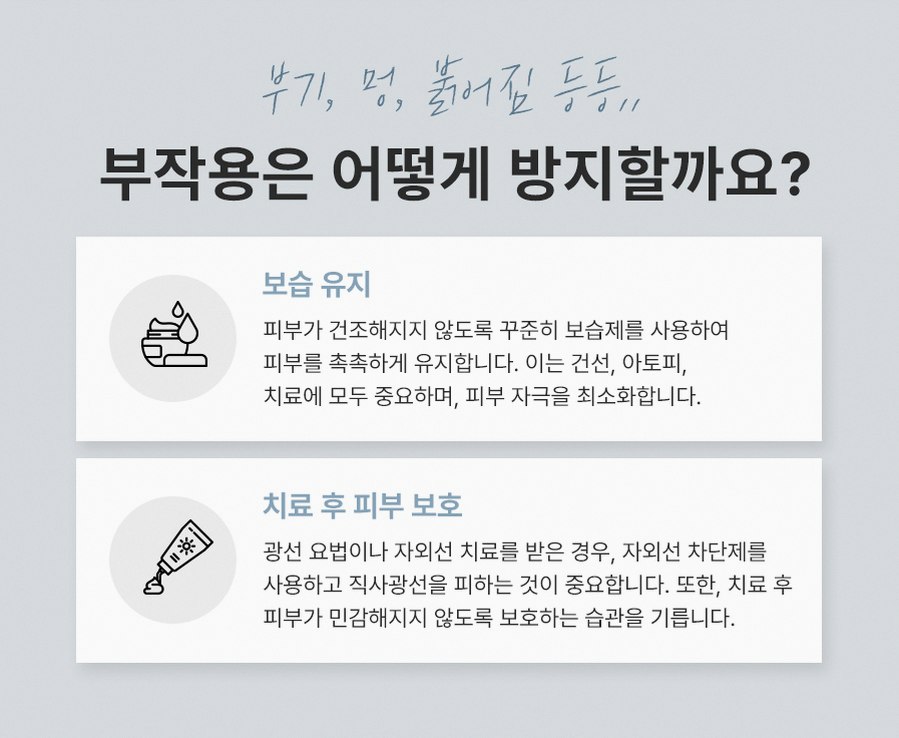
Topical corticosteroids, if used for too long or on sensitive areas, may cause skin thinning, stretch marks, or visible blood vessels. Calcineurin inhibitors can cause temporary burning or stinging.
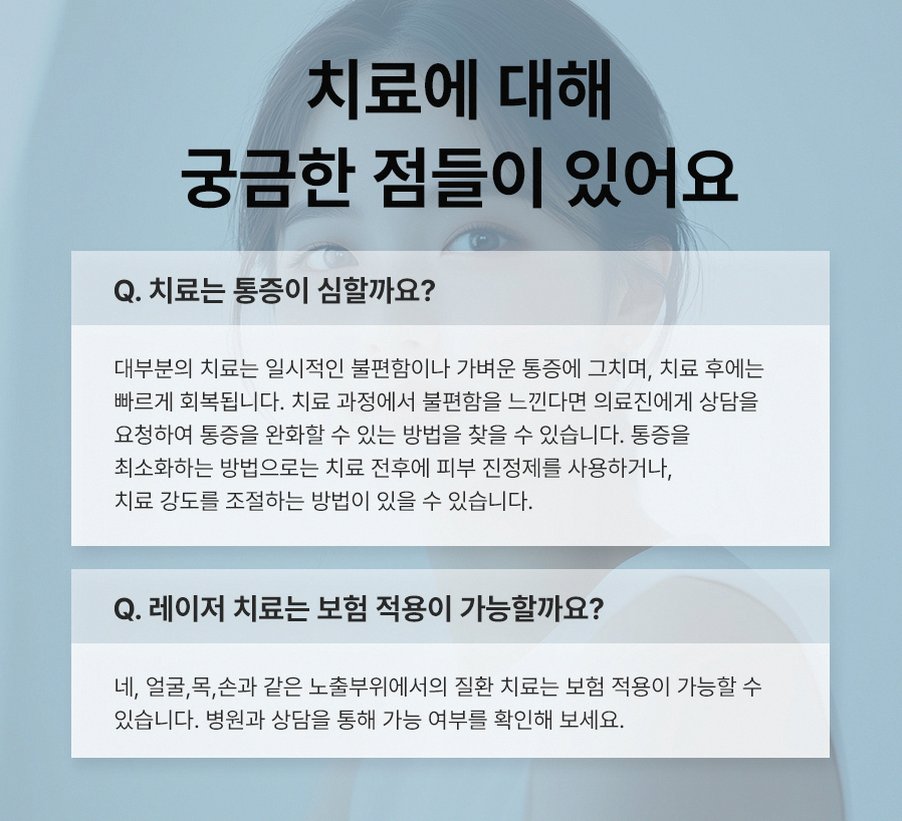
Phototherapy and laser treatments may cause temporary redness, dryness, or tanning of the surrounding skin. If doses are too high, there is a risk of burns or blistering. Long-term, cumulative exposure to ultraviolet light must be balanced against potential benefits, especially in fair-skinned individuals.
For these reasons, dosing and treatment intervals should be determined and adjusted by dermatology specialists familiar with vitiligo. Self-treatment with unverified home devices, strong topical steroids obtained without supervision, or internet remedies is not recommended.
How to approach vitiligo treatment cost as a patient
When you are planning vitiligo care in Dongtan, cost is an important but not the only factor. A structured approach can help you make informed decisions.
Before your visit, prepare a list of questions such as:
What is my current disease status? Is it stable or active?
Which treatment methods are recommended for me and why?
How many sessions are expected initially, and over what time frame?
What portion of the cost is for procedures at the clinic versus medications from the pharmacy?
During consultation, you can also ask:
Are there different treatment intensity options with different cost levels?
How will my progress be monitored, and when will the plan be reassessed?
What signs should prompt me to contact the clinic between visits?
When comparing clinics, avoid judging solely by the lowest per-session price. Instead, consider who will be supervising your treatment, what equipment is used, how side effects are monitored, and whether you receive clear, written instructions and follow-up plans.
Online consultation and pre-visit preparation for overseas patients
For international patients considering vitiligo treatment in Dongtan, an online or remote pre-consultation can be very helpful before you book flights.
You may be asked to provide:
Clear photographs of affected areas in good lighting.
A brief medical history, including any previous vitiligo treatments and their results.
Information about other health conditions, current medications, and allergies.
Based on this information, the dermatologist can offer a preliminary opinion about whether you are a suitable candidate for phototherapy or laser during a short stay, or whether a longer-term plan would be more realistic. They may also suggest an approximate number of sessions that could be done during your visit, while emphasizing that the final plan will be confirmed after an in-person examination.
Expected Korea visit timeline for vitiligo treatment
The ideal length of stay in Korea depends on how intensive your treatment will be.
Short stay (1 to 2 weeks):
Suitable mainly for initial diagnosis, setting up a long-term plan, and starting treatment. You may be able to complete several phototherapy or laser sessions, but long-term results cannot be fully assessed in this time.
Medium stay (3 to 4 weeks):
Allows for more consistent phototherapy or laser sessions, usually several times per week, plus follow-up visits to adjust the plan. Some early signs of repigmentation may be visible in certain patients, although individual responses vary.
Longer stay (6 weeks or more):
Provides the most opportunity for intensive treatment and monitoring. However, even in this case, vitiligo often requires ongoing care after you return home, so coordination with a local dermatologist is recommended.
Clinic hours and reservations: Hus-hu Dermatology Clinic Dongtan is located on the 3rd floor of Port Central City in Dongtan. Hours are Mon–Thu 10:00–19:00 (lunch break 13:00–14:00), Fri 10:00–20:00, and Sat 09:00–14:00 (no lunch break). The clinic is closed on Sundays and public holidays. Online reservations are available on specific weekdays (Wednesday and Thursday) via Naver to help reduce waiting time for vitiligo consultations.
Aftercare and continuing management once you return home
After your treatment period in Korea, you will usually receive a summary of your diagnosis, treatment details, and recommendations for ongoing care.
This may include:
Instructions on how long to continue topical medications and how to taper them.
Advice on sun protection and lifestyle measures.
Guidance on when to seek local dermatology follow-up.
Suggestions for how your local doctor can continue or adapt phototherapy or other treatments.
You may be encouraged to send follow-up photographs or updates by email or through an online platform, especially in the early months after your return. This can help the dermatologist assess your progress and advise whether any changes are needed.
Frequently asked questions about vitiligo treatment cost in Dongtan
What is the average cost of vitiligo treatment in Dongtan?
There is no single average cost that applies to all vitiligo patients in Dongtan. The total expense depends on how extensive your vitiligo is, how active it is, which treatments are chosen, and how long you continue them. Costs are usually divided into consultation fees, diagnostic tests if needed, per-session fees for phototherapy or laser, and separate pharmacy costs for medications. A precise estimate is only possible after an in-person evaluation.
How many phototherapy or laser sessions will I need, and how does that affect cost?
The number of sessions varies widely between individuals. Some patients may attend phototherapy two to three times per week for several months, while others may need fewer or more sessions depending on disease activity and response. Because each session has a fee, more sessions naturally increase the total cost. During your first visit, the dermatologist will outline an expected range based on your condition, but the plan may be adjusted over time.

Can I complete vitiligo treatment during a short trip to Korea?
Vitiligo is usually a chronic condition that requires long-term management, so it is uncommon to complete treatment during a short trip. However, a short or medium-length stay in Korea can be very useful to confirm the diagnosis, start appropriate treatment, and receive a structured plan that you can continue at home. You can also undergo an intensive course of phototherapy or laser sessions during your stay, which may provide an initial boost, but ongoing care will still be needed.
How can I estimate my vitiligo treatment budget before visiting Dongtan?
Before you travel, you can request an online or remote consultation and provide photos and medical information. Based on this, the clinic can outline possible treatment options and typical session frequencies, then give you a broad cost range for planning purposes. Keep in mind that this is an estimate, not a fixed quote. The final plan and more accurate cost explanation will be given after a face-to-face examination in Dongtan.
Soft call to action for online consultation
If you are living overseas and are concerned about vitiligo and its treatment costs in Dongtan, the most practical next step is to arrange an online consultation with a dermatology specialist. By sharing your medical history and clear photos in advance, you can receive a preliminary opinion on suitable treatment options, an outline of expected visit frequency, and a realistic cost range.
When you are ready to visit Korea, an in-person evaluation at a dermatology clinic such as Hus-hu Dermatology Clinic Dongtan can refine this plan, ensuring that your treatment is medically appropriate, safe, and aligned with your budget and travel schedule. Rather than focusing only on the lowest price, aim for a clear, evidence-based treatment strategy and transparent explanation of all expected expenses.
- 공유 링크 만들기
- X
- 이메일
- 기타 앱


댓글
댓글 쓰기