How to choose an acne treatment clinic in Dongtan
- 공유 링크 만들기
- X
- 이메일
- 기타 앱
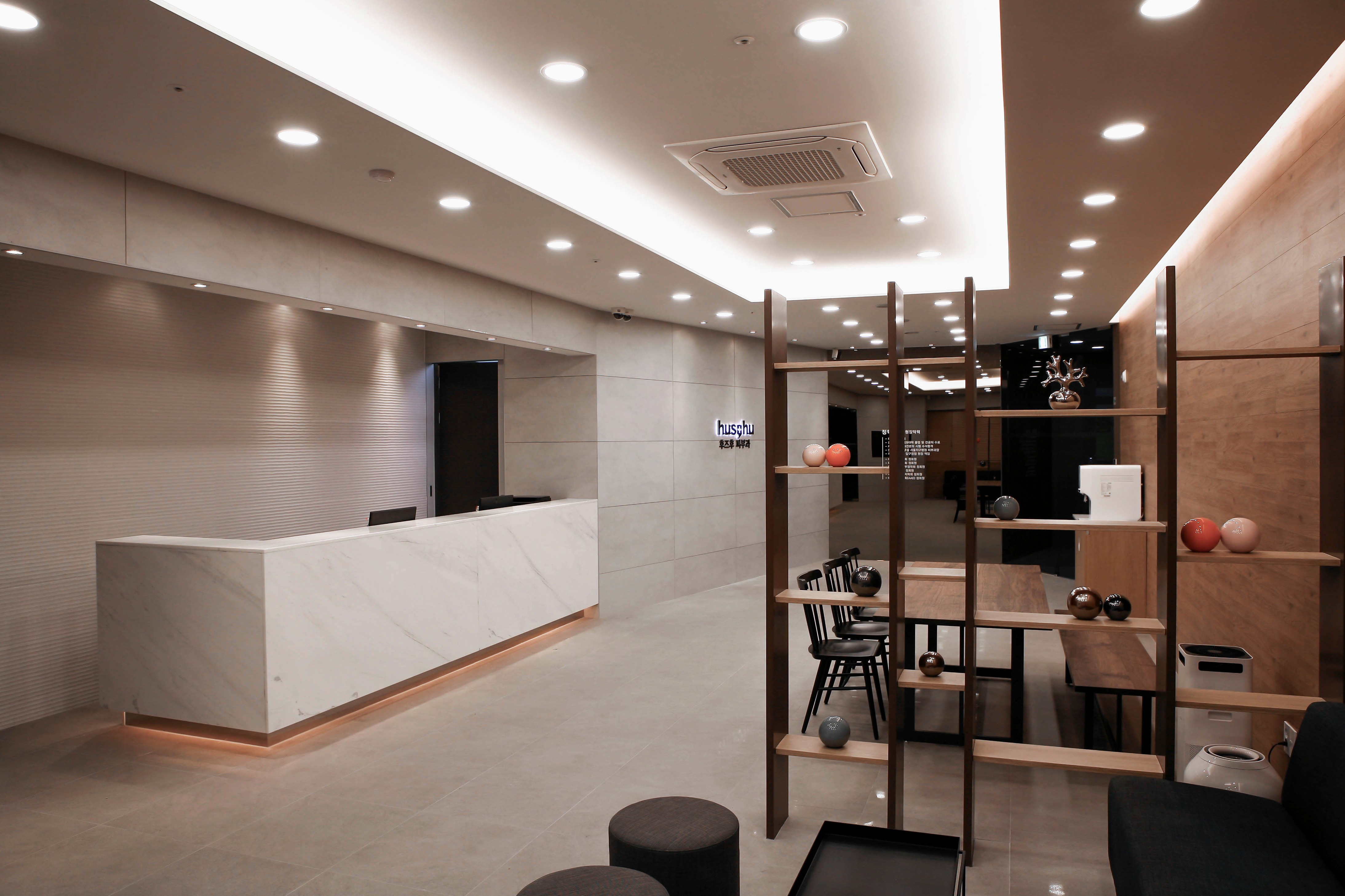
Looking for the best acne treatment clinic in Dongtan
If you are searching for the best acne treatment clinic in Dongtan, you are probably past the stage of trying random products and facials. You may be dealing with persistent breakouts, sensitive skin, or early acne scars and want a medical, dermatologist-led solution rather than a simple skincare shop.
This guide explains how to choose a good acne clinic in Dongtan, what modern medical acne and scar treatments look like, and how a structured, program-based approach can help. It also introduces Hus-hu Dermatology Clinic Dongtan as an example of a dermatologist-led center in Dongtan New Town, Hwaseong, that focuses on both active acne and acne scars.
Direct answer: what to look for in a Dongtan acne clinic
When you search for a good acne treatment clinic in Dongtan, focus on these points:
Dermatology specialists lead the care, not non-specialist doctors or only estheticians.
The clinic can manage both active acne and acne scars with a clear, stepwise plan.
Evidence-based medical devices and protocols are used, not just basic facials.
Treatment is personalized after proper diagnosis, with follow-up and adjustment.
Costs and treatment information are explained transparently.
A clinic that meets these criteria is more likely to provide safe, consistent care for moderate to severe acne, recurrent breakouts, and early scarring.
Why dermatologist-led care matters for acne
Acne may look like a simple skin problem, but it involves inflammation, hormones, sebum production, pores, and sometimes deeper nodules and cysts. When acne is severe, leaves marks easily, or keeps coming back despite over-the-counter products, it is safer and more effective to see a dermatologist.
At a dermatologist-led clinic, acne is treated as a medical condition. This means:
Your acne type is classified: comedonal (whiteheads and blackheads), inflammatory (red pimples and pustules), or nodulocystic (deep, painful lesions).
Underlying factors are reviewed: family history, hormones, stress, cosmetics, occupation, and medications.
Treatment options include prescription medications, medical procedures, and device-based therapies, not only topical creams.
At this clinic, acne and acne scars are treated by dermatology specialists with university-hospital backgrounds. The two representative dermatologists both graduated from Kyung Hee University School of Medicine and serve as outpatient faculty in the dermatology department at Kyung Hee Medical Center. One of the representatives is a former chief dermatologist at the Presidential Medical Office in Seoul and placed first in the first-stage national dermatology board exam. Both hold memberships in multiple dermatology societies, including the American Academy of Dermatology (AAD); the clinic's team also includes a member of the Korean Acne Society.
This kind of background is important if you want more than basic prescriptions and prefer structured, evidence-based care.
How a good Dongtan acne clinic should approach treatment
A strong acne clinic in Dongtan should not only focus on today’s pimples. It should plan from the beginning how to:
Control inflammation and breakouts.
Prevent new lesions from forming.
Reduce the chance and severity of scars and pigmentation.
Treat existing scars and texture changes.
This requires a portfolio of treatments that can be combined and adjusted over time.
Treatment overview for active acne and inflammation
For active acne, a dermatologist-led clinic typically combines medication with in-clinic procedures and device-based therapies.
Medication
Topical treatments such as retinoids, benzoyl peroxide, antibiotics, or other anti-inflammatory creams may be used to unclog pores and reduce bacteria.
Oral medications such as antibiotics, hormonal treatments, or other systemic drugs may be considered for more severe or widespread acne, depending on your health status and risk factors.
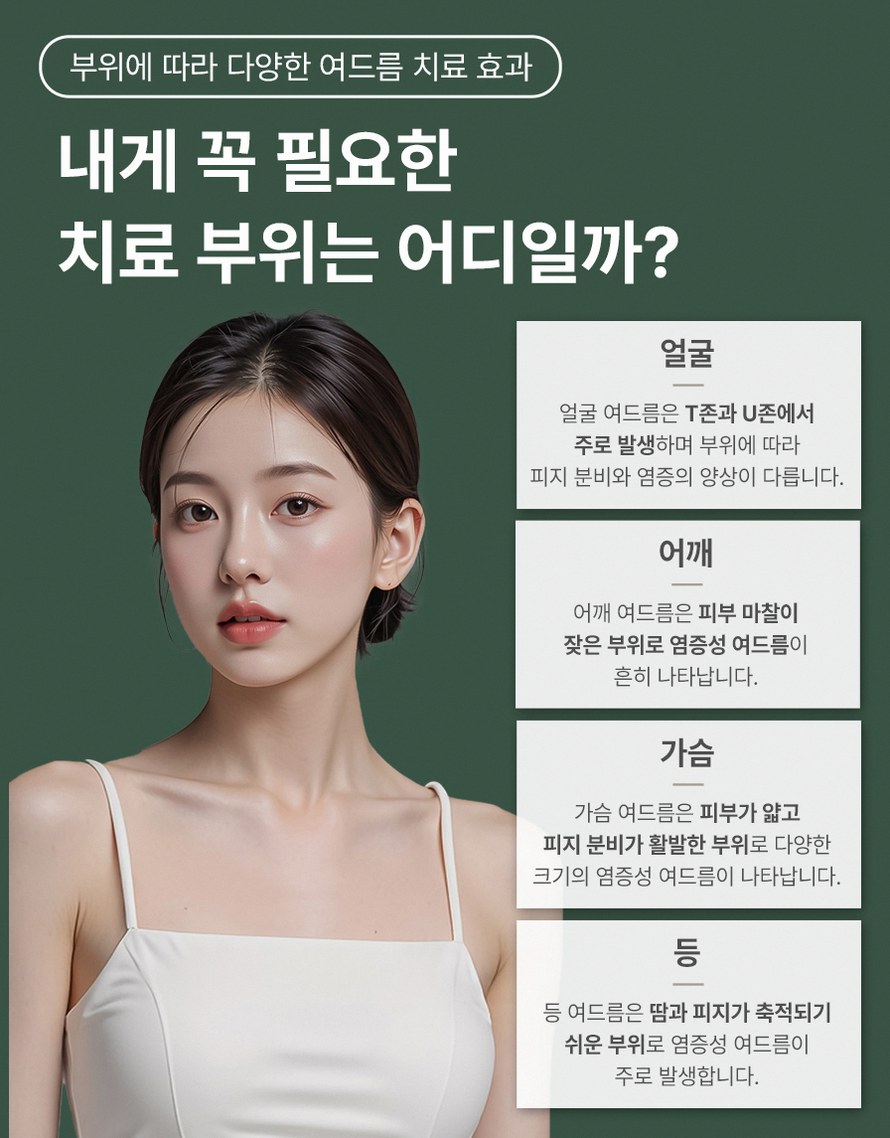
At this clinic, active acne is addressed through a program-based approach often referred to as an Acne All-Kill Program. This is not a single procedure but a customized, multi-step medical acne program. Conceptually, it can include:
Prescription medication tailored to your acne type.
Professional extractions and medical procedures to clear clogged pores.
Device-assisted care to reduce inflammation, sebum production, and redness.
The exact steps and combinations are decided after a dermatologist evaluates your skin. The aim is to target multiple causes of acne at once in a structured way.
PDT (photodynamic therapy)
PDT, or photodynamic therapy, is often used for inflammatory acne and sebaceous gland control. In general terms:
A photosensitizing agent is applied to the skin.
After an incubation period, a specific light source activates the agent.
This process helps reduce overactive sebaceous glands and acne-causing bacteria.
PDT can be useful for red, inflamed acne that does not respond well to basic topical treatments. It may involve temporary redness or sensitivity, so parameters need to be adjusted by the dermatologist.
Gold PTT (gold particle photothermal therapy)
Gold PTT, sometimes listed as Capri in treatment menus, uses gold nanoparticles and light or laser energy to focus on sebum and pores. In general:
Gold particles are delivered into the pores.
Light or laser energy heats these particles selectively.
This can help regulate sebum and improve enlarged, oily pores.
Gold PTT is often considered when pores and oiliness are major concerns along with acne. As with any device-based procedure, intensity and frequency should be personalized.
Treatment overview for pores and acne scars
Once active inflammation is under control, attention usually shifts to pores, redness, pigmentation, and scars. A good acne clinic in Dongtan should have clear options for this second phase.
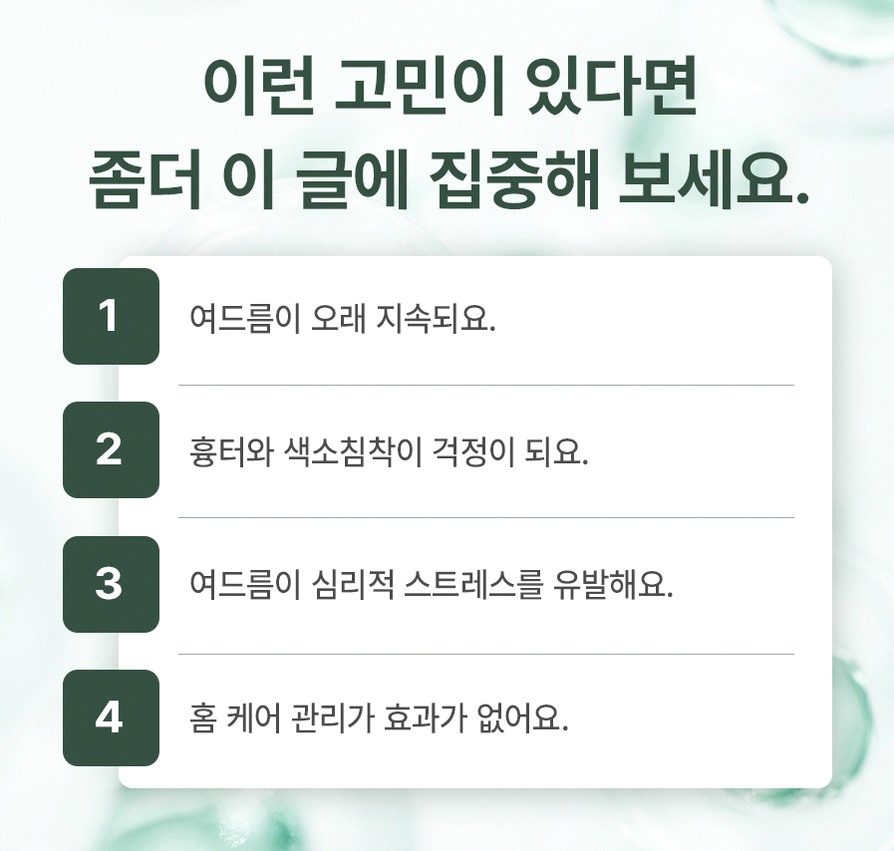
Pore and Scar Program
A Pore and Scar Program is a combined approach designed for patients who have:
Enlarged pores.
Depressed (atrophic) acne scars.
Uneven skin texture after repeated breakouts.
This type of program may mix different fractional devices, energy levels, and intervals, depending on the depth and pattern of scars and your skin type.
Fractional devices for depressed scars and texture
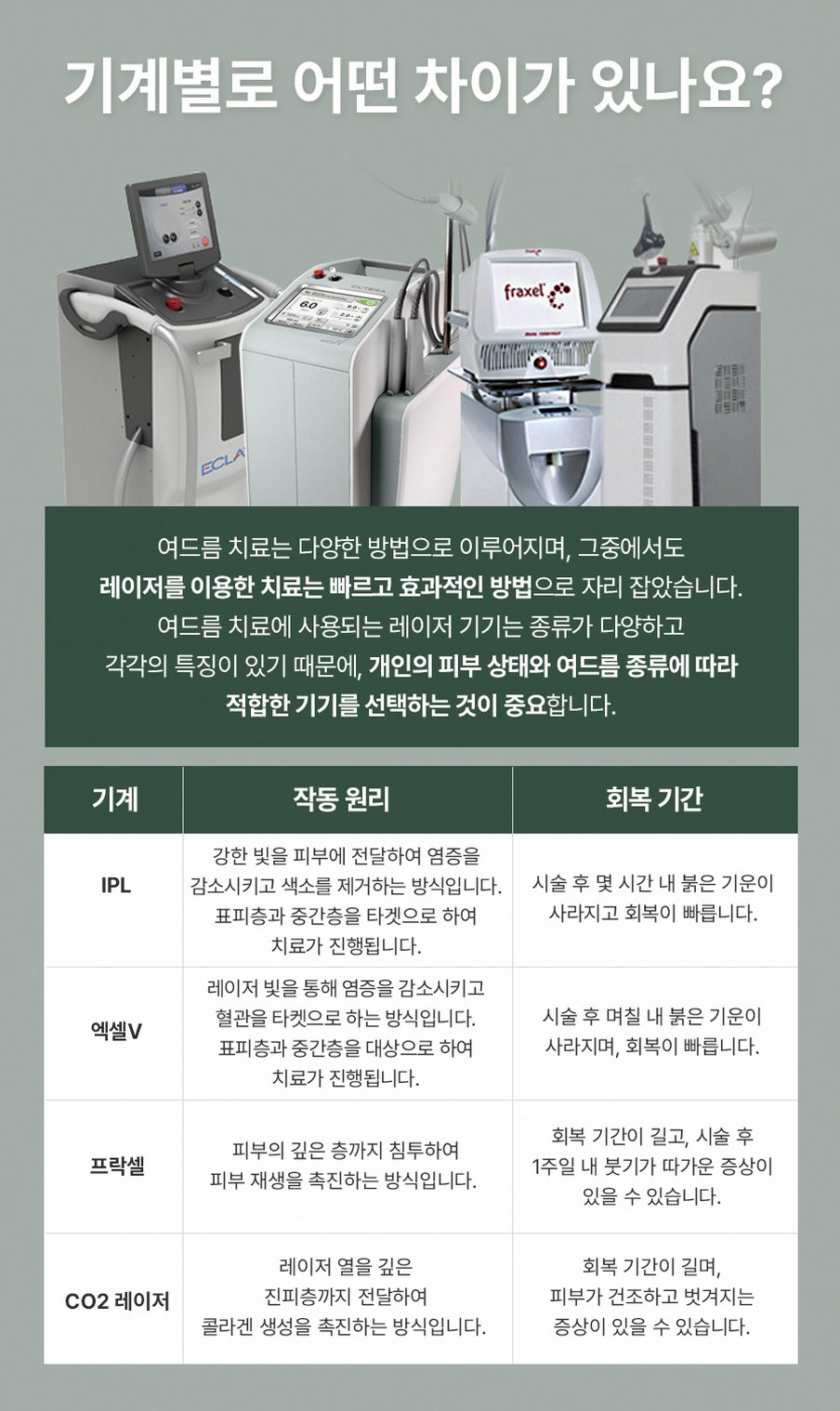
This clinic uses several fractional devices, each with its own characteristics:
Regatto 2: a fractional device aimed at improving texture and mild to moderate depressed scars.
Pro Fraxel: a fractional laser approach that creates microscopic treatment zones to stimulate skin remodeling.
Secret RF: a fractional radiofrequency microneedling device that delivers RF energy through needles to the deeper layers of the skin.
These devices are typically used in sessions spaced weeks apart. They can help:
Soften sharp scar edges.
Stimulate collagen in depressed scars.
Smooth overall skin texture over time.
Because these treatments can involve downtime, such as redness, swelling, or temporary roughness, the dermatologist adjusts settings according to your schedule, skin sensitivity, and previous response.
Scar filler for selected atrophic scars
Some acne scars are deep and narrow or sharply depressed. In selected cases, scar filler can be used to lift the base of these atrophic scars. This is usually combined with other treatments and is not suitable for every scar type.
As with any injectable procedure, there can be bruising, swelling, or asymmetry, so it should be performed by an experienced dermatologist after careful assessment.
Reference photos and realistic expectations
Before-and-after photos for acne, redness, pigmentation, and scars are available on the clinic’s website for logged-in members. These are intended as reference material to help you understand typical patterns of improvement and approximate downtime.
However, results vary depending on skin type, acne severity, scar depth, and adherence to the treatment plan. No clinic can guarantee identical outcomes, so it is important to discuss realistic expectations during consultation.
How to choose a good acne clinic in Dongtan
Criterion 1: Dermatology specialist vs non-specialist
For persistent or scarring acne, it is advisable to see a board-certified dermatologist. Dermatology specialists undergo years of focused training in skin diseases, medical lasers, and procedures.
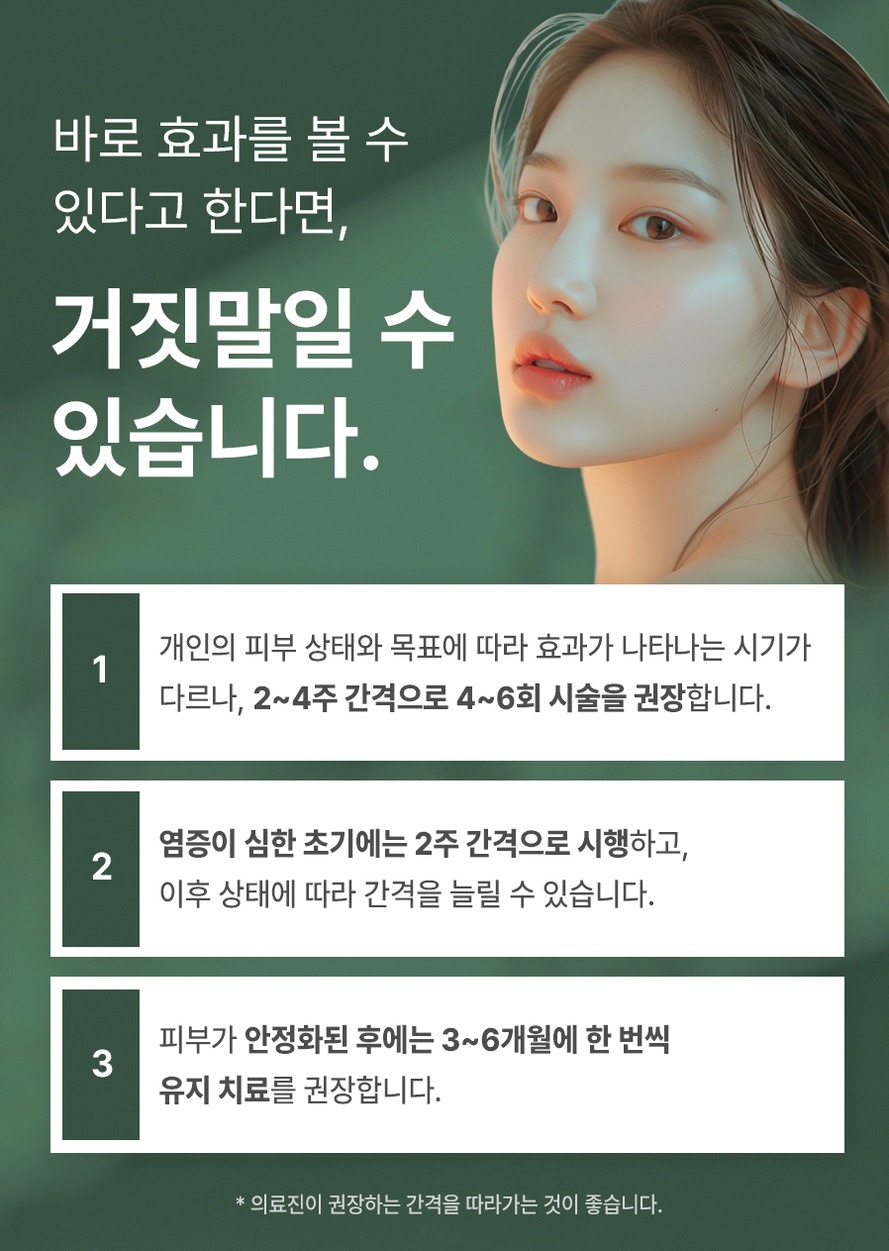
At this clinic, both representative doctors are dermatology specialists with university-hospital teaching roles at Kyung Hee Medical Center and active membership in major dermatology societies. This background supports a more systematic approach to acne and scar management.
Criterion 2: Ability to handle both active acne and scars
Many places focus only on current pimples. A good acne clinic in Dongtan should:
Plan to calm inflammation quickly.
Monitor for early scar formation.
Offer scar-focused treatments once breakouts are under control.
The presence of dedicated acne programs, PDT, fractional devices such as Regatto 2, Pro Fraxel, Secret RF, and options like scar filler suggests the clinic is prepared to manage the full course of acne, from active lesions to long-term texture.
Criterion 3: Use of medical-grade devices and evidence-based protocols
Medical-grade devices like PDT systems, fractional lasers, and fractional RF are designed and studied for specific indications such as inflammatory acne, pores, and scars.
A reliable clinic will:
Explain what each device does in simple terms.
Select devices based on your skin type and clinical findings, not just trends.
Adjust energy, depth, and intervals to balance effect and downtime.
In this setting, device choice and intensity are always decided after a dermatologist evaluates your skin in person.
Criterion 4: Personalized treatment plan and follow-up
Acne is not the same for everyone. A good clinic will:
Assess skin type: oily, dry, combination, or sensitive.
Classify acne: comedonal, inflammatory, nodulocystic, or mixed.
Review lifestyle: work schedule, stress, diet, makeup habits, and sleep.
Check previous treatments: what worked, what caused irritation, and any side effects.
Program-based care allows the clinic to adjust:
Frequency of visits and procedures.
Combination of medication, PDT, Gold PTT, and fractional devices.
Home care routines, including cleansers, moisturizers, and sun protection.
Follow-up visits are used to monitor progress, manage side effects, and modify the plan as needed.
Criterion 5: Transparent communication and cost disclosure
From 2026 onward, clinics are required to post non-insured treatment fees according to current regulations. This clinic follows these rules, which supports transparency for patients.
During consultation, you should expect:
Clear explanations of recommended procedures and alternatives.
Information about possible downtime and precautions.
An overview of estimated treatment duration and cost ranges.
Do not hesitate to ask for clarification if anything is unclear.
Overall services with acne as the core
While acne and acne scars are a central focus, this clinic functions as a comprehensive dermatology center. For context, it also provides care for:
Chronic skin diseases such as psoriasis and vitiligo.
Redness and vascular issues using devices like Vbeam Perfecta and ultrasound-based LDM care.
Pigmentation and melasma with laser toning, BBL, and other devices.
Lifting and anti-aging with Ulthera, Thermage FLX, thread lifting, and injectables.
This broader portfolio means that redness, pigmentation, and aging concerns that often accompany long-term acne can be addressed in the same place. However, the primary emphasis remains on structured acne and scar management.
Typical acne treatment journey at a dermatologist-led clinic
Step 1: Consultation and diagnosis
Your first visit usually includes:
Medical history: general health, medications, allergies, hormonal issues, and family history of acne.
Acne history: when it started, how it has changed, what triggers flare-ups, and any previous treatments.
Skin examination: classification of acne type and severity, presence of redness, pigmentation, and scars.
This step is essential to avoid repeating treatments that did not work and to identify factors that may worsen acne.
Step 2: Treatment planning
Based on the diagnosis, the dermatologist will design a plan that may include:
Topical and/or oral medications.
In-clinic procedures such as professional extraction and medical peels.
Device-based treatments like PDT, Gold PTT, or fractional devices when appropriate.
You will also discuss:
Expected number of sessions.
Approximate timeline for visible improvement.
Possible side effects and downtime.
Step 3: Program-based sessions
During the active treatment phase, you will visit the clinic regularly. At each session, the dermatologist or medical staff will:
Check your skin’s response and any new breakouts.
Adjust medication doses or switch products if needed.
Modify device settings or change the combination of procedures.
Program-based care is flexible. If your skin becomes sensitive, the plan can be softened. If acne is improving quickly, the focus may shift earlier toward scar prevention.
Step 4: Scar-focused phase
Once inflammation is under better control, the emphasis moves to scars and texture. This phase may include:
Fractional lasers such as Pro Fraxel.
Fractional RF like Secret RF.
Other devices like Regatto 2 for texture.
Scar filler for selected atrophic scars.
These treatments are usually spaced out to allow healing. The goal is gradual improvement in texture and depth of scars rather than instant change.
Step 5: Maintenance and relapse prevention
Acne often has a chronic tendency. After the main treatment course, the clinic will guide you on:
Long-term skincare routines suitable for your skin type.
Lifestyle adjustments that may help reduce recurrences.
Periodic check-ups or light maintenance procedures if needed.
This maintenance phase helps protect the results and reduce the risk of new scars.

Location, access, and practical information
This clinic is located on the third floor of a building called Port Central City on Dongtan-daero Sibeom-gil in Dongtan New Town, Hwaseong, Gyeonggi Province. It serves residents of Dongtan 2 New Town and surrounding areas.
Business hours are generally:
Monday to Thursday: 10:00–19:00
Friday: 10:00–20:00
Saturday: 09:00–14:00
Closed on Sundays and public holidays
There is a stated lunch time from 13:00–14:00, but clinic information also mentions treatment without a separate lunch break. It is best to check in advance for exact consultation hours around lunchtime on the day you plan to visit.
Reservations can be made by:
Naver online reservation on Wednesdays and Thursdays.
Calling the main phone number: 031-378-0751.
How overseas or non-local patients can prepare
If you are visiting from another region or overseas and want to plan acne treatment in Dongtan, preparation helps you use your time efficiently.
Before your visit, consider:
Online consultation: Send clear photos, a brief history of your acne, and a list of previous treatments if the clinic offers online or phone pre-consultation.
Medication list: Prepare a list of all current medications and supplements, including hormonal treatments and any isotretinoin history.
Skincare products: Note the brands and names of your cleanser, moisturizer, sunscreen, and any active products like acids or retinoids.
Schedule: Think about how long you can stay in Korea and how many visits are realistic within that time.
Expected visit timeline for short-term stays
If you are planning a short stay in Korea, a typical outline might look like this:
First week: initial consultation, diagnosis, and start of medication and basic in-clinic procedures. Some patients may receive PDT or Gold PTT if appropriate.
Following weeks: additional sessions for active acne control and possibly initial fractional treatments if inflammation is already well controlled.
Return visits: if you can come back to Korea later, further fractional sessions for scars and texture can be scheduled.
Because acne and scars usually require multiple sessions over months, it is important to discuss what is realistic within your stay and what can be continued at home.
Safety, downtime, and precautions
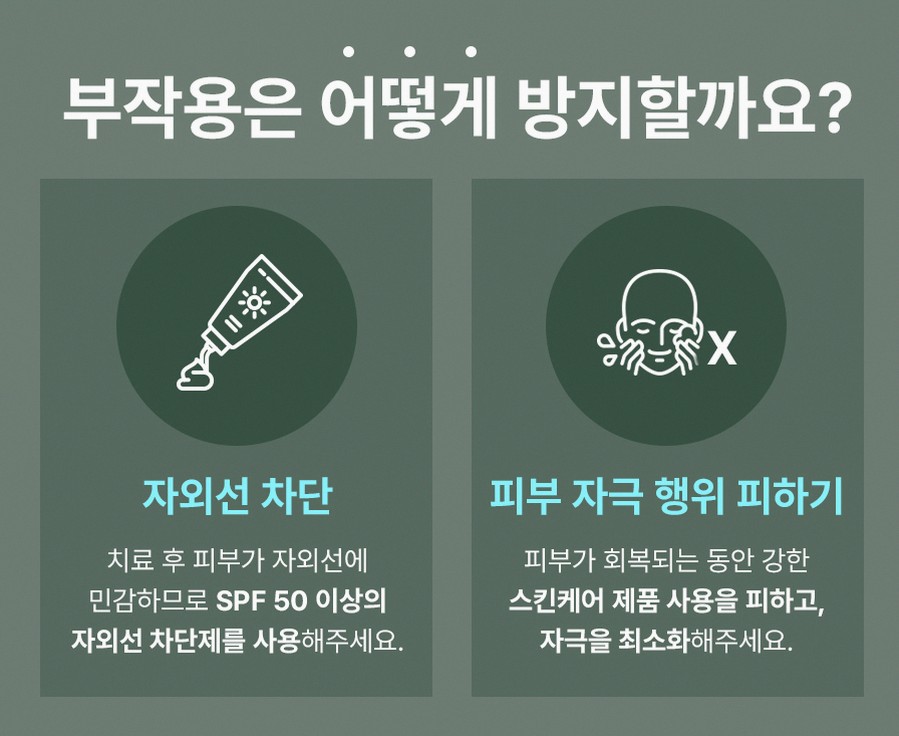
Procedures such as PDT, fractional lasers, fractional RF, Gold PTT, and scar fillers may involve:
Temporary redness or swelling.
Mild discomfort or stinging.
Short periods of dryness, flaking, or small scabs after fractional treatments.
Your dermatologist will explain:
How long downtime usually lasts for your chosen procedures.
What skincare and sun protection are needed during healing.
Which activities or products to avoid temporarily.
Always inform the clinic if you have a history of keloids, severe allergies, photosensitivity, or are pregnant or breastfeeding.
Frequently asked questions about acne treatment in Dongtan
Who should consider a dermatologist-led acne clinic in Dongtan
You may consider this type of clinic if:
Your acne has lasted for months or years without stable improvement.
You have red marks, brown spots, or visible dents forming after pimples.
Over-the-counter products or basic facials have not helped enough.
You want a structured plan that includes both medical treatment and device-based care.
A face-to-face consultation is necessary to decide the exact treatment plan.
How many sessions are usually needed for acne and scars
The number of sessions varies widely. Active acne control may require regular visits over several weeks to a few months, depending on severity and response. Scar and texture treatments with fractional devices are often spaced several weeks apart and may require multiple sessions.
During your consultation, the dermatologist can give a more personalized estimate based on your skin condition and schedule. It is important to understand that acne and scars typically improve gradually, not overnight.
Are acne treatments painful and is there downtime
Most acne-related procedures are tolerable for most patients. Topical anesthetic creams are often used before fractional lasers or RF to reduce discomfort. PDT and Gold PTT may cause warmth or stinging sensations during treatment.
Downtime depends on the specific procedure and settings. Some treatments have minimal visible effects, while others, especially fractional devices, can cause redness and roughness for several days. Your plan can be adjusted to match your work or school schedule.
Can I continue my current skincare during treatment
In many cases, your current skincare routine will need to be adjusted. Some products, especially those containing strong acids or retinoids, may need to be paused before and after certain procedures to reduce irritation.

Bring or list all your current products at your first visit. The dermatologist will advise which items to stop, which to keep, and what to add for better barrier support and sun protection.
Soft call to action for consultation
If you are comparing options for the best acne treatment clinic in Dongtan and want dermatologist-led, program-based care for both active acne and scars, you can consider arranging a consultation at Hus-hu Dermatology Clinic Dongtan.
Prepare your acne history, medication list, and skincare products in advance, and write down any questions about scars, pigmentation, downtime, or maintenance. A structured, evidence-based plan created together with a dermatologist can help you move from repeated flare-ups toward more stable, long-term skin management.
Medical information notice
The information in this article is for general educational purposes and does not replace a face-to-face consultation with a qualified dermatologist. Acne severity, treatment response, side effects, and downtime vary by individual. Always discuss your personal medical history, medications, and concerns directly with your doctor before deciding on any specific procedure or treatment program.

- 공유 링크 만들기
- X
- 이메일
- 기타 앱


댓글
댓글 쓰기