Single-Visit Thermage FLX for Short-Stay Visitors
- 공유 링크 만들기
- X
- 이메일
- 기타 앱
If you're considering a non‑surgical Thermage lift in Dongtan to firm the face or define the jawline, Thermage FLX offers a radiofrequency skin‑tightening option. A typical treatment is done in a single clinic visit and requires minimal downtime. The device uses controlled heat to stimulate your skin's collagen, so results appear gradually over several months. Many patients maintain the effect with occasional follow‑up treatments. At dermatologist‑led clinics in Dongtan, including Hus-hu Dermatology Clinic Dongtan, Thermage FLX is planned after a detailed facial assessment and can be combined with other lifting or anti‑aging options when appropriate.
Overview of Thermage FLX lifting
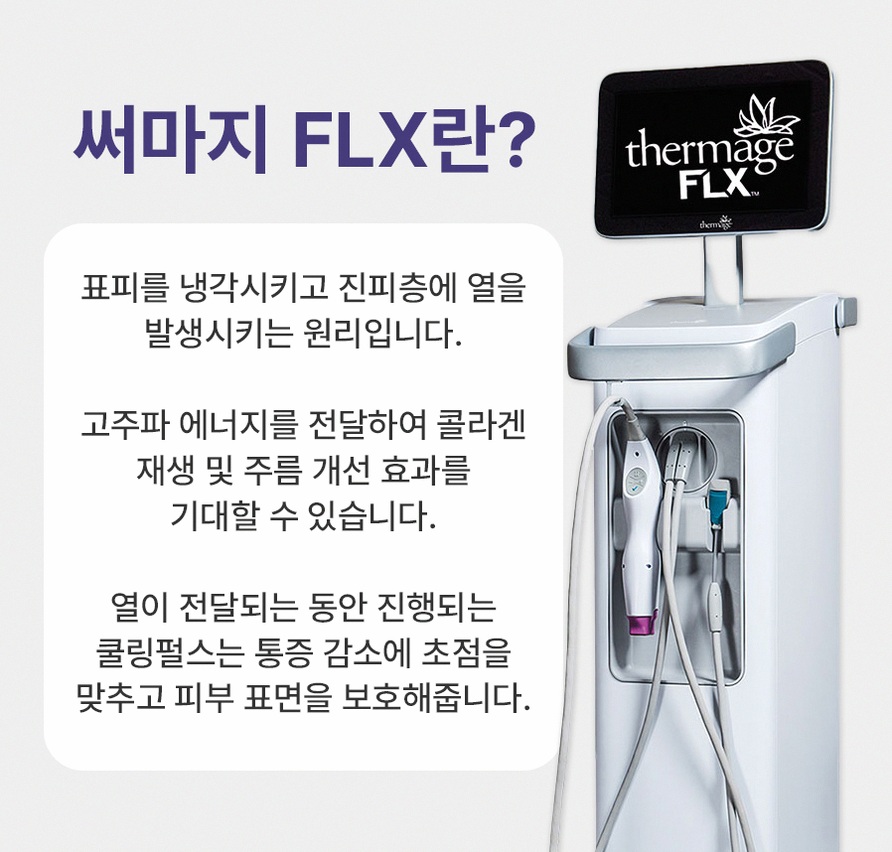
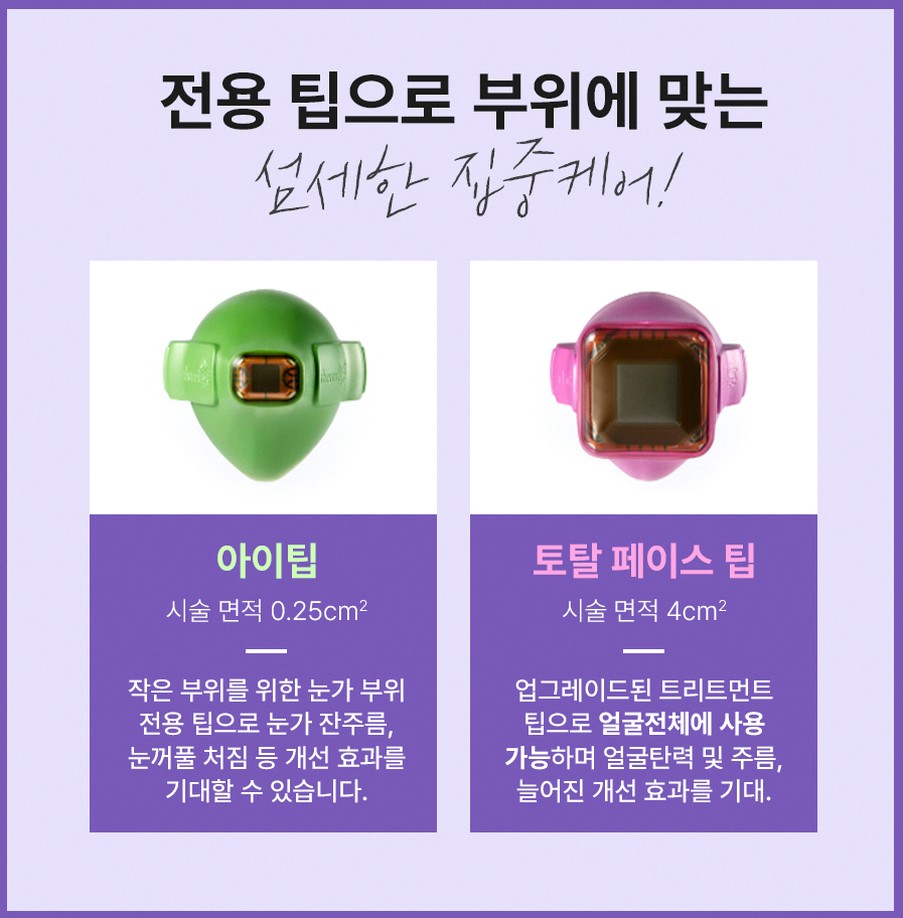
Thermage FLX is a non‑invasive lifting and tightening procedure that uses monopolar radiofrequency energy. During treatment, a handpiece delivers radiofrequency through a disposable tip into the deeper dermis and fibrous support structures under the skin. This controlled heating is designed to contract existing collagen and stimulate new collagen production over time.
For facial lifting, Thermage FLX is most commonly used on the full face and jawline, and in some cases the upper neck. It can also be applied to specific areas such as the eyelids or certain body zones, but for most international visitors to Dongtan the main goal is to improve lower face sagging, early jowls, and jawline definition without surgery.
Because Thermage does not require incisions or injections into deep tissues, it is considered a non‑surgical option. There is no cutting or suturing, and most people can return to daily activities soon after treatment. However, it is still a medical procedure using strong energy, so careful assessment and parameter selection by a qualified doctor are important.
Who may consider Thermage lifting in Dongtan
Thermage FLX can be an option for adults who are starting to notice facial sagging but do not feel ready for surgical lifting. Typical candidates include people in their late 20s to 50s, although suitability depends more on skin condition than exact age.
You may consider Thermage FLX if you have mild to moderate skin laxity, such as early jowls along the jawline, deepening nasolabial folds, or a softer facial contour compared with your younger photos. Some people also notice a mild double chin that is partly due to loose skin rather than only fat; in these cases, tightening with Thermage may help refine the profile.
Thermage is often chosen by people who want a visible but natural‑looking improvement rather than a dramatic change. If you prefer to avoid incisions, anesthesia, or long recovery, and you cannot take much time off work or family duties, this type of radiofrequency lifting can fit into a short visit schedule.
It is also suitable for those who have already tried basic skincare, facials, or simple laser toning but feel that these no longer address deeper sagging. Thermage reaches deeper collagen‑rich layers than most routine skin lasers, so it can address structural laxity more effectively.
On the other hand, if you have very severe sagging, heavy lower‑face tissue, or large skin folds, a doctor may advise that surgical lifting or thread lifting would be more appropriate for your main correction. Thermage may still offer some tightening in such cases, but expectations should be realistic and clearly discussed during consultation.
How Thermage FLX works
Thermage FLX uses monopolar radiofrequency to heat collagen‑rich layers under the skin surface. As the energy is delivered, the collagen fibers in the dermis and fibrous septa are heated to a controlled temperature range. This causes immediate collagen contraction, which can create a subtle early tightening effect.
More importantly, this controlled heat triggers a wound‑healing response in the skin. Over the following weeks and months, fibroblast cells produce new collagen and reorganize existing collagen bundles. This process, often called neocollagenesis, gradually improves skin firmness and elasticity.
Compared with earlier generations, FLX is designed to deliver energy more efficiently and with improved comfort, although some heat and tingling during treatment are still normal.
What the treatment feels like and how long it takes
The exact time varies depending on the treatment plan and whether other procedures are combined on the same day.
During Thermage, you will feel repeated pulses as the tip touches different points on your skin. Each pulse typically feels like a brief burst of heat, sometimes with a tingling or prickling sensation. Some areas, such as along the jawline or near bony parts of the face, can feel more intense.

Modern Thermage FLX devices use cooling and adjusted energy settings to improve comfort. Clinics may also use topical anesthetic cream or cooling measures before or during treatment. Your doctor can adjust the energy level according to your skin thickness and pain tolerance while still aiming for an effective dose.
Typical course of results
Results from Thermage FLX do not appear all at once. Most people notice a mild tightening or smoother contour immediately after treatment due to collagen contraction and slight tissue swelling. This early change can be subtle.
Over the next one to three months, the skin gradually becomes firmer as new collagen forms and existing collagen is remodeled. Many patients feel that their jawline looks more defined, the lower face appears less heavy, and fine lines or creases look softer during this period.
The lifting and tightening effect often continues to develop up to around six months. After that, the result is gradually influenced by your natural aging process, lifestyle, and skincare habits. Some people choose to repeat Thermage every 12 to 24 months to maintain firmness, but the ideal interval depends on individual factors and should be discussed with your dermatologist.
Because response varies from person to person, no clinic can guarantee a specific degree of lift or an exact duration. A realistic goal is gentle, natural‑looking improvement rather than a complete reversal of aging.
Dermatologist‑led treatment process
When Thermage FLX is performed under dermatologist supervision, the process usually begins with a detailed consultation. At Hus-hu Dermatology Clinic Dongtan, for example, consultation and planning are carried out by dermatologists who assess both the surface and deeper structure of your face.
Pre‑treatment assessment
Before scheduling Thermage, your doctor will examine your skin thickness, elasticity, and degree of laxity. They will also evaluate fat distribution in the lower face and neck, and check for facial asymmetry that might influence how energy should be applied.
Another important step is deciding whether Thermage alone is the best choice. In some cases, combining Thermage with other treatments can give a more balanced result. For example, Ulthera or other micro‑focused ultrasound can target deeper structures such as the SMAS layer, fillers can restore lost volume in the midface, and botulinum toxin can soften strong muscles that pull the face downward.
Your medical history will be reviewed, including medications, previous procedures, and any implanted devices such as pacemakers or defibrillators. Metal implants in the planned treatment area, severe active skin disease, or current infections are important points to discuss.

On the day of treatment
On your treatment day, the staff will usually start with cleansing the face to remove makeup, sunscreen, and oil. Standardized photographs are often taken to document your baseline appearance for later comparison.
The dermatologist then marks treatment zones on your face and jawline. These markings guide the number and placement of Thermage pulses, helping to ensure even coverage and attention to key lifting areas.
The doctor adjusts energy settings based on your skin type, thickness, and feedback during the procedure.
Throughout the session, your comfort and skin response are monitored. If an area feels too intense, the doctor can modify energy levels or technique. Communication during treatment is important for balancing comfort and effectiveness.
Post‑treatment and aftercare
One of the reasons Thermage FLX is popular among busy patients is the minimal downtime. After treatment, your skin may look slightly pink or feel warm, and there can be mild swelling. These changes usually settle within a few hours to a couple of days.
Most people can return to work, sightseeing, or daily activities soon after leaving the clinic, as long as they follow basic aftercare instructions. Your dermatologist will provide specific guidance, but general recommendations often include the following.
Use gentle skincare for several days, avoiding harsh scrubs, strong acids, or retinoids on the treated area until any sensitivity has resolved. Apply broad‑spectrum sunscreen diligently, as newly treated skin can be more reactive to sun exposure.
Avoid intense heat such as saunas, hot baths, or very hot yoga for a short period, typically a few days. Strong facial massage or deep facial treatments should also be postponed until your doctor confirms it is safe.
If you experience discomfort, a cool compress or a mild over‑the‑counter pain reliever may be suggested, but always follow the clinic’s advice and avoid applying ice directly to the skin without protection.

Safety, side effects, and precautions
Thermage FLX is widely used for non‑surgical lifting, but it is not completely free of risk. Understanding typical reactions and rare complications can help you make an informed decision.
Common short‑term reactions include redness, swelling, and a feeling of warmth or tightness in the treated area. Some people notice temporary tingling or mild sensitivity when touching the skin. These effects usually resolve on their own.
Less common but more serious side effects can include burns, blisters, or changes in skin texture if energy is delivered incorrectly. In rare cases, uneven tightening or contour irregularities may occur. These risks highlight the importance of experienced dermatologists who understand facial anatomy and the physics of radiofrequency devices.
Certain conditions require caution or postponement. Thermage is generally avoided during pregnancy and breastfeeding as a precaution. People with implanted electronic devices such as pacemakers or defibrillators, or with metal implants in the treatment area, must discuss safety carefully with their doctor.
Active skin infections, open wounds, or severe inflammatory skin diseases in the target area are also reasons to delay treatment. A thorough consultation and honest disclosure of your medical history are essential to minimize complications.
How this clinic’s approach may differ
In Dongtan, some clinics emphasize dermatologist‑only planning and supervision for device‑based lifting. At Hus-hu Dermatology Clinic Dongtan, Thermage FLX is offered within a broader range of laser and energy‑based treatments, including Ulthera, Secret RF, fractional lasers, and vascular lasers.
This variety allows the doctors to compare options and choose the modality or combination that fits your skin structure and goals, rather than recommending a single device to everyone. Their background in university hospital dermatology and laser research, including overseas training at a major laser institute, supports an evidence‑based approach to setting parameters and planning sessions.
Because the clinic also provides other anti‑aging procedures such as injectables, thread lifting, and skin boosters, it is possible to design a staged plan when Thermage alone is not sufficient. For example, a patient might receive Thermage for overall tightening, ultrasound lifting for deeper structures, and targeted fillers for volume restoration in separate visits.
Comparison with other lifting options
When you research lifting treatments in Korea, you will often see Thermage mentioned alongside Ulthera, HIFU‑type devices, and thread lifting. Each has its own strengths and limitations.
Ulthera uses micro‑focused ultrasound to create thermal coagulation points at precise depths, including the SMAS layer that surgeons target during facelift procedures. It is often chosen when deeper structural lifting is desired, especially for the lower face and neck. Thermage, in contrast, focuses more on dermal tightening and collagen remodeling, which can also improve skin texture.
Other HIFU‑type devices, including various local brands, deliver focused ultrasound energy as well, but their energy profiles, depth control, and supporting clinical data can differ. They may be more budget‑friendly in some settings, but the choice should be based on your anatomy and goals rather than price alone.
Thread lifting involves inserting absorbable threads under the skin to mechanically lift sagging tissue. It can provide a more immediate visible lift, but because it is minimally invasive, it carries its own risks such as bruising, swelling, thread visibility, or irregularities. Recovery time and sensation after thread lifting are usually longer than after purely energy‑based treatments.
The best option for you depends on factors such as skin thickness, fat volume, age, degree of laxity, and how much downtime you can accept. This is why an in‑person consultation with a dermatologist who is familiar with multiple technologies is important before deciding.
Online consultation and pre‑visit preparation
For overseas patients considering Thermage lifting in Dongtan, starting with an online consultation can save time. Many clinics provide ways to submit photos and basic information before you travel. You can usually send front, 45‑degree, and side profile photos of your face and neck under natural lighting, without heavy makeup.
When you contact the clinic, it is helpful to share your main concerns in simple terms, such as sagging along the jawline, deep smile lines, or a tired appearance. Mention any previous treatments you have had, including lasers, fillers, thread lifting, or surgery, and provide approximate dates.
Prepare a list of medications and supplements you are taking, including blood thinners, hormonal medications, and herbal products. Also inform the clinic about any implanted devices, metal plates, or history of keloid scarring or abnormal wound healing.
Before your first video or message consultation, you may want to write down questions such as:
What degree of improvement is realistic for my level of sagging with Thermage alone?
Would you recommend combining Thermage with Ulthera, fillers, or other treatments, and if so, in what order and time gap?
How many shots or how much energy is typically used for a case like mine, and how is this adjusted?
What is the expected recovery timeline for redness or swelling, considering my travel schedule?
These questions help you compare clinics not only by price but also by their approach to planning, energy dosing, and follow‑up.
Expected Korea visit timeline for Thermage in Dongtan
If you are traveling from overseas, you can usually fit Thermage FLX into a short stay, as it is often done in a single session.
Many visitors choose to arrive in Korea, rest for a day, and then attend their consultation and treatment on the same or following day. In Dongtan, Hus-hu Dermatology Clinic Dongtan is located in a multi‑purpose building complex that is convenient for residents of Dongtan New Town and nearby areas, and also reachable from Seoul by public transport or taxi.
A typical schedule for international patients might look like this:
Day 1: Arrival in Korea, hotel check‑in, rest.
Day 2: Clinic visit for in‑person consultation, facial assessment, and Thermage treatment if both you and the doctor agree it is suitable.
Day 3–4: Light sightseeing or work, while monitoring for mild redness or swelling. Most people feel comfortable being in public during this time.
Day 5 or later: Return flight, with continued collagen remodeling occurring after you go home.
If you plan to combine Thermage with other procedures such as Ulthera, fillers, or thread lifting, your schedule may need more days or staged visits. Discuss your travel dates with the clinic in advance so they can suggest a realistic plan.
Aftercare for overseas visitors
After Thermage, you can usually continue your trip as planned, but it is wise to keep your schedule slightly flexible for one or two days in case of temporary swelling. Choose accommodations with access to gentle skincare products and avoid planning intense outdoor activities under strong sun immediately after treatment.
Bring a broad‑spectrum sunscreen, a gentle cleanser, and a basic moisturizer that you know your skin tolerates well. Avoid trying many new active ingredients right after your procedure. If you plan to visit saunas or hot spas in Korea, schedule them before your Thermage appointment or wait until your doctor confirms it is safe.
Stay hydrated, get enough sleep, and avoid excessive alcohol or smoking, as these can affect skin recovery and collagen quality. If you notice any unusual pain, blisters, or persistent redness, contact the clinic promptly, even if you have already returned home. Many clinics can provide follow‑up advice through online channels.
Frequently asked questions
How long does Thermage lifting last, and how often is maintenance recommended?
The effect of Thermage FLX generally builds over several months and then gradually softens as your natural aging process continues. Many patients feel that the benefit lasts around one to two years, but this varies widely depending on age, lifestyle, sun exposure, and skin quality.

Some people choose to repeat Thermage every 12 to 24 months to maintain firmness, while others extend the interval or combine it with different treatments instead. Your dermatologist can suggest a maintenance plan after seeing how your skin responds.
Is Thermage better than Ulthera for jawline lifting?
Thermage and Ulthera work in different ways and target different depths, so one is not universally better than the other. Thermage focuses more on dermal collagen tightening, which can improve skin firmness and texture. Ulthera targets deeper layers, including the SMAS, which can be important for structural lifting of the jawline and neck.
For some patients, Ulthera may give a more pronounced lifting effect along the jawline, while Thermage refines the skin and supports overall firmness. In other cases, Thermage alone is sufficient for early sagging. A dermatologist who uses both technologies can recommend the most suitable option or combination after examining your face.
Can Thermage be combined with fillers or botulinum toxin on the same day?
In many cases, Thermage can be combined with injectables, but the timing and sequence need to be planned carefully. Some doctors prefer to perform Thermage first and then add fillers or botulinum toxin in a separate session, so they can see how much lifting occurs before adjusting volume or muscle relaxation.
In other situations, especially for overseas patients with limited time, certain combinations may be done on the same day with appropriate spacing and technique. It is important to discuss your schedule and priorities in advance so the clinic can design a safe, logical treatment order.
What is the typical age range for Thermage in Dongtan patients?
Thermage FLX is commonly performed on patients in their late 20s to 50s, but there is no strict age limit. Younger patients may use it as a preventive measure when they first notice mild laxity or want to maintain contour, while older patients may use it to improve skin quality and support other lifting treatments.
The key factor is not age alone but the degree of sagging, skin thickness, and overall health. A thorough consultation is needed to decide whether Thermage, another lifting method, or a combination would be more appropriate.
How painful is Thermage FLX, and what is done to manage discomfort?
Most people describe Thermage FLX as tolerable but sometimes uncomfortable, especially over bony areas like the jawline or forehead. You will feel repeated bursts of heat and tingling with each pulse.
To manage discomfort, clinics may use topical anesthetic cream, cooling measures, and careful adjustment of energy levels. Communicating openly with your doctor during treatment allows them to balance comfort and effectiveness.

What should I avoid before and after Thermage treatment?
Before Thermage, it is usually recommended to avoid strong sun exposure, tanning, and aggressive skin treatments such as deep peels on the target area. Inform your doctor about any medications that may increase bruising or sensitivity.
After treatment, avoid intense heat (sauna, hot baths), vigorous facial massage, and harsh skincare products for a short period. Focus on sun protection, gentle cleansing, and adequate hydration. Your clinic will give you personalized instructions based on your skin and the exact procedure.
Soft call to action
If you are considering Thermage lifting in the Dongtan area and would like a personalized opinion before planning your trip to Korea, you can arrange an online consultation with a dermatologist at Hus-hu Dermatology Clinic Dongtan. By sharing your photos, concerns, and travel schedule in advance, you can receive a tailored treatment plan and a realistic idea of what Thermage FLX may achieve for your face and jawline.
For the most up‑to‑date information about appointment times, including weekday evenings and Saturdays, and available online reservation methods, please check the clinic’s official channels or contact the clinic directly. This will help you coordinate your visit smoothly and make the most of your time in Korea.

- 공유 링크 만들기
- X
- 이메일
- 기타 앱


댓글
댓글 쓰기