What Overseas Patients Should Ask Clinics
- 공유 링크 만들기
- X
- 이메일
- 기타 앱
Direct answer for patients searching the best acne clinic in Dongtan
If you are searching for the best acne clinic in Dongtan, you are probably past the stage of trying random products and facials. What usually works better at this point is a medical acne program led by dermatologists who understand inflammatory skin disease, scar risk, and long‑term skin health.
In Dongtan 2 New Town, some dermatology clinics focus on systematic acne care using prescription medicine, lasers, light therapy, and scar programs. Hus-hu Dermatology Clinic Dongtan is one example of a clinic that approaches acne as a medical condition rather than a simple cosmetic concern, with structured programs for both active breakouts and acne scars.
This guide is written for overseas patients considering a trip to Korea for acne treatment in the Dongtan area. It explains how to choose a good acne clinic, what kinds of programs you can expect, and how to plan your visit from abroad.
What makes a good acne clinic in Dongtan
When you search for the best acne clinic in Dongtan, it helps to look beyond marketing phrases and instead check a few concrete points.
First, medical training and focus on inflammatory skin disease matter. Acne is not only a cosmetic issue; it is an inflammatory condition that can leave permanent scars and pigmentation. A good acne clinic is usually led by board‑certified dermatologists with experience in acne, rosacea, and other inflammatory skin problems, and with a solid understanding of how scars form and how to prevent them.
Second, the clinic should be able to distinguish between different acne types. Whiteheads and blackheads, red inflammatory papules, cystic nodules, hormonal jawline acne, adult stress‑related acne, and mask‑related breakouts all behave differently. A clinic that takes time to classify your acne type can tailor treatment instead of giving everyone the same peel or facial.
Third, check that both medical and device‑based options are available. Topical creams, oral medications, and anti‑inflammatory care are often combined with lasers, light‑based treatments, and radiofrequency devices. This combination allows the dermatologist to calm active breakouts, reduce oil activity, and later improve scars and pores.
Fourth, a good acne clinic in Dongtan will think long term. The plan should not stop at drying out current pimples. It should include strategies to prevent new breakouts, protect the skin barrier, and reduce the chance of visible scars and dark marks. This often means a stepwise plan: control inflammation first, then move to texture and scars.
Finally, transparency is important. During consultation, you should receive a clear explanation of your acne type, recommended treatments, expected number of sessions, possible side effects, and realistic improvement. If you are traveling from overseas, this clarity is especially important so you can plan your schedule and budget.
How this clinic approaches acne and scars
At some Dongtan clinics, including Hus-hu Dermatology Clinic Dongtan, acne care is designed and supervised by board‑certified dermatologists rather than by non‑medical staff. In this case, two dermatologists lead the clinic, both graduates of Kyung Hee University School of Medicine and external faculty members at Kyung Hee University Medical Center in the Department of Dermatology.
One medical director previously served as head dermatologist at the medical office of the presidential residence in Seoul and placed first in the first stage of the national dermatology board exam. This background reflects a high level of trust and academic performance. The other medical director has training experience at the UCI Beckman Laser Institute and is active in several dermatology societies, including groups focused on psoriasis and vitiligo. This supports strong experience in inflammatory skin disease and in the safe use of lasers.
For acne patients, the clinic typically starts with a detailed evaluation. During consultation, the dermatologist will usually review:
Your current acne pattern: location on face and body, severity, presence of cysts or nodules.
Your skin type: oily, combination, dry, sensitive, or easily reddened skin.
Existing marks: red or brown post‑acne marks, enlarged pores, or depressed scars.
Lifestyle and history: stress, sleep, diet patterns, mask use, hormonal influences, and previous treatments or medications.
Based on this information, they design a step‑by‑step plan. In many cases, this may include topical or oral prescriptions to calm inflammation, in‑clinic procedures such as a structured acne program or photodynamic therapy for oil control, and later, scar‑focused treatments once the skin is more stable.
Overview of key acne treatments
Acne All‑Kill Program
This program is a multi‑step medical acne approach rather than a simple spa facial. It is designed to target several components of acne at once: clogged pores, excess oil, surface bacteria, and inflammation.
A typical session can include medical cleansing, gentle but controlled extractions of comedones (whiteheads and blackheads), anti‑inflammatory care, and device‑based treatments selected by the dermatologist. The exact combination is customized to your skin condition, so it is not a fixed package that every patient receives in the same way.
For example, a teenager with many clogged pores but sensitive skin may receive careful extractions and calming care, while an adult with frequent red breakouts may receive more anti‑inflammatory and oil‑controlling steps. The goal is to reduce current breakouts while protecting the skin barrier and lowering the chance of new lesions.
Photodynamic Therapy (PDT)
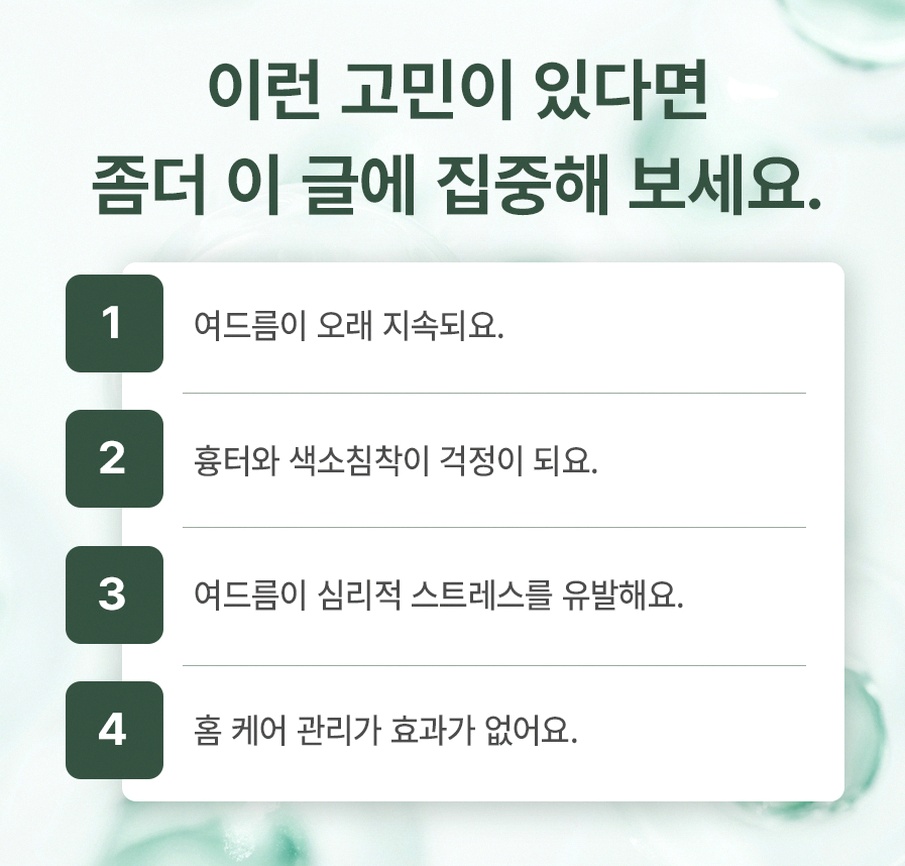
PDT is often used for recurrent or stubborn inflammatory acne, especially when over‑the‑counter products or basic prescriptions have not been enough. It can also be an option for patients who cannot or prefer not to take certain oral medications.
In PDT, a photosensitizing agent is applied to the skin and allowed to absorb into the oil glands. After a set incubation period, a specific light source is used to activate this agent. The activation helps reduce the activity of overactive sebaceous glands and decreases acne‑causing bacteria.
Patients may feel mild warmth or tingling during the light exposure. After treatment, temporary redness or sensitivity is common, and careful sun protection is essential. PDT is usually performed as a series of sessions, spaced out over several weeks, depending on the severity of acne and the patient’s schedule.
Pore and acne scar programs
Once active inflammation is better controlled, attention can shift to scars and enlarged pores. At this stage, the clinic may suggest a Pore and Scar Program, which is tailored to the type and depth of your scars.
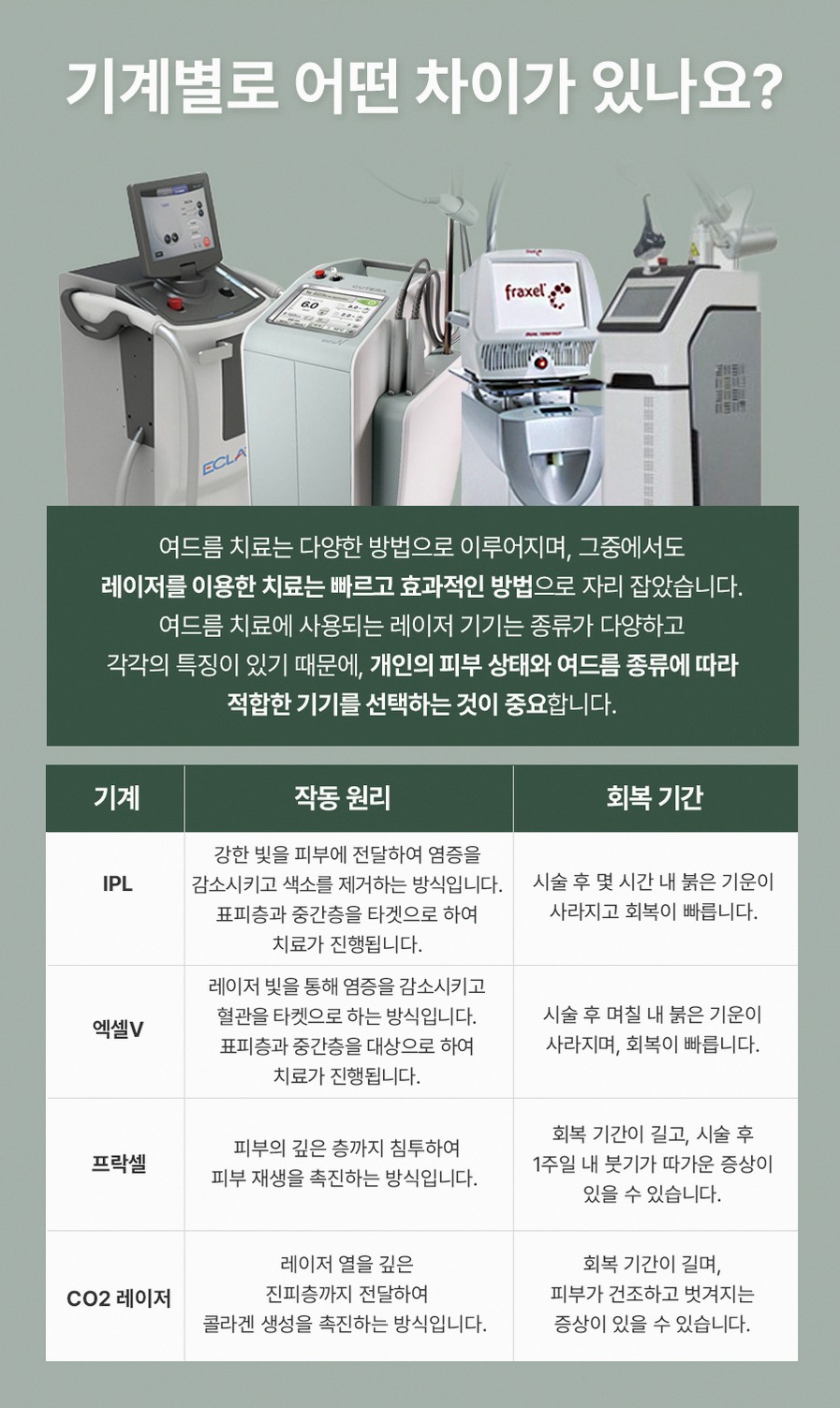
Fractional lasers such as Legato 2 and ProFractional‑type devices are often used to resurface the skin and stimulate collagen remodeling. These lasers create tiny micro‑columns of controlled injury in the skin, leaving surrounding tissue intact. As the skin heals, new collagen forms, helping to gradually lift and smooth depressed scars.
Microneedle radiofrequency devices like Secret RF are another tool for atrophic (depressed) scars, uneven texture, and enlarged pores. Very fine needles deliver radiofrequency energy into the deeper layers of the skin, again stimulating collagen while minimizing surface damage. This can be suitable for patients who need scar improvement but must also consider downtime.
For selected deep, sharply depressed scars such as some ice‑pick or boxcar scars, scar filler may be used. In this approach, a small amount of filler material is injected under the scar to lift it closer to the level of the surrounding skin. Filler is usually combined with lasers or microneedle RF for more comprehensive texture improvement.
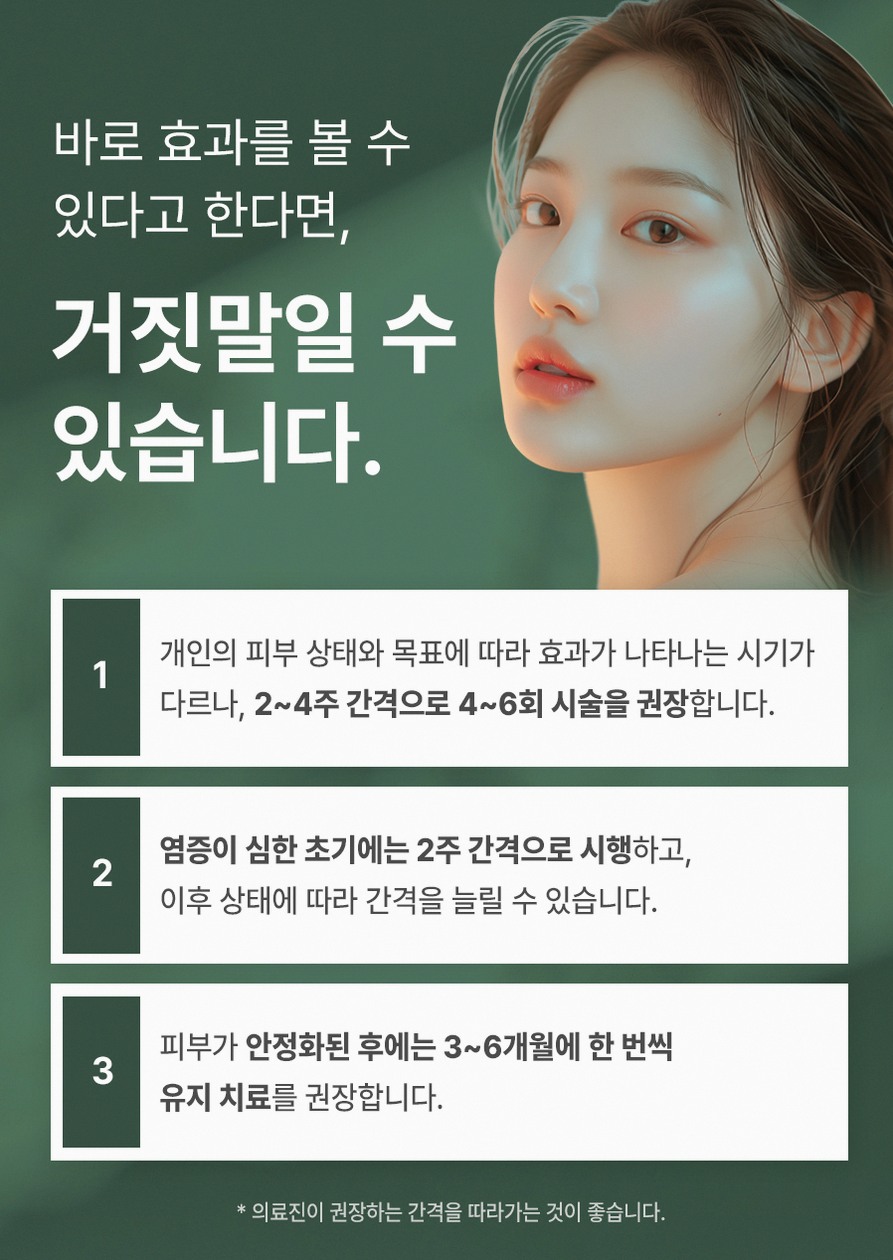
These scar‑focused treatments usually require multiple sessions. The dermatologist will adjust energy levels, spacing between sessions, and the combination of devices based on your skin’s response and your travel schedule.
Care for redness and post‑acne marks
Even after pimples have healed, many patients are left with red marks, brown spots, and sensitive, easily flushed skin. For these issues, vascular and redness‑focused devices can be helpful.
Vascular lasers such as Vbeam Perfecta target visible redness and dilated blood vessels. They can help reduce persistent red marks left after inflammatory acne. LDM ultrasound management can be used to support sensitive or inflamed skin by promoting gentle tissue stimulation and hydration.
These treatments are usually considered supportive, secondary options. They are often added once active breakouts are under control and can be combined with gentle skincare and sun protection to improve overall skin tone.
Who may consider acne treatment in Dongtan
International patients come to Korea for acne care for various reasons. You may consider a Dongtan acne clinic if:
You are a teenager with persistent breakouts that have not improved with basic skincare, over‑the‑counter products, or short courses of topical medication.
You are an adult with late‑onset or hormonal acne, especially if breakouts concentrate around the jawline, chin, or lower face.
You experience recurrent inflammatory acne that often leaves marks or scars, and you want a more systematic plan to control it.
You already have visible acne scars or enlarged pores and are interested in fractional laser, microneedle RF, or filler‑based scar improvement.
You prefer a structured medical program with clear steps and dermatologist supervision instead of purely cosmetic facials.
If you fit one or more of these descriptions, planning a focused treatment period in Dongtan could be worthwhile; treatment timelines vary by condition and goals, so confirm a personalized schedule with the clinic.
How professional acne care differs from cosmetic facials
Many people try facials, simple extractions, or home devices before visiting a dermatologist. While these can sometimes help mild congestion, they are often not enough for moderate or severe acne and may even irritate sensitive skin.
Professional acne care in a dermatology setting differs in several ways:
Diagnosis: The dermatologist identifies the type of acne, presence of scarring, and any underlying conditions such as rosacea or seborrheic dermatitis.
Medical treatment: Prescription creams, oral medications, and anti‑inflammatory therapies can be used when appropriate, something cosmetic salons cannot provide.
Device selection: Lasers, light therapy, and radiofrequency devices are chosen and calibrated based on your skin type and medical history.
Safety and hygiene: Procedures such as extractions, PDT, and fractional lasers are performed under strict hygiene and safety protocols.
Long‑term planning: The clinic works with you on maintenance, lifestyle adjustments, and scar prevention, not only on short‑term appearance.
For international patients, another advantage is the ability to coordinate multiple treatments efficiently during a limited stay, while still respecting skin recovery times.
Online consultation and pre‑visit preparation
Before traveling to Dongtan for acne treatment, it is wise to arrange an online consultation. Hus-hu Dermatology Clinic Dongtan offers online consultation channels (Naver reservation and KakaoTalk); international patients should confirm English‑language support directly when booking.
To make the most of this, prepare the following:
Clear photos of your face (front and both sides) in natural light, without makeup.
A short history of your acne: when it started, how it has changed, and any triggers you have noticed.
A list of previous treatments and products, including any oral medications such as isotretinoin, antibiotics, or hormonal treatments.
Information about your general health, allergies, and any current medications.
Your travel plan: expected arrival and departure dates, and how many days you can visit the clinic.
During online consultation, you can ask:
Which treatments are likely to be prioritized during your stay.
How many sessions are realistic within your schedule.
What kind of downtime you should expect after each procedure.
What home care products you should bring or avoid.
This preparation allows the clinic to propose a preliminary plan, which will be confirmed and adjusted after in‑person examination.
Expected Korea visit timeline for acne treatment
The ideal timeline depends on whether your main focus is active acne control or scar treatment.
For active acne control only, a stay of around 1–2 weeks can allow for initial consultation, several sessions of the Acne All‑Kill Program, and possibly one or two PDT sessions, depending on your skin’s response and the clinic’s protocol. You may also receive prescriptions to continue treatment after returning home.
For combined acne and scar care, a longer stay is helpful. Fractional laser and microneedle RF sessions are usually spaced several weeks apart. If you can visit Korea multiple times, the clinic may schedule one major scar treatment per trip. If you can stay longer on a single trip, they may plan one main scar session plus milder treatments around it.
A typical sequence for an overseas patient might look like this:
Day 1–2: In‑person consultation, skin assessment, basic tests if needed, and first acne program session.
Day 3–7: Additional acne program sessions, possible PDT, adjustment of prescriptions and skincare.
Day 8–14: If inflammation is well controlled and your skin is ready, first scar‑focused treatment (fractional laser, microneedle RF, or combined approach), followed by calming care.
This is only a general example; your actual schedule will depend on your skin condition, tolerance for downtime, and length of stay.
Safety, downtime, and expectations
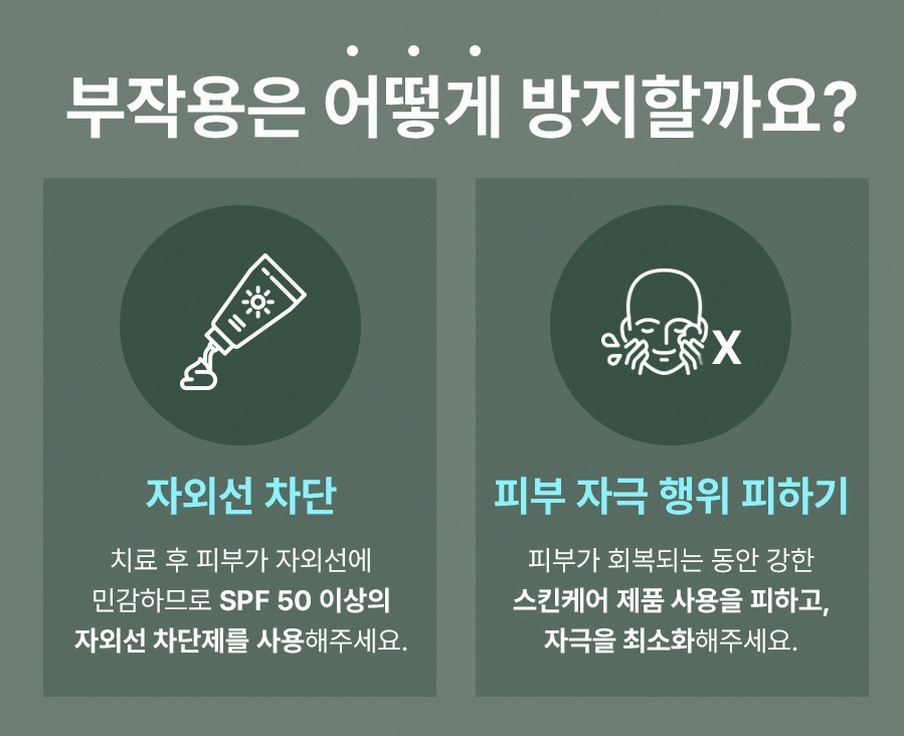
All medical procedures, especially lasers and PDT, carry some level of risk and downtime. At a dermatologist‑led clinic, these are managed through careful assessment, test spots when needed, and appropriate energy settings.
Common short‑term effects after acne and scar procedures include redness, mild swelling, temporary darkening of marks, and light peeling or dryness. After fractional lasers or microneedle RF, you may experience a few days of visible redness and rough texture, followed by gradual smoothing.
Sun protection is essential after all procedures. You will usually be advised to use a broad‑spectrum sunscreen, avoid direct strong sunlight, and use gentle, non‑irritating cleansers and moisturizers. Picking or scratching treated areas should be strictly avoided to reduce the risk of pigmentation or scarring.
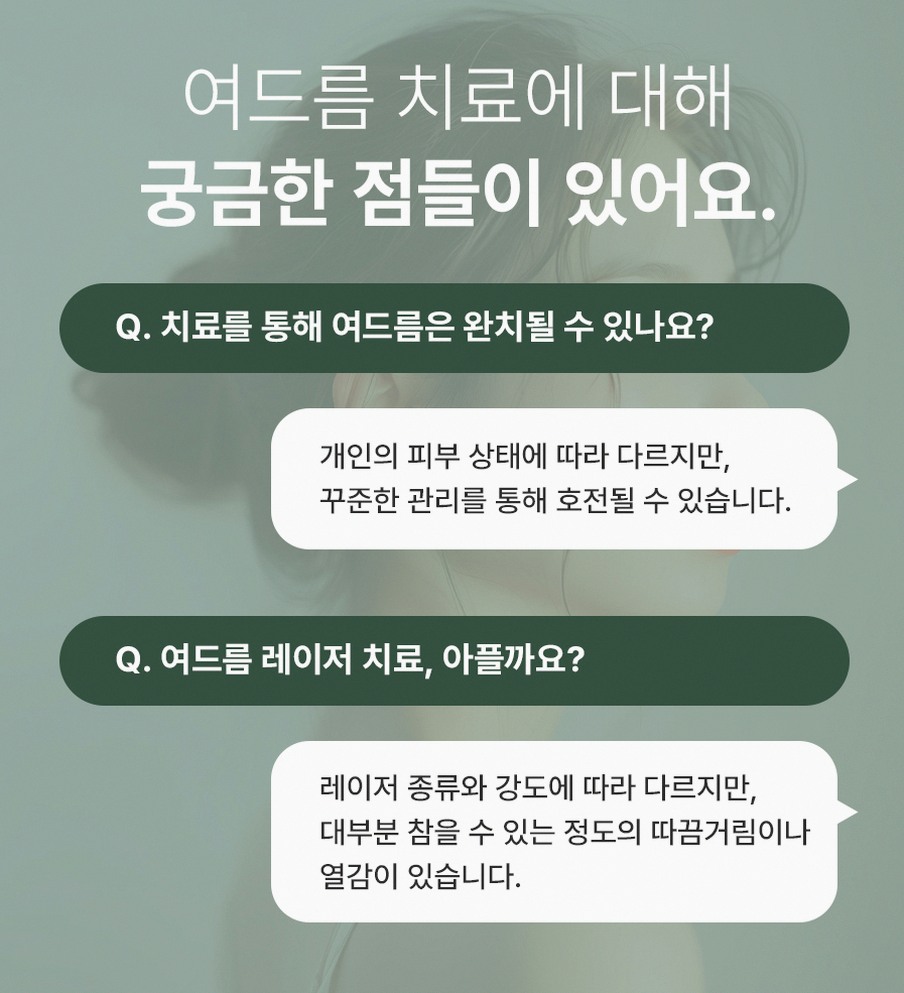
It is important to keep expectations realistic. Acne control and scar improvement are gradual processes. Most patients notice steady, visible changes over weeks to months rather than overnight transformation. The goal is to reduce the number and severity of breakouts, protect the skin barrier, and soften scars and pores over time.
Practical information for Dongtan residents and visitors
The clinic is located on the third floor of a building on Dongtan Daero Sibeom‑gil in Dongtan 2 New Town, Hwaseong, Gyeonggi Province. This area is accessible from major parts of the Seoul metropolitan region by public transport or car, and it is convenient for residents of Dongtan and nearby cities.
For local and overseas patients, the clinic offers weekday and Saturday hours, with extended hours on Friday evenings. The clinic's published schedule shows Friday open until 8:00 PM and Saturday open through the lunch hour until 2:00 PM (no lunch break). The clinic is closed on Sundays and public holidays. Check the clinic's current hours before visiting.
Online reservation is available on specific weekdays through a major local portal reservation system. This can be especially convenient for busy students, office workers, and international patients who want to secure a time slot before arriving in Korea.
Aftercare and continuing treatment at home
For overseas patients, a key question is how to maintain results after returning home. Before you leave Korea, discuss a long‑term plan with your dermatologist.
This plan may include:
A clear list of prescription and non‑prescription products to continue.
Guidelines on how to adjust your routine if irritation occurs.
Advice on when you might consider another visit for additional scar treatments.
Recommendations you can share with a local dermatologist in your home country.
If you have had fractional laser or microneedle RF, your skin will continue to remodel for several months. Following the recommended skincare routine and sun protection will support better outcomes. If you have had scar filler, you may be advised about expected duration and when to consider touch‑up treatment.
Frequently asked questions about choosing an acne clinic in Dongtan
What should I look for when choosing an acne clinic in Dongtan?
Look for a clinic where acne care is led by board‑certified dermatologists with experience in inflammatory skin disease and scarring. Check whether they offer both medical treatments (topical and oral prescriptions) and device‑based options such as lasers, light therapy, and radiofrequency. It is also helpful if they provide structured acne programs, clear explanations of treatment steps, and realistic guidance on the number of sessions and expected improvement.
How many days do I need in Korea for acne treatment?
For basic evaluation and initial acne control, many overseas patients plan around 1–2 weeks. This usually allows time for consultation, several sessions of a structured acne program, and possibly PDT. If you also want scar treatment with fractional lasers or microneedle RF, a longer stay or multiple visits is often recommended, because these procedures are usually spaced weeks apart for safe healing.
Will acne and scar treatments leave visible marks during my trip?
After acne program sessions and PDT, you may experience temporary redness or mild sensitivity, which often settles within a few days. After fractional lasers or microneedle RF, there can be more noticeable redness, swelling, and roughness for several days. If you have important meetings or photos, plan major procedures earlier in your trip so you have time to recover before returning home.
Can I continue treatment at home after visiting a Dongtan clinic?
Yes. Many patients start or intensify treatment in Korea and then continue maintenance at home. Your dermatologist can provide a written summary of your diagnosis, treatments performed, and recommended ongoing care. You can share this with a local dermatologist in your home country, or follow the provided skincare and medication plan if appropriate and safe in your region.
Soft call to action
If you are struggling with persistent acne or early scarring and are considering treatment in Korea, arranging an online consultation with a dermatologist‑led clinic in Dongtan can be a practical first step. Clinics such as Hus-hu Dermatology Clinic Dongtan can review your photos and history, suggest suitable programs like multi‑step acne care, PDT, and scar‑focused treatments, and help you plan a realistic schedule for your visit.
Before you contact any clinic, it may help to write down your questions about treatment options, expected number of sessions, possible downtime, and home care. With this preparation, you can use your consultation time efficiently and make an informed decision about whether a Dongtan acne clinic fits your needs and travel plans.

- 공유 링크 만들기
- X
- 이메일
- 기타 앱


댓글
댓글 쓰기