What Overseas Patients Should Expect
- 공유 링크 만들기
- X
- 이메일
- 기타 앱
If you're looking for Thermage lifting in the Dongtan area, you are likely seeking a non-surgical option to tighten skin and reduce wrinkles while improving facial contours.
In Dongtan, clinics such as Hus-hu Dermatology Clinic Dongtan offer Thermage as one of several lifting options, often alongside ultrasound lifting and thread lifting.
What is Thermage lifting
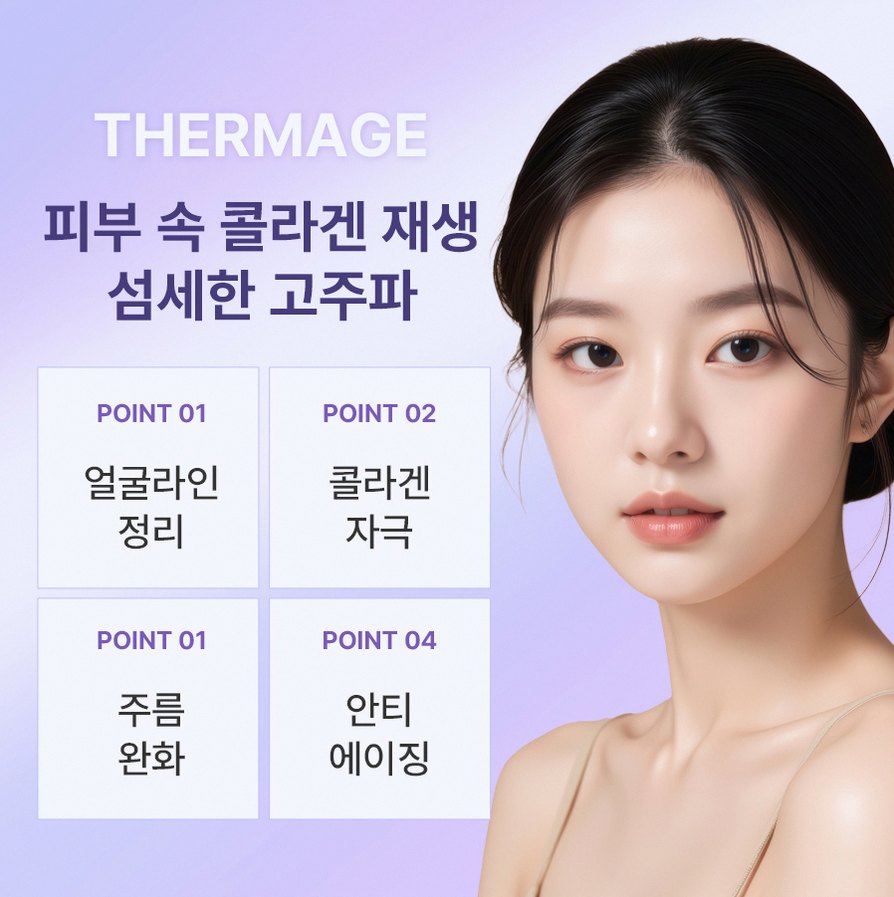
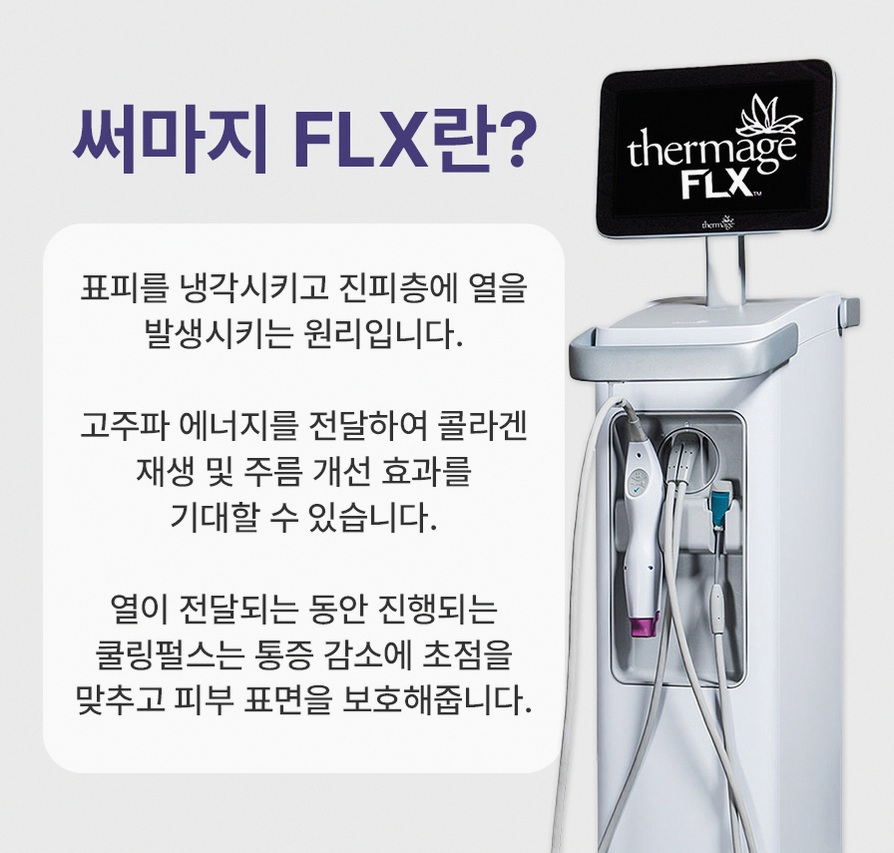
Thermage is a non-invasive skin tightening and lifting procedure that uses radiofrequency energy. During treatment, a handpiece delivers controlled RF energy into the deeper layers of the skin. The skin surface is protected by integrated cooling, and some device models incorporate vibration features intended to improve comfort.
The main goal of Thermage is to tighten existing collagen fibers and encourage the skin to produce new collagen over time. This can lead to a firmer, more lifted appearance of the face, jawline, and sometimes the neck, with softening of wrinkles and fine lines.
Because it does not involve incisions, injections of threads, or general anesthesia, Thermage is often chosen by people who want visible improvement but are not ready for surgery.
How Thermage works
Thermage works by delivering radiofrequency energy into the dermis, the deeper layer of the skin where collagen fibers are located. The treatment tip touches the skin and sends short pulses of RF energy. Each pulse briefly heats the tissue at a controlled depth.
This controlled heating has two main effects. First, it causes existing collagen fibers to contract, which can give an initial tightening effect. Second, it triggers a natural wound-healing response in the skin, which stimulates fibroblasts to produce new collagen and reorganize existing collagen structures over the following weeks and months.
The outer layer of the skin is protected by cooling, which is usually built into the treatment tip. Many modern Thermage systems also use vibration with each pulse to distract the nerves and reduce discomfort. The practitioner adjusts energy levels, number of pulses, and treatment patterns according to your skin type, thickness, and tolerance.
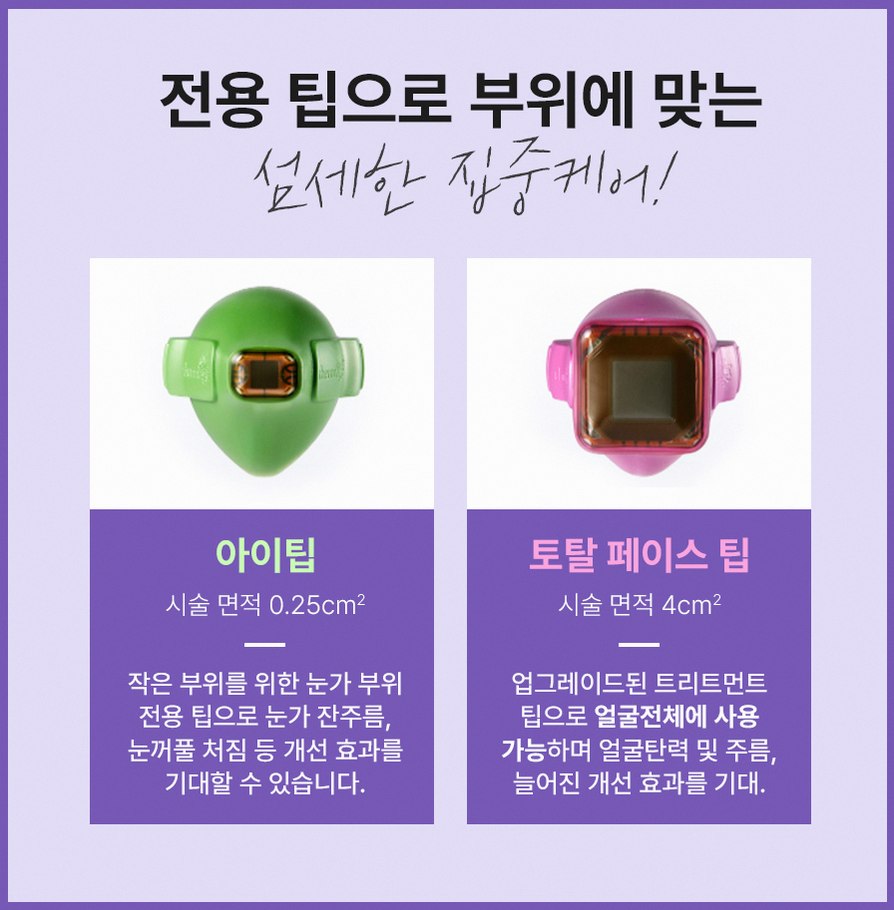
Common treatment areas include the full face, lower face and jawline, nasolabial folds, eye area, and sometimes the neck. Some patients focus on one area, such as the jawline or eye zone, while others choose a full-face approach.
Who may consider Thermage in Dongtan
Thermage is generally considered for adults who notice early to moderate signs of aging and want a non-surgical option. Many patients are in their late 20s to 50s, but suitability depends more on skin condition than on age alone.
You may consider Thermage if you:
Want to improve mild to moderate skin sagging around the cheeks, jawline, or under the chin
Notice fine to moderate wrinkles or creases, such as smile lines or early jowls
Prefer a device-based treatment rather than frequent injections
Are not ready for surgical lifting but want some tightening and contour improvement
Prefer a treatment that can usually be done in a single session, with gradual, natural-looking changes
Thermage can also be an option if you have already tried other treatments such as basic lasers or skincare but feel you need a stronger tightening effect without surgery. In some cases, Thermage can be combined with other procedures like ultrasound lifting or thread lifting for a more comprehensive plan.
Who should be cautious
Not everyone is an ideal candidate for Thermage. A careful consultation is important, especially for overseas patients who have limited time in Korea.
You should be cautious and discuss thoroughly with a doctor if you:
Have implanted electronic devices, such as certain pacemakers or defibrillators
Have metal implants in or near the planned treatment area
Have active skin infections, severe inflammatory skin disease, or open wounds on the face or neck
Are pregnant or breastfeeding, in which case timing and safety should be discussed
Expect a dramatic, surgical-level facelift effect from a single non-invasive session

People with very advanced skin laxity or heavy sagging may be advised that Thermage alone is unlikely to meet their expectations. In those cases, a combination of treatments or even surgical options may be discussed.
Thermage compared with other lifting options
In Dongtan, many clinics offer several lifting devices and techniques. Understanding the differences can help you prepare better questions for your consultation.
Thermage versus Ultherapy or Shurink
Thermage uses radiofrequency energy, while Ultherapy and Shurink use focused ultrasound energy. This difference affects which layers of tissue are mainly targeted.
Thermage tends to focus on the dermal layer, providing broad skin tightening and collagen remodeling. It is often chosen to improve skin firmness, texture, and fine to moderate wrinkles.
Ultrasound lifting devices such as Ultherapy or Shurink are often used to reach deeper tissue layers than RF; some are described as targeting deeper structural levels that may provide greater structural lift than more superficial treatments.
In practice, some patients benefit from a combination: Thermage for overall skin quality and surface tightening, and ultrasound lifting for deeper structural support. The choice depends on skin thickness, degree and pattern of sagging, pain tolerance, and previous treatment history.
Thermage versus thread lifting
Thread lifting involves inserting dissolvable threads under the skin through small entry points. The threads mechanically lift the tissue and stimulate collagen along their paths. This is more invasive than Thermage, and may involve more localized swelling or bruising.
Thermage does not use any threads or incisions. It relies entirely on heat-induced collagen remodeling. The effect tends to be more gradual and natural-looking, without the more immediate “pulled” appearance that some people notice after thread lifting.
Threads can sometimes provide a stronger, immediate lifting effect, but they also have different risks, such as asymmetry, thread visibility, or thread migration. Thermage is often preferred by those who want to avoid these thread-specific issues and prefer a non-invasive approach.

Local context: Thermage in Dongtan, Hwaseong
Dongtan is a planned new town in Hwaseong, Gyeonggi-do, with many residents and visitors who prefer to receive aesthetic treatments close to home or near their accommodation. Because of this, several clinics in the area offer non-surgical lifting options.
Hus-hu Dermatology Clinic Dongtan is located on the 3rd floor of Port Central City on Dongtan-daero Sibeom-gil in Dongtan 2 New Town. The clinic functions as a dermatology center with a wide range of laser, lifting, acne, pigmentation, and body treatments.
Two board-certified dermatologists lead the clinic, both trained at Kyung Hee University School of Medicine and serving as external faculty at Kyung Hee University Medical Center. One medical director has experience as a dermatology chief at the medical office for the presidential residence in Seoul and placed first in the first stage of the national dermatology board exam. The other director has training experience at the UCI Beckman Laser Institute, which is relevant to the safe and effective use of laser and energy-based devices such as Thermage.
Because multiple lifting modalities are available, including 3D Ultherapy, Thermage, SkinTyte, Shurink, Rejuran, Mint thread lifting, Onda lifting, Silhouette Soft, anti-aging injections, and Belkyra, the clinic can design combined plans. Depending on your skin thickness, sagging pattern, and preferences, the doctor may recommend Thermage alone, Thermage plus ultrasound lifting, or Thermage with threads or injectables.
Typical Thermage treatment process
Although details vary by clinic and device generation, the general flow of a Thermage session is similar. For overseas patients, understanding each step can help you plan your schedule in Korea.
1. Consultation
First, you meet the dermatologist for a face-to-face evaluation. The doctor examines your skin laxity, wrinkle depth, facial volume, and overall skin condition. They also review your medical history, medications, previous procedures, and any implanted devices.
During this stage, you can discuss your main concerns, such as jawline definition, nasolabial folds, under-eye wrinkles, or neck laxity. The doctor will explain what Thermage can and cannot do, and whether it is suitable for your goals.
2. Treatment planning
If Thermage is appropriate, the doctor will decide whether to use it alone or in combination with other options like Ultherapy, Shurink, or thread lifting. They will also define the treatment areas, such as full face, lower face, eye area, or neck.
For international patients, the doctor may consider your travel schedule and suggest a plan that fits into one or two visits. They may also explain how results will develop over time after you return home.
3. Preparation on the treatment day
On the day of the procedure, your skin is cleansed thoroughly to remove makeup, sunscreen, and skincare products. The staff may mark treatment zones on your face to guide the handpiece placement.
A coupling medium or gel may be applied, depending on the device protocol. Photos may be taken for medical records and to help with follow-up assessment.
4. Thermage procedure
During the procedure, you lie comfortably while the practitioner works area by area. With each pulse, you may feel brief heat and a tingling or tapping sensation. Cooling and vibration are used to reduce discomfort.
The practitioner adjusts energy levels and the number of passes according to your skin type and your feedback. Communication is important; you should inform the staff if the heat feels too strong or uncomfortable.
Treatment time varies by area, but a full-face session generally takes less than a few hours, including preparation.
5. Immediate aftercare
After the procedure, your skin may look slightly pink or feel warm. Cool packs or soothing products may be applied.
Most people can return to daily activities the same day. Makeup can often be applied soon after, but your doctor will give specific instructions. You may be advised to avoid very hot environments, intense exercise, or irritating skincare for a short period.
6. Follow-up
Results from Thermage are gradual. Some people feel a mild tightening immediately, but the main changes typically appear over several weeks to months as collagen regenerates.
If you are an overseas patient, follow-up may be done through online consultations, photos, or video calls. The doctor may suggest additional or complementary treatments in the future based on how your skin responds.
Sensation, downtime, and recovery
During Thermage, you can expect to feel alternating cooling and heating sensations. The heat is the active part of the treatment; it should feel strong but tolerable. Vibration is used to help distract from discomfort.
After treatment, mild redness, swelling, or tenderness may occur in the treated area. These effects are usually temporary. Most patients can resume normal daily activities immediately, but individual experiences vary.
Your doctor will advise you on skincare, sun protection, and any temporary restrictions. It is important to follow these instructions carefully to support safe healing and optimal results.
Safety and possible side effects
Thermage is non-invasive, but it is still a medical procedure that uses significant energy. Proper indication, settings, and technique are essential for safety.
Potential side effects to discuss with your doctor include:
Temporary redness, swelling, or mild discomfort
Temporary changes in skin sensation, such as slight numbness or sensitivity
Rarely, uneven heating can cause localized contour irregularities or longer-lasting tenderness
Very rarely, burns or blistering can occur if energy is not delivered properly
Any unusual pain, blistering, or persistent changes should be reported promptly to your treating physician. Choosing a clinic where experienced dermatologists are directly involved in planning and supervising the procedure can help reduce risks.
How to choose a Thermage clinic in Dongtan
People searching for Thermage lifting in Dongtan often compare several clinics before making a decision. Instead of focusing only on price, it is useful to check a few key points.
Points to review include:
Whether a board-certified dermatologist is directly involved in consultation and treatment planning
Whether genuine Thermage equipment is used, and whether staff can clearly explain how RF, cooling, and vibration work
Availability of multiple lifting options (RF, ultrasound, threads, injectables) so that your plan can be tailored instead of forcing one device for everyone
Before-and-after photos, understanding that results vary between individuals
Accessibility from your accommodation or airport, clinic operating hours, and whether online or app-based reservations are available
Experience-based checklist before consultation
Before you contact a clinic, it can help to prepare a short checklist. This makes your consultation more efficient, especially if you are communicating from overseas.
You may want to note:
Your main concerns (for example, jawline sagging, smile lines, under-eye wrinkles)
Any previous treatments (lasers, ultrasound lifting, threads, fillers, Botox, or surgeries)
Medical conditions, medications, and any implanted devices
Your travel dates and how many days you can stay in Korea
During your online or in-person consultation, consider asking:
Is Thermage alone suitable for my case, or would you recommend combining it with ultrasound lifting or threads?
Which areas do you suggest treating, and why?
What kind of changes are realistic for my level of sagging and skin thickness?
What is the expected recovery pattern for someone with my skin type?
How will follow-up be handled after I return to my home country?
Online consultation and pre-visit preparation
For international patients, online consultation is an important first step. Many clinics in Dongtan accept inquiries through email, messaging apps, or online forms.
When you contact the clinic, it is helpful to send clear, recent photos of your face from the front and both sides, in good lighting without heavy makeup. Briefly describe your concerns and what you hope to improve.
The clinic may ask about your medical history, allergies, and previous procedures. Answering honestly helps the doctor assess your suitability for Thermage and propose a realistic plan.
Once a tentative plan is agreed, you can schedule your visit to Korea. Confirm the number of visits needed, approximate treatment time, and any pre-procedure instructions, such as avoiding certain medications or treatments before Thermage.
Expected Korea visit timeline for Thermage
For many overseas patients, Thermage can be arranged within a short stay in Korea, for example a few days.
A typical schedule might look like this:
Day 1: In-person consultation, skin assessment, and final decision on treatment plan. In some cases, Thermage can be done on the same day if time allows.
Day 1 or 2: Thermage procedure. Plan some rest time afterward, although most daily activities are usually possible.
Day 2 or 3: Optional brief check-up, especially if combined treatments were done or if you have specific concerns.
If your schedule is very tight, discuss this clearly in advance so the clinic can advise whether same-day consultation and treatment are realistic for your case.
Aftercare and long-term expectations
After Thermage, you should protect your skin from excessive sun exposure and use sunscreen daily. Gentle moisturizing and avoiding harsh scrubs or irritating products in the early period are usually recommended.
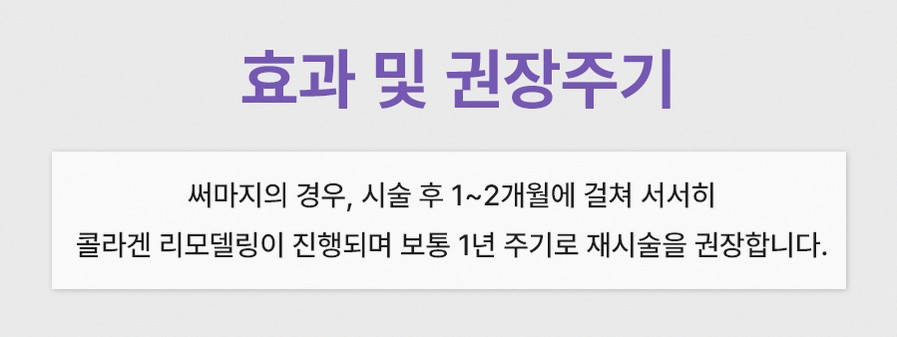
Improvements from Thermage tend to appear gradually as collagen regenerates. Many people notice changes over several weeks to months. The duration of effect varies from person to person, depending on age, lifestyle, sun exposure, and natural aging.
Thermage does not stop aging, but it can help slow the visible signs and improve skin quality for a period of time. Some patients choose to repeat treatment after a certain interval, which should be discussed with the dermatologist based on your skin’s response.
FAQ
What is the difference between Thermage and other lifting treatments in Dongtan?
Thermage uses radiofrequency energy to heat the dermis and stimulate collagen remodeling, focusing on overall skin tightening and wrinkle softening. Ultrasound-based treatments like Ultherapy or Shurink target deeper layers, including the SMAS, to lift facial structures. Thread lifting uses dissolvable threads inserted under the skin to mechanically lift tissue.
In Dongtan, clinics that offer all of these options can recommend a combination or select the most suitable one based on your skin thickness, sagging pattern, and expectations. Thermage is often chosen by people who want non-invasive, gradual, and natural-looking improvement without threads or incisions.
How does Thermage feel, and is there downtime?
During Thermage, you will feel alternating cooling and heating sensations with each pulse, sometimes with vibration. The heat should be strong but tolerable; you can communicate with the practitioner to adjust settings if needed.
After the session, you may experience mild redness, swelling, or tenderness, which usually settles over a short period. Most people can return to normal daily activities on the same day, but exact experiences vary, so you should follow the specific advice given by your doctor.
Who is a good candidate for Thermage in their 30s, 40s, or 50s?
Good candidates are people who notice early to moderate sagging or wrinkles and want non-surgical improvement. In their 30s, many patients use Thermage as a preventive or early-intervention treatment to maintain firmness. In their 40s and 50s, patients often seek visible tightening of the jawline, cheeks, or neck, while still avoiding surgery.
Suitability also depends on skin thickness, overall health, and expectations. A dermatologist in Dongtan can evaluate your face and advise whether Thermage alone is appropriate or whether a combination with ultrasound lifting or threads would be better.
How long does it take to see Thermage results, and how long do they last?
Some people feel a mild tightening right after treatment due to collagen contraction, but the main results develop gradually as new collagen forms. This process usually takes several weeks to months.
The duration of effect varies widely between individuals and depends on factors such as age, lifestyle, sun exposure, and natural aging speed. Your doctor can provide a general range based on clinical experience, but no exact duration can be guaranteed for every person.
Soft call to action for international patients
If you are considering Thermage lifting in Dongtan and would like a personalized opinion, you can start with an online consultation. Clinics such as Hus-hu Dermatology Clinic Dongtan can review your photos and medical history, explain whether Thermage is suitable for your concerns, and suggest a treatment schedule that fits your travel plans.
By preparing your questions and expectations in advance, you can make better use of your time in Korea and choose a lifting plan that matches your goals and lifestyle.

- 공유 링크 만들기
- X
- 이메일
- 기타 앱


댓글
댓글 쓰기